Fraction simplification Building Vocabulary Worksheets for Ages 4-9
15 filtered results
-
From - To
Discover the perfect resource for young learners with our "Fraction Simplification Building Vocabulary Worksheets." Designed for ages 4-9, these engaging worksheets blend essential math skills with language development. Each worksheet features fun activities to simplify fractions while introducing crucial vocabulary. Your child will enjoy mastering fractions through visuals, stories, and hands-on exercises. Perfect for homeschooling or classroom use, our worksheets support a solid mathematical foundation and enhanced vocabulary skills. Boost your child's confidence and make learning fractions enjoyable with these specially crafted resources. Explore and download today to spark a lifelong love for math and language!











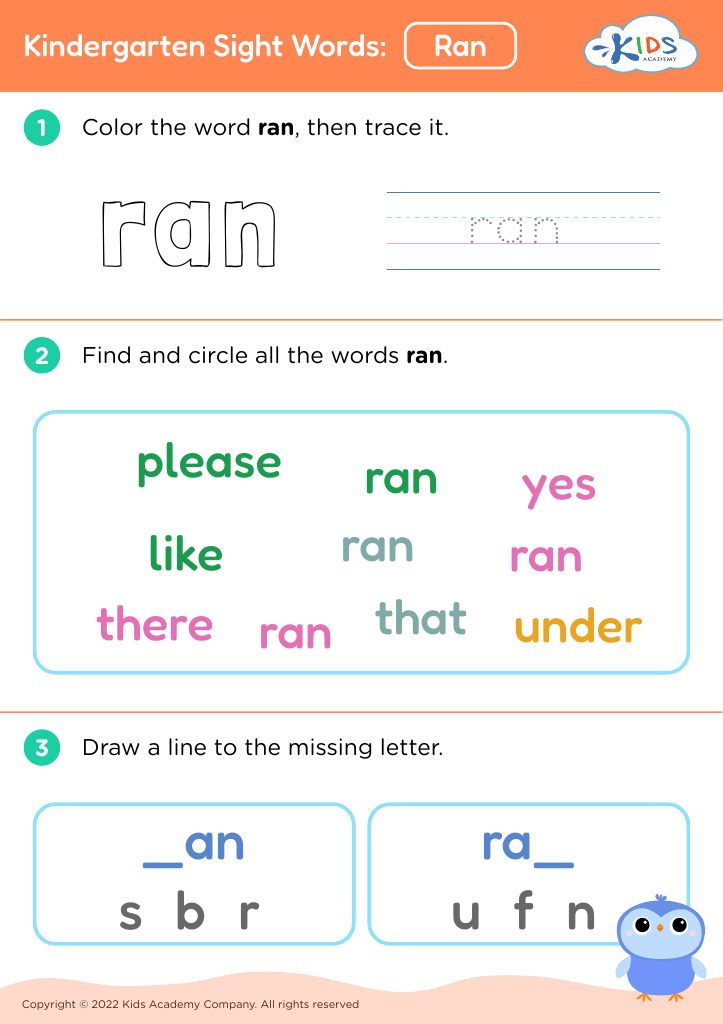
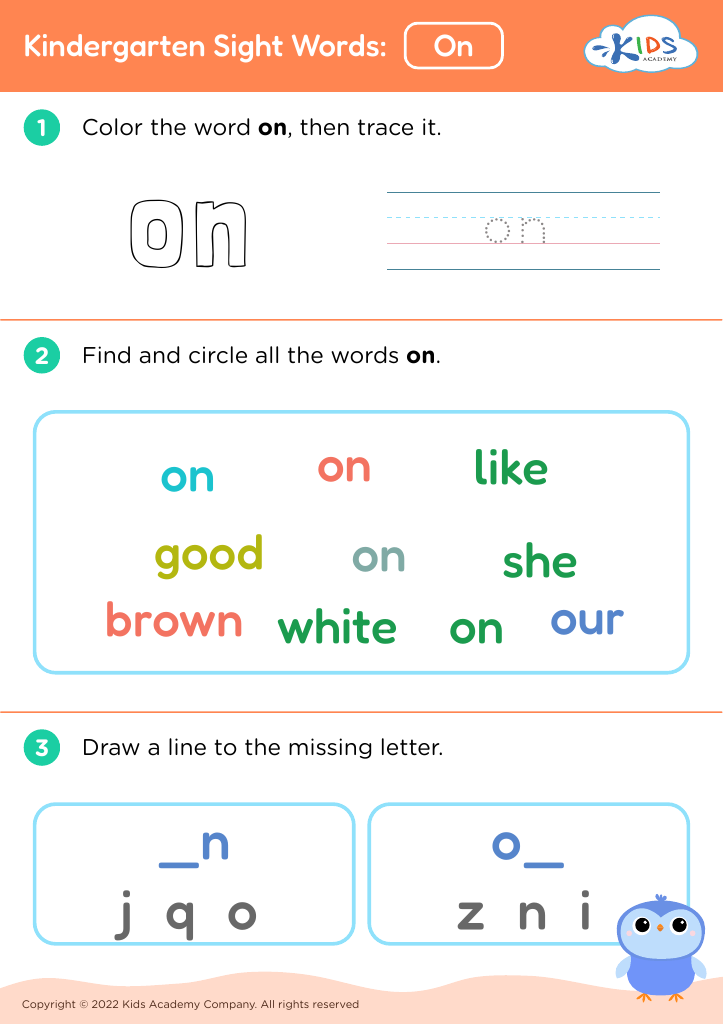
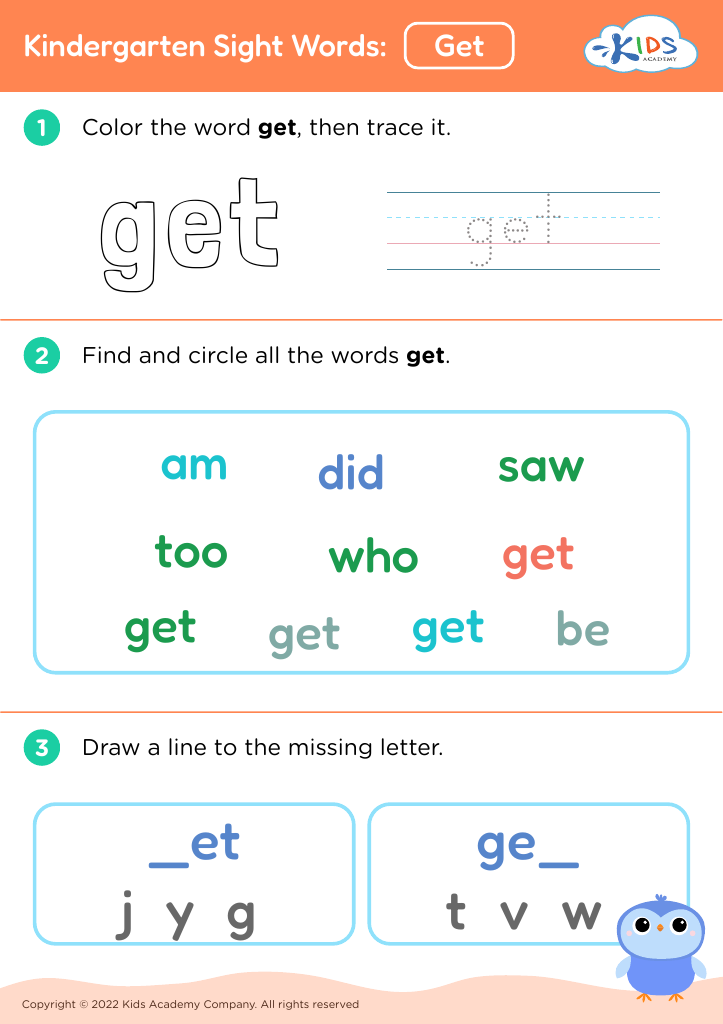




.jpg)



Fraction simplification and vocabulary building are fundamental skills essential to a young child's educational development. For children aged 4-9, mastering these areas can set a strong foundation for future academic success.
Firstly, understanding fraction simplification helps children grasp key math concepts early on. Math often builds on prior knowledge, and struggling with fractions can impede progress in subjects like algebra and geometry later. By simplifying fractions, children learn to recognize patterns and relationships between numbers, fostering critical-thinking skills.
Secondly, building vocabulary during this crucial age range enhances literacy, promoting better reading comprehension and communication abilities. A strong vocabulary allows children to express themselves clearly and understand instructions in all subjects, including math, science, and social studies. Rich vocabulary also aids in better understanding story problems in math, which often combine language and numerical skills.
Parents and teachers play vital roles in reinforcing these skills outside of formal classroom settings. They can integrate fraction-related activities in everyday life, such as cooking or dividing snacks, and expose children to a rich vocabulary through reading, conversation, and interactive games.
By prioritizing fraction simplification and vocabulary development, parents and teachers equip children with tools that pave the way for academic and personal growth.








