Improving math skills Building Vocabulary Worksheets for Ages 4-9
5 filtered results
-
From - To
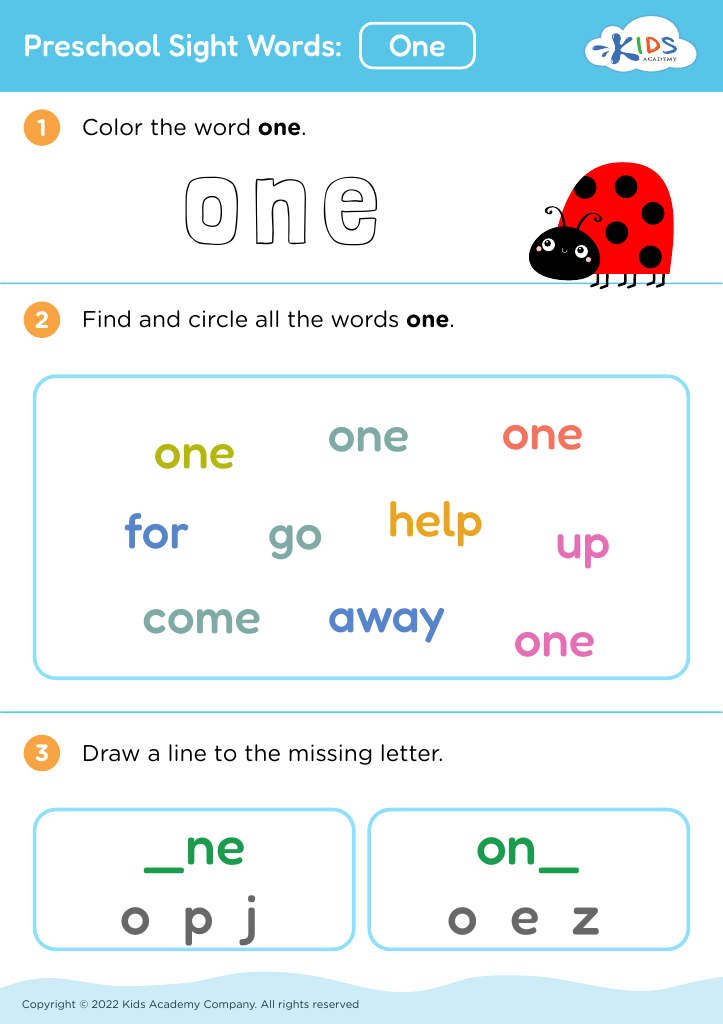
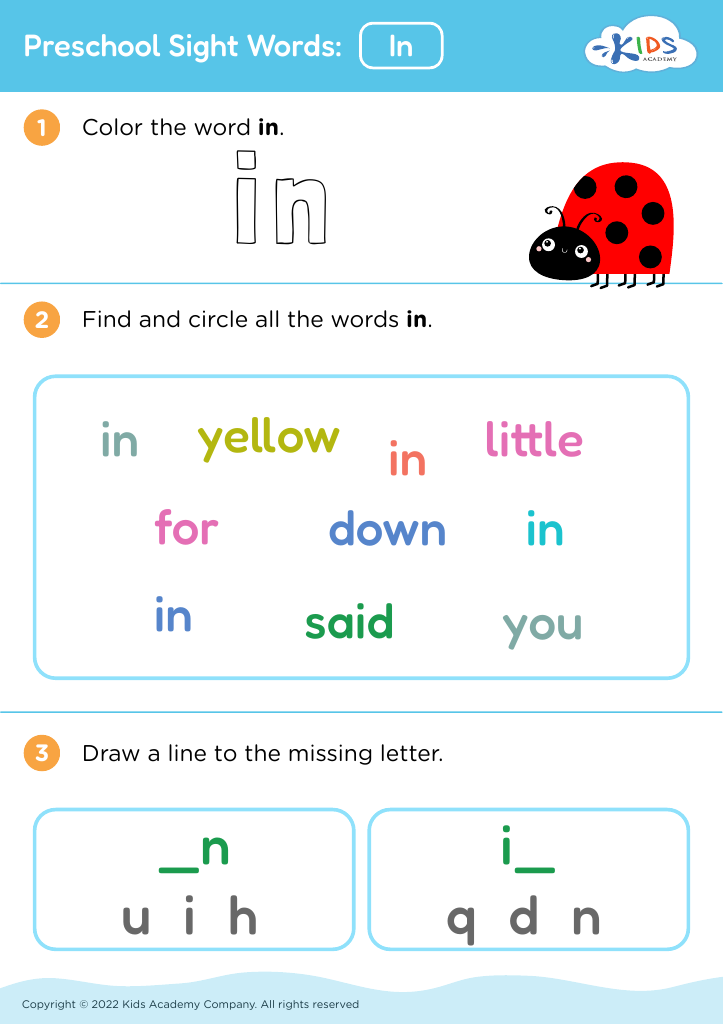
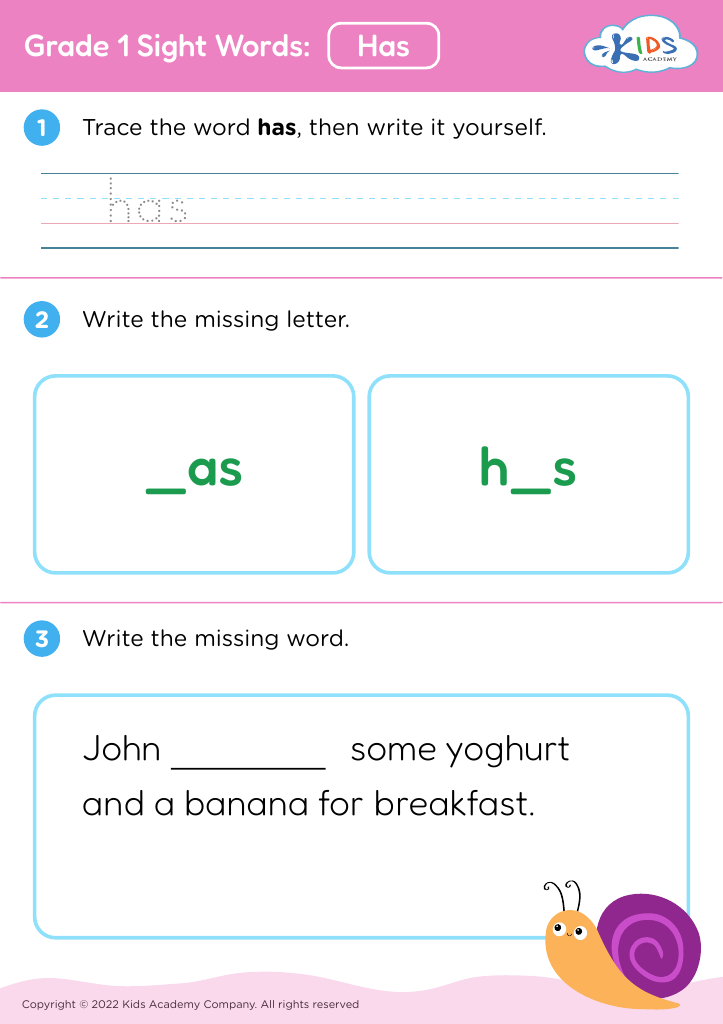
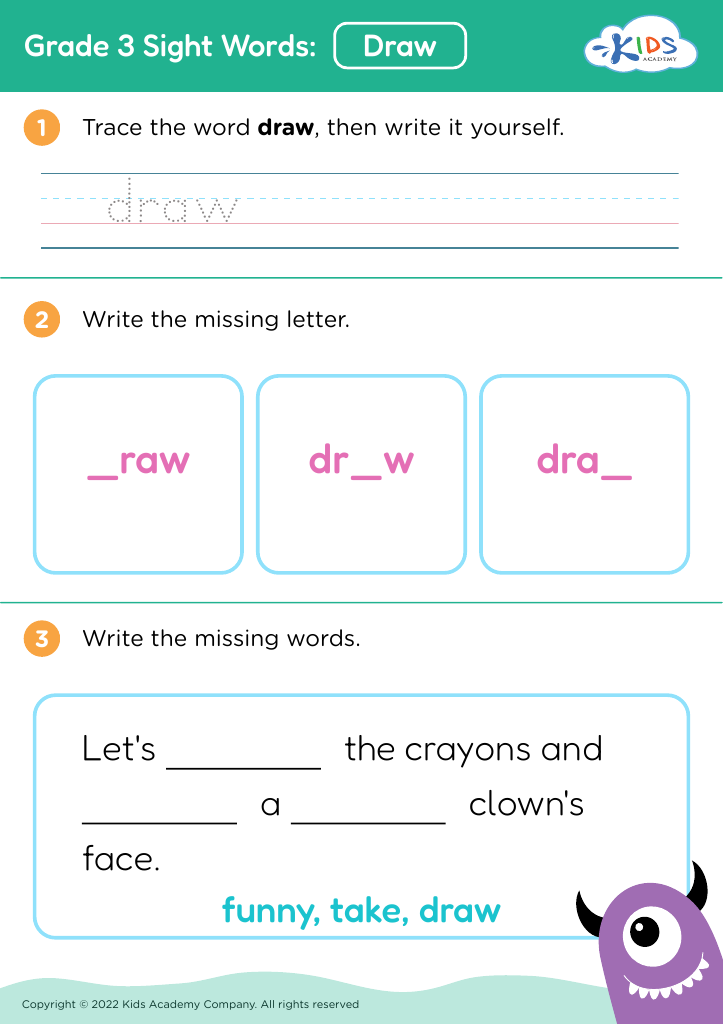
Enhance your child's learning experience with our "Improving Math Skills and Building Vocabulary" worksheets, specifically designed for ages 4 to 9. These engaging, age-appropriate worksheets aim to strengthen essential math skills while simultaneously expanding vocabulary. Each activity fosters critical thinking and reinforces language proficiency, helping young learners make connections between numbers and words. Perfect for home or classroom use, our printable resources provide a fun and interactive way to develop problem-solving abilities and grow confidence in math and communication. Dive into an enriching learning adventure and watch your child excel in both subjects effortlessly! Explore our collection today!











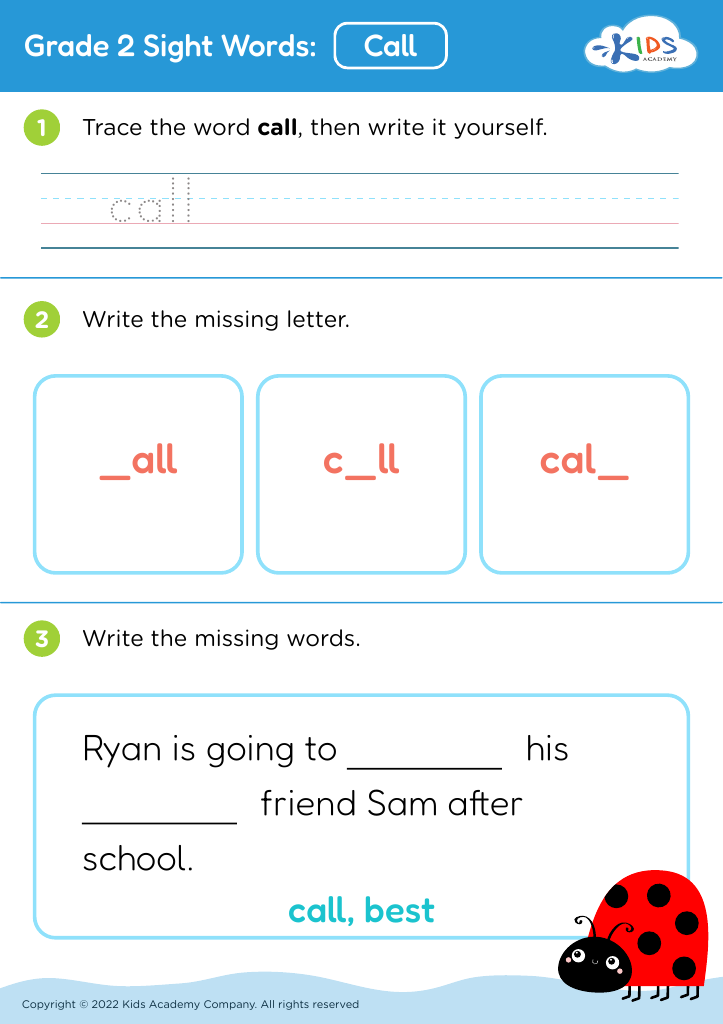








Improving math skills and building vocabulary for children aged 4-9 are crucial for their overall development and future success. At this age, children are in a critical phase of cognitive growth, where foundational skills in literacy and numeracy significantly impact their academic trajectory. Strong math skills help children develop logical reasoning and problem-solving abilities, fostering analytical thinking that is essential in everyday life and various careers.
Meanwhile, building vocabulary equips children with the expressive and receptive language skills necessary for effective communication. A rich vocabulary enhances reading comprehension, allowing them to grasp complex ideas in texts, which is vital as they transition to higher grades. Furthermore, vocabulary development supports social interactions and emotional expression, improving their relationships with peers and adults.
Teachers and parents play an essential role in nurturing these skills through engaging and age-appropriate activities, such as games, stories, and hands-on experiences, that integrate both math and language. By prioritizing these areas, caregivers can help children become more confident learners, better prepared to tackle academic challenges, and ultimately set a solid foundation for lifelong learning. Investing in math and vocabulary development now leads to empowered and well-rounded individuals in the future.








