
Number identification Building Vocabulary Worksheets for Ages 4-9
5 filtered results
Difficulty Level
Grade
Age
-
From - To
Subject
Activity
Standards
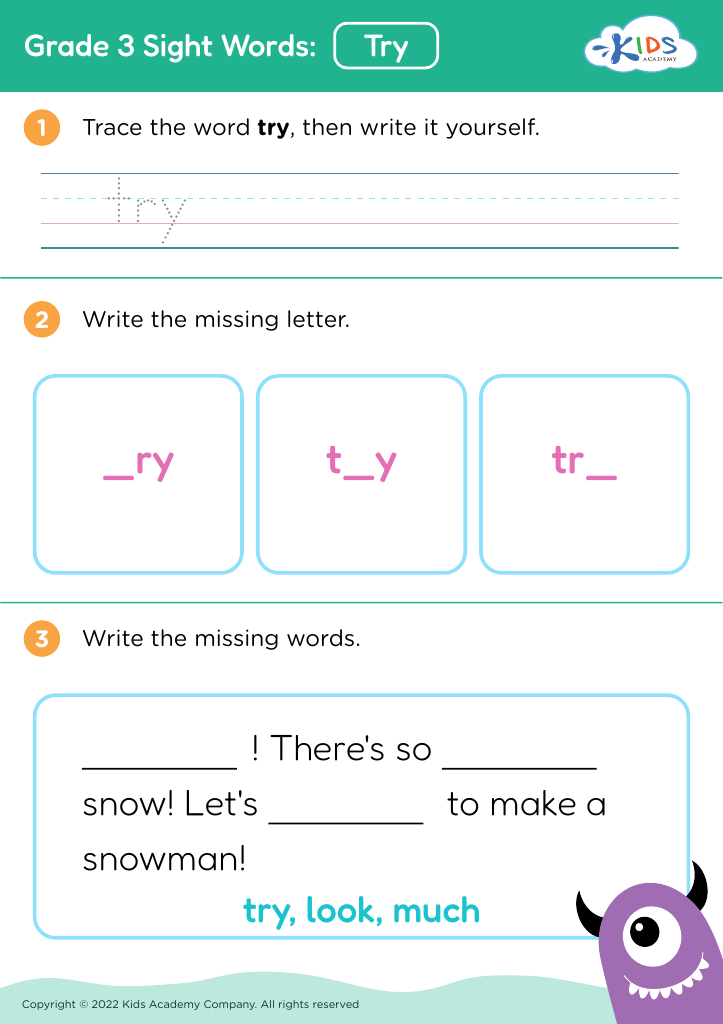
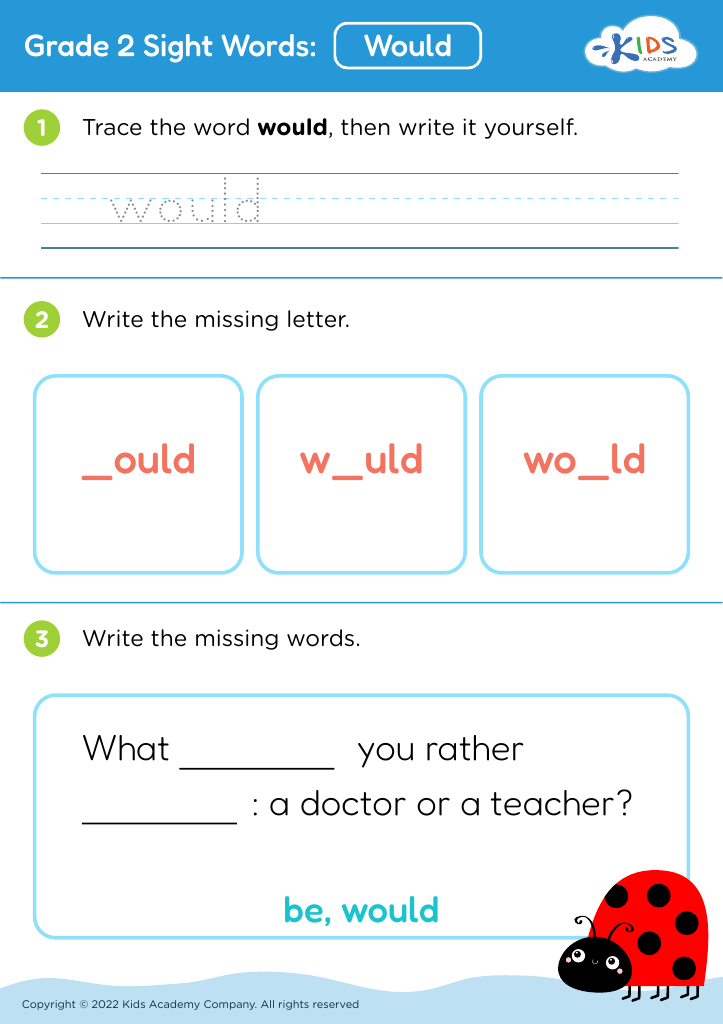
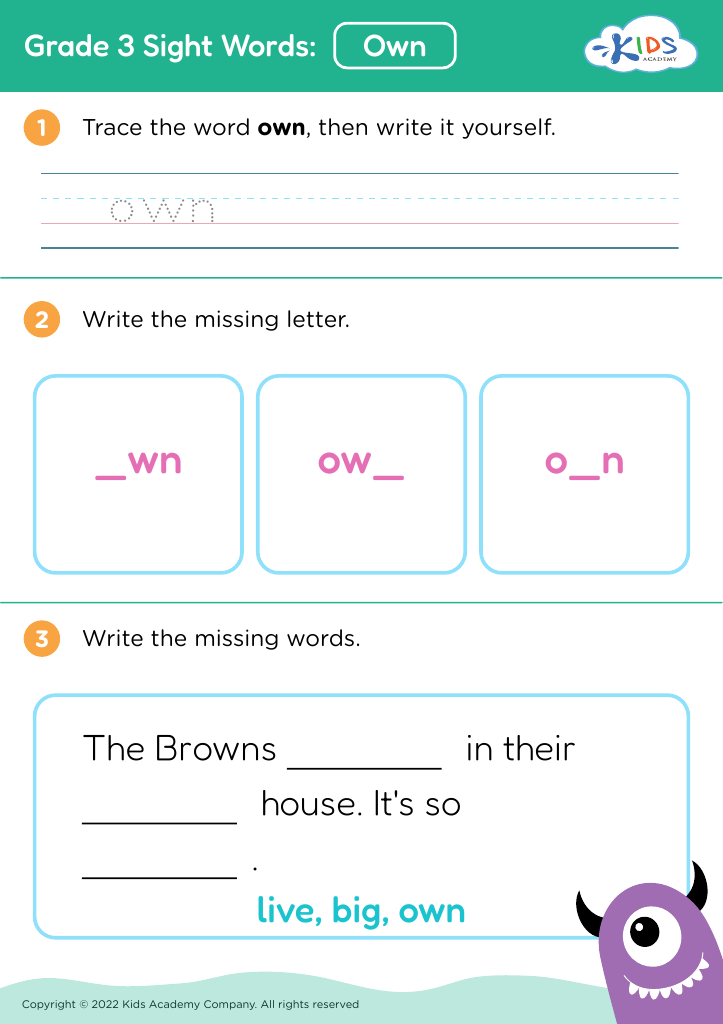
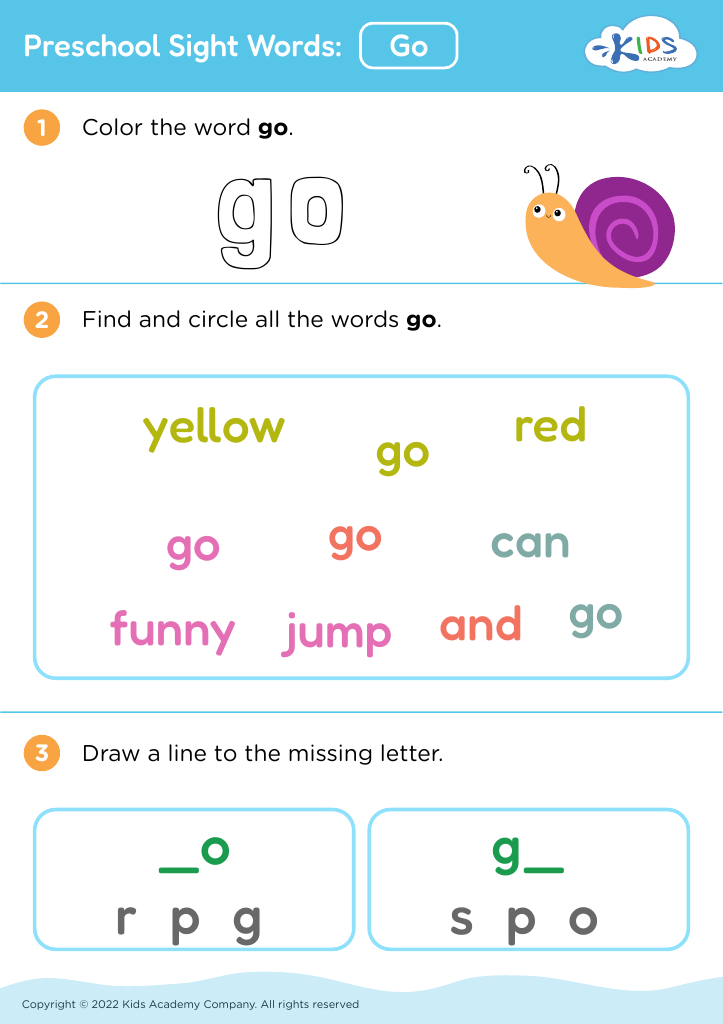
Enhance your child's number identification skills with our engaging Building Vocabulary Worksheets designed for ages 4-9. These worksheets offer a fun and interactive approach to learning numbers, helping young learners recognize and understand numerical concepts through a variety of exercises. Ideal for reinforcing foundational math skills, they include colorful visuals and relatable activities that keep kids motivated and eager to learn. Perfect for home or classroom use, our worksheets provide endless opportunities for practice while building essential vocabulary and comprehension. Foster a love for numbers and lay the groundwork for future math success with these thoughtfully crafted resources!
Favorites
With answer key
Interactive











Join Kids Academy for Free
Who is primarily going to use this learning content?



.jpg)




Number identification and vocabulary building are crucial for children aged 4-9 as they form the foundation for academic success and cognitive development. Understanding numbers helps children grasp basic mathematical concepts, fostering skills in counting, addition, subtraction, and problem-solving that are essential for later learning. When children can identify and understand numbers, they become more confident in their abilities and more engaged in activities that involve mathematics.
Similarly, building vocabulary during these years is equally important. A rich vocabulary helps children express themselves clearly and comprehend what they hear and read. This skill influences their literacy development, critical thinking, and communication abilities. Effective vocabulary building supports reading comprehension, enabling kids to understand and analyze texts, which is vital as they progress through school.
Parents and teachers play a crucial role in this development. By engaging children in activities that promote number recognition through games, songs, or counting activities, and by introducing new words in fun contexts, adults help enrich their learning experiences. This combined focus on numbers and vocabulary ensures a well-rounded educational foundation, preparing children for future challenges and enhancing their overall academic performance. Therefore, fostering these skills is essential for their lifelong learning journey.








