Practice subtraction Building Vocabulary Worksheets for Ages 4-9
4 filtered results
-
From - To
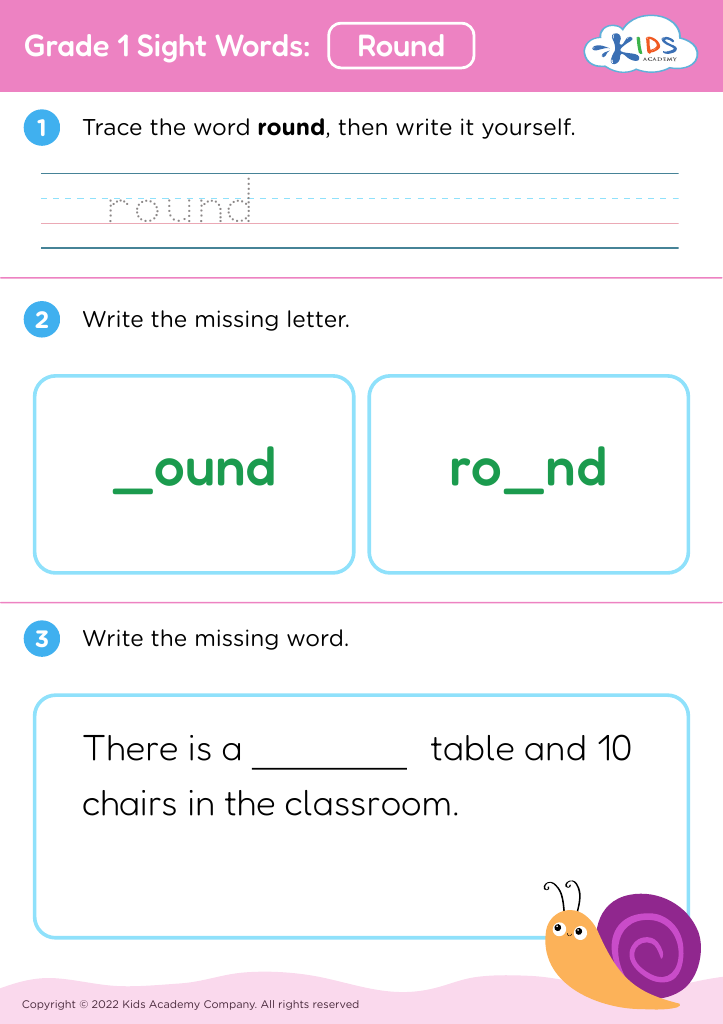
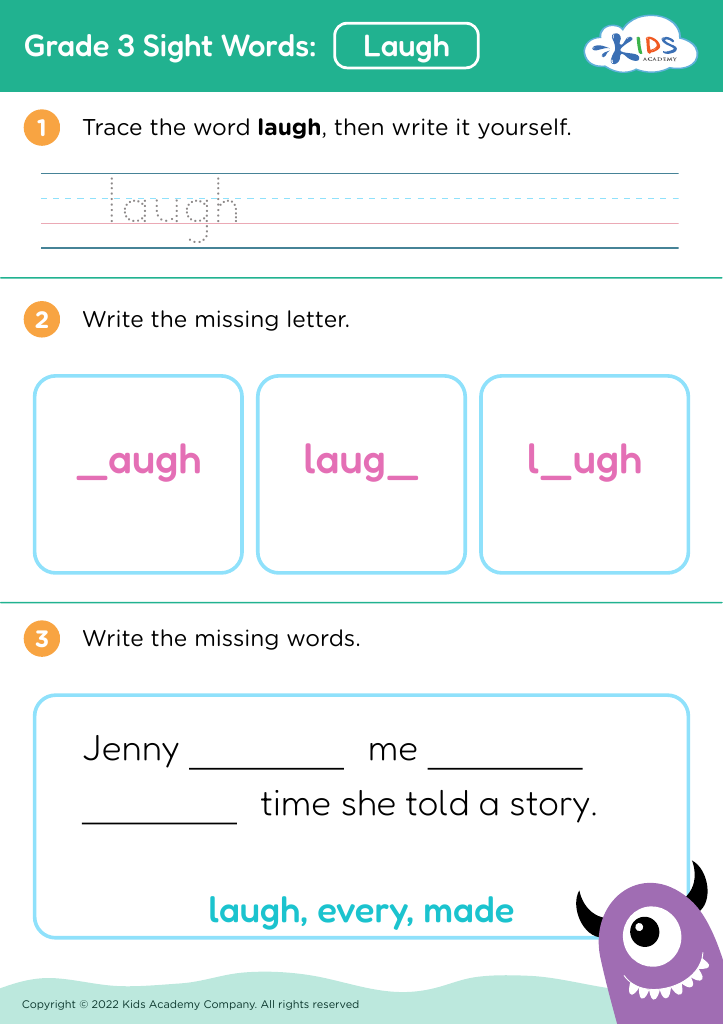
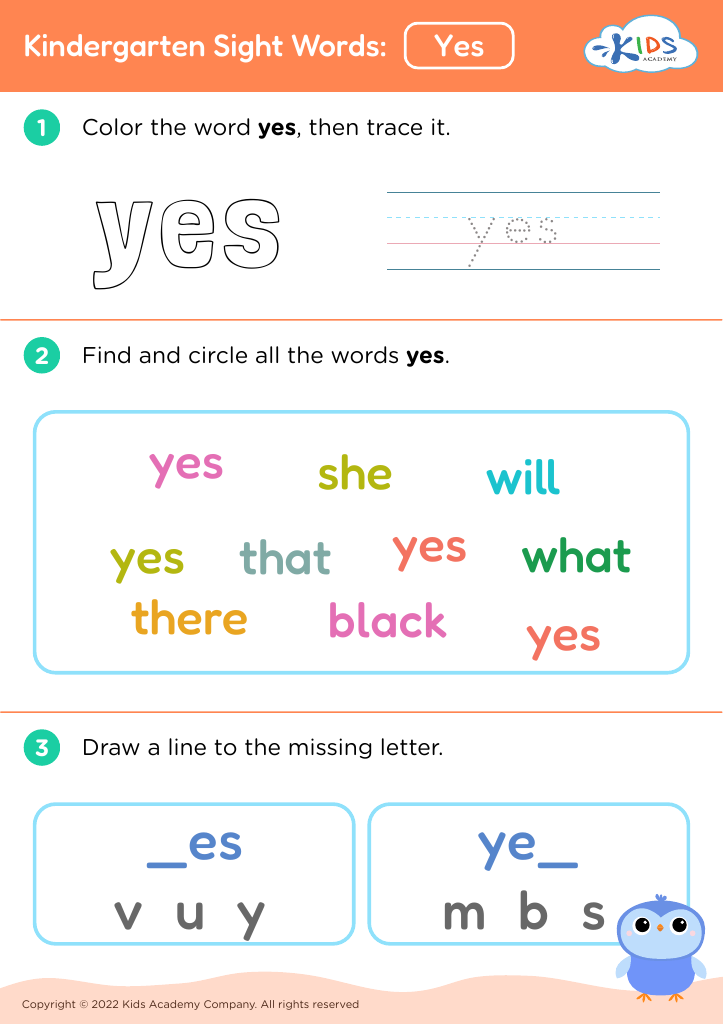
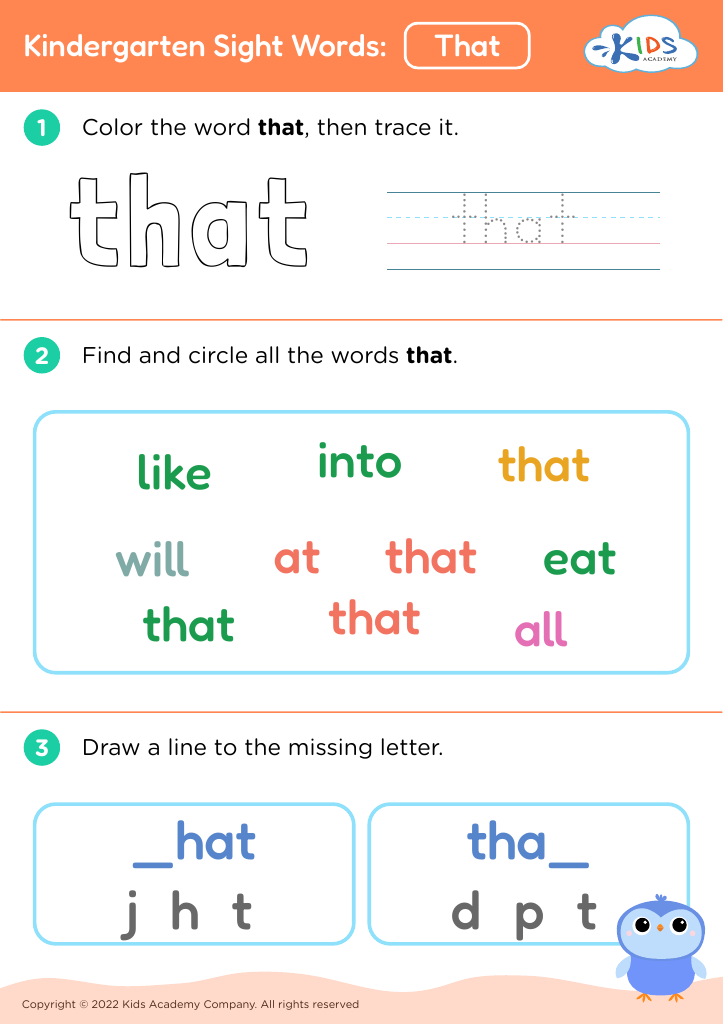
Welcome to our "Practice Subtraction Building Vocabulary Worksheets" designed for ages 4-9! These engaging worksheets combine the essentials of subtraction with vocabulary building, making learning math fun and interactive. Suitable for early learners, each worksheet encourages critical thinking and problem-solving as children practice their subtraction skills alongside new words. Kids will enjoy colorful illustrations and relatable examples that make challenging concepts accessible. Created by education experts, these resources cater to various learning styles, ensuring every child can thrive. Encourage your child’s academic growth and boost their confidence in math while enriching their vocabulary with these valuable worksheets!















.jpg)



Parents and teachers should prioritize building vocabulary related to number concepts, such as subtraction, for children ages 4-9 because it lays a solid foundation for mathematical understanding. Early exposure to relevant vocabulary—terms like “minus,” “take away,” “difference,” and “equal” enhances cognitive grasp of subtraction concepts. When children can articulate their mathematical thoughts, they develop stronger problem-solving skills and better internalize concepts.
Moreover, language aids in comprehension. When children understand and can communicate what subtraction means, they are more likely to engage meaningfully with mathematical tasks. This engagement fosters confidence and enthusiasm for learning, crucial at this formative stage. The links between math and language skills are intricately intertwined; children with strong vocabulary tend to perform better in math and overall academic areas.
Additionally, regular vocabulary practice intertwines with everyday experiences, embedding math into daily conversations and routines. Incorporating subtraction vocabulary in conversations, games, and stories enriches learning, making it both interactive and enjoyable. This approach creates a supportive learning environment, linking home and school in meaningful ways, which is pivotal in shaping resilient learners who view math as an integral part of their world. Ultimately, emphasizing subtraction vocabulary can transform children into confident, adept mathematicians.








