
Problem Solving Building Vocabulary Worksheets for Ages 4-9
3 filtered results
Difficulty Level
Grade
Age
-
From - To
Subject
Activity
Standards
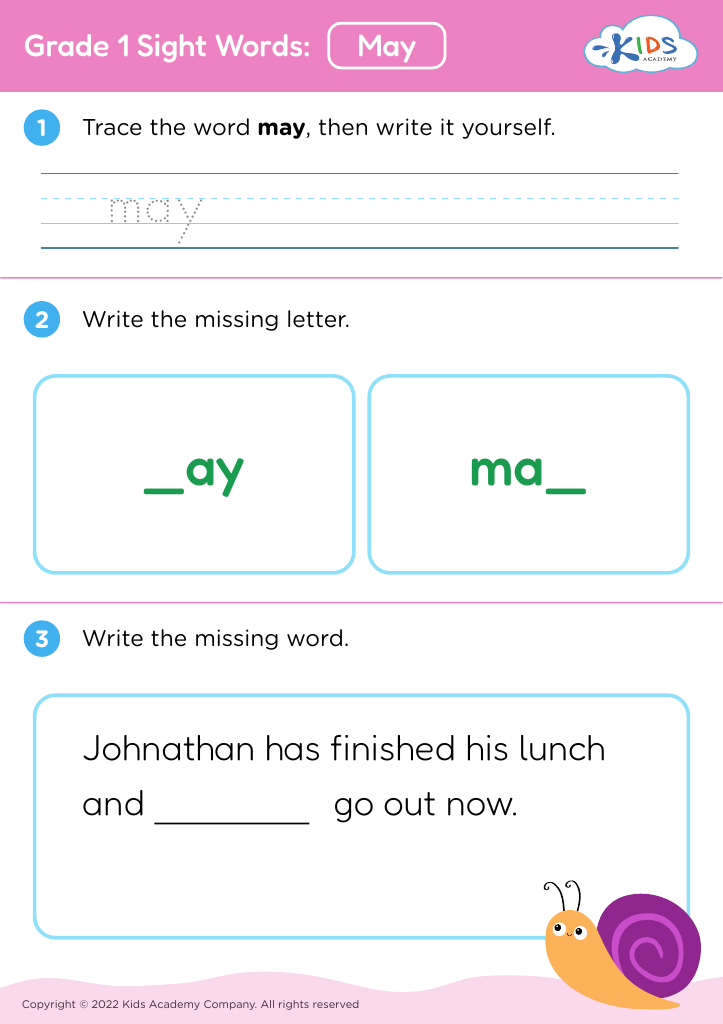
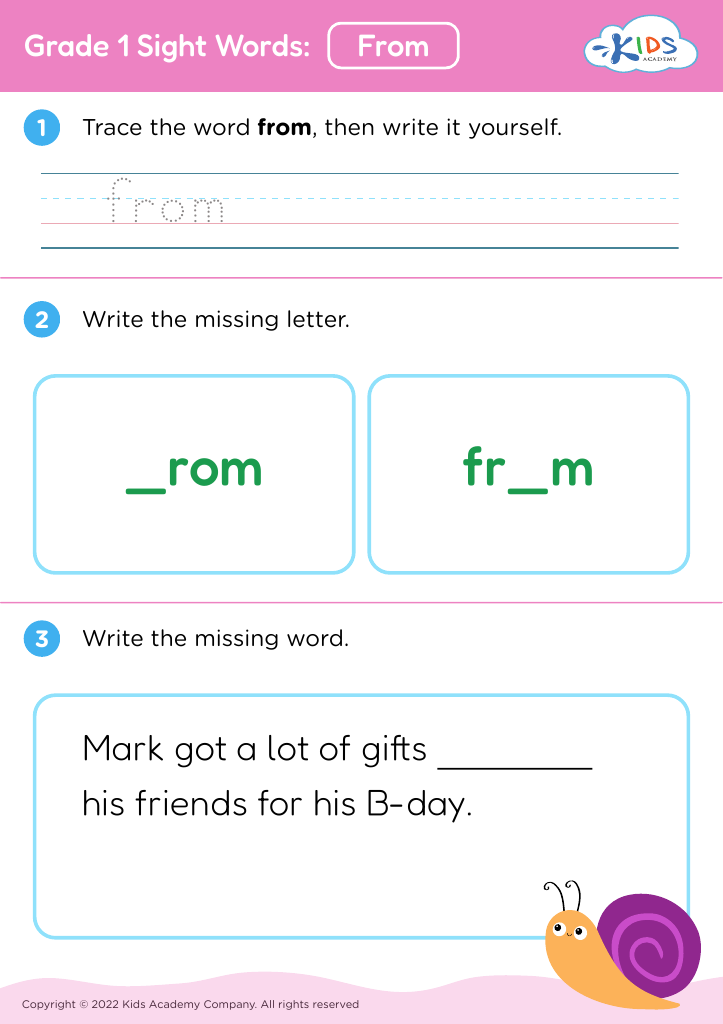
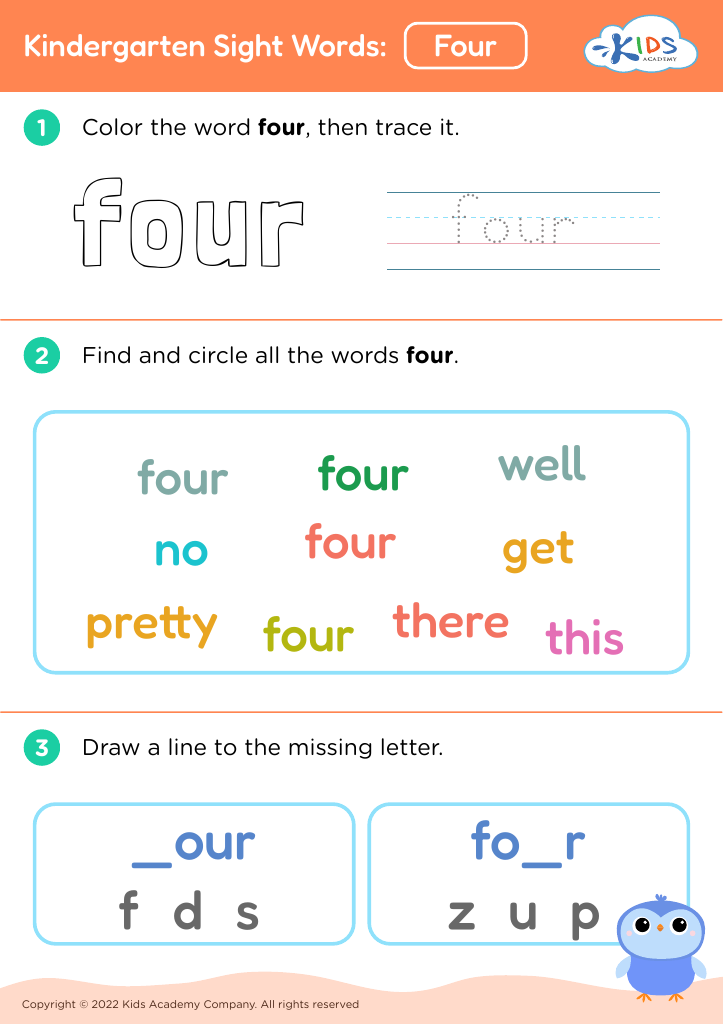
Unlock your child's potential with our engaging Problem Solving Building Vocabulary Worksheets designed for ages 4-9! These colorful, interactive worksheets enhance critical thinking and vocabulary acquisition through fun activities and challenges. Kids will explore new words while developing essential problem-solving skills that are pivotal at this age. Perfect for both classroom and home learning, our resources make vocabulary building enjoyable and effective. Fostering a love for language and learning, these worksheets empower young learners to communicate confidently. Get started today and watch your child thrive in their educational journey with our comprehensive vocabulary-building tools!
Favorites
With answer key
Interactive











Join Kids Academy for Free
Who is primarily going to use this learning content?


.jpg)





Problem-solving skills and building vocabulary are crucial for children aged 4 to 9, as these are foundational elements in their cognitive and social development. When parents and teachers prioritize problem-solving, they help children learn to approach challenges methodically, an essential skill for academic success and everyday life. Engaging in problem-solving activities fosters critical thinking, encourages creativity, and builds resilience, allowing children to navigate obstacles with confidence.
Simultaneously, developing vocabulary during these formative years is vital. Words are the building blocks of communication, and a rich vocabulary enhances a child's ability to express thoughts, emotions, and ideas effectively. When children can articulate their feelings and experiences, they develop stronger interpersonal skills, improving their social interactions and relationships.
Together, strong problem-solving abilities and an extensive vocabulary create well-rounded learners who can understand complex concepts and communicate effectively. This not only boosts performance in school but also prepares children for future academic challenges. Therefore, parents and teachers should actively support activities that hone these skills, ensuring that children are equipped for success both in and out of the classroom, fostering a generation of thoughtful, articulate problem solvers.








