
Recognizing numbers Building Vocabulary Worksheets for Ages 4-9
3 filtered results
Difficulty Level
Grade
Age
-
From - To
Subject
Activity
Standards
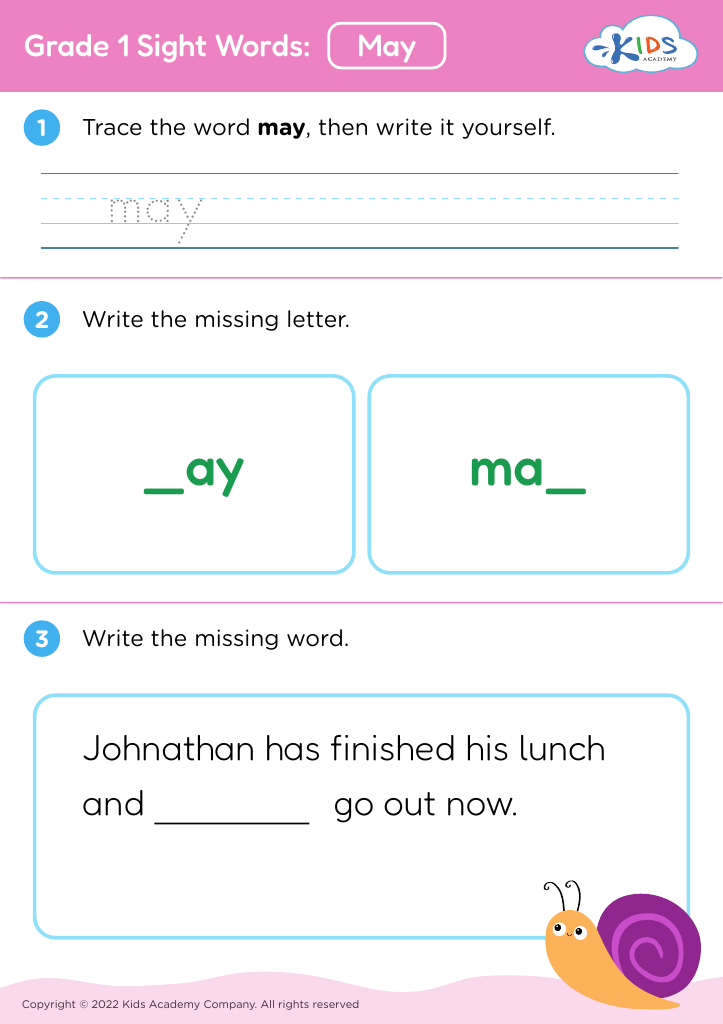
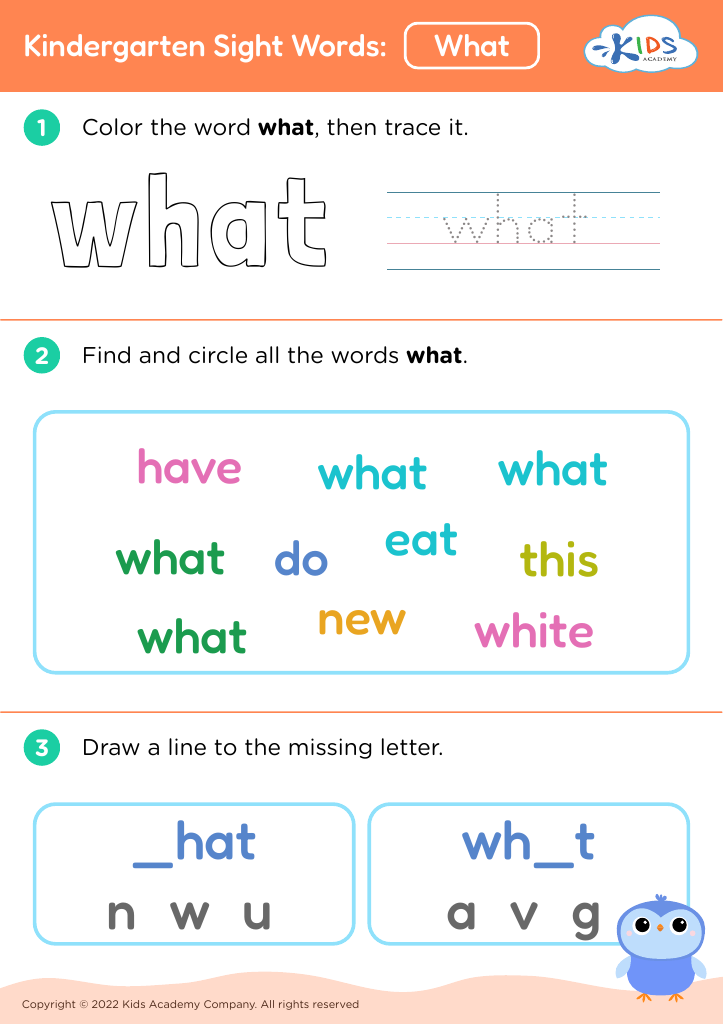
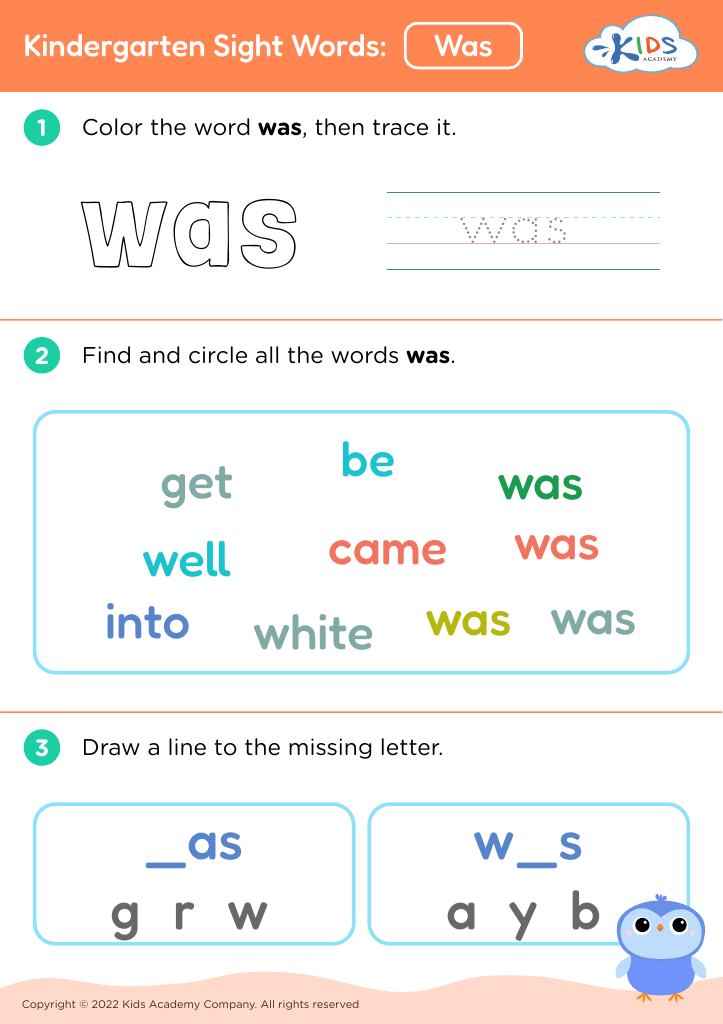
Enhance your child's learning with our "Recognizing Numbers Building Vocabulary Worksheets" designed for ages 4-9. These engaging worksheets combine foundational number recognition with vocabulary development, supporting your child's cognitive growth and language skills. Through fun and interactive activities, kids will practice identifying numbers while expanding their vocabulary, allowing for a comprehensive learning experience. Ideal for both at-home and classroom settings, our worksheets cater to various learning styles, promoting both independent and collaborative learning. Help your little ones gain confidence in their math abilities while enriching their language skills. Explore our resource today and make learning an enjoyable adventure!
Favorites
With answer key
Interactive











Join Kids Academy for Free
Who is primarily going to use this learning content?



.jpg)




Recognizing numbers and building vocabulary are foundational skills in early childhood education that significantly contribute to a child's overall development. For ages 4-9, these skills set the stage for academic success and lifelong learning.
Recognizing numbers is crucial as it forms the basis for mathematical understanding. Early exposure to numbers helps children develop numeracy skills, which are essential not only in math but in everyday life, such as telling time, budgeting, and measuring. Additionally, a strong foundation in number recognition fosters problem-solving abilities and logical reasoning.
Building vocabulary is equally important. A rich vocabulary allows children to express themselves clearly and understand spoken and written language better. Age-appropriate vocabulary development enhances reading comprehension, communication skills, and cognitive abilities. It encourages a love for reading, expands a child’s ability to engage with their environment, and improves social interactions.
Parents and teachers play a vital role in these areas through interactive activities like games, storytelling, and discussions. Fostering both number recognition and vocabulary helps create well-rounded, confident learners. Investing time in these skills will not only benefit children academically but also enhance their social and emotional development. Ultimately, it equips them for success in school and beyond.








