Recognizing Patterns Building Vocabulary Worksheets for Ages 4-9
5 filtered results
-
From - To
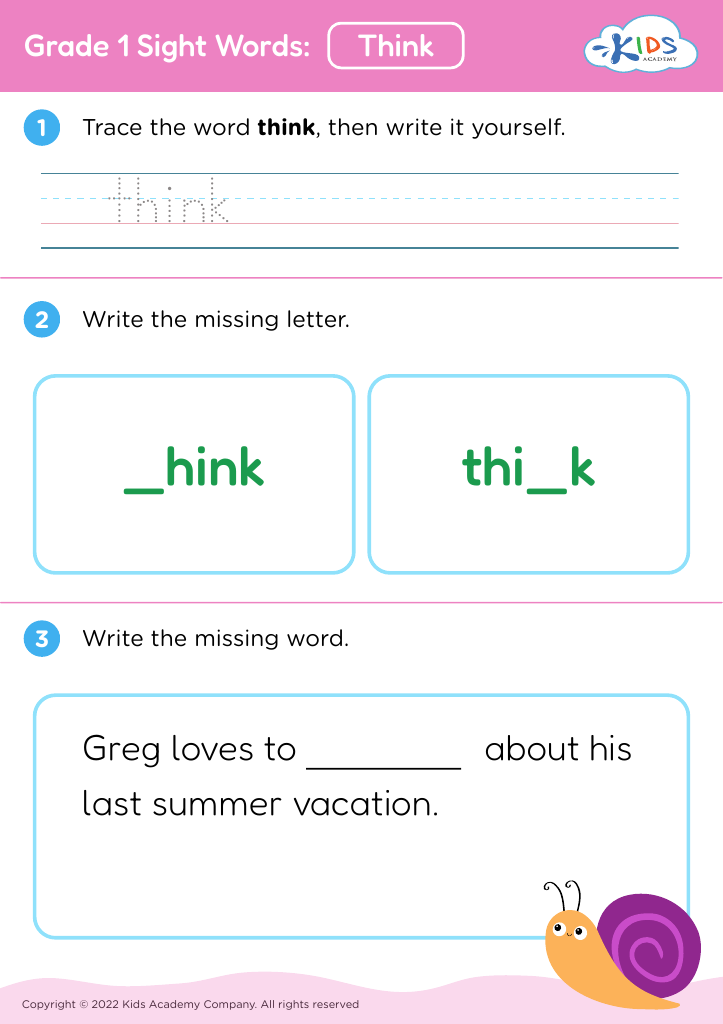
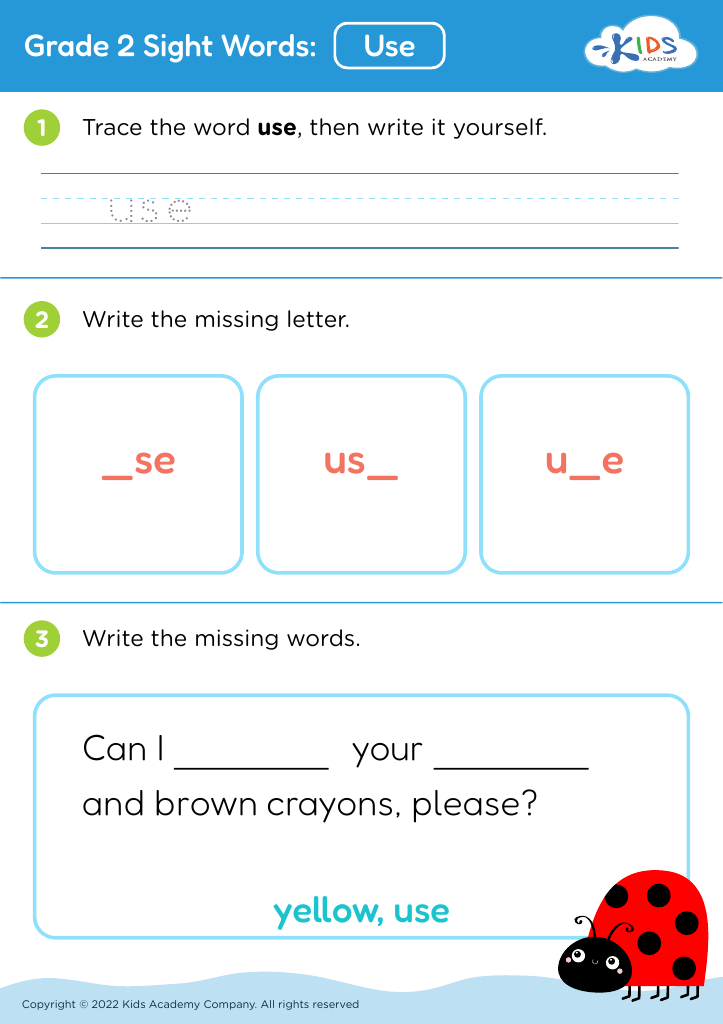
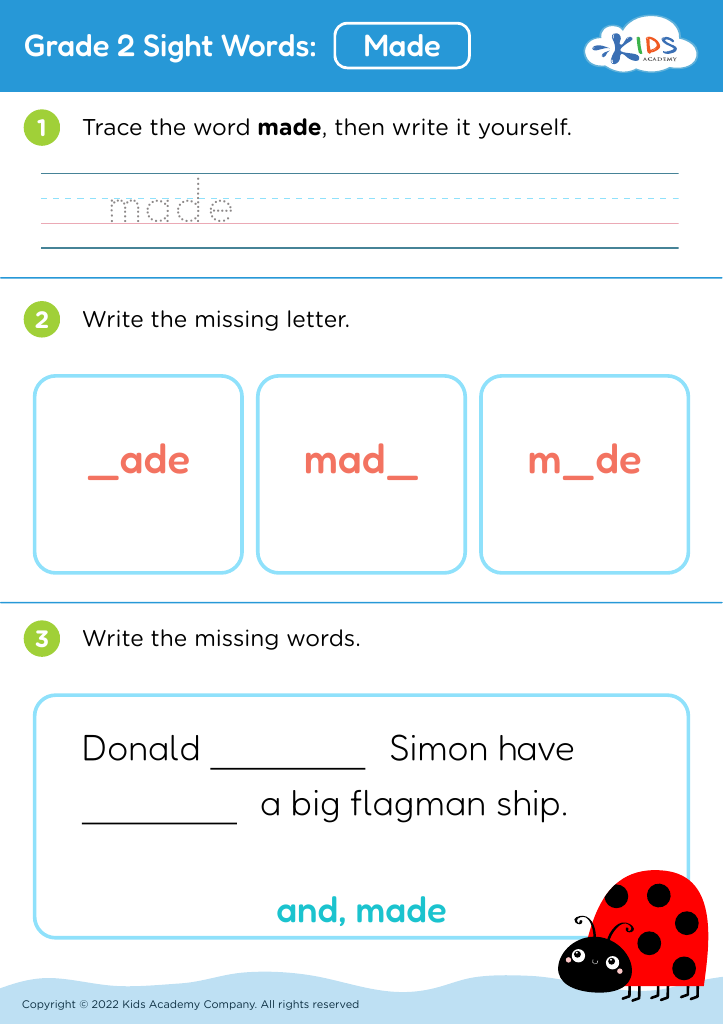
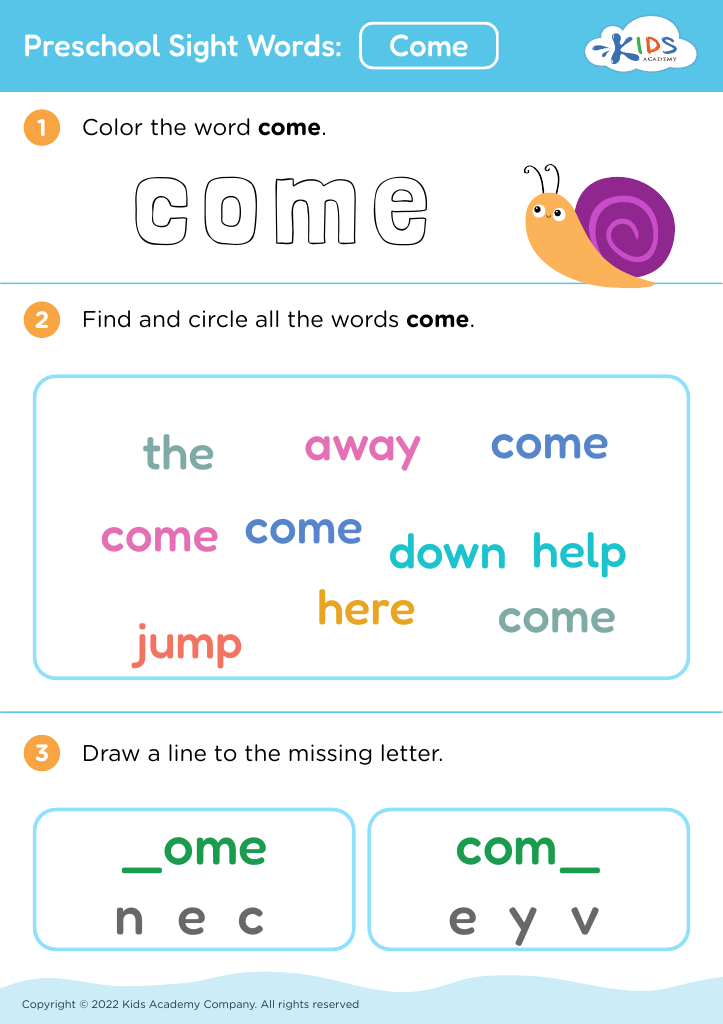
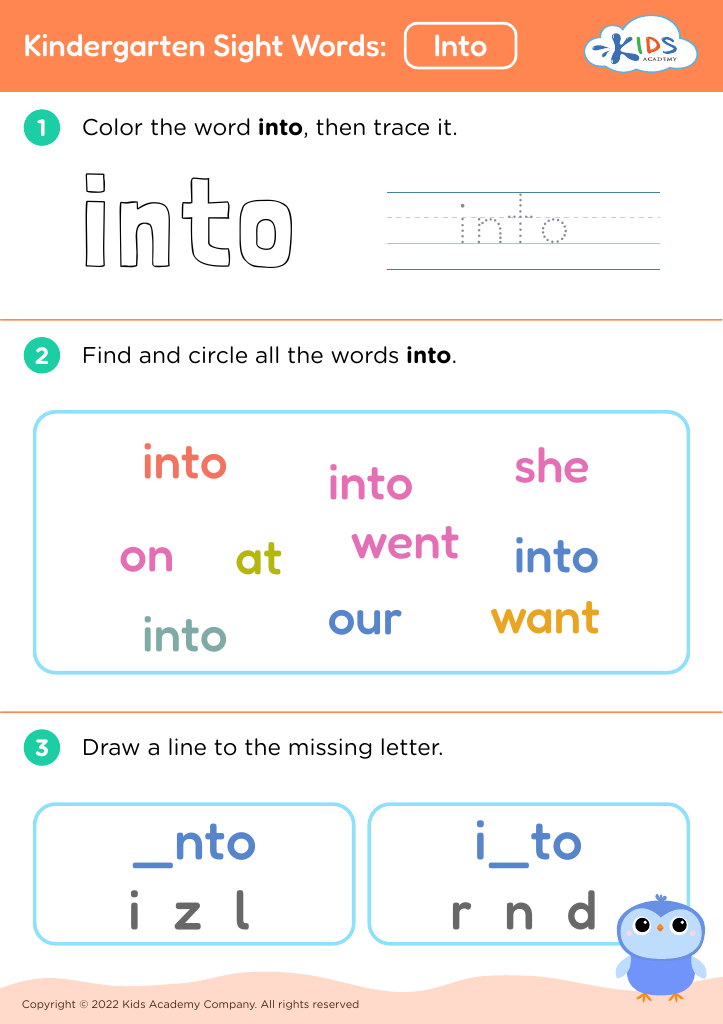
Welcome to our "Recognizing Patterns Building Vocabulary Worksheets" designed for children ages 4-9! These engaging and interactive worksheets aim to enhance young learners' vocabulary by helping them identify and understand patterns in letters, words, and sentences. As children work through various exercises, they’ll build essential reading and language skills, fostering a strong foundation for future learning. Our carefully crafted activities encourage critical thinking, promote creativity, and make learning fun! Explore our collection of worksheets to support your child’s vocabulary development and unlock their potential through the power of pattern recognition. Perfect for home or classroom use!

















.jpg)

Recognizing patterns and building vocabulary are fundamental skills that significantly impact a child's cognitive and linguistic development between the ages of 4 and 9. These crucial skills form the foundation of critical thinking and communication, fostering a child’s ability to analyze their environment and express their thoughts clearly.
Recognizing patterns helps children make sense of their world, whether through mathematics, reading, or in daily activities. It develops their ability to identify similarities, sequences, and relationships, which are essential for problem-solving and logical reasoning. As children learn to recognize patterns, they grow more confident in their analytical skills, leading to improved performance in various subjects.
Building vocabulary during these formative years enhances children's communication, comprehension, and social skills. A rich vocabulary enables them to articulate their ideas, understand complex texts, and engage meaningfully with their peers and adults. This, in turn, supports literacy development and academic achievement.
For teachers and parents, supporting these skills through engaging activities, games, and conversations is crucial. By prioritizing pattern recognition and vocabulary building, they empower children to thrive academically and socially, laying a strong foundation for lifelong learning and success.








