
Understanding patterns Building Vocabulary Worksheets for Ages 4-9
8 filtered results
Difficulty Level
Grade
Age
-
From - To
Subject
Activity
Standards
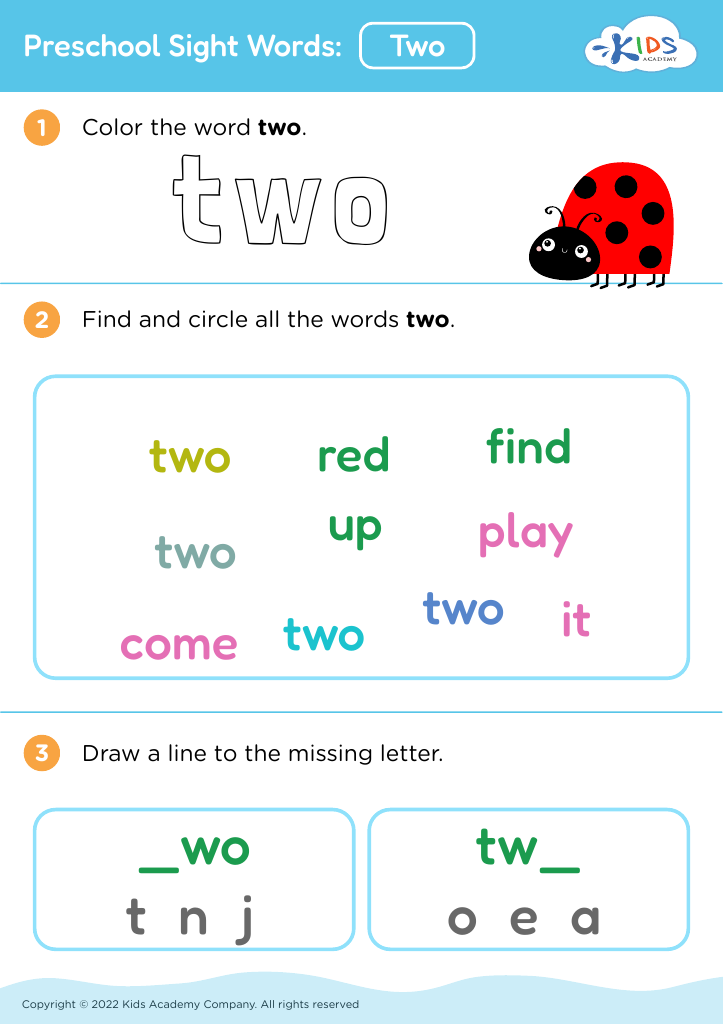
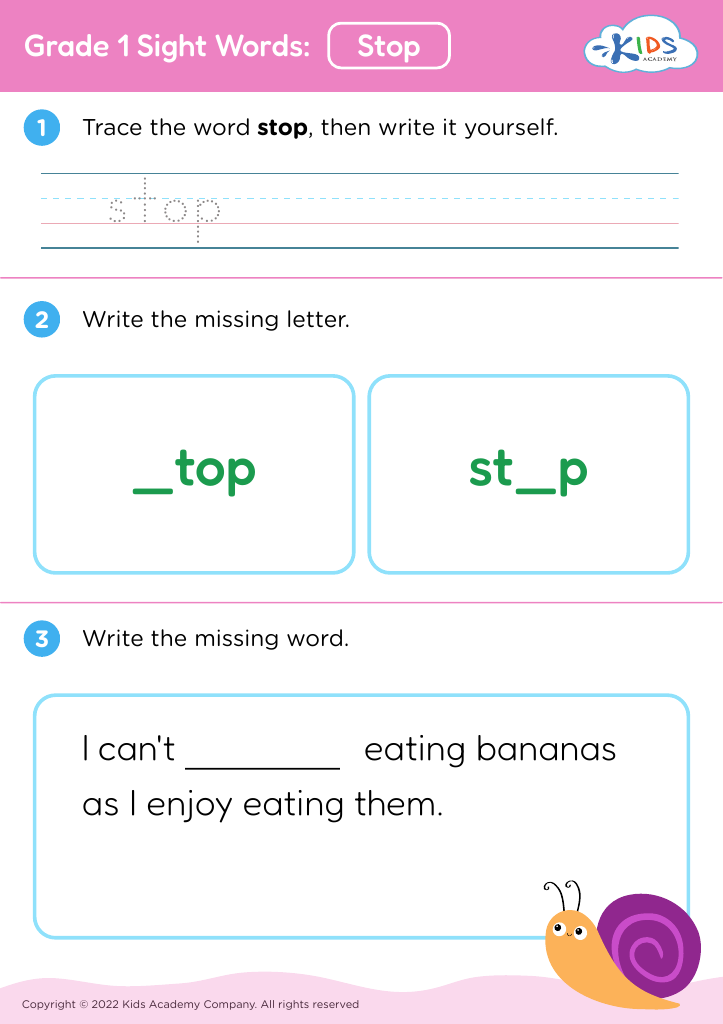
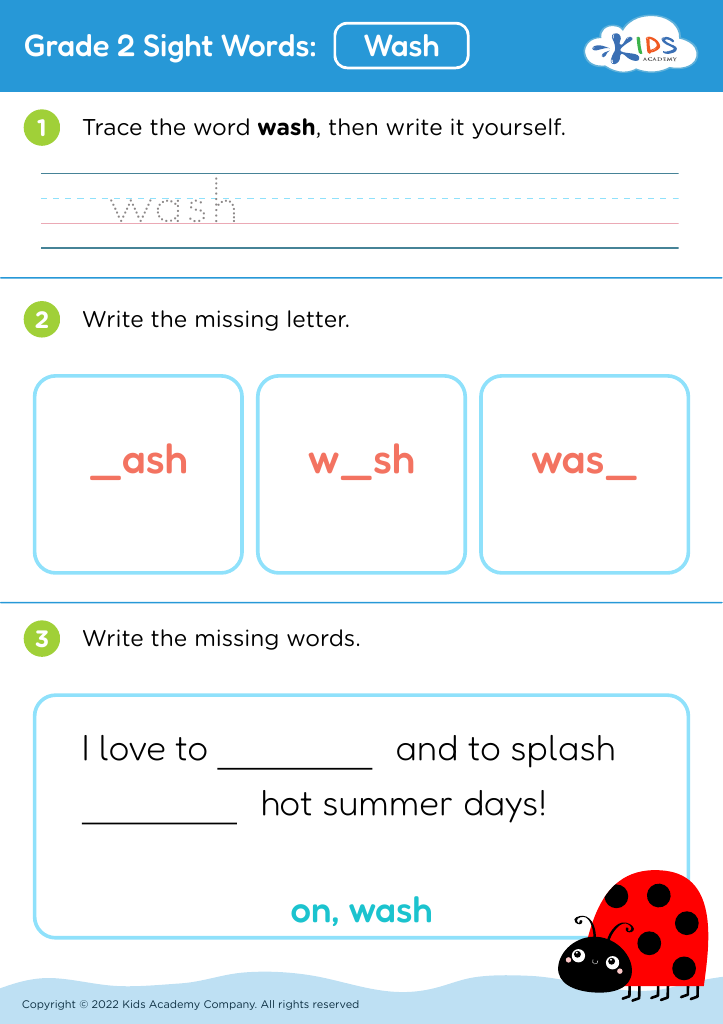
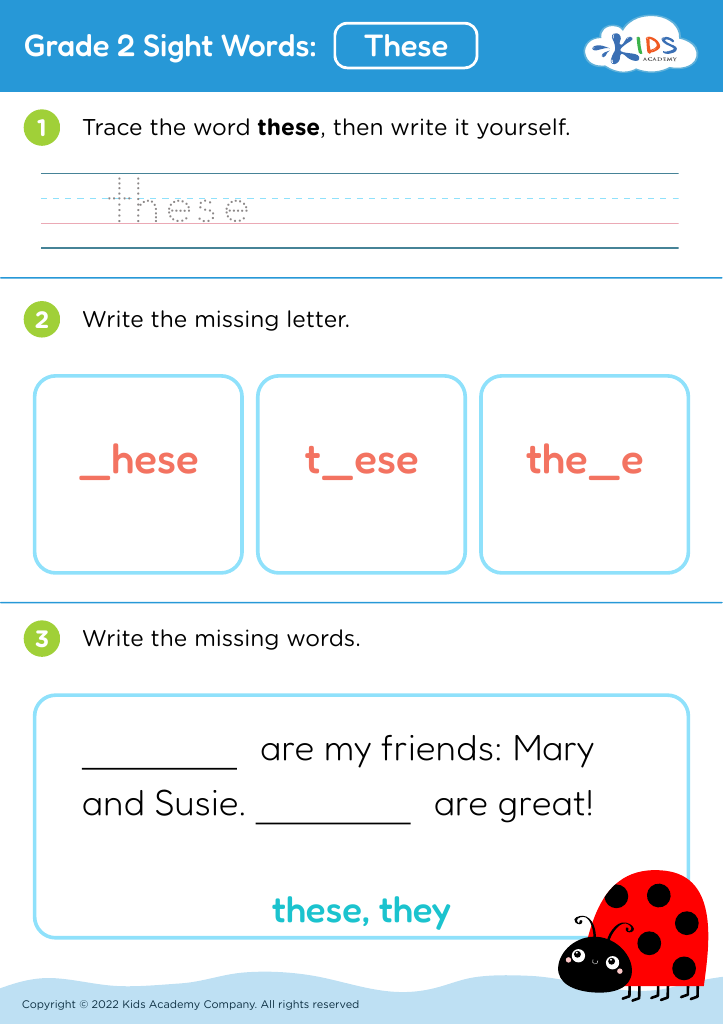
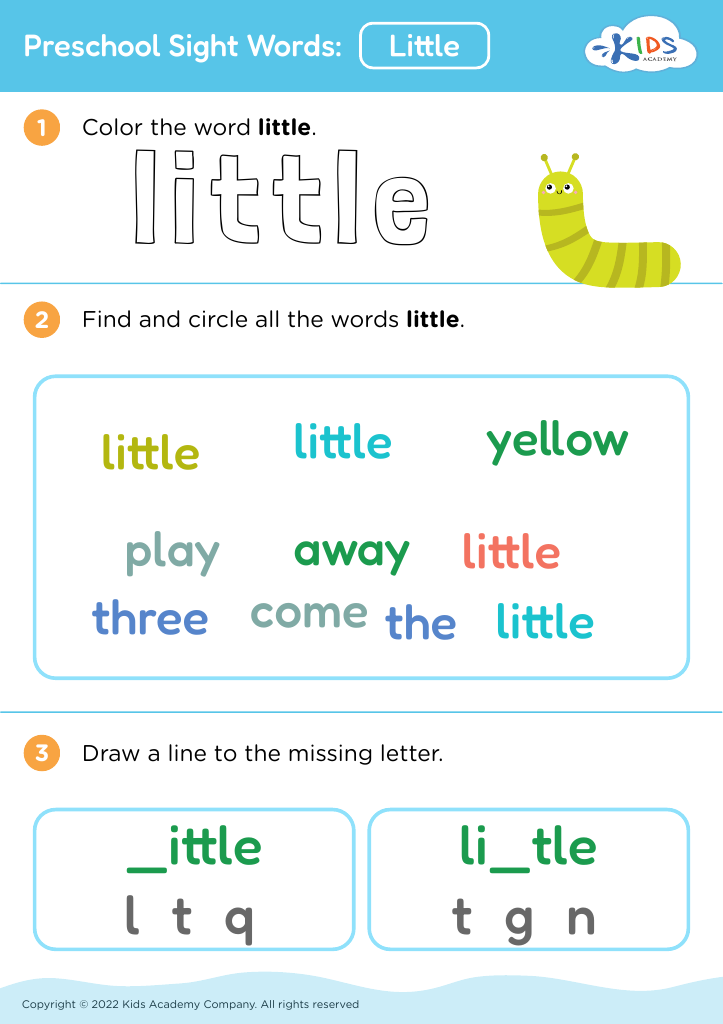
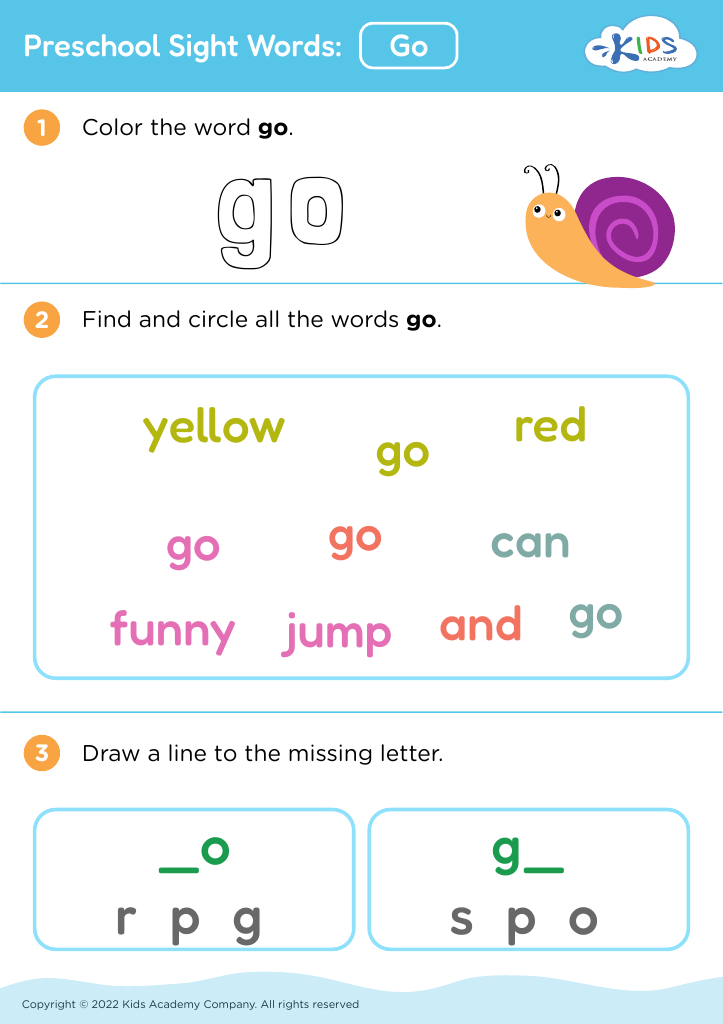
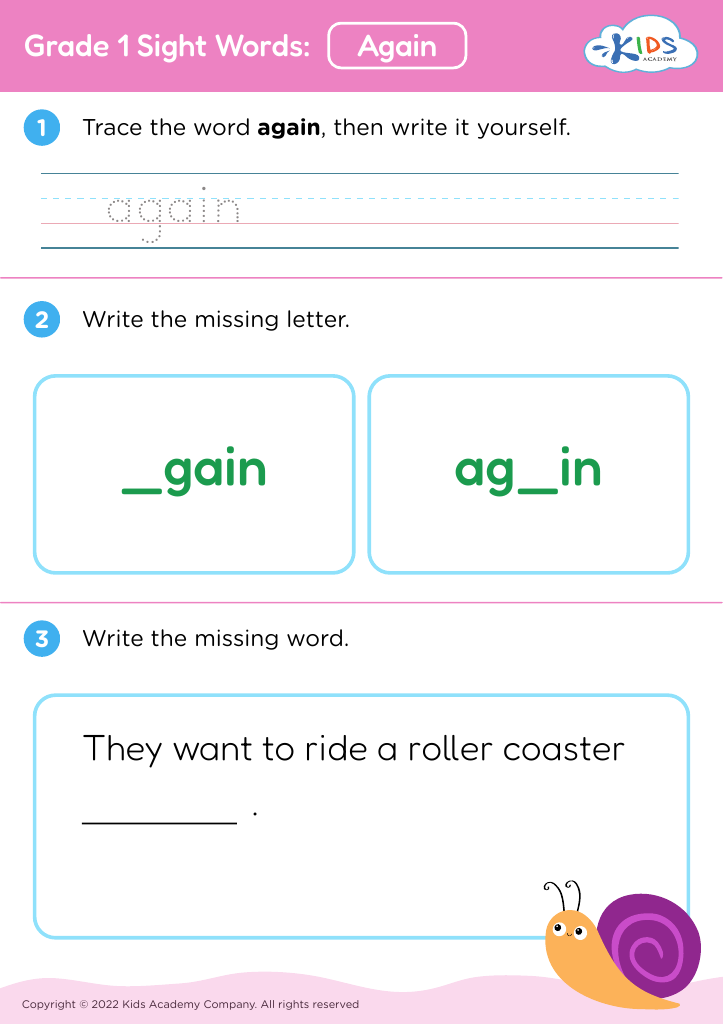
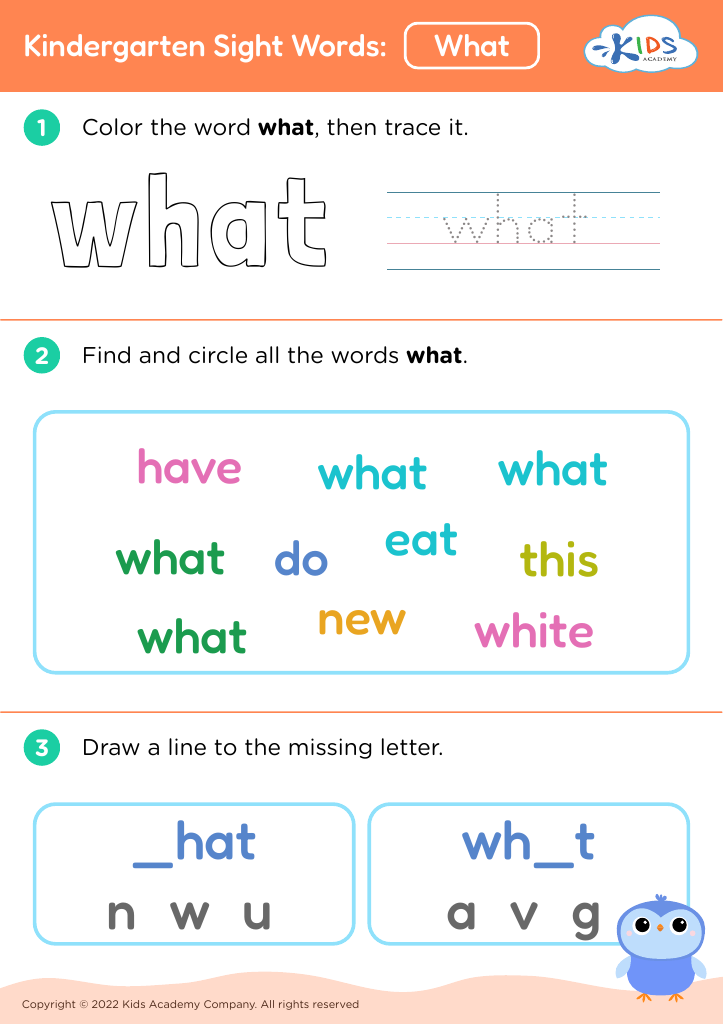
Discover "Understanding Patterns: Building Vocabulary Worksheets for Ages 4-9," the perfect resource to enhance your child's language skills. Designed specifically for early learners, these engaging worksheets focus on recognizing and creating patterns while enriching their vocabulary. Through fun and interactive activities, children will develop essential reading comprehension and critical thinking abilities. Suitable for ages 4-9, our worksheets offer a variety of exercises to keep young minds captivated and learning. Perfect for both classroom and home use, help your child build a strong foundation in vocabulary and understanding patterns with Kids Academy's expertly crafted worksheets.
Favorites
With answer key
Interactive











Join Kids Academy for Free
Who is primarily going to use this learning content?








Understanding patterns and building vocabulary are foundational elements in early childhood development, crucial for both cognitive and linguistic growth. At ages 4-9, children are rapidly developing their brain connections and setting the stage for future learning. Patterns help children understand and predict sequences, enhancing their problem-solving skills and mathematical reasoning. This early mastery in recognizing patterns translates into better comprehension in subjects like math, science, and even reading, where understanding sequences and organizing information is vital.
Building vocabulary during these years is equally essential. A rich vocabulary allows children to express their thoughts, emotions, and needs more precisely. It enhances their ability to follow instructions, engage in conversations, and understand stories, fostering better social interactions and academic success. A strong vocabulary forms the basis for effective reading skills, as it improves comprehension and fluency, making learning more enjoyable and less frustrating. Children who build their vocabulary early tend to perform better in school and exhibit greater confidence and curiosity in learning.
Parents and teachers should focus on these areas to provide a strong educational foundation, stimulating a child’s intellectual curiosity and setting them up for long-term academic and personal growth. Investing time in these key developmental aspects prepares children to tackle more complex challenges in later years.








