Coloring skills Reading Worksheets for Ages 4-9
6 filtered results
-
From - To
Boost your child's literacy journey with our engaging Coloring Skills Reading Worksheets, designed specifically for ages 4-9! These fun, printable activities combine vibrant coloring exercises with essential reading skills, helping young learners develop vocabulary, comprehension, and focus. Each worksheet encourages creativity while introducing foundational literacy concepts—including letter recognition and word association. Perfect for home or classroom use, our resources promote fine motor skills and artistic expression, making learning enjoyable. With a variety of themes and topics to explore, your child will delight in coloring while enhancing their reading abilities. Start their colorful learning adventure today!
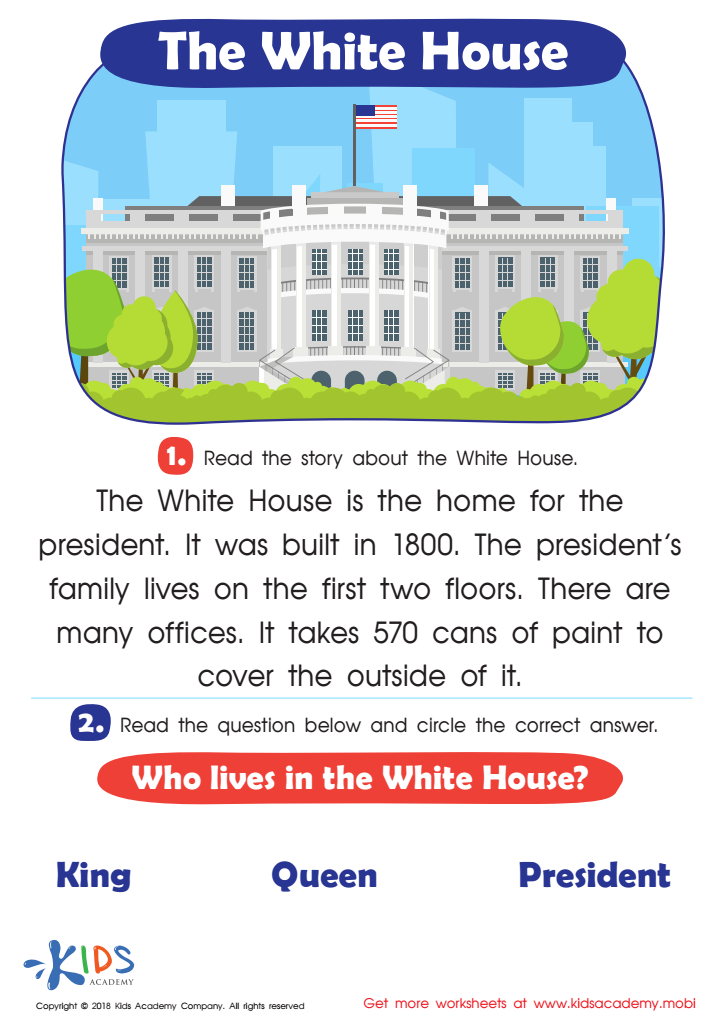
White House Worksheet
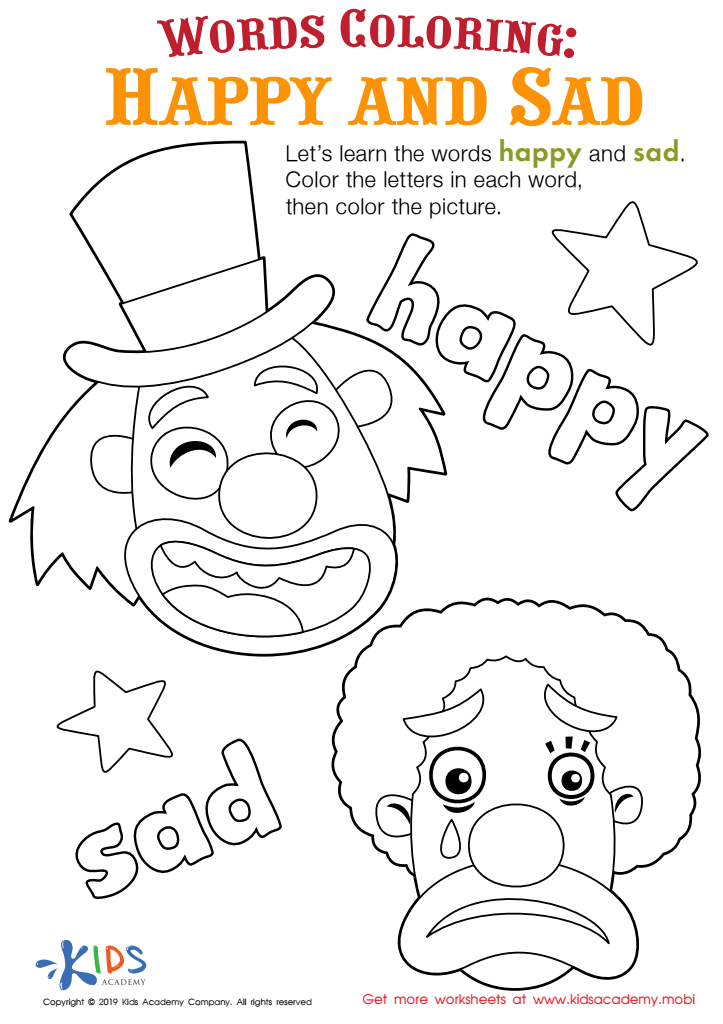
Happy and Sad Words Coloring Worksheet
 Assign to My Students
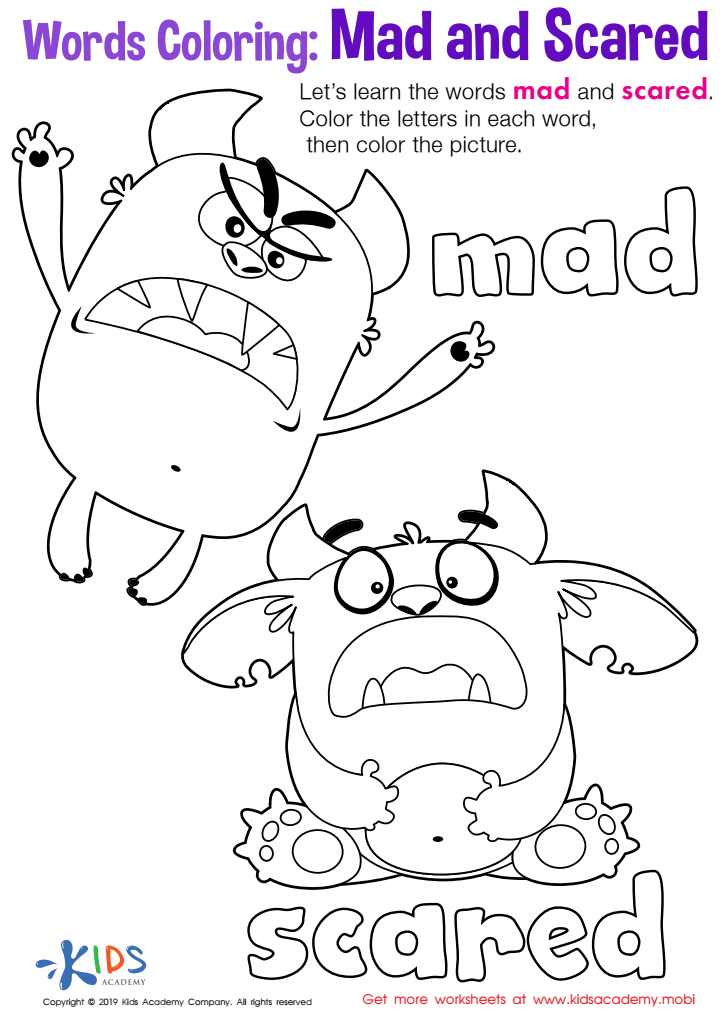
Mad and Scared Words Coloring Worksheet
Assign to My Students
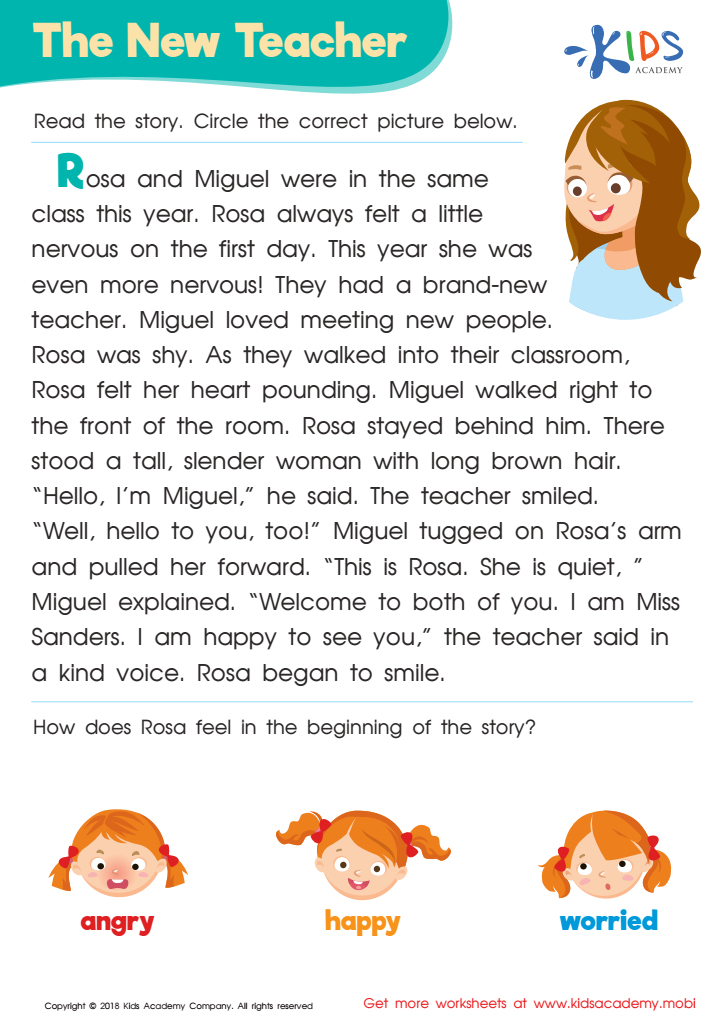
The New Teacher Worksheet
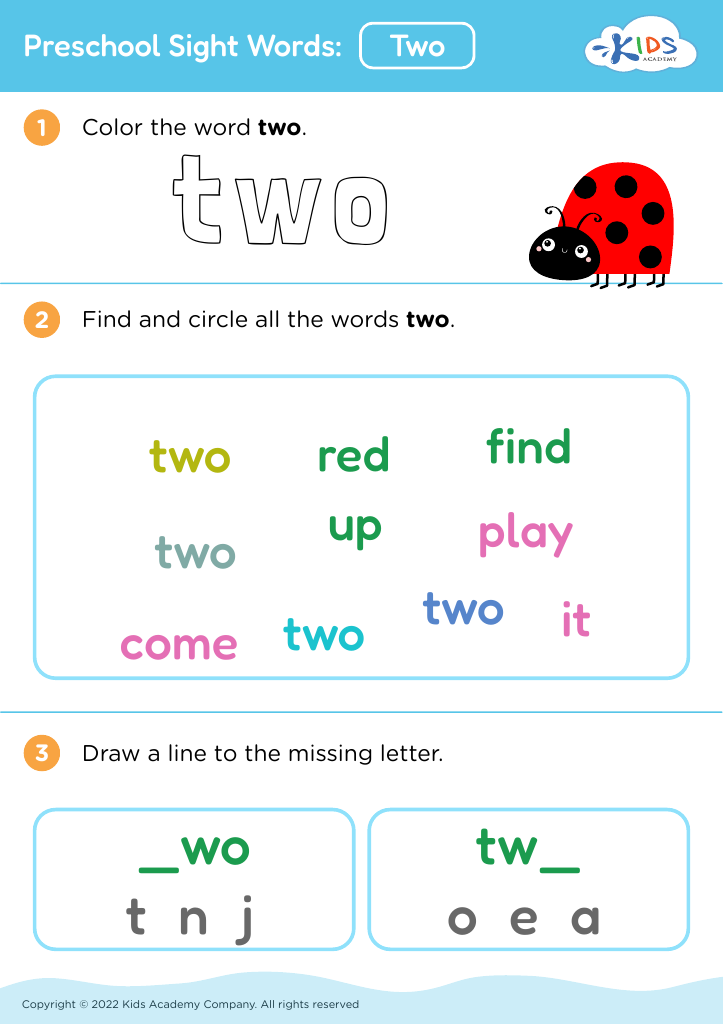
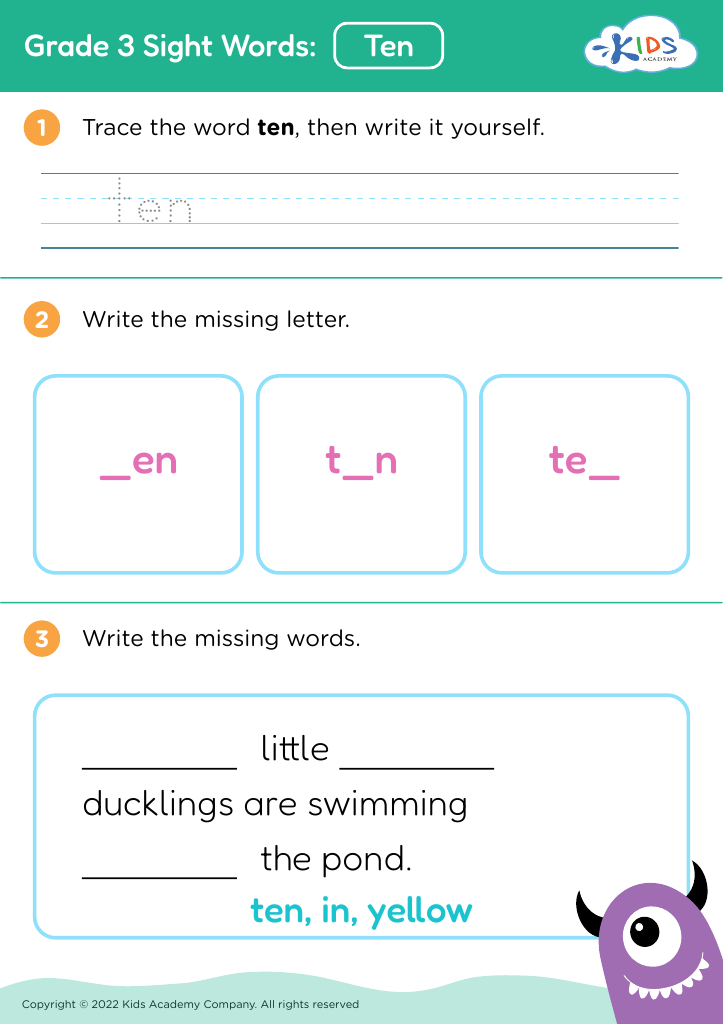








Coloring skills play a crucial role in the development of young children aged 4 to 9, and it is essential for parents and teachers to recognize their importance. Firstly, coloring helps children develop fine motor skills, which are vital for tasks such as writing and self-care. When children grip crayons or markers, they enhance their hand-eye coordination and dexterity.
Moreover, coloring can improve cognitive and creative abilities. Selecting colors, understanding shapes, and imagining different creations can foster critical thinking and imaginative play. This creative process is often linked with emotional expression, as children can convey their feelings and ideas visually.
In terms of literacy, coloring activities can support reading skills indirectly. As children engage in coloring books featuring letters, words, or stories, they can enhance their understanding of letters and shapes while building vocabulary. Interactive coloring sessions allow for storytelling opportunities, promoting listening skills and narrative comprehension.
Lastly, nurturing coloring skills boosts confidence and self-esteem as children complete their artwork. Parental and teacher encouragement play a fundamental role in this development, making it essential for adults involved in children's education and upbringing to prioritize these skills. In doing so, they contribute to children’s holistic growth and lay a strong foundation for future learning.








