Comparing quantities Reading Worksheets for Ages 4-9
3 filtered results
-
From - To
Discover an engaging collection of "Comparing Quantities" reading worksheets designed specifically for children ages 4-9. These worksheets help young learners develop essential reading and comprehension skills while introducing them to the concept of comparing quantities. Through fun activities and colorful illustrations, kids will explore how to identify and compare groups, enhancing their understanding of numbers and quantities. Ideal for both classroom use and homeschooling, these resources foster critical thinking and promote interactive learning. Equip your child with the tools to master comparisons in a playful and educational way. Start the journey toward mathematical confidence today!
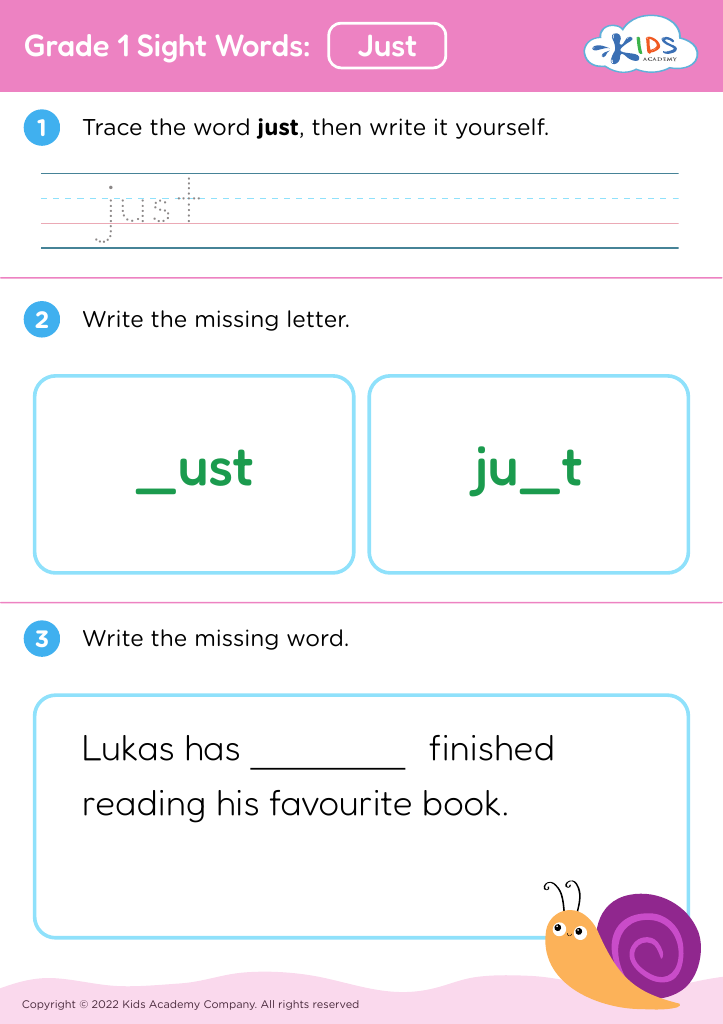
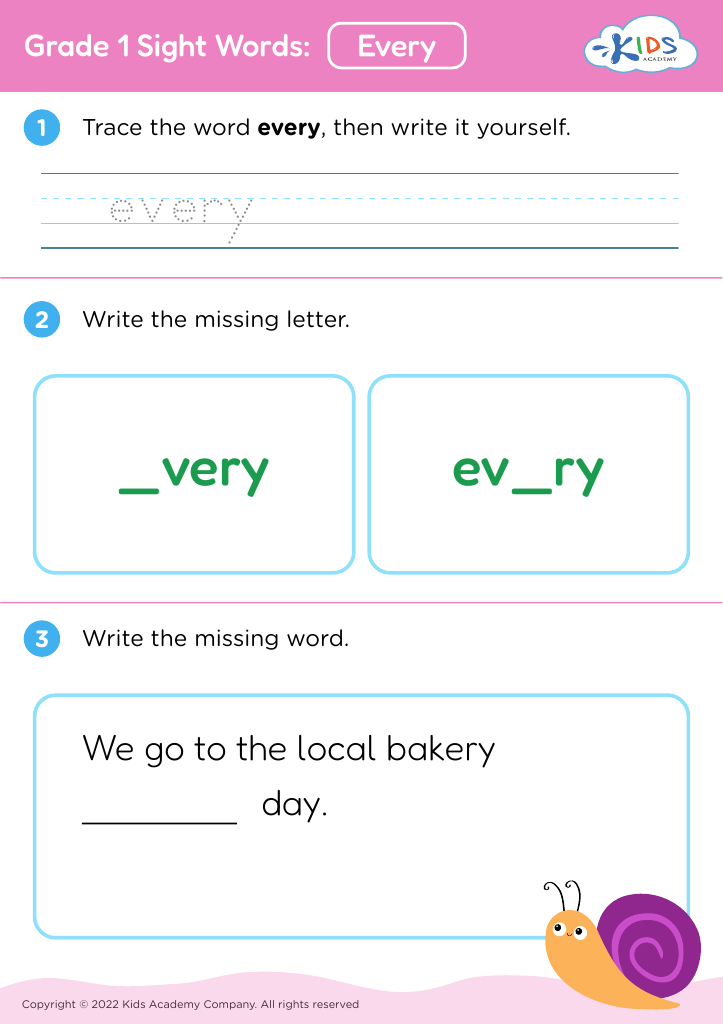
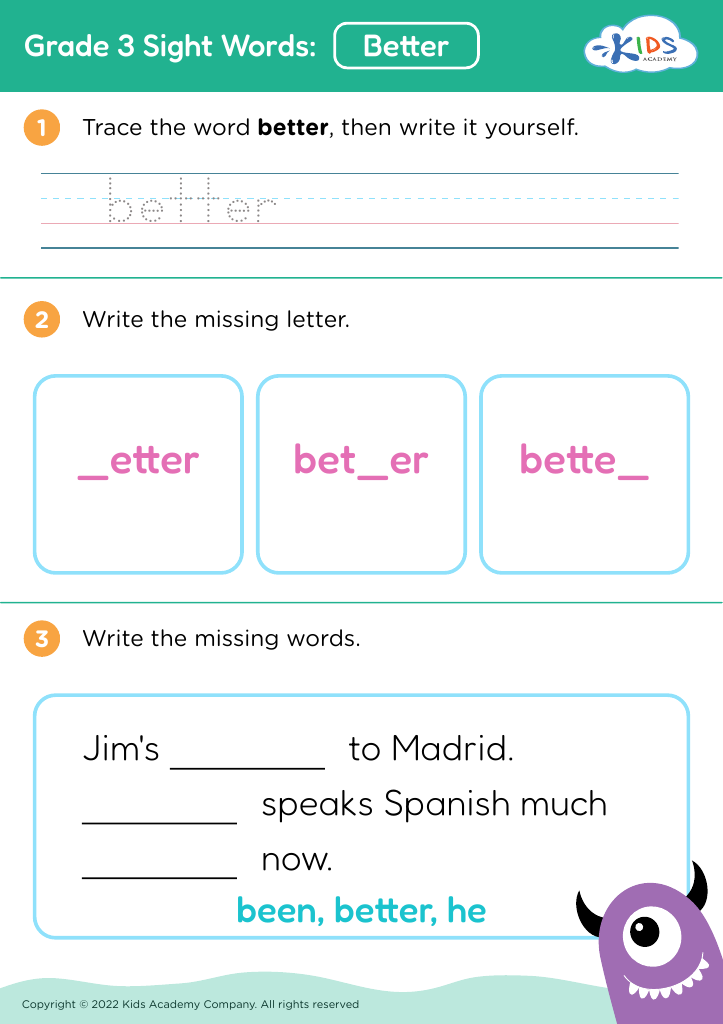








Comparing quantities is a foundational skill for young children, and parents and teachers play a crucial role in fostering this ability within children aged 4-9. Understanding how to compare quantities sets the stage for future mathematical concepts, such as addition, subtraction, and more complex problem-solving skills. It encourages logical reasoning, critical thinking, and the ability to make connections between concepts and contexts, all of which are vital for overall cognitive development.
Furthermore, engaging with reading materials that focus on comparing quantities cultivates literacy skills too. By exploring storylines that involve comparisons—like 'more than,' 'less than,' or 'equal to'—children enhance both their vocabulary and comprehension abilities. Reading also stimulates curiosity and investment in learning, making it easier for children to understand and apply these concepts in real-life situations.
Lastly, when parents and teachers deliberately include activities centered around comparing quantities, they provide children with interactive, hands-on experiences that make learning enjoyable. These activities not only strengthen foundational math skills but also foster a love for learning, paving the way for future academic success. Therefore, nurturing the ability to compare quantities is vital for holistic child development.








