Improve vocabulary Reading Worksheets for Ages 4-9
5 filtered results
-
From - To
Boost your child’s language skills with our "Improve Vocabulary Reading Worksheets for Ages 4-9" at Kids Academy. These carefully designed worksheets make learning fun and engaging, helping young learners enhance their vocabulary and reading comprehension. Each printable is crafted to cater to preschoolers and early elementary kids, featuring vibrant visuals and interactive activities. Perfect for at-home practice or classroom use, these resources cover diverse topics and vocabulary sets. Empower your child to confidently explore new words and excel in their reading journey, setting a solid foundation for academic success. Explore our collection now to give your child the advantage they deserve.
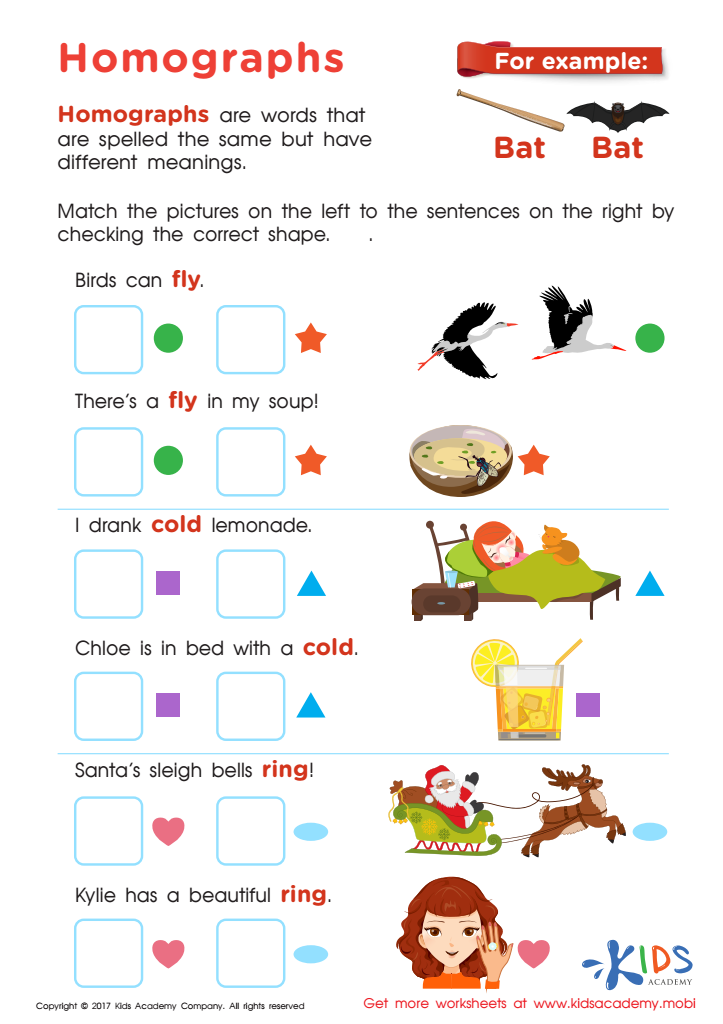
Homographs Free Printable Worksheet
 Assign to My Students
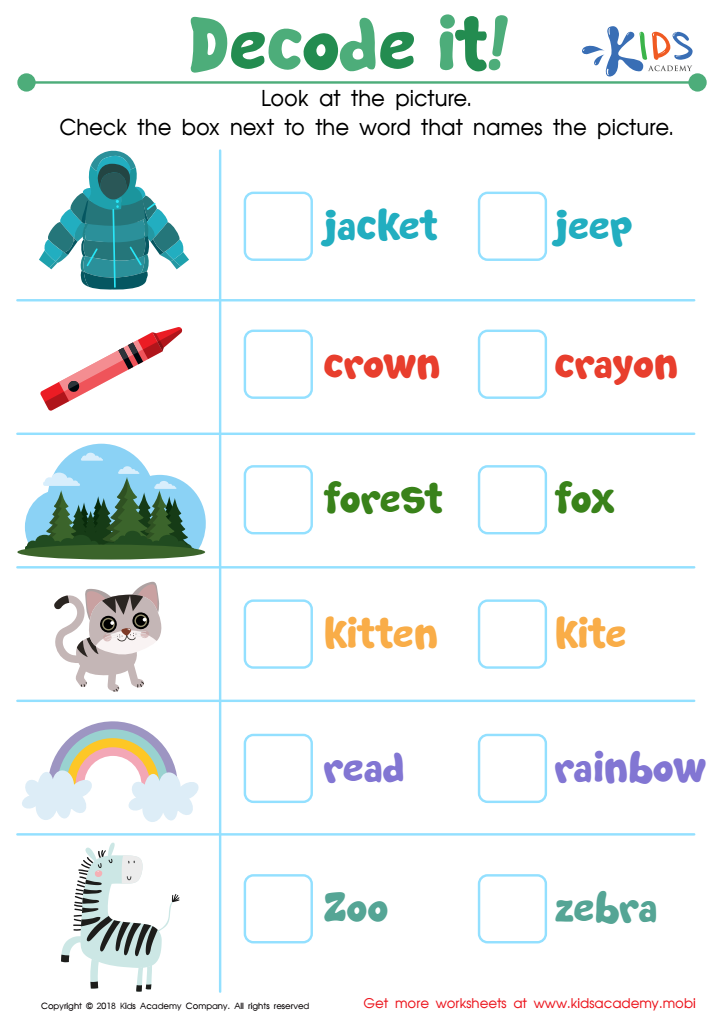
Reading: Decode It Worksheet
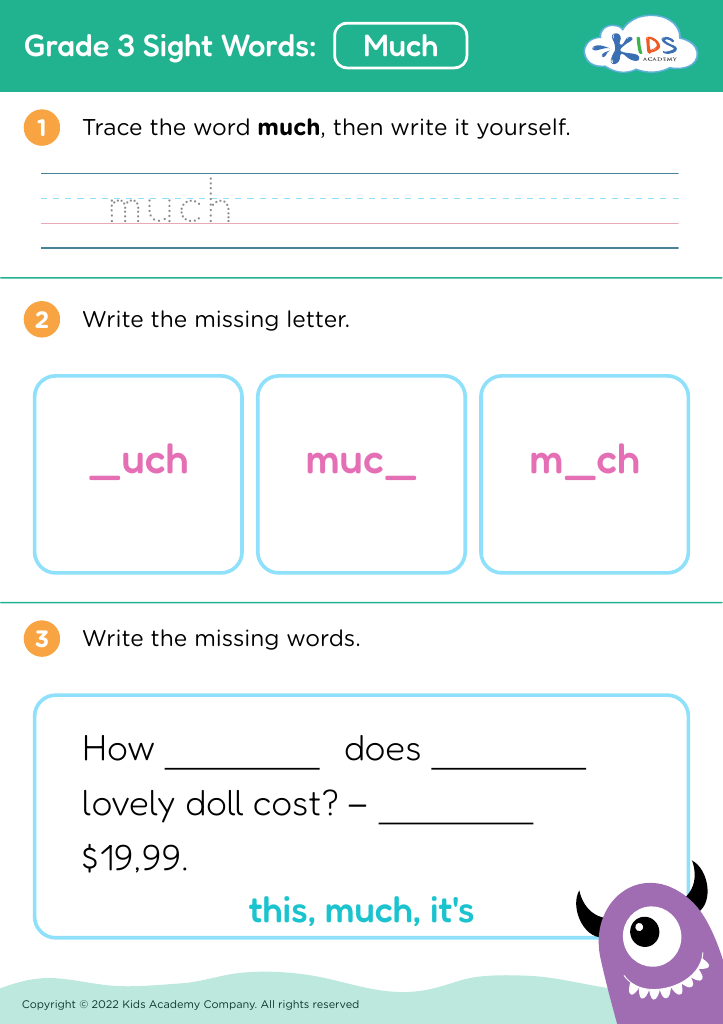
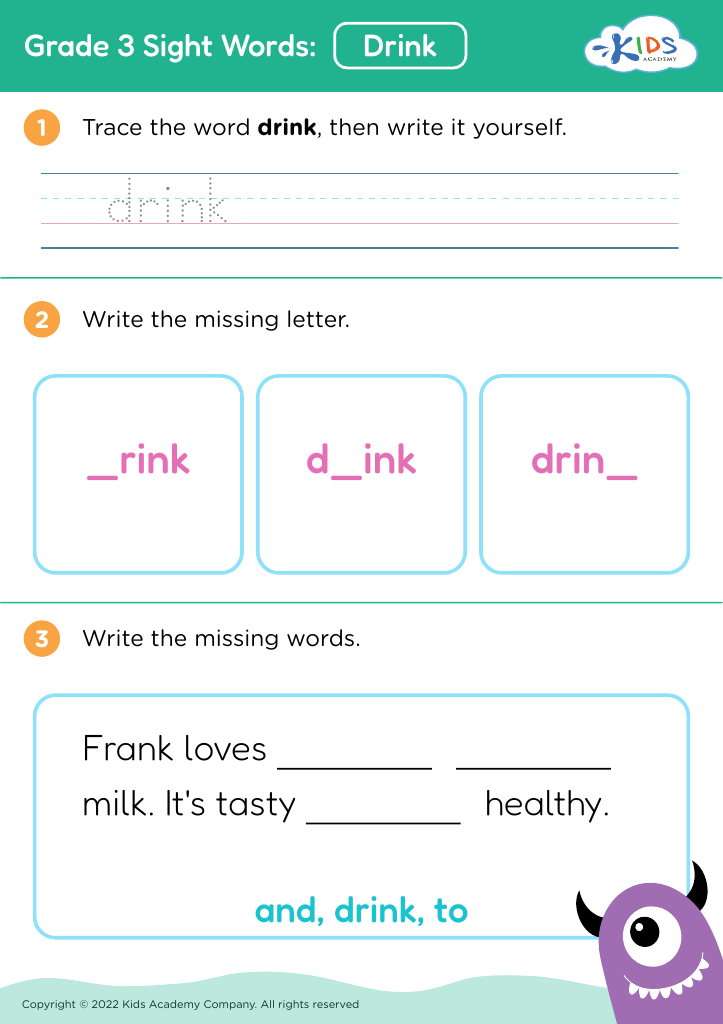
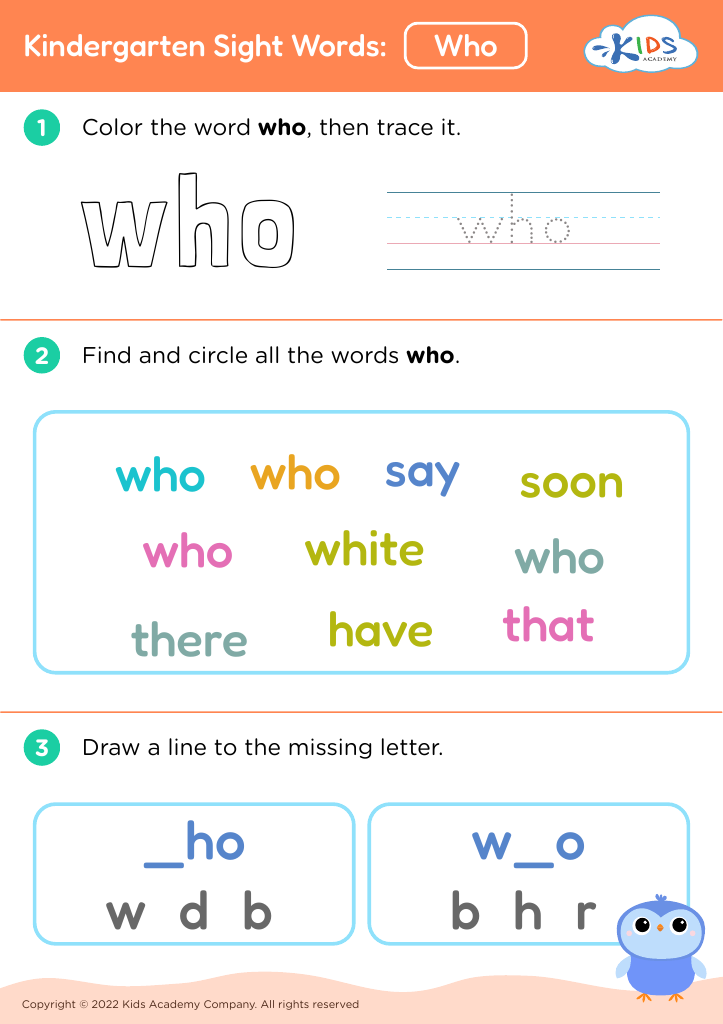








Improving vocabulary in children aged 4-9 is pivotal to their overall language development and academic success. During these formative years, children's brains are highly receptive to new information, making it an ideal time to enhance their vocabulary. A robust vocabulary not only aids reading comprehension but also fosters better communication skills. When children are equipped with a broad range of words, they can express their thoughts, emotions, and ideas more clearly and effectively.
From an academic standpoint, strong vocabulary skills are correlated with higher achievement levels in subjects beyond just language arts, including mathematics and science. These kids find it easier to understand instructions, solve problems, and grasp new concepts. Inconsistent or limited vocabulary skills can lead to struggles in both understanding and conveying information, leading to academic frustration and lower self-esteem.
Moreover, a strong vocabulary enriches a child's social interactions, enabling more engaging and empathetic communication with peers and adults. This social boost can contribute to better relationships and a more positive school experience.
Parents and teachers have significant roles in nurturing a child's vocabulary through activities like reading together, engaging in conversations, and integrating new and interesting words into everyday life. By prioritizing vocabulary improvement during these early years, adults can provide children with essential tools for a lifetime of learning and communicating effectively.








