Practice addition Reading Worksheets for Ages 4-9
3 filtered results
-
From - To
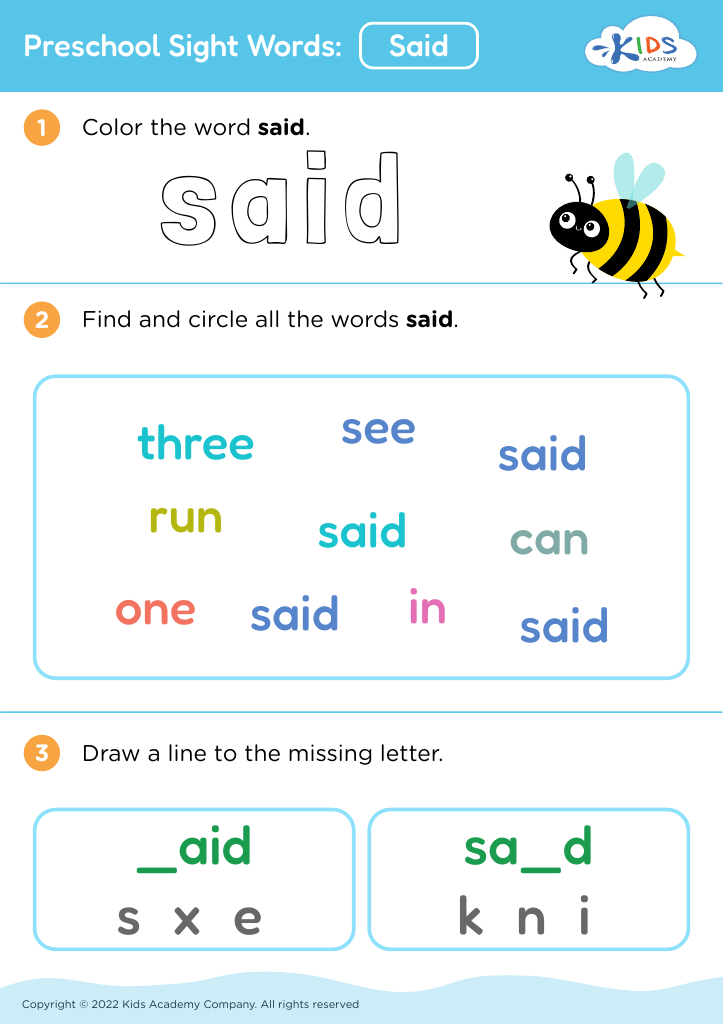
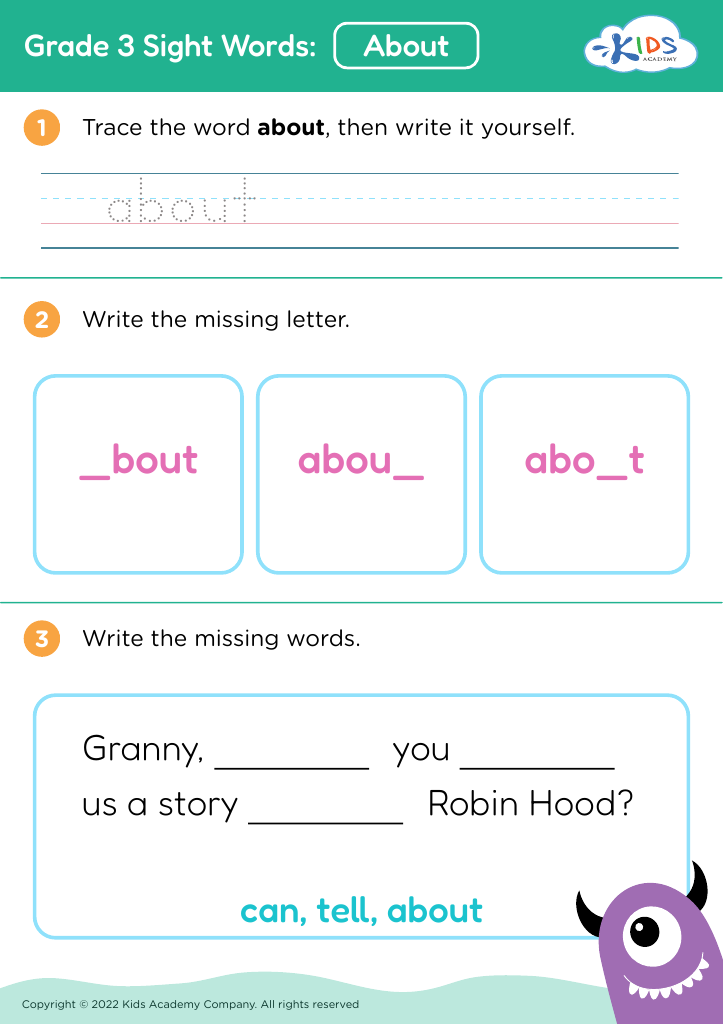
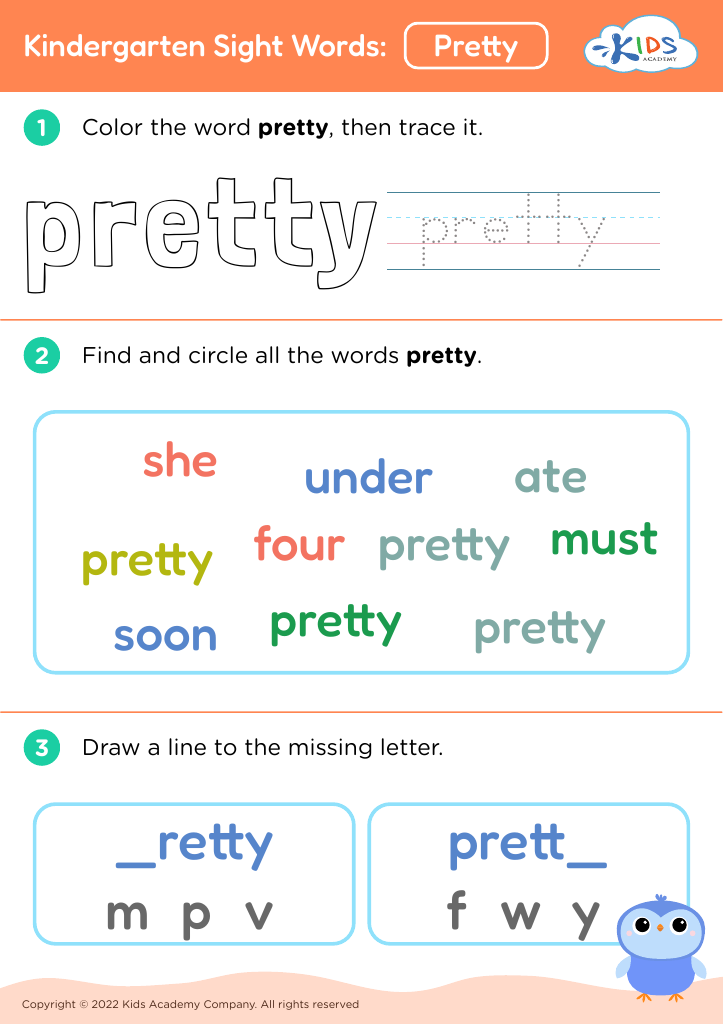
Enhance your child's mathematical journey with our Practice Addition Reading Worksheets tailored for ages 4-9. These engaging worksheets seamlessly blend reading and math skills, fostering a love for learning. Ideal for young learners, the activities boost number sense and arithmetic abilities through fun, interactive exercises. Each worksheet is designed to support cognitive development, critical thinking, and problem-solving skills. Download and print these resources to provide your kids with the fundamental tools needed for academic success. Perfect for classroom use or at-home practice, our worksheets make learning addition enjoyable and effective for children.



.jpg)



Encouraging children aged 4-9 to practice both addition and reading is crucial for their overall development. These early years are vital as kids are at a stage where their brains are most adaptable and able to grasp new concepts easily.
Starting with addition, it builds a strong mathematical foundation. Basic math skills are essential for everyday tasks and future academic subjects. By practicing addition, children enhance their problem-solving abilities, which fosters logical thinking and reasoning. Mastery in maths at an early age boosts their confidence and sets them on a path for academic success.
Reading, on the other hand, is equally important. It expands vocabulary, improves comprehension, and stimulates imagination. Reading helps improve focus and concentration, and exposes children to different cultures, concepts, and ideas. It also enhances their language and communication skills, which are crucial for their overall growth.
By nurturing both these skills simultaneously, parents and teachers are not only supporting the cognitive development of the children but also facilitating the development of a balanced skill set. This balanced approach makes learning enjoyable and engages children in their own educational journey, fostering a lifelong love of learning and curiosity. Thus, prioritizing practice in both areas is an investment in the child's educational and personal growth.








