Problem Solving Reading Worksheets for Ages 4-9
3 filtered results
-
From - To
Unlock your child’s potential with our comprehensive Problem Solving Reading Worksheets, designed specifically for ages 4-9! These engaging resources encourage young learners to enhance critical thinking and comprehension skills through interactive reading activities. Each worksheet features age-appropriate scenarios that challenge children to identify problems and explore solutions while building their vocabulary and understanding of texts. With a variety of colorful and captivating formats, our problem-solving worksheets make learning fun and enjoyable. Perfect for use at home or in the classroom, these worksheets empower children to think independently, fostering confidence and a love for reading. Explore our collection today!
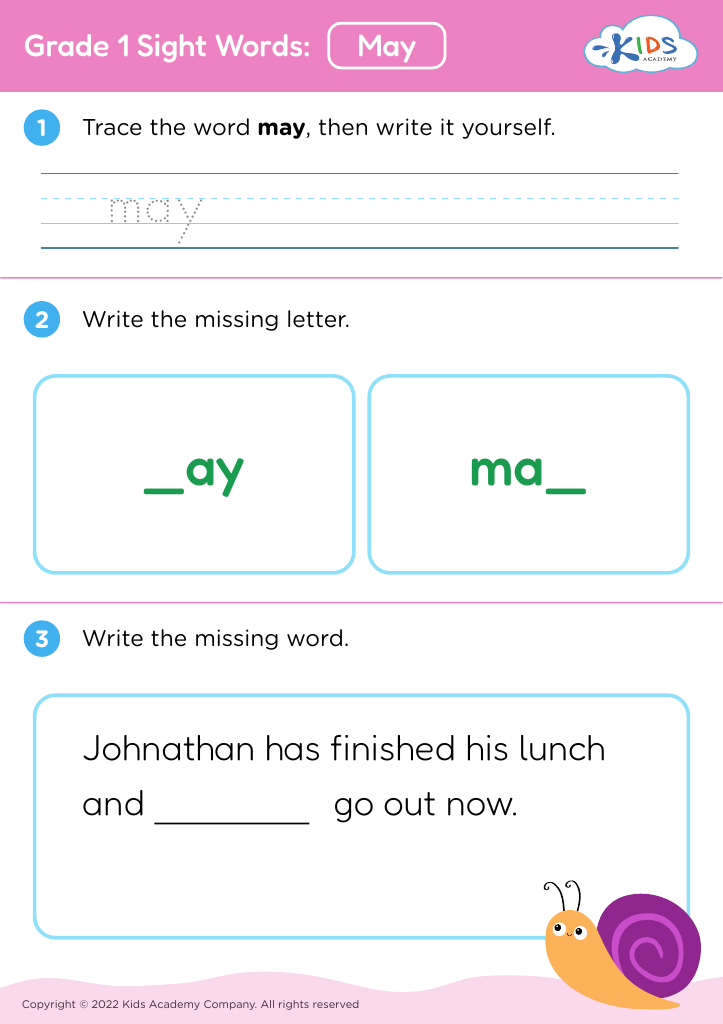
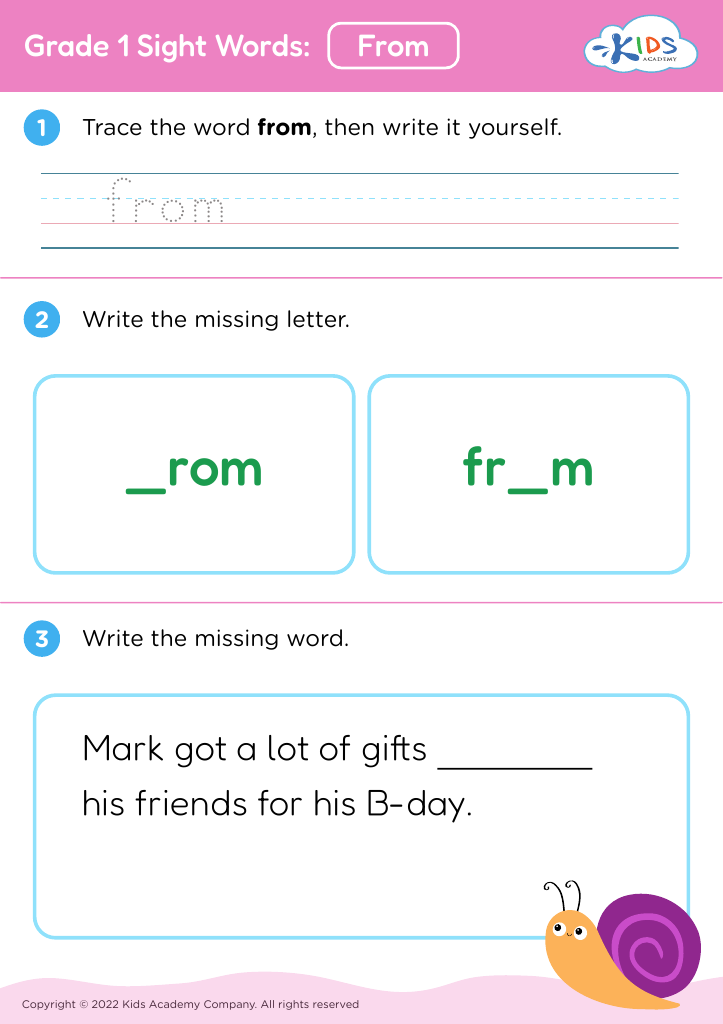
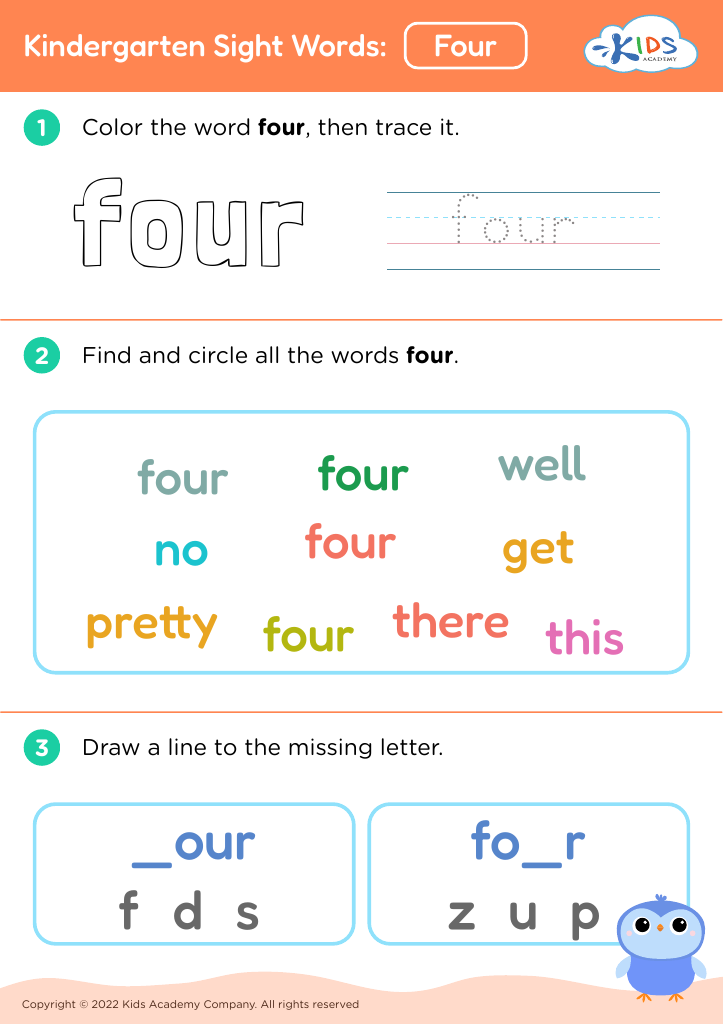






.jpg)

Problem Solving Reading for children ages 4-9 is crucial for their cognitive and emotional development. During these formative years, children are developing essential literacy skills that lay the foundation for academic success. Engaging in problem-solving through reading fosters critical thinking, creativity, and resilience. These skills not only enhance their ability to comprehend stories but also equip them to tackle challenges they will encounter in real life.
When parents and teachers emphasize problem solving in reading, they encourage children to ask questions, predict outcomes, and make connections between narratives and their experiences. This interaction with texts promotes deeper comprehension and a greater enjoyment of reading, which can lead to lifelong habits of exploring literature.
Moreover, reading stories that present problems encourages empathy, as children learn to see the world from different perspectives. This understanding can bridge social interactions and enhance emotional intelligence.
Incorporating problem-solving activities into reading can make learning engaging and interactive, paving the way for collaborative discussions and a richer learning environment. Therefore, parents and teachers should prioritize problem-solving reading as it cultivates not only literacy but also vital social and emotional skills that are essential for children’s overall growth.








