Reading skills development Reading Worksheets for Ages 4-9
4 filtered results
-
From - To
Unlock your child's potential with our Reading Skills Development Worksheets designed for ages 4-9! Our expertly crafted activities encourage young learners to explore the world of words and stories, improving their literacy skills through engaging exercises. Each worksheet is tailored to develop critical skills such as phonics, word recognition, comprehension, and fluency. Perfect for both classroom use and home practice, these worksheets make learning to read fun and exciting. Give your child the head start they deserve with our comprehensive, easy-to-use reading resources.
Visiting the provided page, offered added specifics would help refine and enrich this summary.
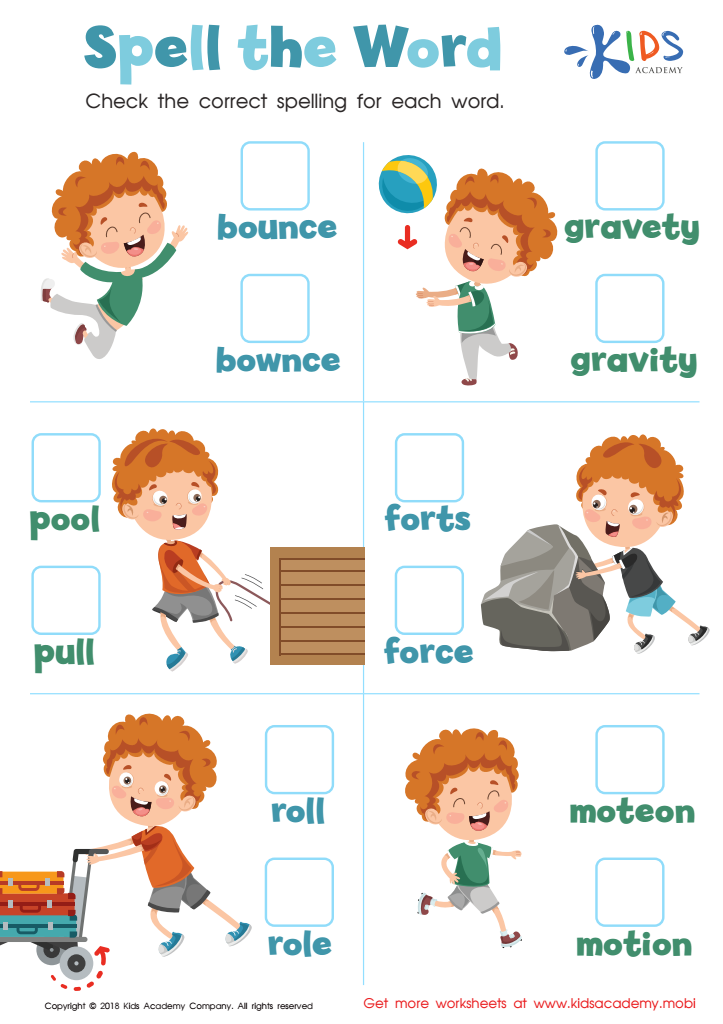
Spell the Word Worksheet
 Assign to My Students
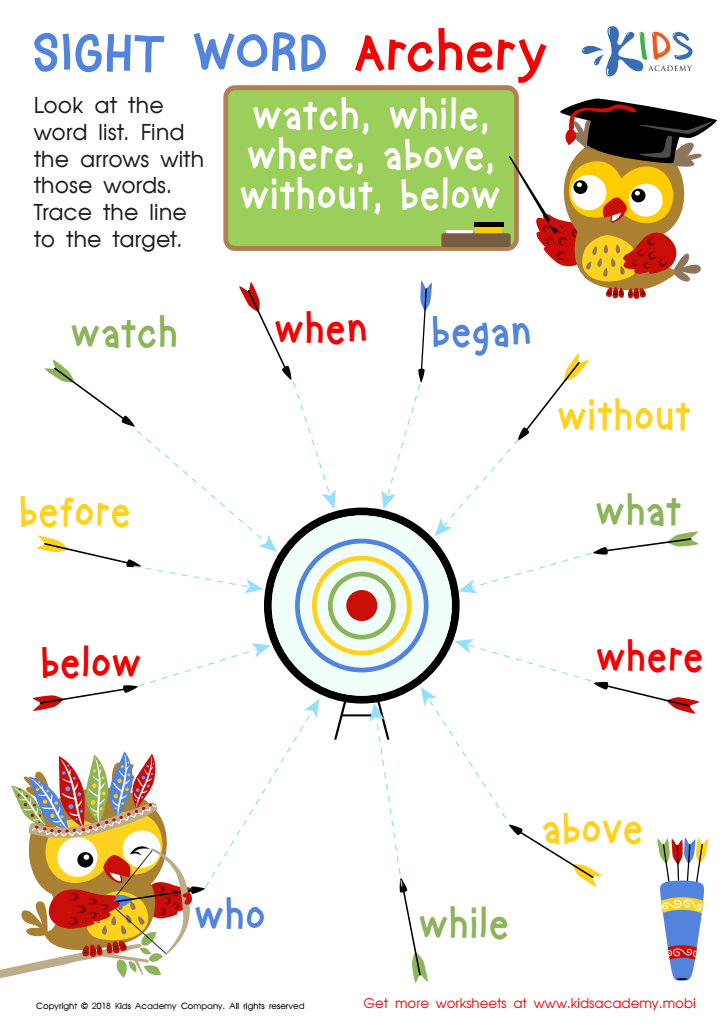
Sight Word Archery Worksheet
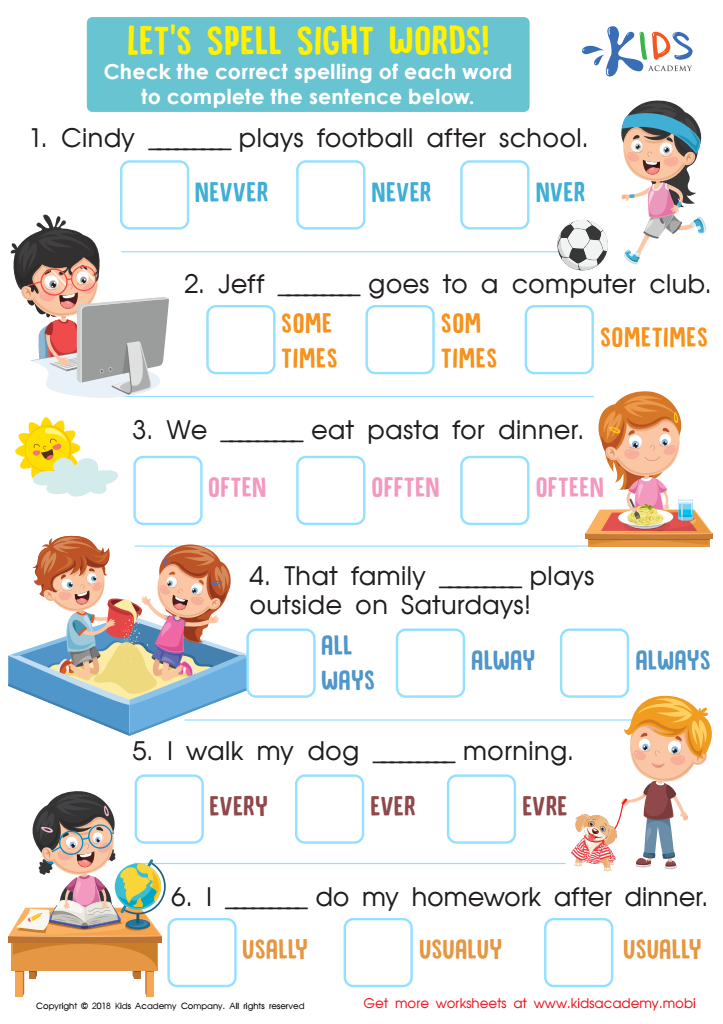
Let's Spell Sight Words Worksheet
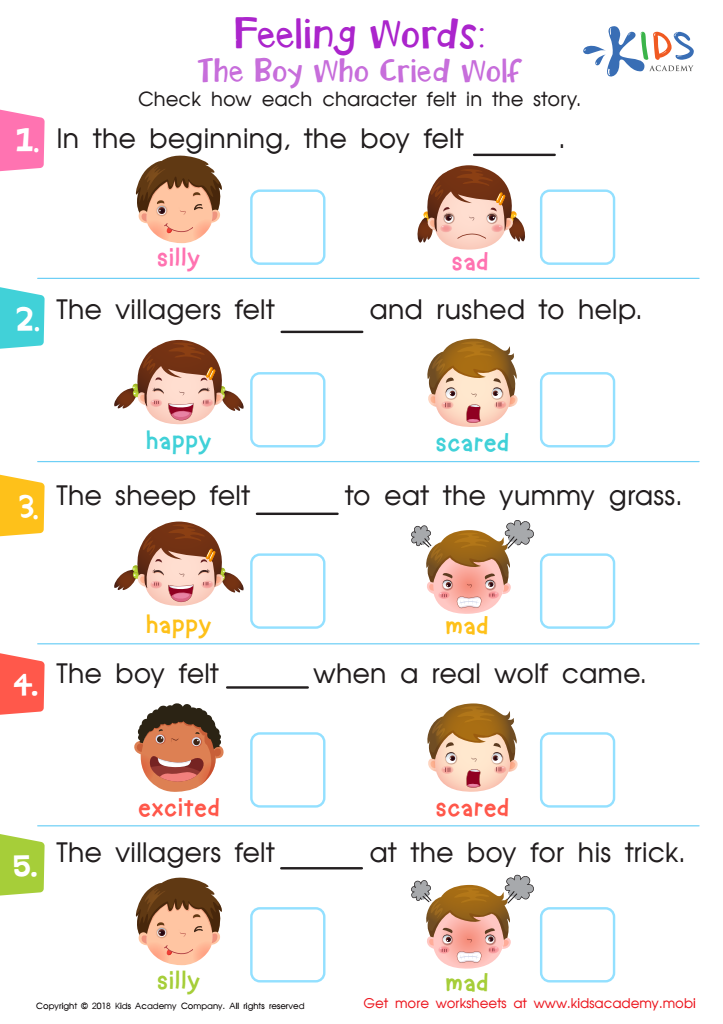
Feeling Words: The Boy Who Cried Wolf Worksheet




.jpg)


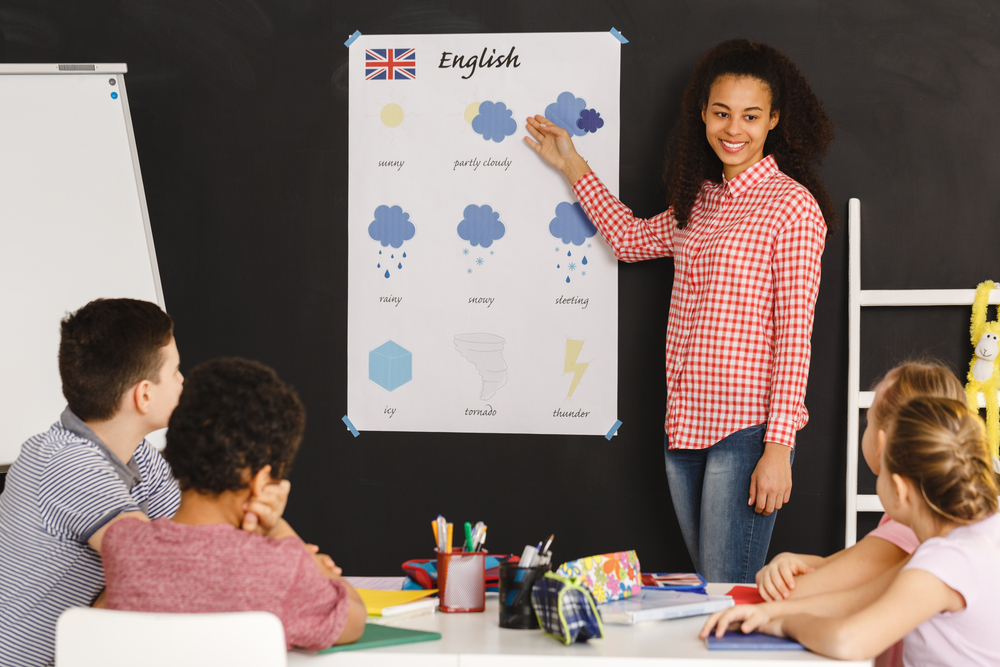
Developing reading skills in children aged 4-9 is essential for a solid educational foundation. Early reading proficiency influences future learning and success in school. At this age, children’s brains are highly receptive, exhibiting significant plasticity that enables them to absorb new information at a rapid rate. This is a critical period where they learn to decode words, understand patterns, and develop comprehension skills.
Early exposure to reading fosters vocabulary expansion, better articulation, and improved communication skills. It enhances cognitive development, sharpening critical thinking and problem-solving abilities. When children engage with books, they are introduced to diverse ideas, cultures, and perspectives, which broadens their world view and nurtures empathy and imagination.
Additionally, strong reading skills boost confidence and encourage lifelong learning. Children who are competent readers are more likely to participate in class, seek out knowledge independently, and enjoy academic success across subjects. Literacy also directly impacts their ability to follow instructions, complete assignments, and excel in standardized tests, which are fundamental for their educational trajectory.
Parental and teacher involvement is crucial—it creates a support system that values and promotes learning. Reading together can also be a bonding activity, fostering emotional connections and instilling a love for books early on. Hence, emphasizing reading skills in these formative years sets the stage for a lifetime of curiosity, learning, and achievement.








