
Understanding patterns Reading Worksheets for Ages 4-9
8 filtered results
Difficulty Level
Grade
Age
-
From - To
Subject
Activity
Standards
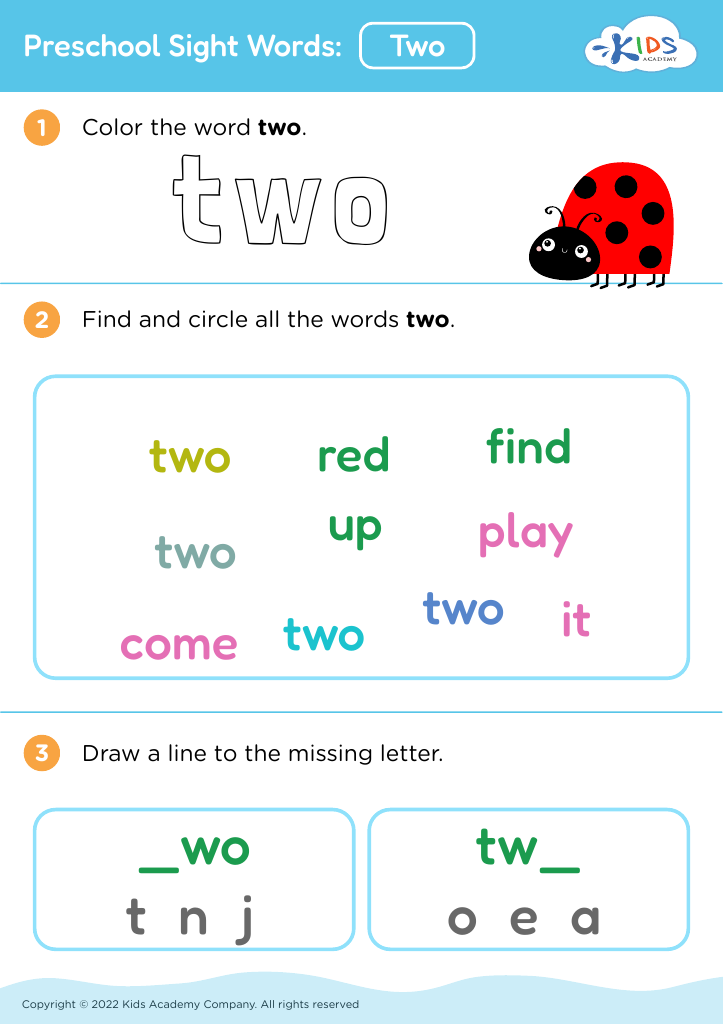
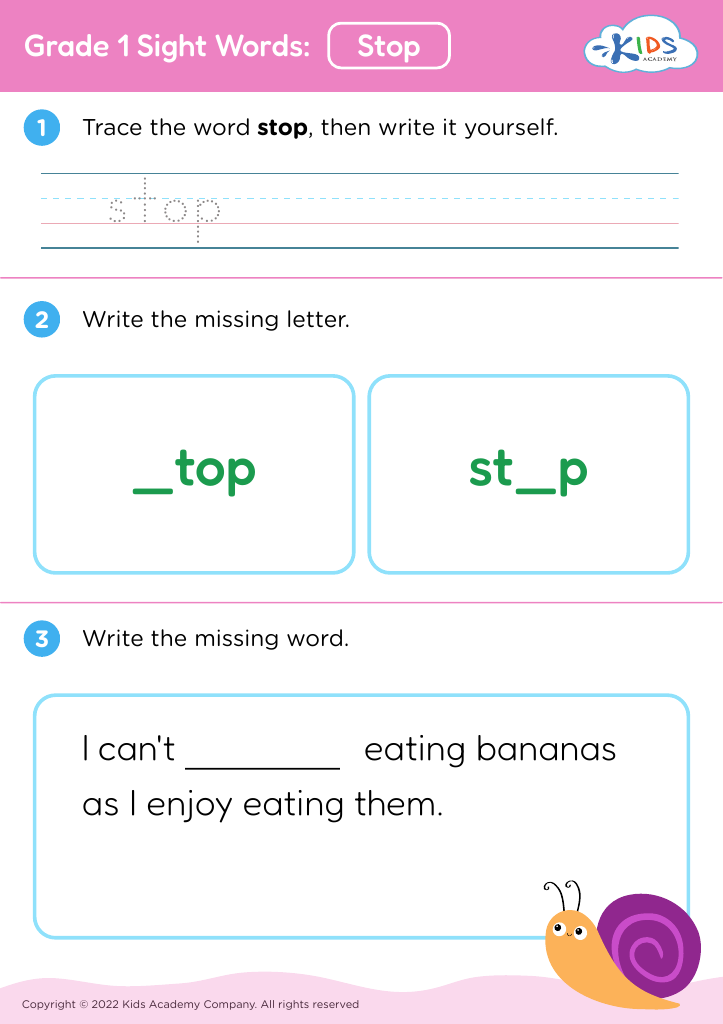
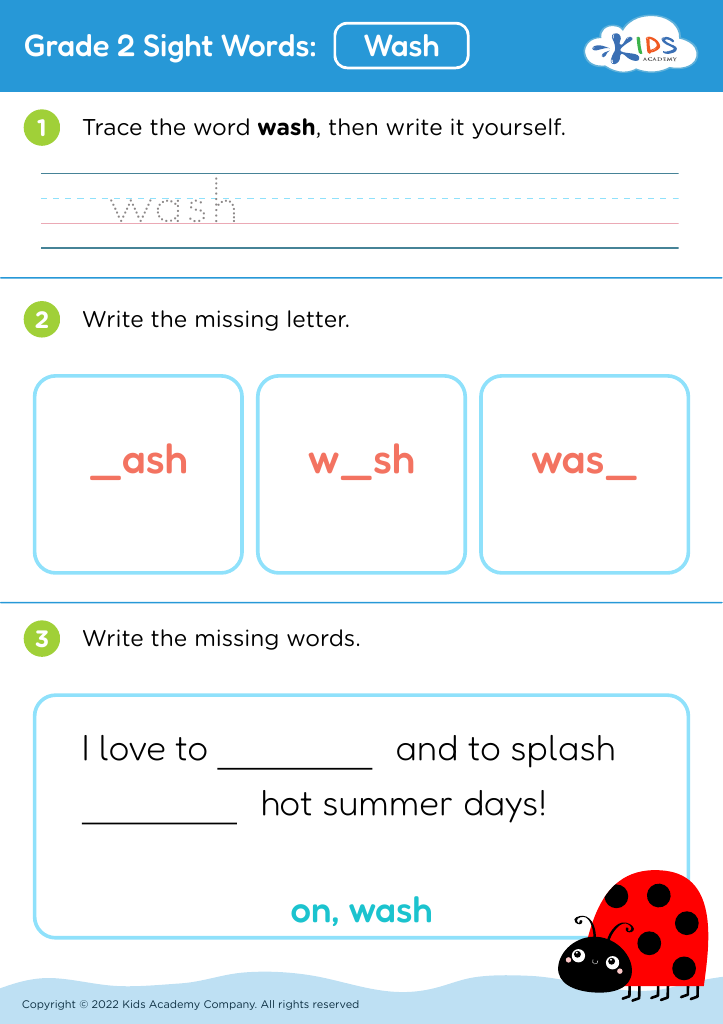
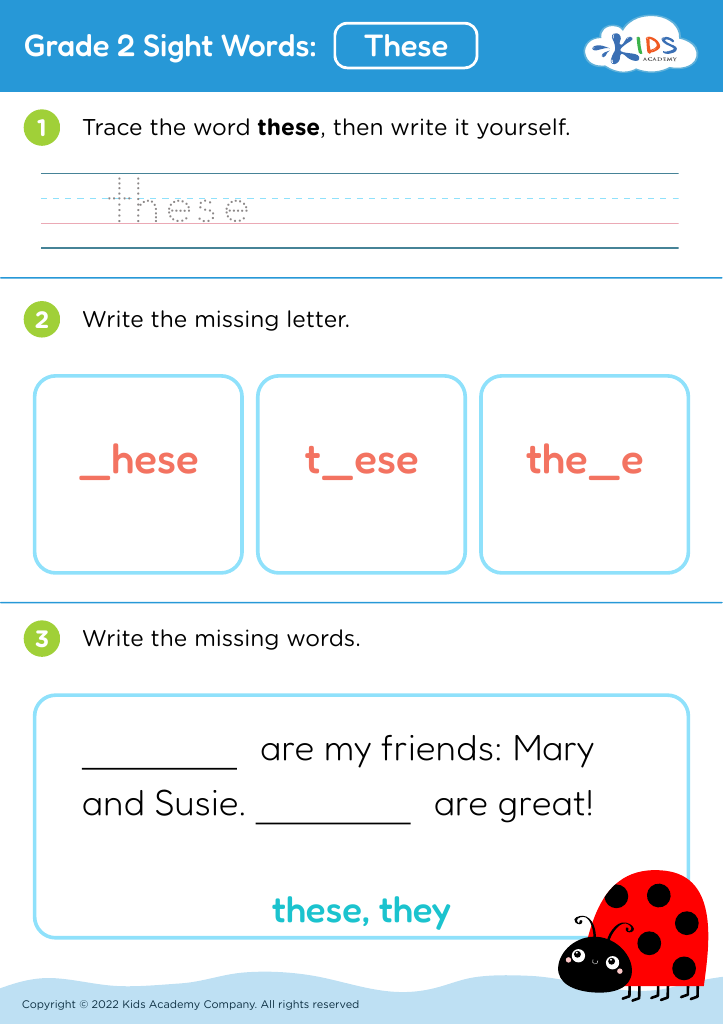
Unlock the power of pattern recognition with our "Understanding Patterns Reading Worksheets" designed for children ages 4-9. These expertly crafted resources aid young learners in grasping the essential concept of patterns through engaging activities. Boost reading skills, sharpen cognitive abilities, and promote logical thinking as kids explore sequences and repetitions in various contexts. Perfect for classrooms or at-home learning, our worksheets provide a fun, interactive way to foster foundational learning skills. Give your child the edge they need in reading and critical thinking with our diverse collection of pattern-based exercises, available now at Kids Academy.
Favorites
With answer key
Interactive
Join Kids Academy for Free
Who is primarily going to use this learning content?



.jpg)


.jpg)
Understanding patterns in reading is crucial for young children, ages 4-9, because it lays the foundation for essential cognitive and linguistic skills. Patterns in reading can be linguistic, such as repeating sounds, rhythms, and sentence structures, which help children predict and comprehend language more effectively. For instance, recognizing word families or rhyming schemes enhances phonemic awareness, an important predictor of reading success.
Moreover, pattern recognition fosters problem-solving and critical thinking skills. Children who can identify and interpret patterns in stories or sentences can better anticipate what comes next, making reading a more intuitive and less frustrating experience. This engagement boosts confidence and motivation to read, fostering a lifelong love of books.
Understanding reading patterns also supports vocabulary development. Recognizing familiar structures and contexts allows children to infer the meanings of new words, which steadily expands their vocabulary without direct instruction. Additionally, when children recognize narrative patterns, such as the beginning, middle, and end of a story, they develop better comprehension and storytelling abilities.
Teachers and parents should prioritize pattern-based learning activities, storybooks, and interactive reading sessions to cultivate these foundational skills. By focusing on patterns, we enable children to decode complex language, solve problems, and appreciate the beauty of language, setting them up for academic achievement and fluent communication skills in the future.








