Sequencing Skills Reading Fiction Worksheets for Ages 4-9
5 filtered results
-
From - To
Enhance your child's reading comprehension with our Sequencing Skills Reading Fiction Worksheets for ages 4-9! These engaging activities are designed to help young learners identify the order of events in stories, a fundamental skill for effective reading. Our worksheets feature captivating fiction excerpts that inspire imagination while promoting critical thinking. Kids will enjoy organizing story events through fun illustrations and quick exercises, making learning enjoyable. Perfect for both classroom and at-home learning, these resources support literacy development and boost confidence. Download and watch your child's understanding of narrative structure grow as they master sequencing skills with ease!
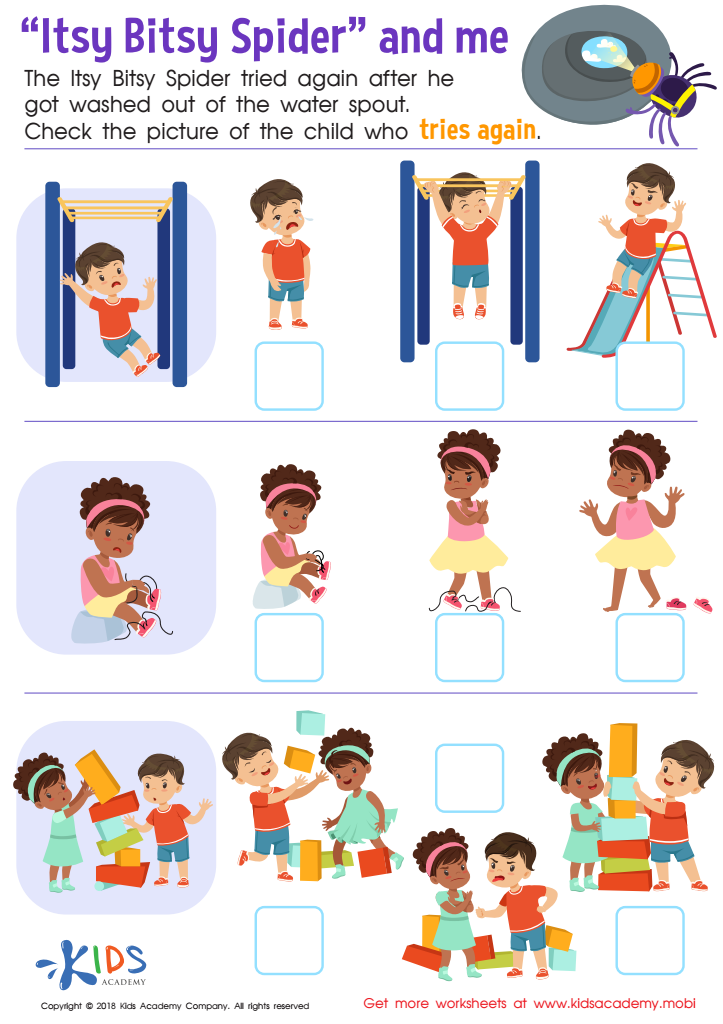
Itsy Bitsy Spider and Me Worksheet
 Assign to My Students
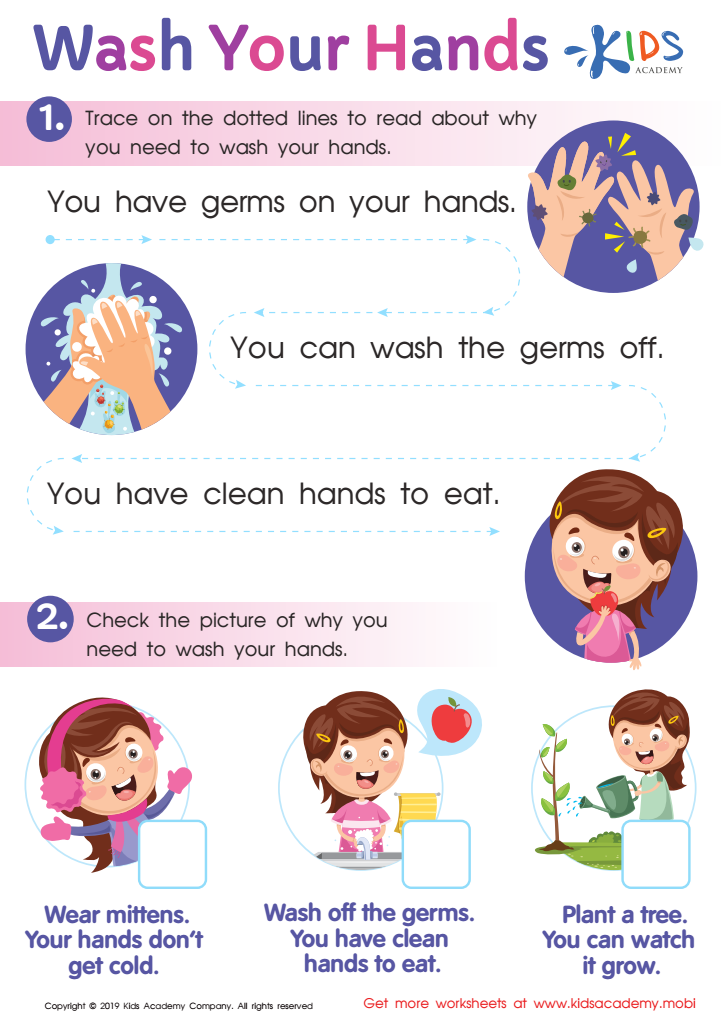
Wash Your Hands Worksheet
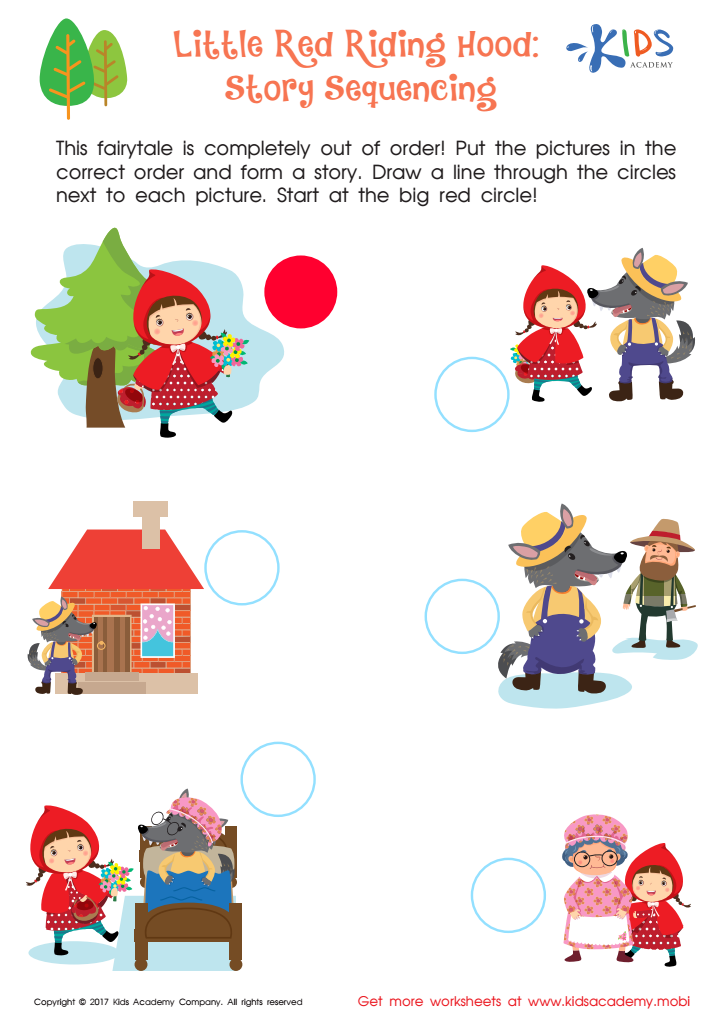
Story Sequencing Printable
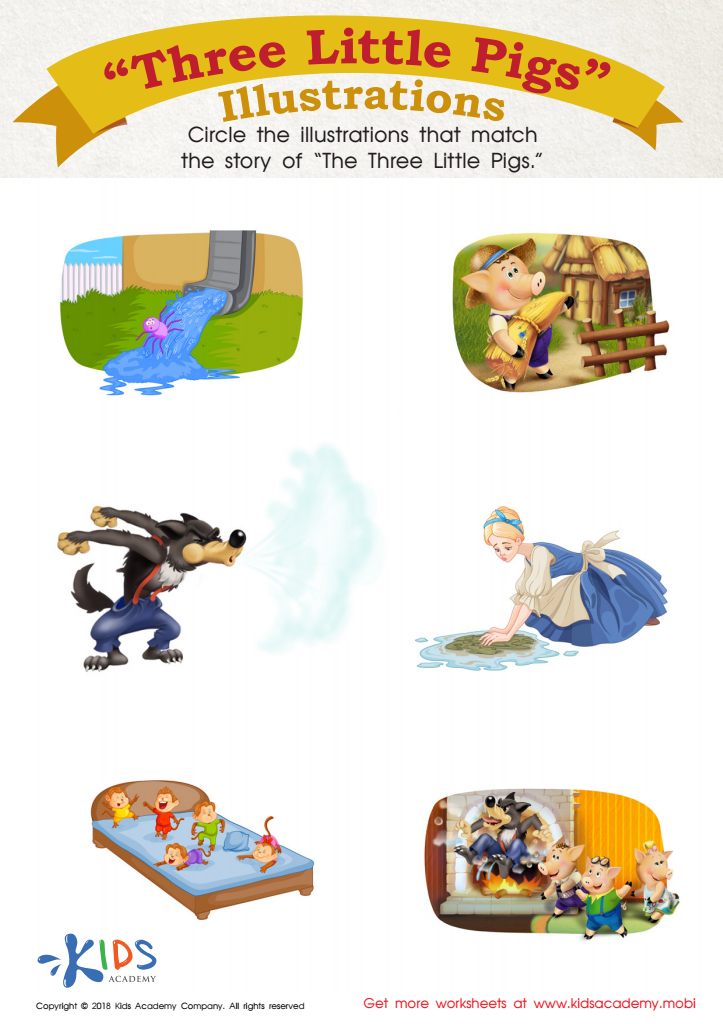
Three Little Pigs: Illustrations Worksheet
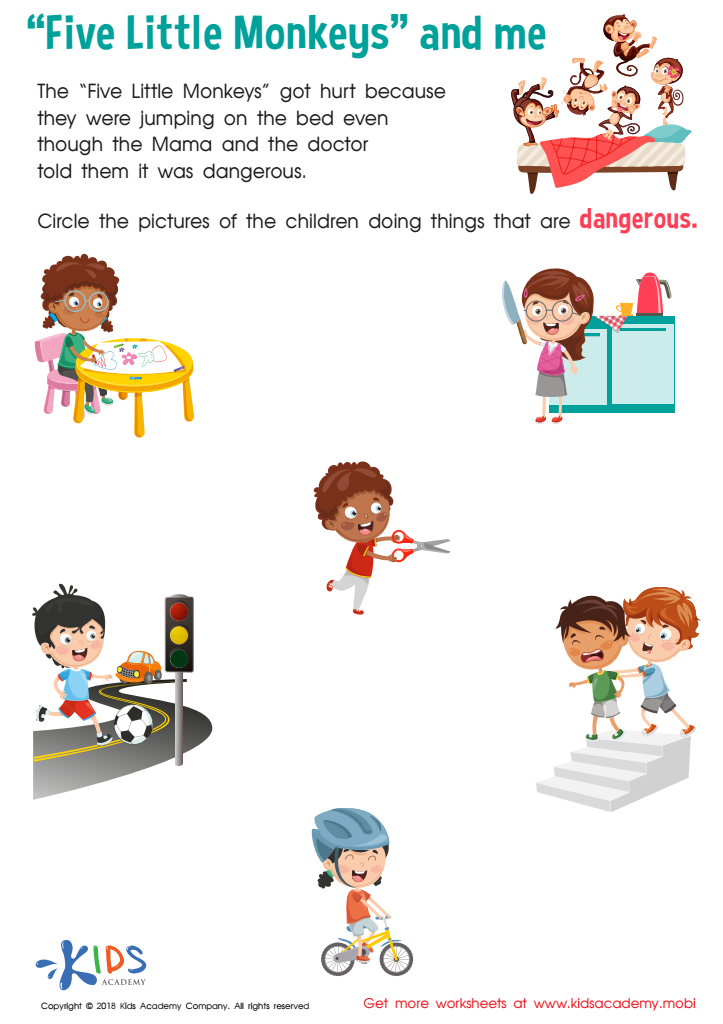
Five Little Monkeys and Me Worksheet








Sequencing skills are crucial in developing reading comprehension, especially for children ages 4-9. When young readers learn to identify the order of events in a story, they cultivate a deeper understanding of narrative structure. This understanding helps them grasp the “who, what, when, and where” of a tale, leading to improved retention and recall of information.
Parents and teachers should care about these skills because they lay the foundation for stronger literacy abilities. Sequencing activities such as retelling stories or using picture cards can effectively engage young learners, making reading fun and interactive. By focusing on these skills, children also enhance their critical thinking abilities, as they learn to predict outcomes and draw connections between events.
Developing sequencing skills fosters a love for reading and prepares children for more complex texts in later grades. Additionally, strong reading skills have been linked to academic success across subjects. Investing time and resources into promoting sequencing in early readers ultimately equips them with the tools necessary for lifelong learning and effective communication. Empowering children through these foundational skills enriches their educational journey, paving the way for future success in literacy and beyond.








