Unlock the magic of storytelling with our Story Comprehension Reading Fiction Worksheets designed specifically for children ages 4-9. These engaging worksheets help young readers develop vital literacy skills, enhancing their understanding and enjoyment of stories. Featuring a variety of fun activities, your child will practice key comprehension strategies, such as recall, prediction, and inference. Each worksheet is crafted to align with educational standards, making learning fun and effective. Whether at home or in the classroom, these resources nurture a love for reading while building confidence. Explore our collection and experience the joy of helping your child flourish in their reading journey!

Check out this FREE Trial Lesson on Reading Fiction for age 4-9!

Relationship Between Illustrations and the Story

Favorites
With answer key
Interactive
  • 4-9
  • Story comprehension
  • Reading Fiction
Little Red Riding Hood: Illustrations Worksheet

Little Red Riding Hood: Illustrations Worksheet

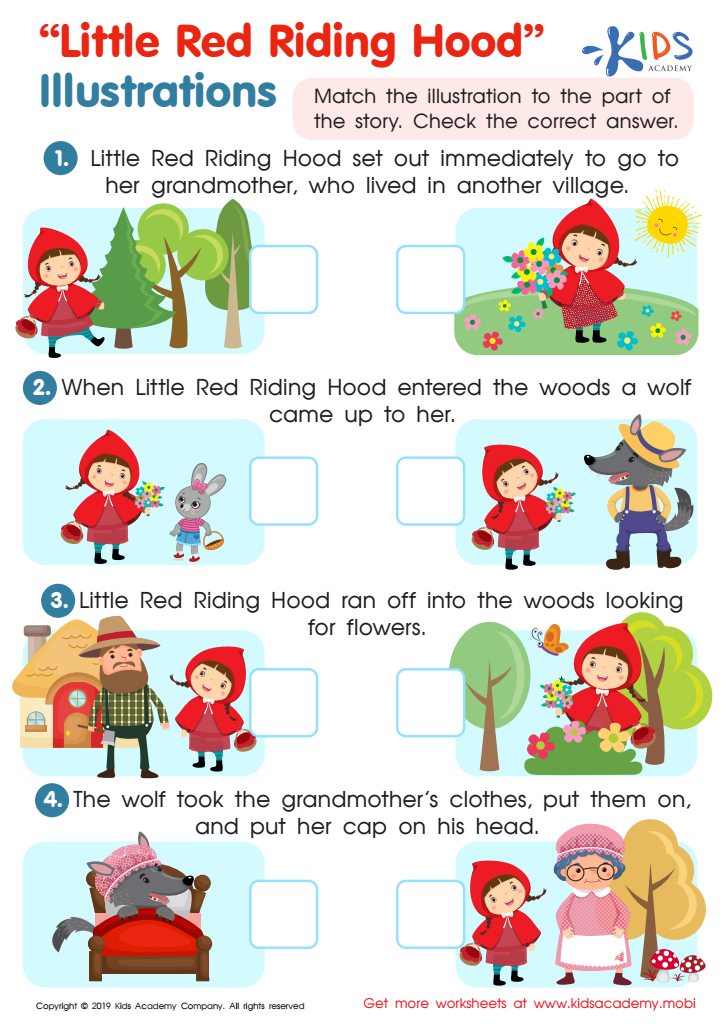
Comprehension is improved by having young readers recall and retell stories. This worksheet uses colorful illustrations of the fairytale Little Red Riding Hood. Children use their comprehension skills and strategy to match illustrations to the story parts, check off the appropriate boxes and use the pictures as clues.
Little Red Riding Hood: Illustrations Worksheet
Worksheet
Summary of Little Red Riding Hood Worksheet

Summary of Little Red Riding Hood Worksheet

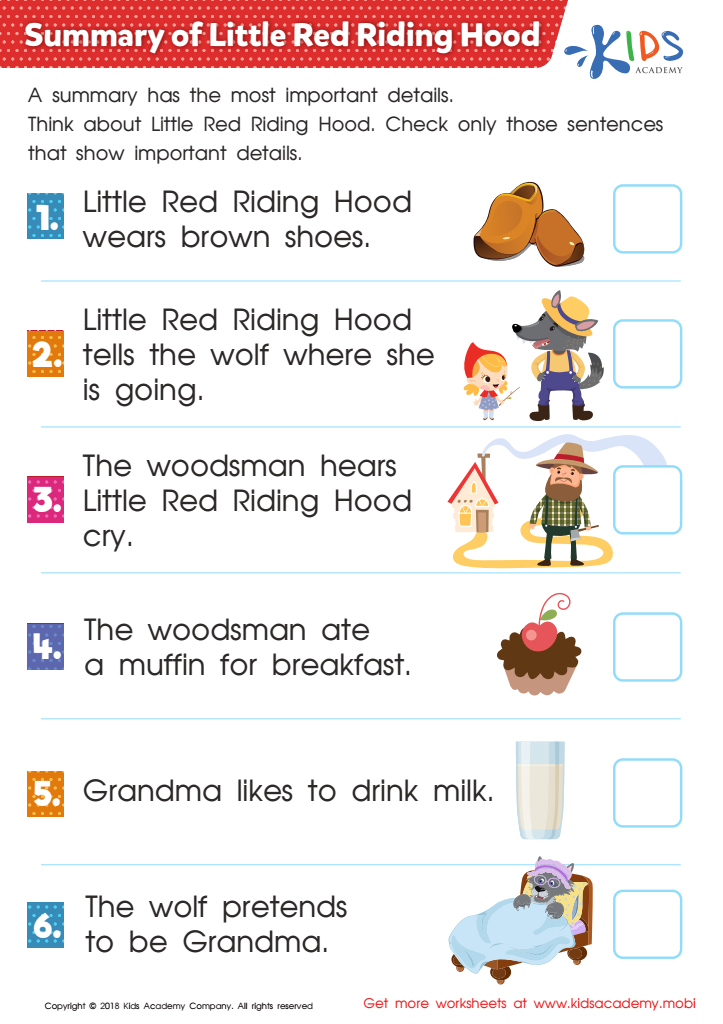
Young students may find it hard to summarize stories. This worksheet helps them learn to distinguish between important story details and unimportant ones. Practice reading Little Red Riding Hood and pick out only the important details with the help of this downloadable worksheet.
Summary of Little Red Riding Hood Worksheet
Worksheet
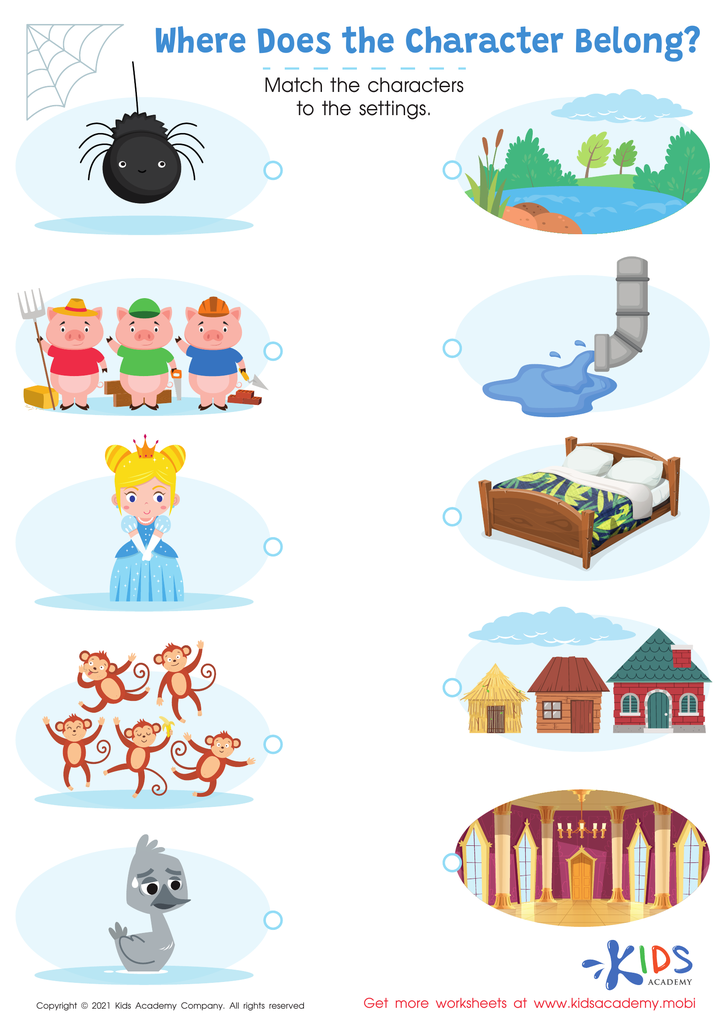
Where Does the Character Belong? Worksheet

Where Does the Character Belong? Worksheet

Fairy Tales are a great way to teach young ones about settings, characters and other literary elements. This worksheet contains illustrations from popular fairy tales to help kids identify characters and match them to the right settings. It's a fun way to improve recall skills and enhance comprehension using visuals.
Where Does the Character Belong? Worksheet
Worksheet
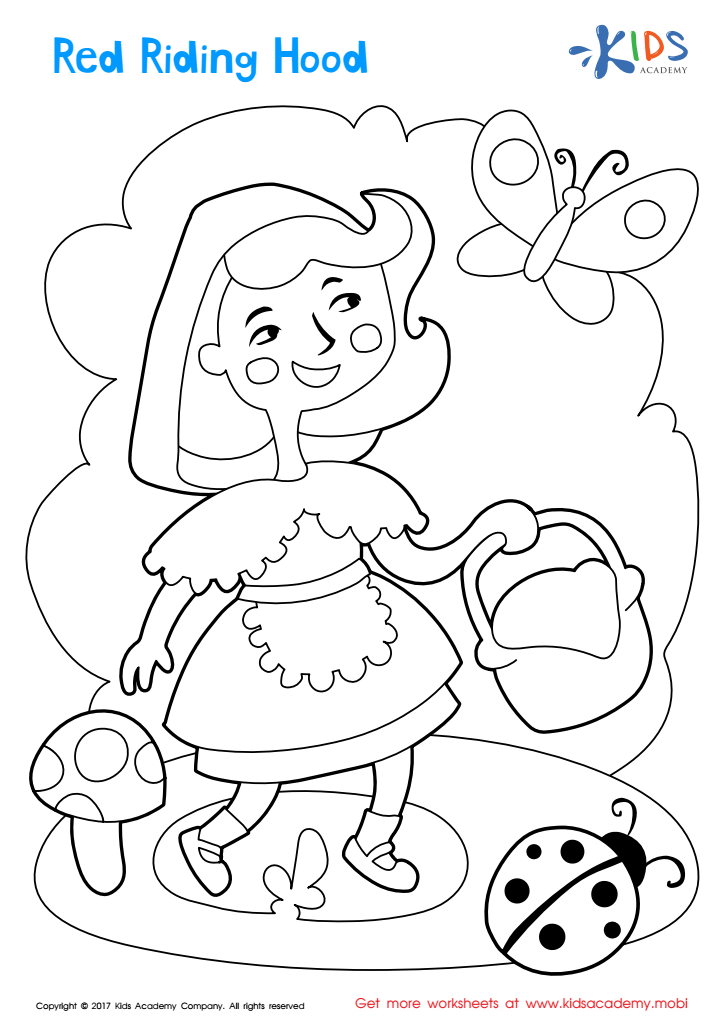
Printable Coloring Page: Red Riding Hood

Red Riding Hood Coloring Page

Red Riding Hood awaits in the woods, with a butterfly, mushroom, and ladybug around her. Let your child bring the story to life with this magical printable coloring page. Fairytale fun for all!
Download (PDF)
Assign to My Students
Red Riding Hood Coloring Page
Worksheet
Comprehension Worksheet: Little Red Riding Hood

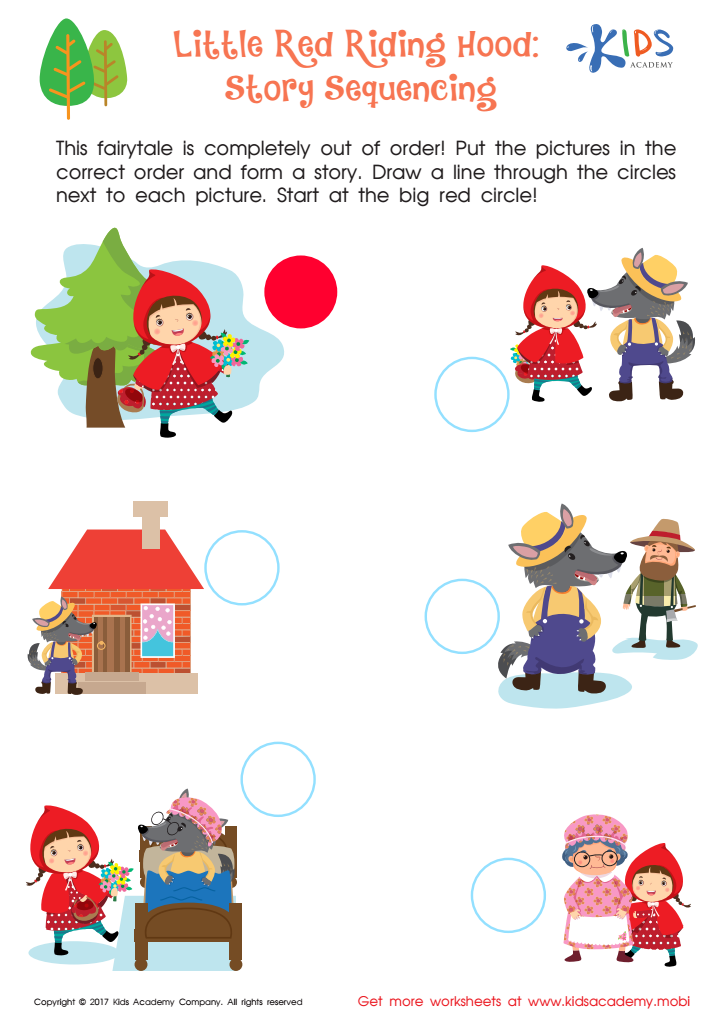
Story Sequencing Printable

Children must identify story events in sequential order to build a better understanding of plot. Help your child learn how to understand plot with this fun comprehension worksheet: Little Red Riding Hood! Guide them to identify story events and order them correctly to boost their reading skills.
Story Sequencing Printable
Worksheet
Three Little Pigs: Illustrations Worksheet

Three Little Pigs: Illustrations Worksheet

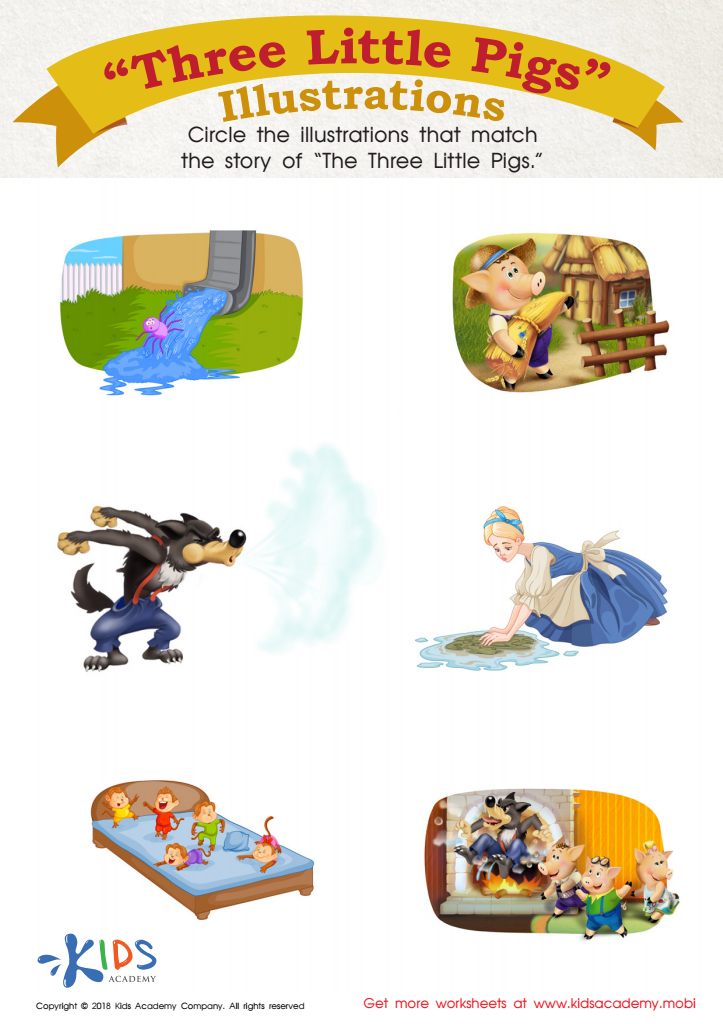
Fairy Tales are a great way for young children to learn about settings, characters and other fiction elements. This worksheet has illustrations from The Three Little Pigs, and lets your student use what they know and the visuals to match the story. It's a fun way for them to practice story recall and comprehension with illustrations.
Three Little Pigs: Illustrations Worksheet
Worksheet
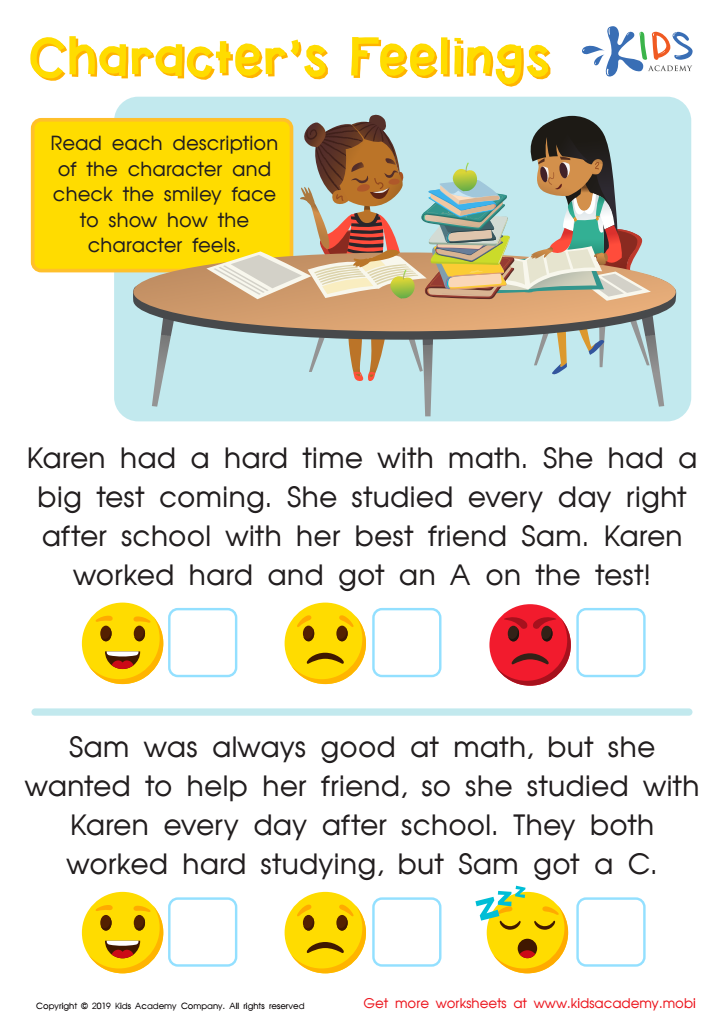
Character’s Feelings Worksheet

Character’s Feelings Worksheet

To help your child with reading and writing, encourage them to read simple texts and comprehension passages. This will help them learn new words, build their grammar and practice their reading skills. Go through a worksheet together, read the character descriptions then ask your child to pick the smiley face which shows how the character feels.
Character’s Feelings Worksheet
Worksheet
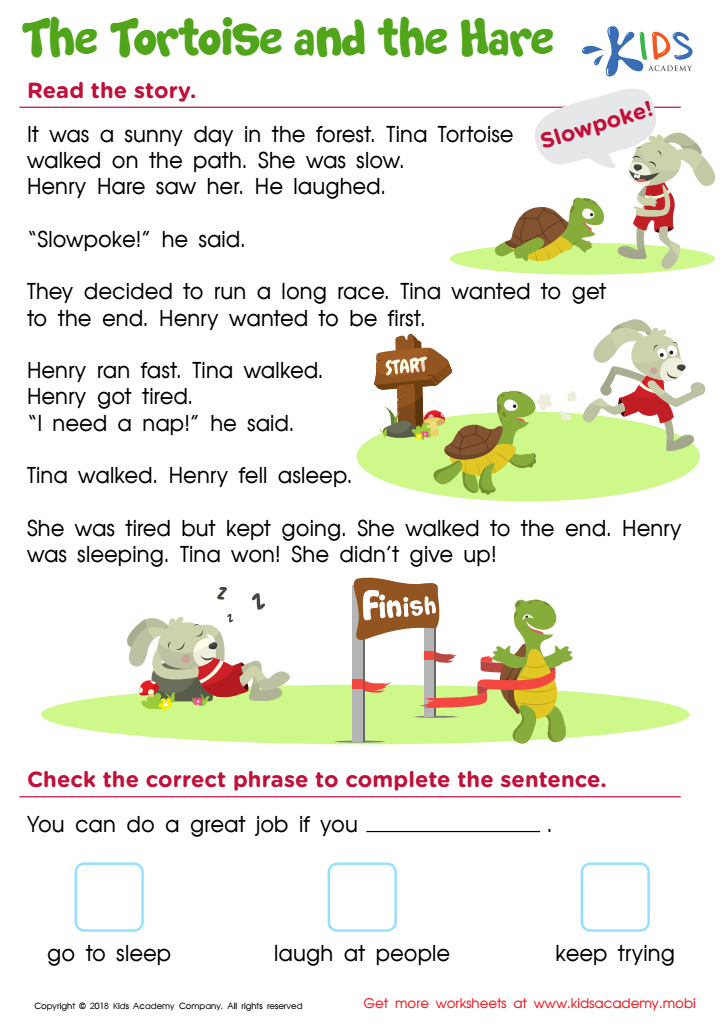
The Tortoise and the Hare Worksheet


The Tortoise and the Hare Worksheet

Help your child uncover the hidden moral in a classic children's tale with this free downloadable worksheet. Joyful illustrations bring the story to life and help young readers visualize the events. With your help, they can answer the question and fill in the blank with the phrase that serves as the story's lesson. Check the box to complete the worksheet!
The Tortoise and the Hare Worksheet
Worksheet


Story comprehension is vital for children aged 4-9 as it lays the foundation for their literacy and cognitive development. At this age, children are beginning to engage with fiction, which offers not only entertainment but also valuable lessons, cultural insights, and emotional understanding. Understanding stories helps children build critical thinking skills as they learn to predict outcomes, make inferences, and empathize with characters.

When parents and teachers prioritize story comprehension, they support the development of vocabulary and language skills, as discussions about plots, characters, and themes encourage children to express their thoughts more clearly. Additionally, fiction introduces children to diverse perspectives and experiences, fostering inclusivity and social awareness.

Story comprehension also enhances children's listening and concentration abilities, promoting elementary classroom engagement. As kids learn to articulate their interpretations, they build confidence in their abilities. By facilitating meaningful dialogues around stories, adults can ignite children's imaginations and inspire a lifelong love for reading.

Ultimately, nurturing story comprehension helps children become effective communicators and critical thinkers, essential skills not only in academic settings but throughout their lives. Thus, parents and teachers play a crucial role in highlighting the importance of understanding fiction during these formative years.