Understanding context Reading Fiction Worksheets for Ages 4-9
5 filtered results
-
From - To
Unlock the magic of storytelling with our "Understanding Context: Reading Fiction Worksheets" designed for ages 4-9. These engaging worksheets help young readers enhance their comprehension skills by exploring context clues within fictional narratives. Teachers and parents can guide kids in making connections between texts and their own experiences, fostering a love for reading while improving critical thinking abilities. Each worksheet is crafted to spark imagination and encourage discussion, making reading fun and interactive. Perfect for classroom use or at-home learning, these resources support literacy development in a playful and educational way. Dive into a world of stories and discover the power of context today!
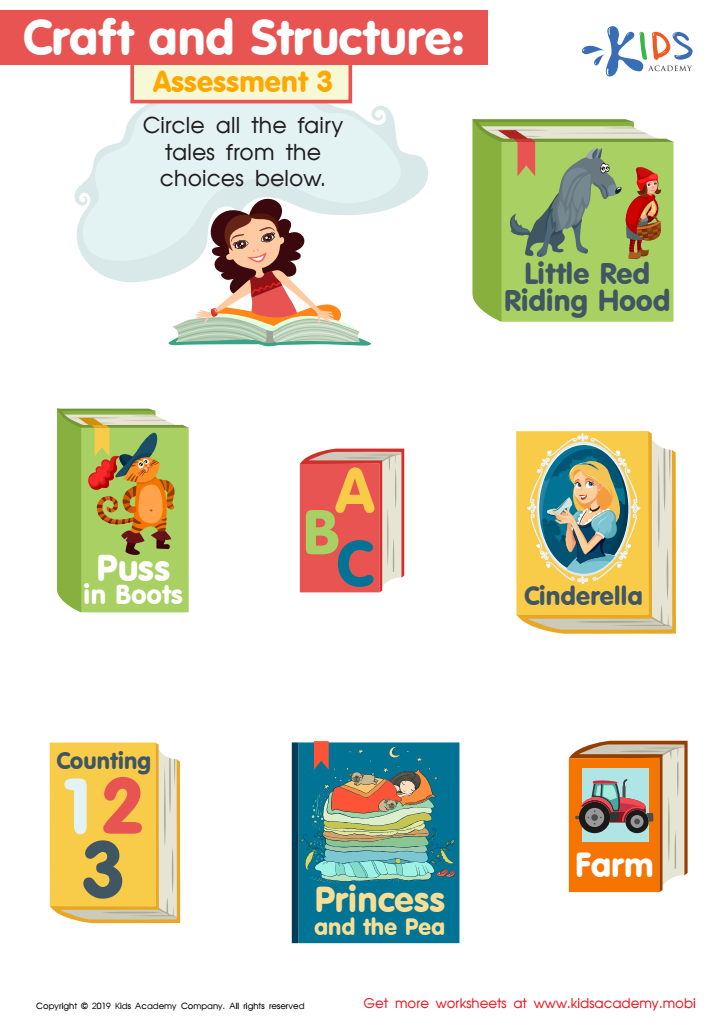
Craft and Structure: Assessment 3 Worksheet
 Assign to My Students
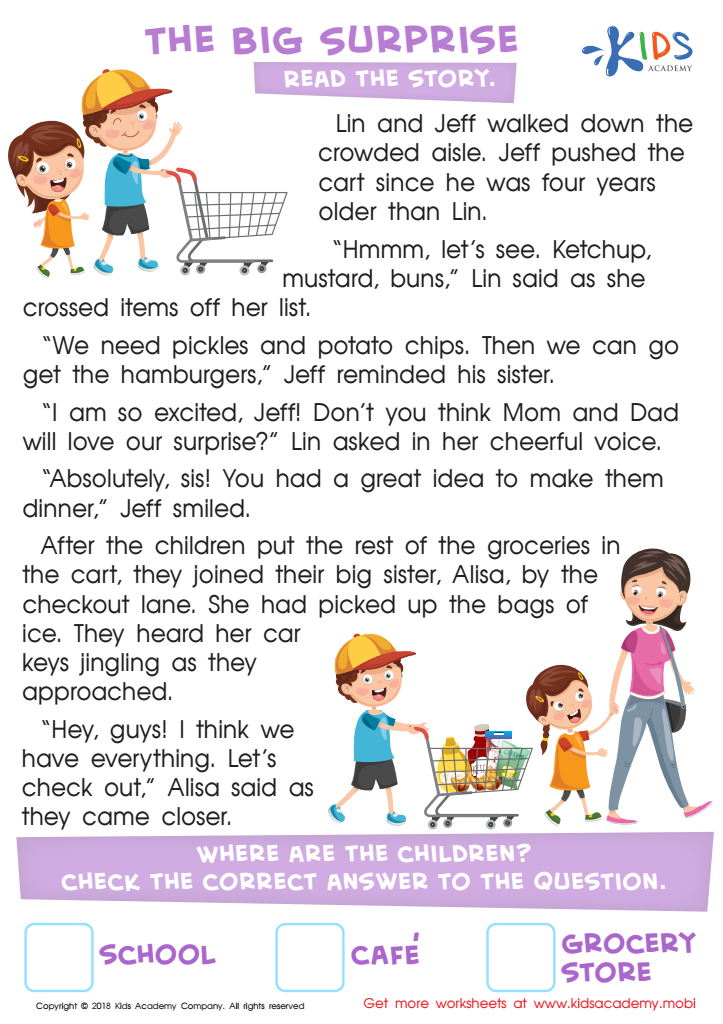
The Big Surprise Worksheet
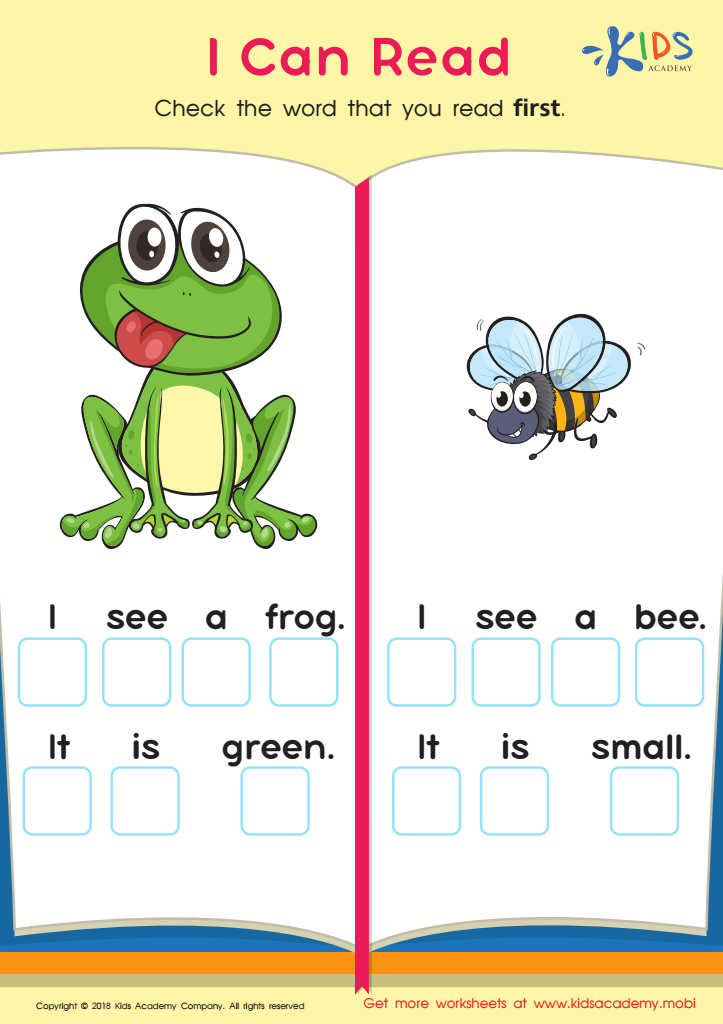
I Can Read Worksheet
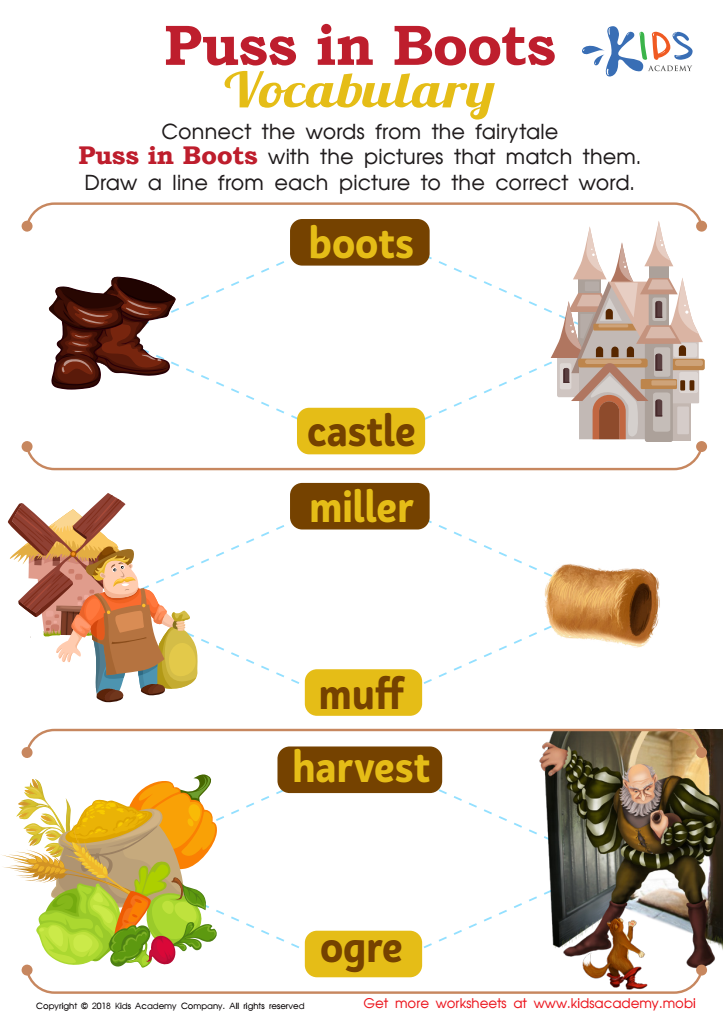
Puss in Boots Vocabulary Worksheet
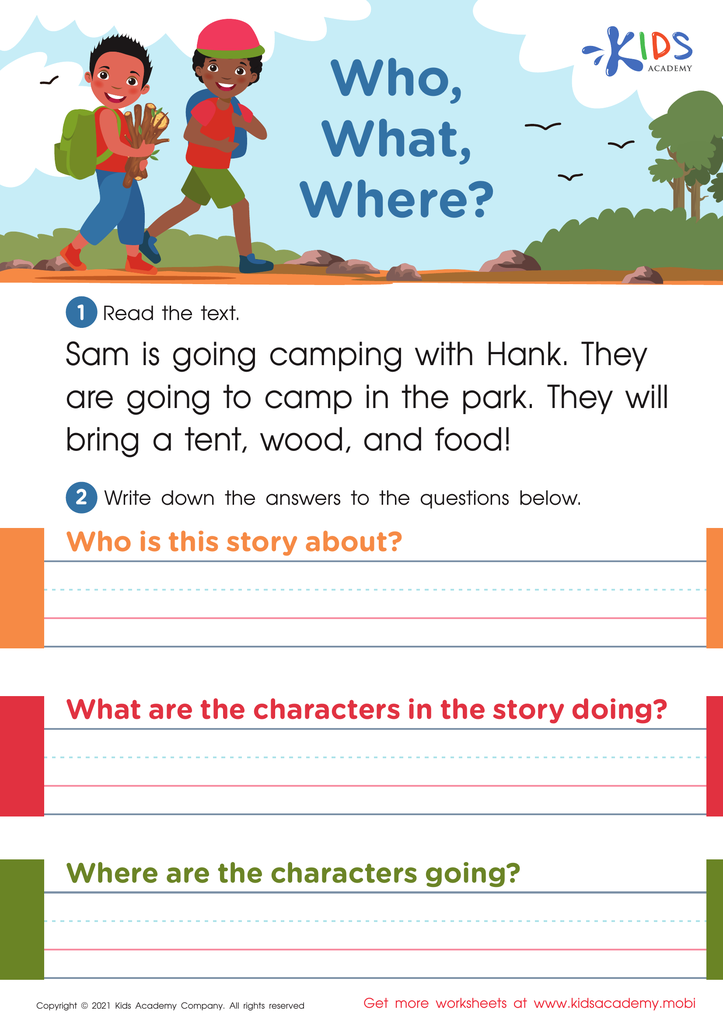
Who, What, Where? Worksheet





.jpg)


Understanding context in reading fiction is crucial for children aged 4-9, as it enhances their comprehension skills and fosters critical thinking. When children grasp the context—such as setting, character motivations, and the cultural or emotional background—they can better engage with the narrative, leading to a deeper understanding of the story’s themes and lessons.
Parents and teachers should care about this because developing these skills early helps children navigate a world that is increasingly complex and interconnected. Contextual understanding aids in building empathy, as children learn to appreciate diverse perspectives and experiences through characters in stories. This can contribute positively to their social skills and emotional intelligence.
Moreover, strong contextual skills lay a foundation for academic success in later years. Children who comprehend context will find it easier to relate lessons across subjects, leading to improved performance in reading, writing, and oral communication. By prioritizing context, adults can guide children to become not only better readers but also more thoughtful individuals. Engaging with fiction in a meaningful way cultivates a lifelong love for reading, critical for personal and academic growth. In turn, investing in this aspect of literacy education supports children’s overall development.








