Shape Recognition Sight Words Worksheets for Ages 4-9
7 filtered results
-
From - To
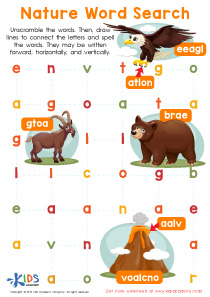
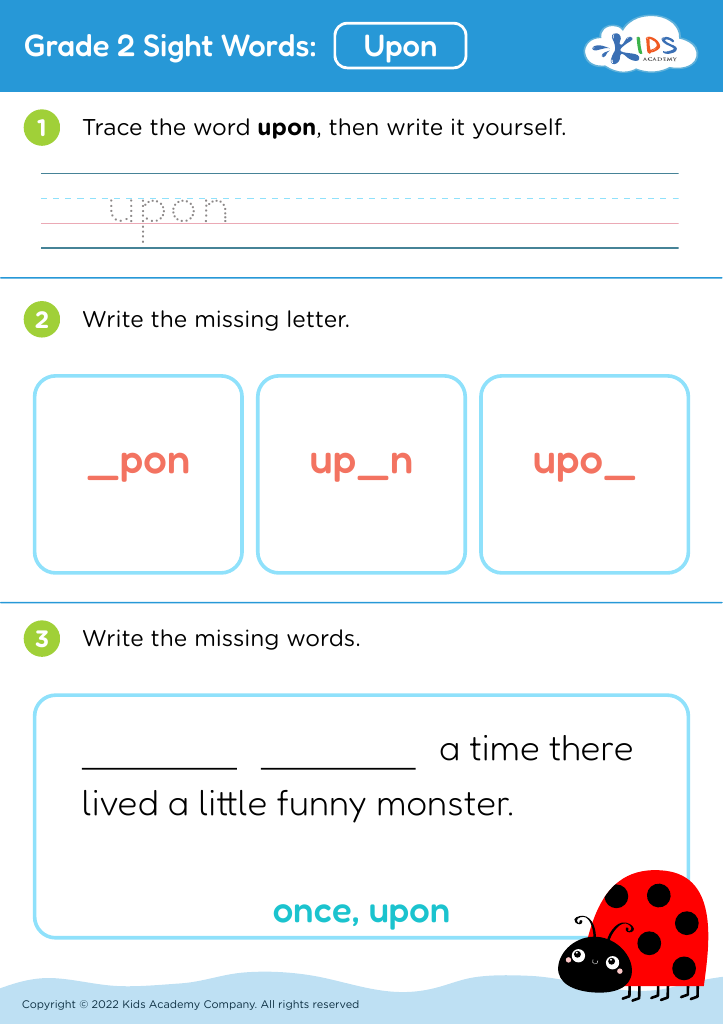
Enhance your child's learning journey with our Shape Recognition Sight Words Worksheets for ages 4-9! These engaging printables combine essential sight word practice with shape identification, helping young learners build foundational reading skills while exploring geometric concepts. Our interactive worksheets promote visual recognition and improve vocabulary by integrating fun activities tailored for early readers. Perfect for home or classroom use, these resources foster independent learning and boost confidence in reading. Designed with colorful visuals and age-appropriate content, our worksheets will captivate your child's interest and make learning an enjoyable experience. Download your worksheets today and watch your children thrive!




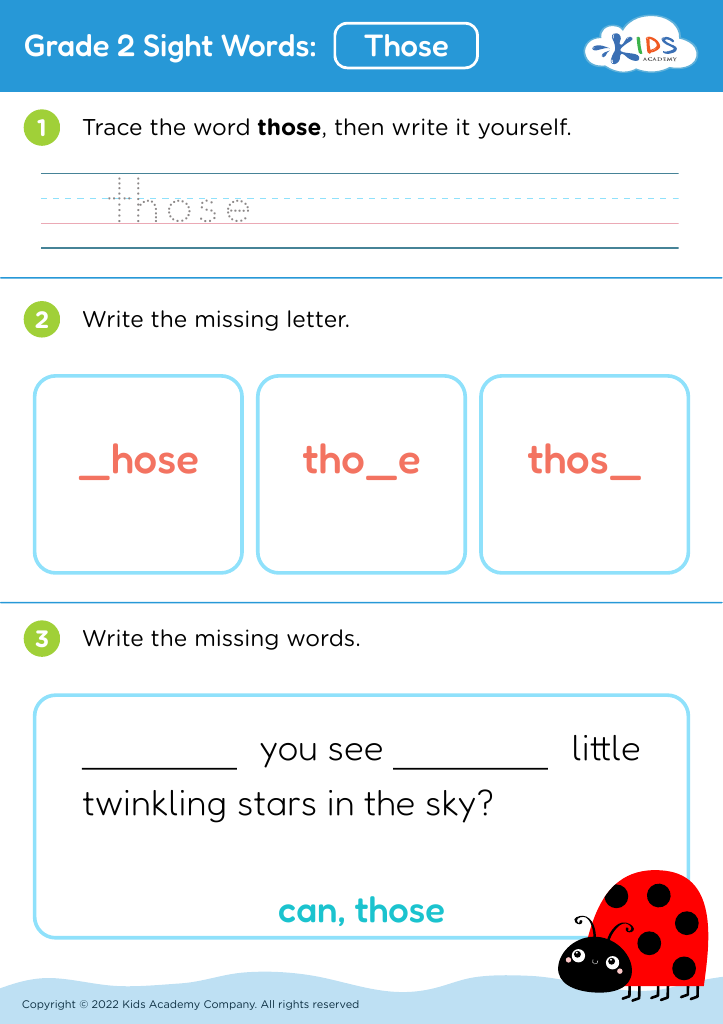
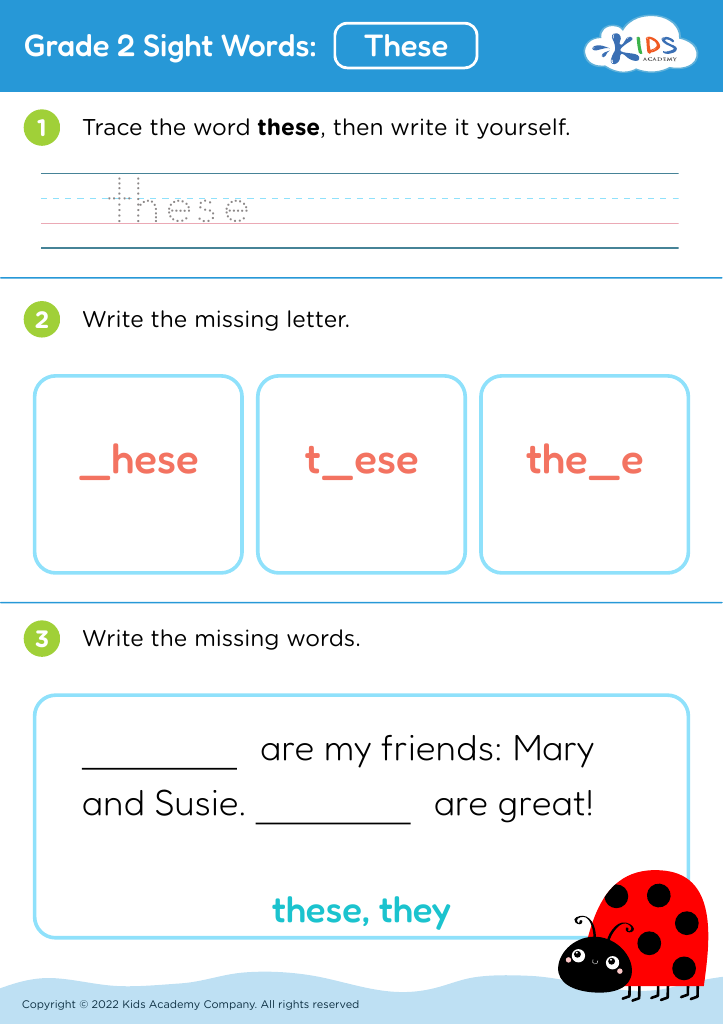
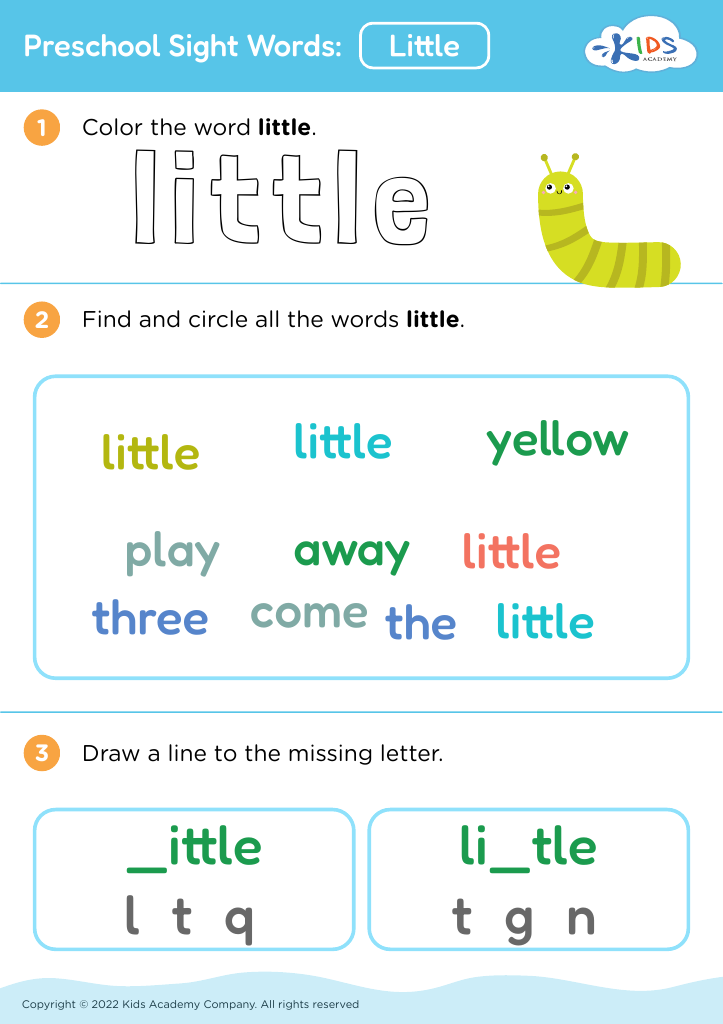
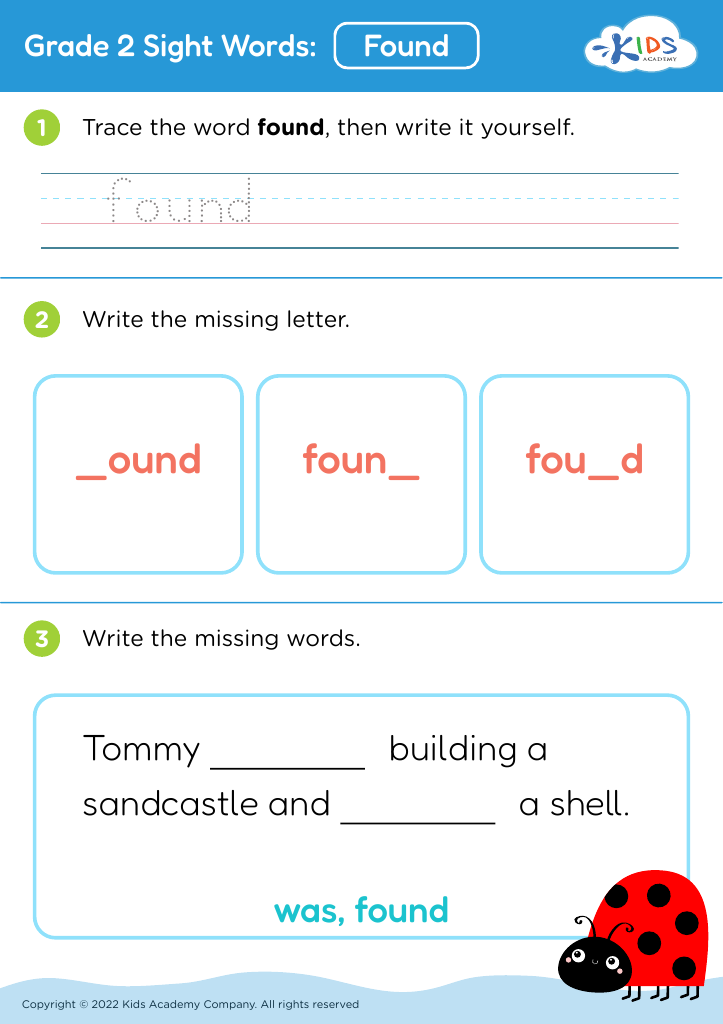
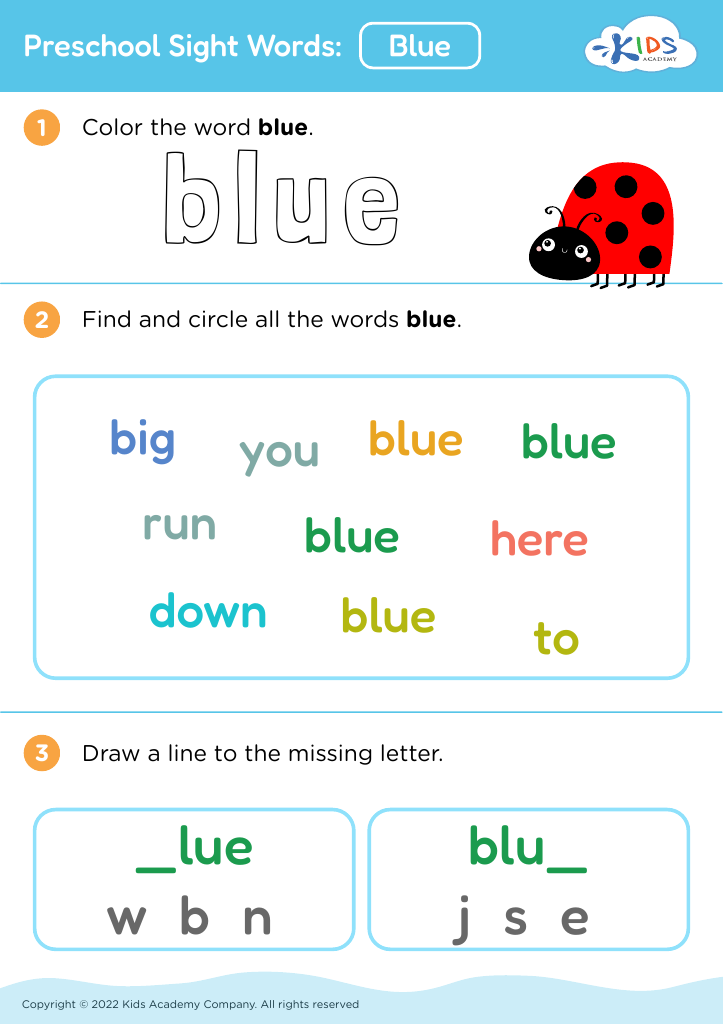
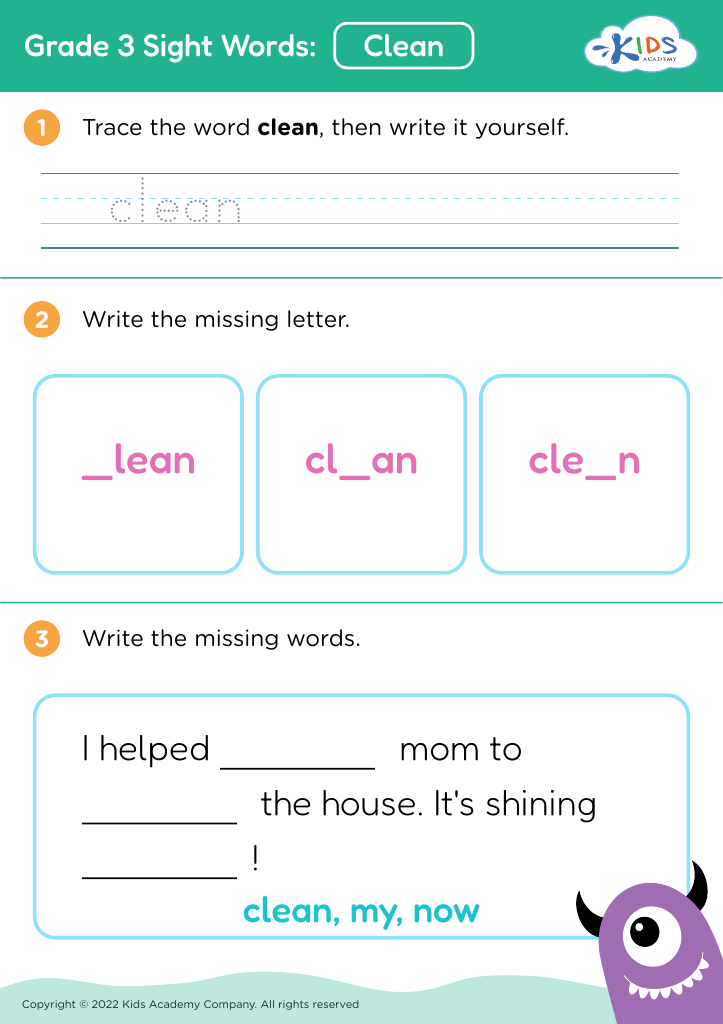








Shape recognition and sight words are fundamental aspects of early literacy and cognitive development for children aged 4-9. Understanding shapes enhances spatial awareness, which is crucial for problem-solving and critical thinking skills. When children recognize shapes, they begin to make connections between objects in their environment and the words that describe them, fostering essential vocabulary development.
Sight words, on the other hand, are frequently used words that children should recognize immediately without sounding them out. Early mastery of sight words aids children in achieving fluency in reading, making it easier for them to engage with texts and comprehend stories. This fluency contributes to their love for reading and encourages a lifelong habit of exploration and learning.
By connecting shape recognition with sight words, educators and parents can create a robust foundation for language skills and mathematical reasoning. Such integration supports a holistic approach to learning, allowing children to recognize how language and visual elements work together in the world around them. Therefore, investing time and effort in promoting shape recognition alongside sight words is vital for ensuring children's successful literacy development and overall academic success. Recognizing the critical importance of these foundational skills helps parents and teachers better support each child's unique learning journey.