Understanding fractions Sight Words Worksheets for Ages 4-9 - Page 3
58 filtered results
-
From - To
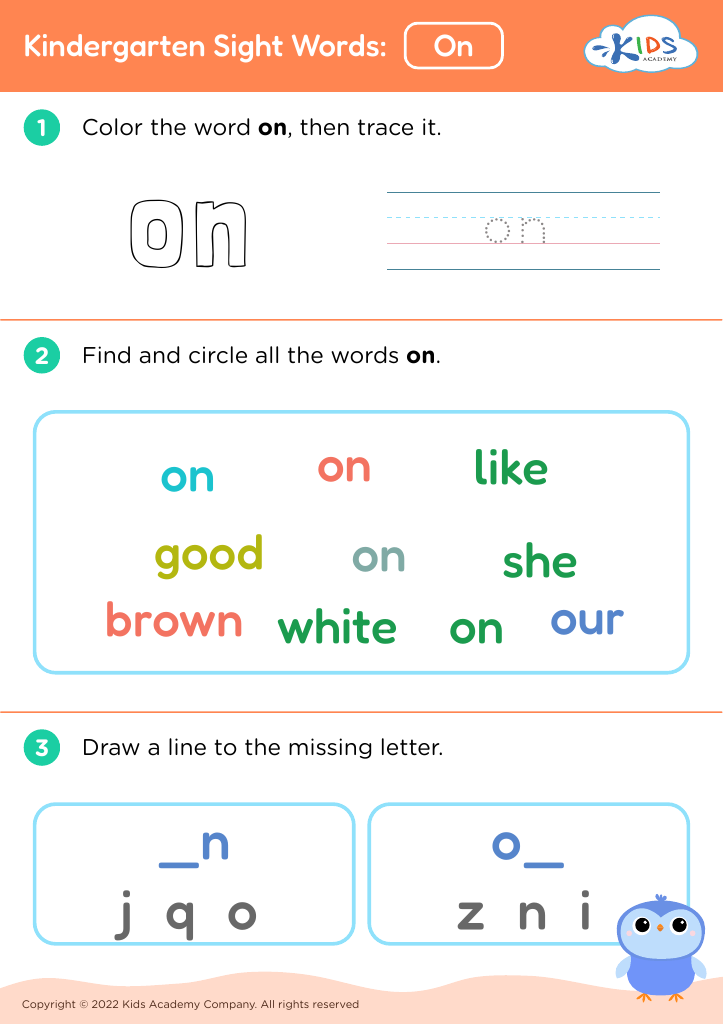


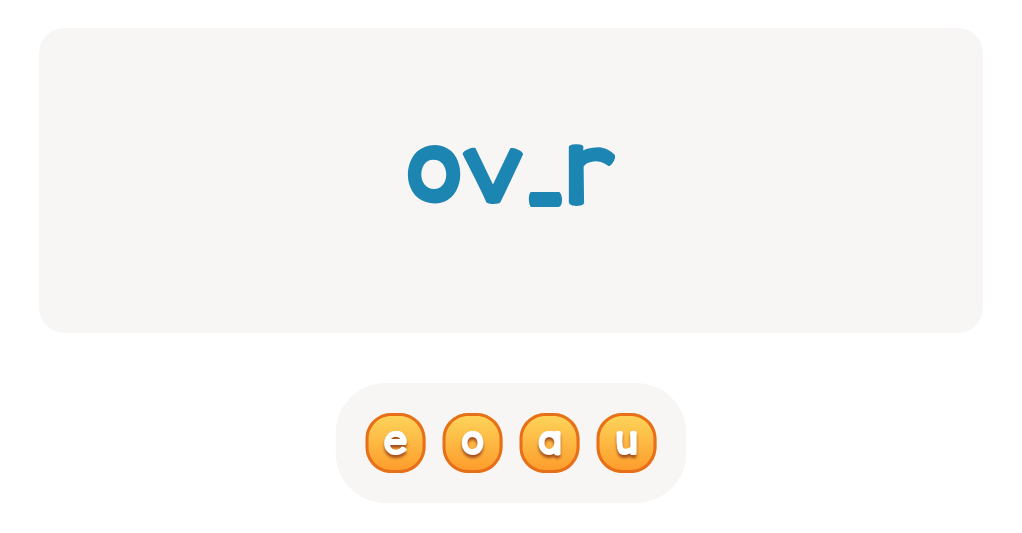
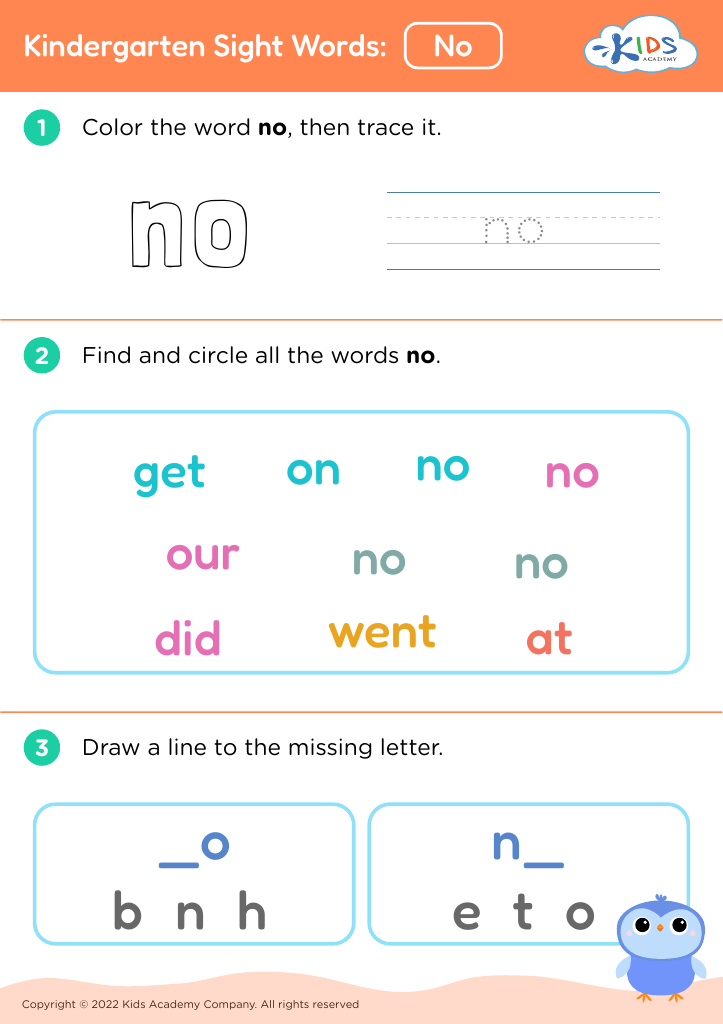
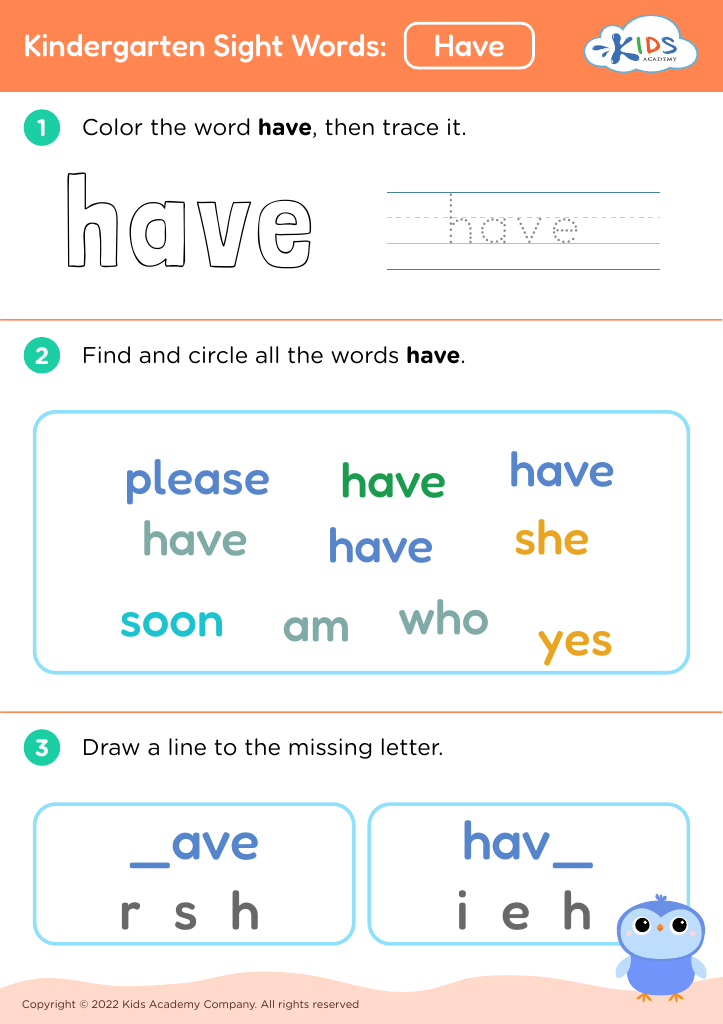
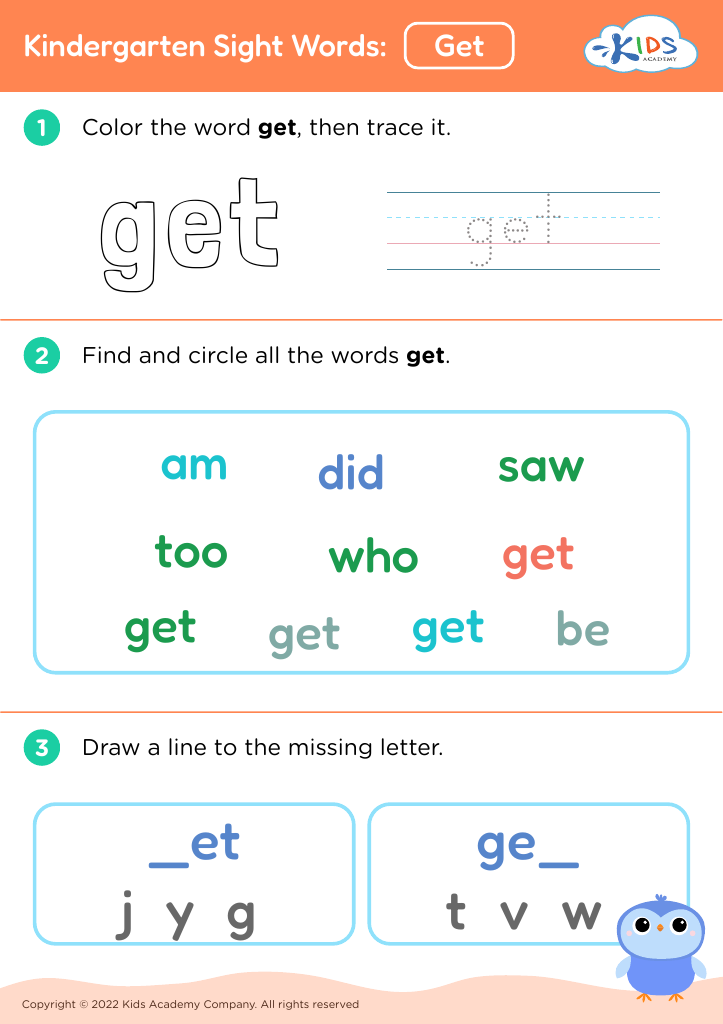
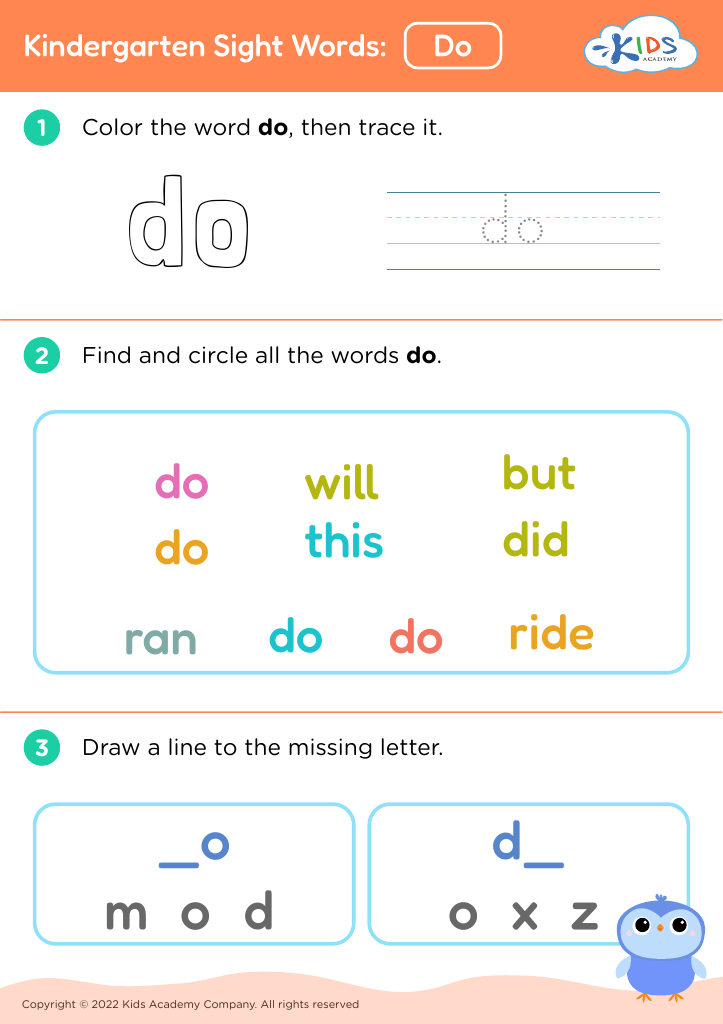
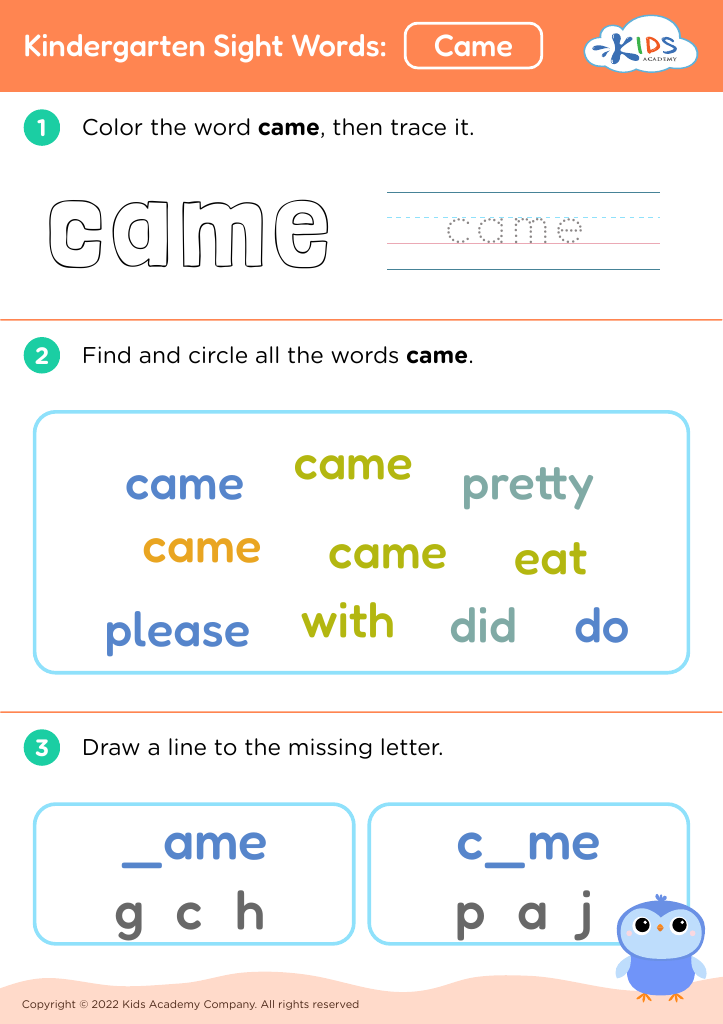
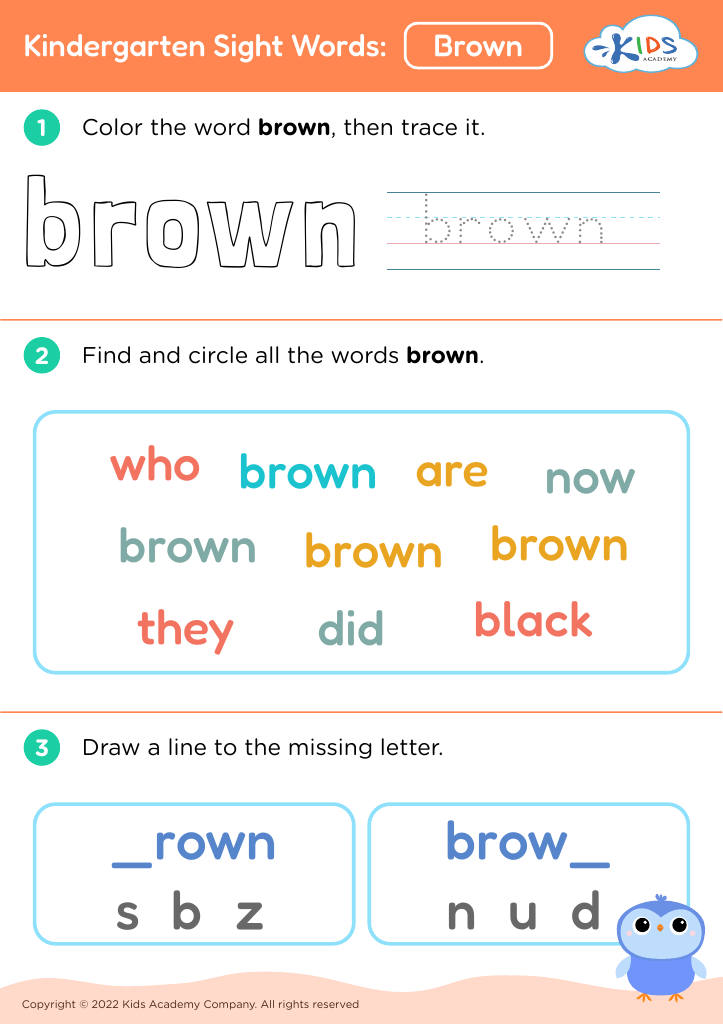
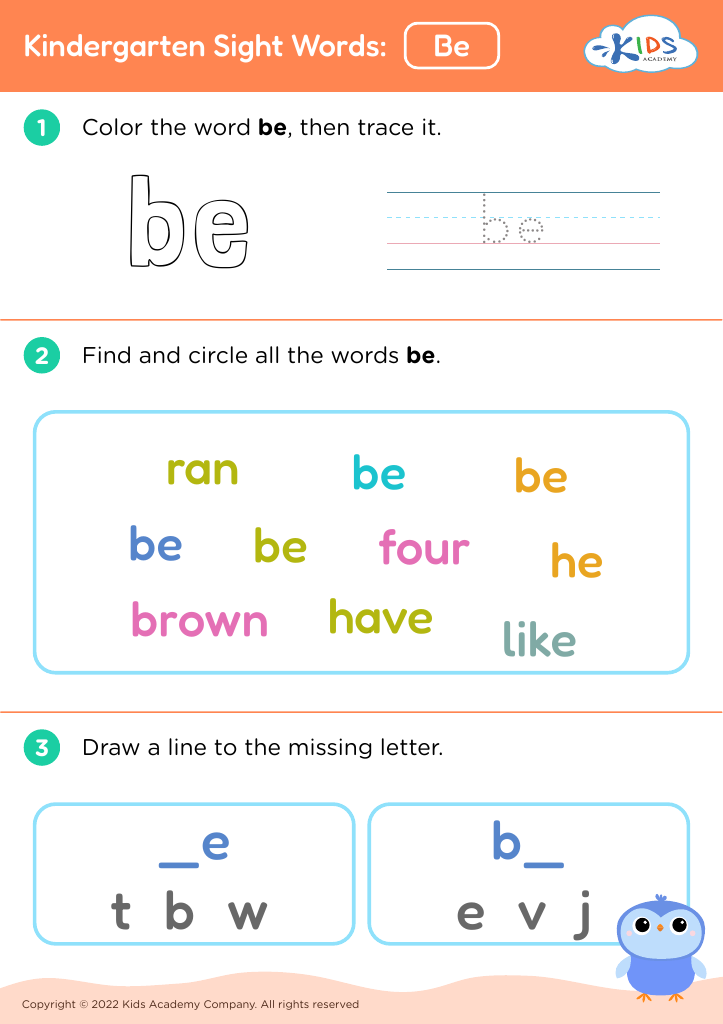
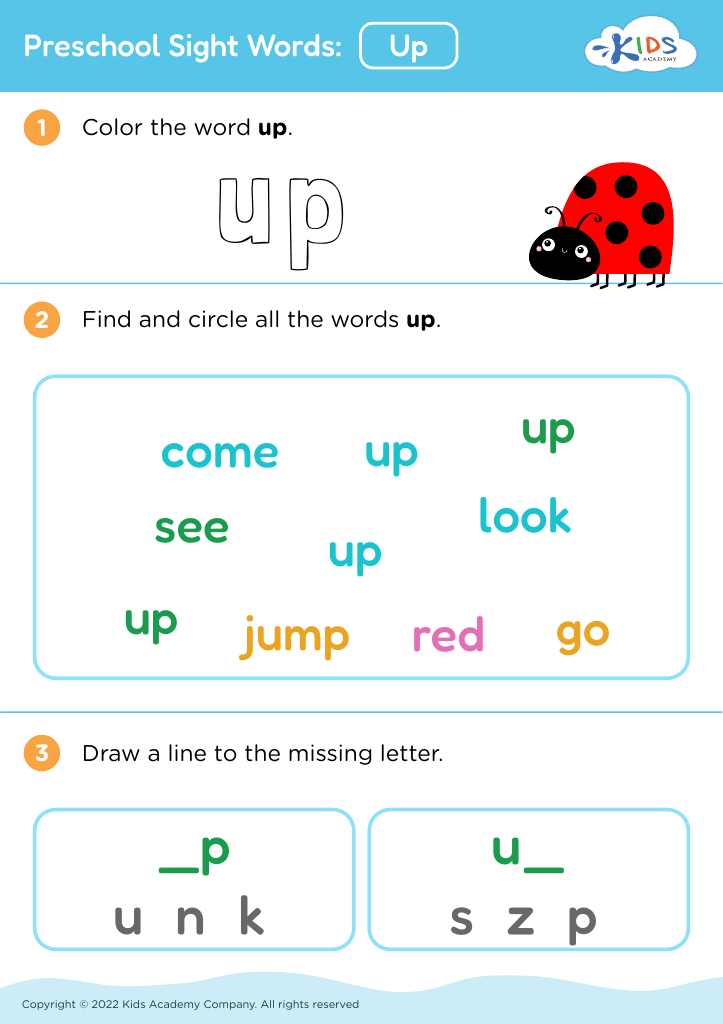
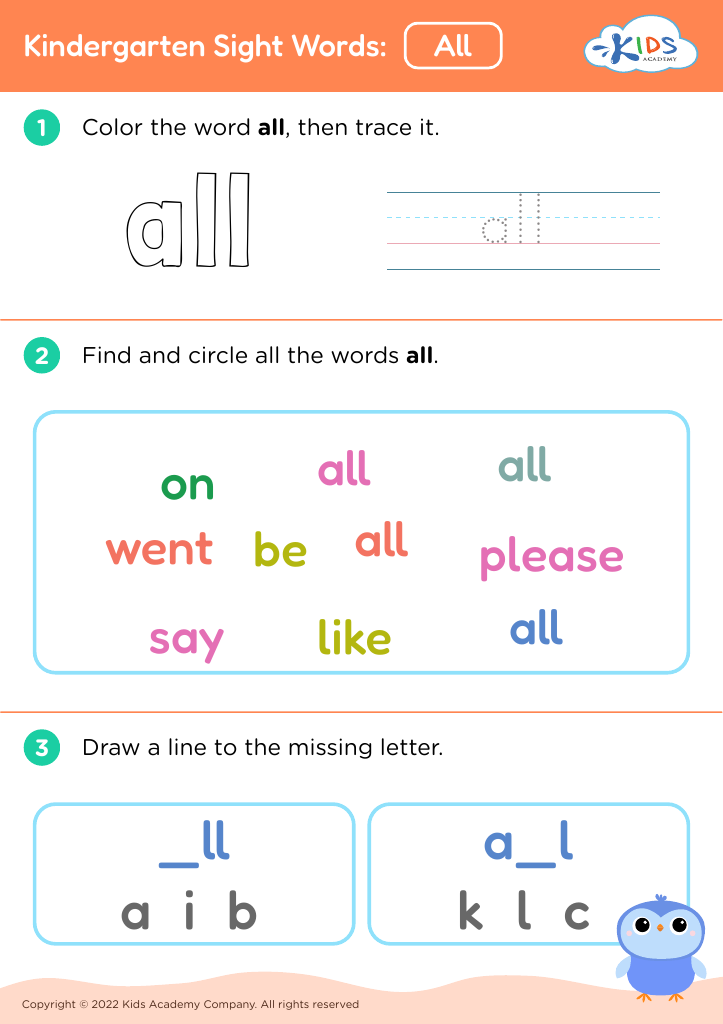








Understanding fractions and sight words are foundational skills for children ages 4-9 that significantly impact their academic success. Firstly, mastering sight words enhances a child’s reading fluency and comprehension. Sight words make up a substantial portion of the texts children encounter; by recognizing these words instantly, children can focus on understanding the stories and concepts rather than decoding each individual word. This ease in reading boosts their confidence and fosters a love for literature.
Similarly, an understanding of fractions lays the groundwork for more advanced mathematical concepts. Children who grasp fractions early are better equipped to tackle topics like addition and subtraction with fractions, ratios, and proportions later on. Fractions also foster critical thinking; for instance, children learn to make comparisons, understand parts of a whole, and begin to think logically about quantities.
Parents and teachers play a crucial role in facilitating these skills through playful activities, interactive learning, and real-life applications. When children are supported in learning sight words and fractions, they develop a greater aptitude for both reading and mathematics, which can lead to higher achievements in school. Given these formative years, nurturing these abilities can set the stage for lifelong learning and success.