Color recognition History Worksheets for Ages 4-9
3 filtered results
Difficulty Level
Grade
Age
-
From - To
Subject
Activity
Standards
Explore our engaging Color Recognition History Worksheets designed for children aged 4-9! These interactive worksheets combine fun activities with essential history lessons, helping young learners develop their color recognition skills alongside understanding important historical concepts. Each worksheet features vibrant images and carefully crafted questions that appeal to young minds, making learning both enjoyable and effective. Ideal for home or classroom use, these resources support early education by fostering creativity, critical thinking, and color awareness. Dive into the colorful world of history while enhancing your child's learning experience with our thoughtfully designed worksheets today! Perfect for parents and teachers alike!
Favorites
With answer key
Interactive
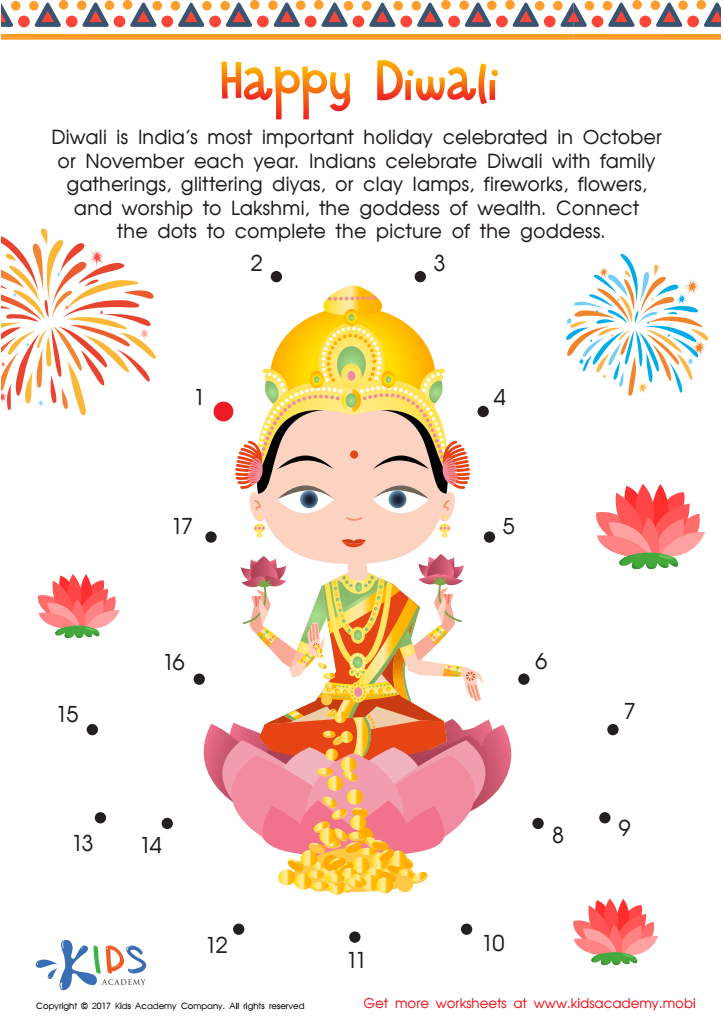
Happy Diwali Printable
Explore India this Diwali! Learn about India's most significant holiday, Diwali, with this fun-filled printable activity for kids. Your child can gain an appreciation for Indian culture with this Diwali dot to dot worksheet.
Happy Diwali Printable
Worksheet
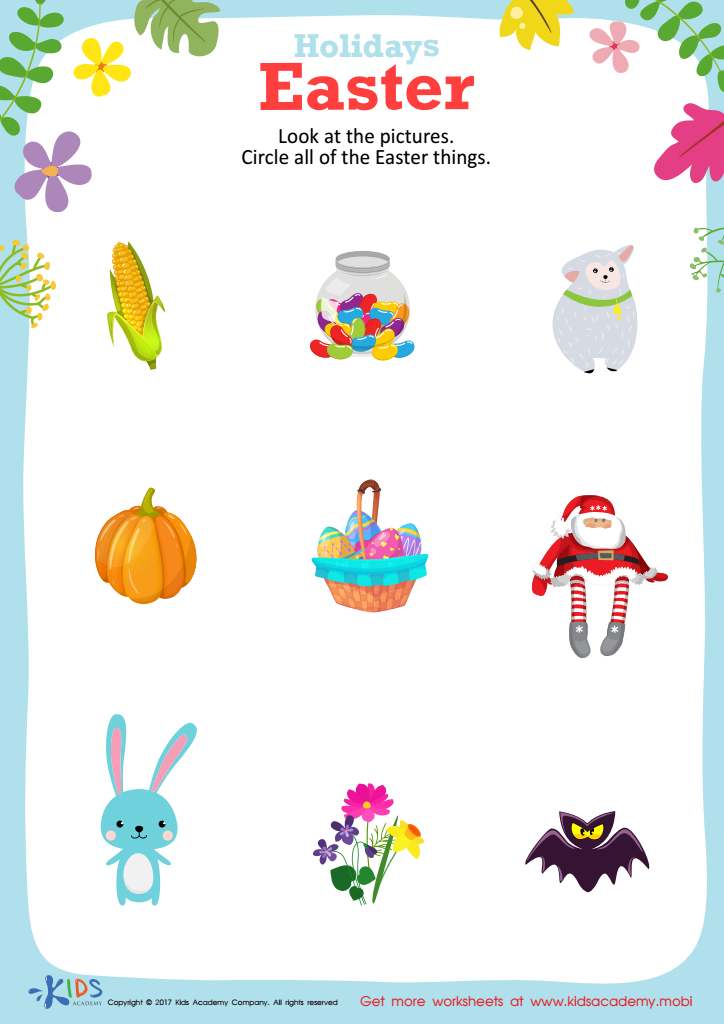
Easter Holiday Printable
This printable Easter worksheet helps your child identify symbols associated with the holiday. Pick out the pictures that usually signify Easter and your little one will gain an understanding of the holiday's meaning. With this free activity, springtime just got more exciting!
Easter Holiday Printable
Worksheet
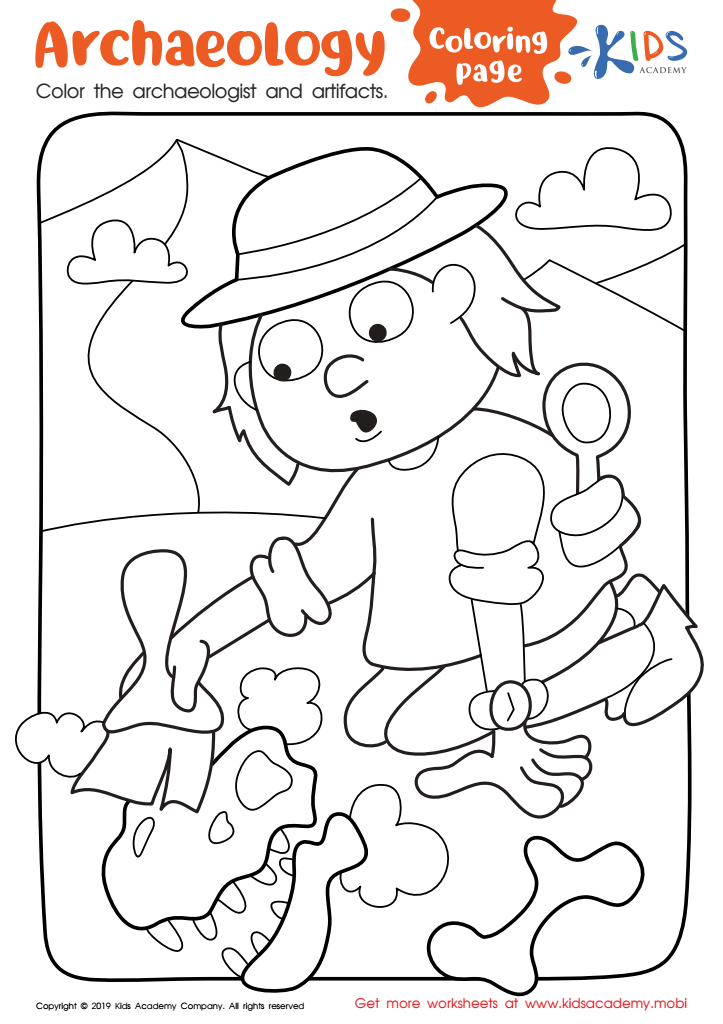
Archaelogy Coloring Page Worksheet
Colour and learn with this fun sheet! It's a great way for kids to find out what archeologists do; from digging for artifacts, to learning about their tools, to discovering what makes something an artifact. They'll have a blast while learning about history, honing their creativity and imagination.
Download (PDF)
 Assign to My Students
Assign to My Students
Archaelogy Coloring Page Worksheet
Worksheet
Join Kids Academy for Free
Who is primarily going to use this learning content?




.jpg)



Color recognition is a fundamental skill for children aged 4-9, playing a crucial role in their cognitive development, literacy, and everyday life. Parents and teachers should care about this aspect of early education because it lays the groundwork for more complex learning paths. Understanding colors helps develop vocabulary, enhances language skills, and fosters creativity. When children can identify and name colors, they are more capable of expressing themselves and distinguishing differences between objects, which is vital for critical thinking and problem-solving.
Moreover, color recognition ties directly to emotional and social development. Colors often evoke feelings and can be used in art and storytelling to convey moods and themes, encouraging children to connect on deeper levels with the material. Collaborating on color-related activities promotes teamwork and cooperation among peers, essential skills for future interactions.
Finally, awareness of color recognition history informs parents and teachers about the methods and practices that have succeeded over time. By integrating techniques rooted in developmental psychology, educators can facilitate enjoyable and effective learning experiences. Ultimately, caring about this topic means nurturing well-rounded learners who are not only prepared academically but also socially and emotionally for their next educational steps.