Filters

81 filtered results

Clear all filters
Favorites
With answer key
Interactive

81 filtered results

Difficulty Level

Grade


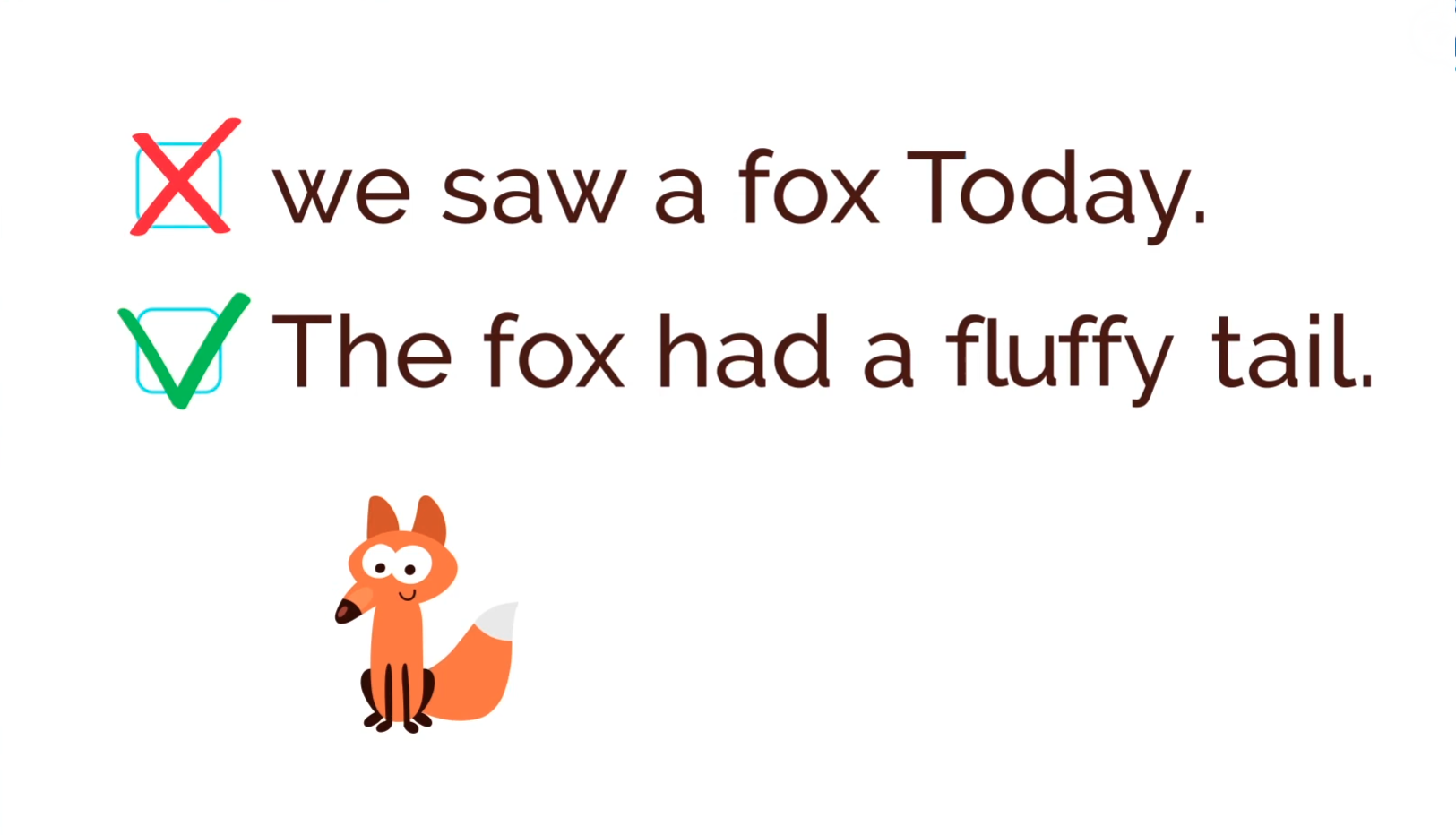
Check out this FREE Trial Lesson on Grammar for age 4-9!

Decode Multi-syllabic Words

Favorites
With answer key
Interactive
  • 4-9
  • Reading comprehension
  • Grammar
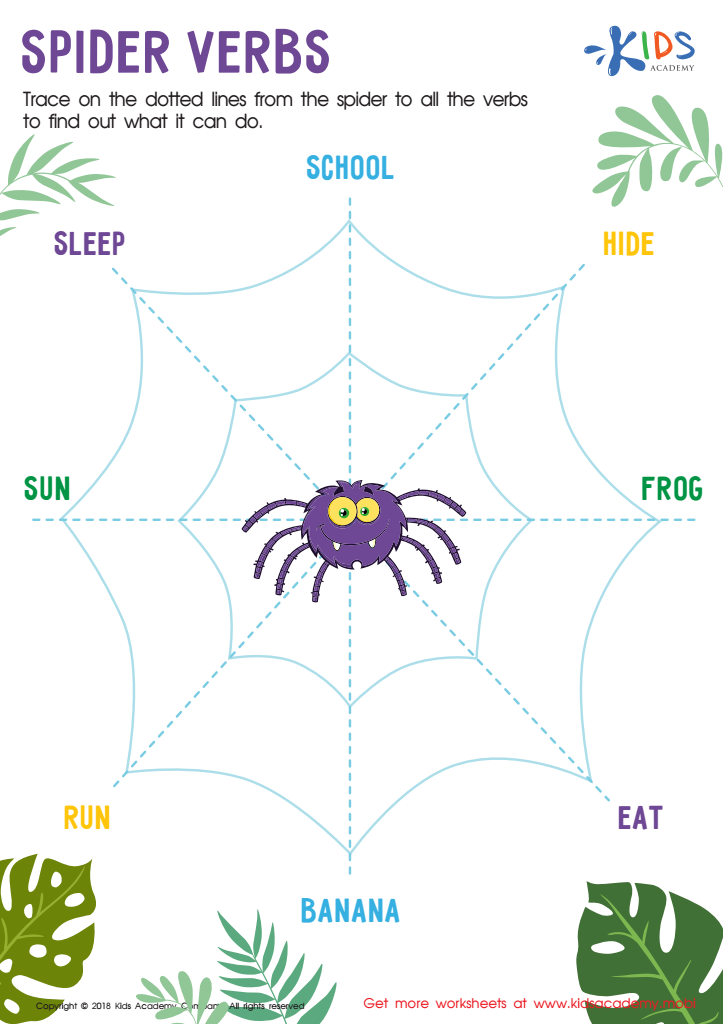
Spider Verbs Worksheet

Spider Verbs Worksheet

Verbs are action words. Examples: run, play, talk. Show your child this tracing sheet for them to learn about verbs. Ask them to trace the dotted lines from the spider to the words that are verbs. These words are what the spider can do.
Spider Verbs Worksheet
Worksheet
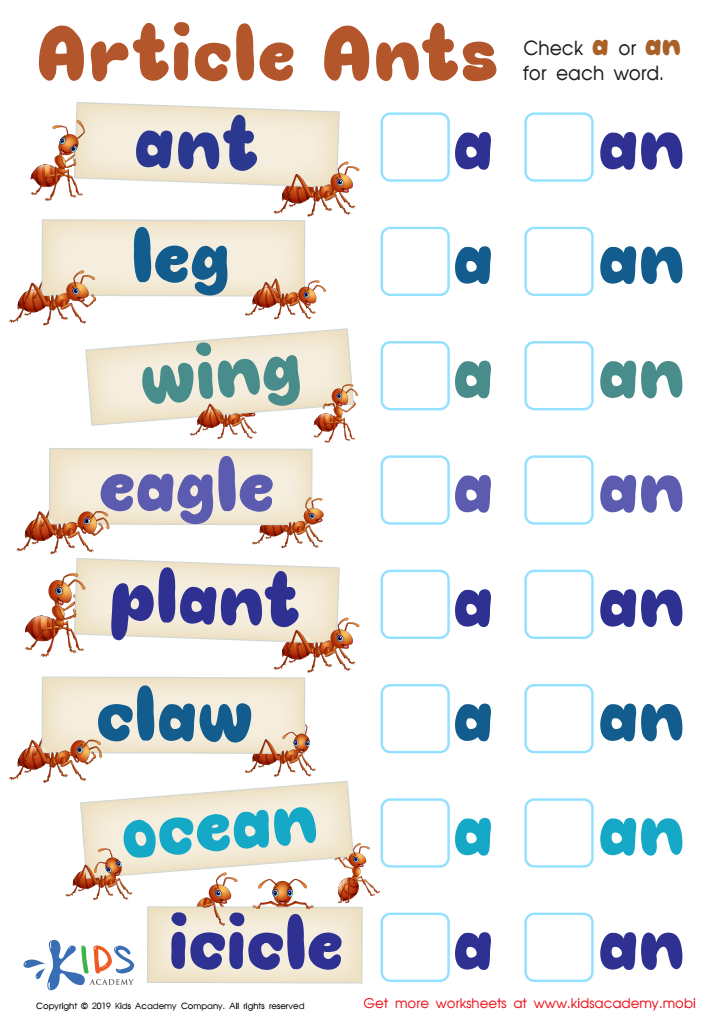
Article Ants Worksheet

Article Ants Worksheet

Help your child master using "a" and "an" with this fun worksheet! Remind them that "an" goes with vowel sounds, while "a" is used for consonants. Have them check the right box next to each word to complete the activity.
Article Ants Worksheet
Worksheet
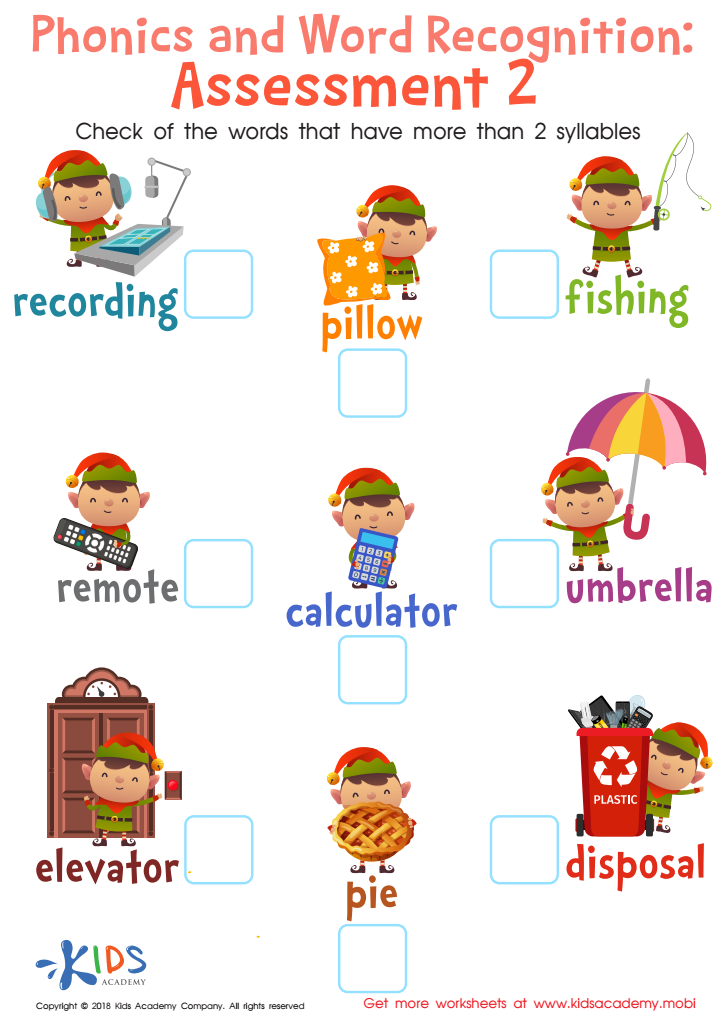
Phonics and Word Recognition: Assessment 2 Worksheet
Phonics and Word Recognition: Assessment 2 Worksheet

Help your kids learn proper pronunciation by counting syllables. Most words they'll encounter have 1-3 syllables, making them simple to say. Have them repeat the words in your worksheet after you. Focus on longer words with more than two syllables.
Phonics and Word Recognition: Assessment 2 Worksheet
Worksheet
Tasty Verbs Worksheet

Tasty Verbs Worksheet

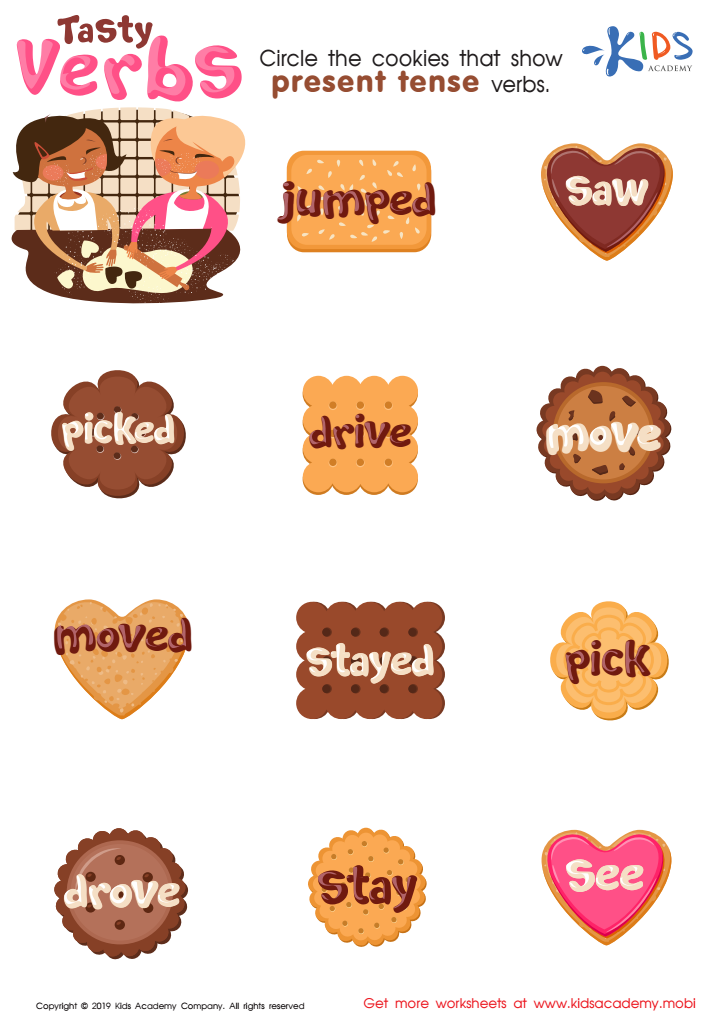
Verbs can show actions, past events, and future happenings. Master present tense verbs with this cookie-themed worksheet! Read the verbs on each cookie and help kids form sentences using the word in present tense. Circle the correct answers for each cookie. Give them a tasty treat while learning something new!
Tasty Verbs Worksheet
Worksheet
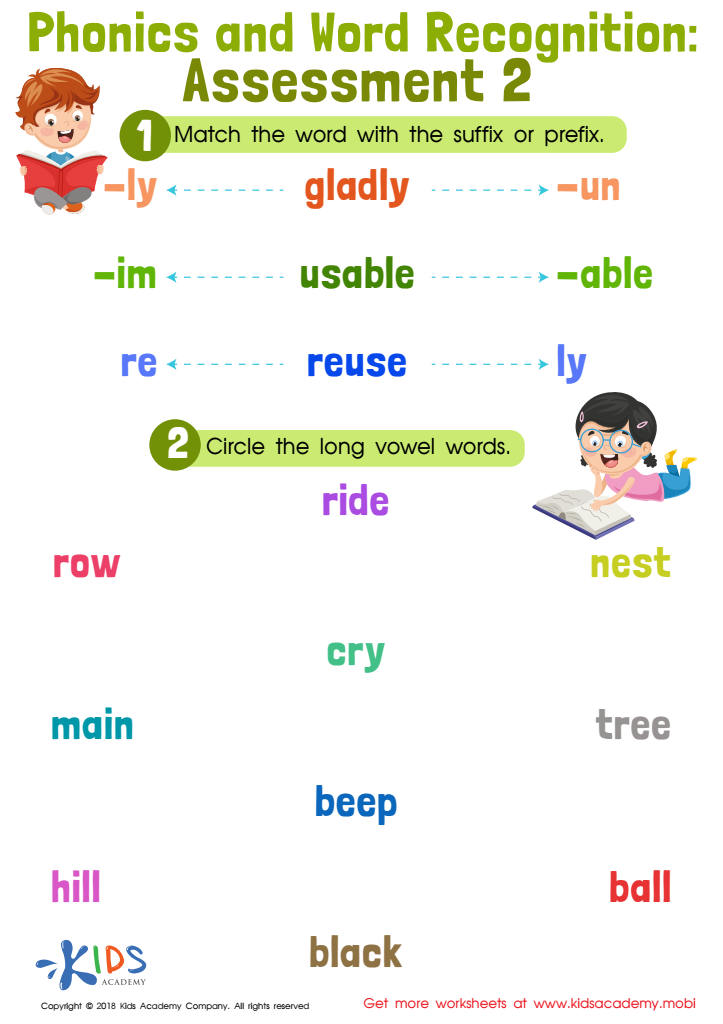
Phonics and Word Recognition: Assessment 2

Phonics and Word Recognition: Assessment 2

Give kids common examples of suffixes and prefixes, such as "un-," "unhappy," "ness," "happyness." Ask them to match each word in the word recognition exercise to the correct suffix or prefix. Test phonetic understanding by having them circle the long vowel sounds.
Phonics and Word Recognition: Assessment 2
Worksheet
Conjunctions PDF worksheet for 3rd grade

Conjunctions Worksheet

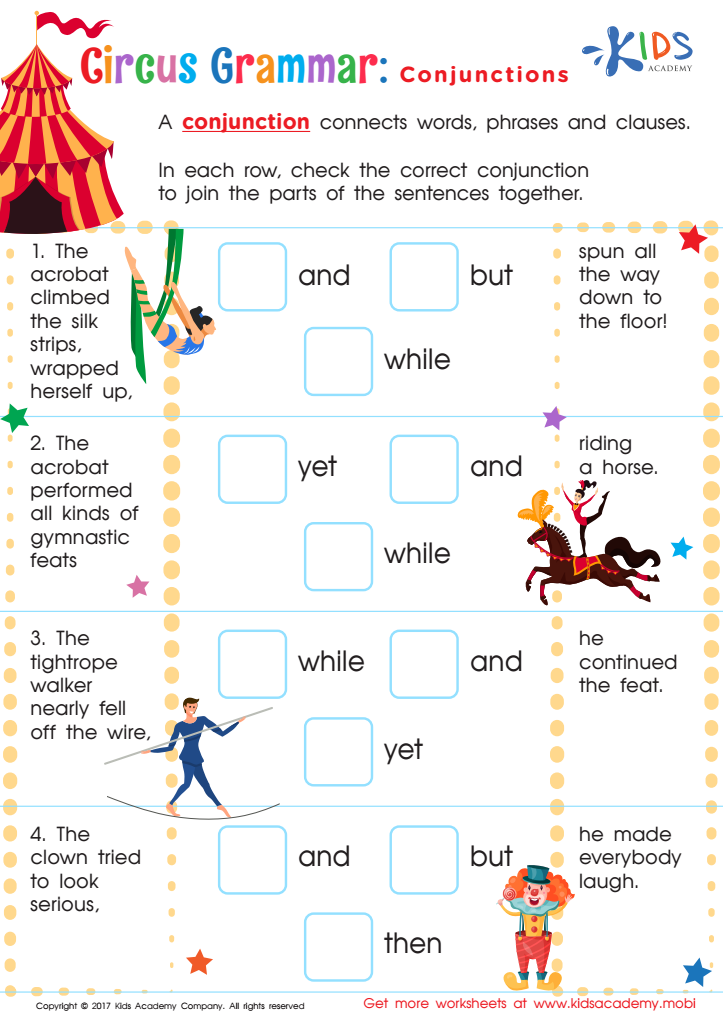
Teach kids conjunctions with a fun circus-themed PDF worksheet! It connects words, phrases and clauses, making language flow and make sense. Perfect for 3rd graders, it's a colorful and entertaining way to learn this essential grammar concept.
Conjunctions Worksheet
Worksheet
Race Car Verbs Worksheet

Race Car Verbs Worksheet

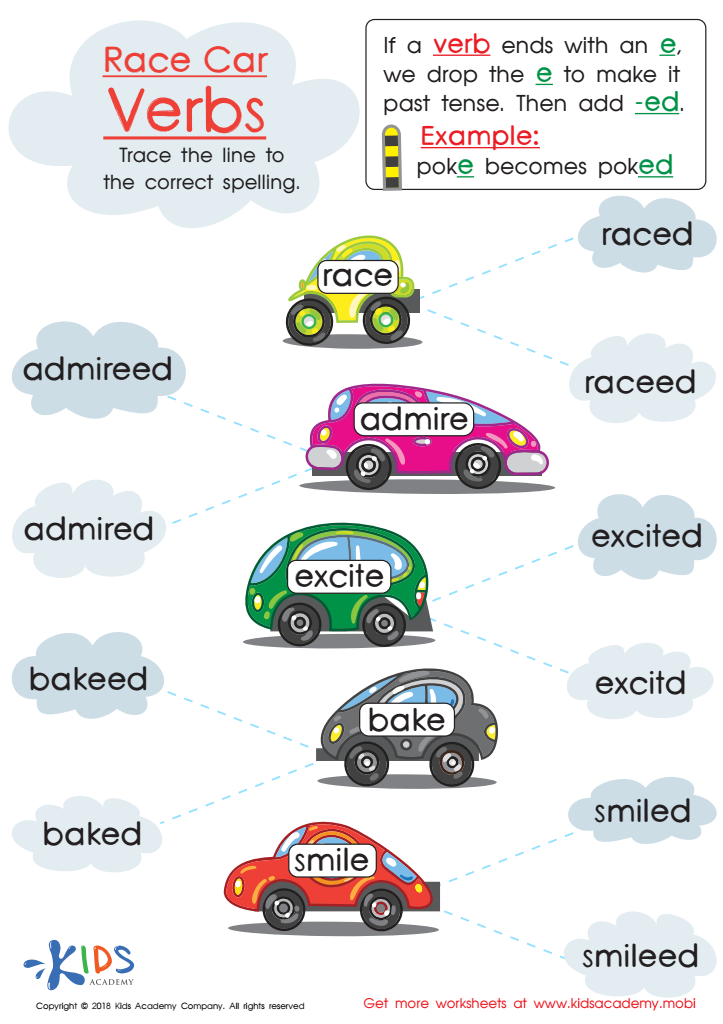
Help your child learn to spell and write with this fun car-themed worksheet! Read the words in the center of each car and review their past tense versions in the smoke. Have your learner trace the line from each car to the correctly spelled word – and don't forget to drop the 'e' before adding an -ed ending!
Race Car Verbs Worksheet
Worksheet
Reading: What Is the Prefix Worksheet

Reading: What Is the Prefix Worksheet

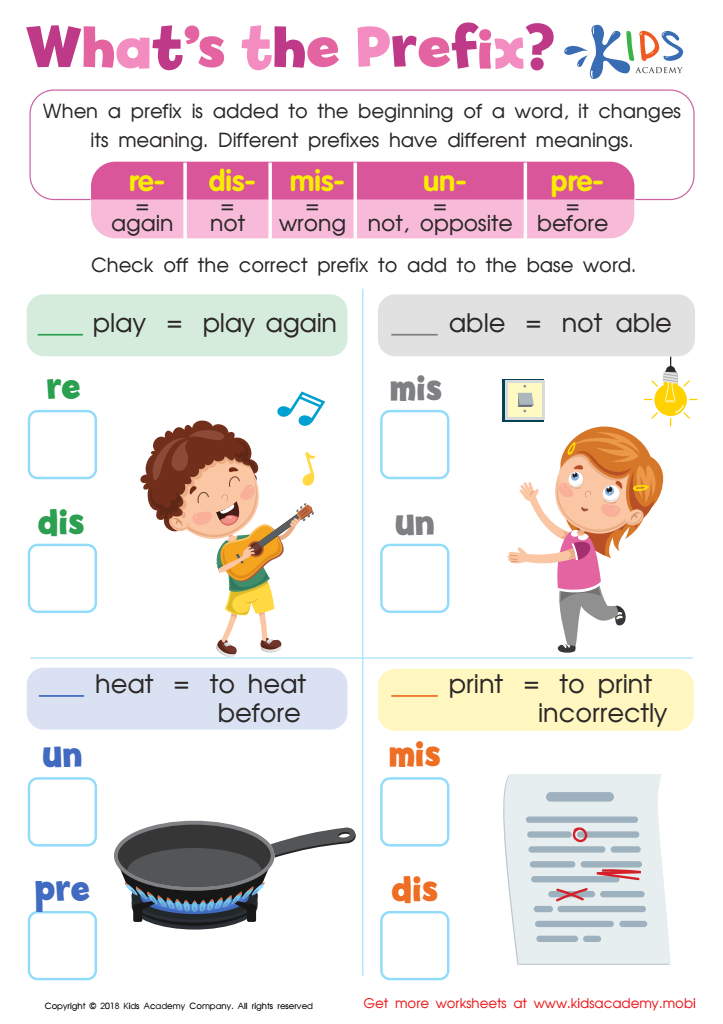
This worksheet helps children learn about prefixes by matching pictures and base words with the correct prefix. Learning these prefixes and their meanings is essential for reading and vocabulary comprehension. Use this free download to check your students' understanding.
Reading: What Is the Prefix Worksheet
Worksheet
And Worksheet Sight Words Worksheet

And Worksheet Sight Words Worksheet

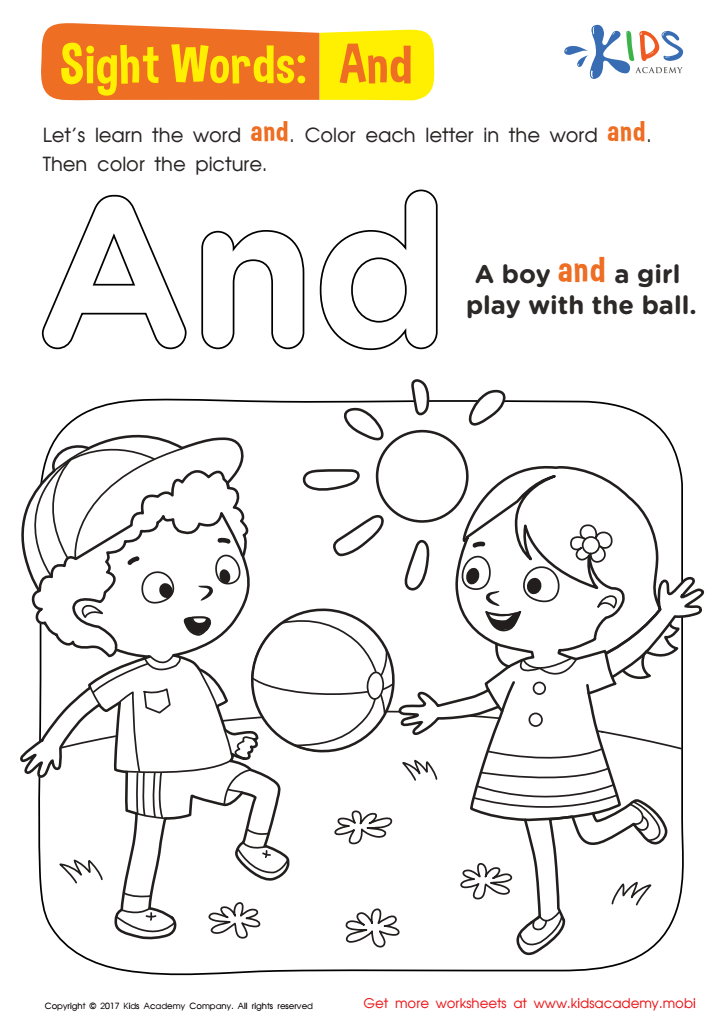
Help your child get a jumpstart on reading with sight words! Print out this fun worksheet and get your child to read the sentence. Point out the word "and", then color the word and enjoy the rest of the scene! It's a great way to introduce sight words and get their early reading skills going!
Download (PDF)
Assign to My Students
And Worksheet Sight Words Worksheet
Worksheet


... 3 4

Reading comprehension and grammar are crucial for children ages 4-9, as they form the foundation for successful communication and literacy skills. During this pivotal developmental stage, children are not only learning to read but also making sense of what they read. Effective reading comprehension boosts a child’s ability to understand stories and information, fostering critical thinking and the ability to analyze texts. This understanding helps children develop empathy, as they begin to connect with characters and situations in books.

Grammar plays an integral role in developing strong communication skills. It equips children with the rules of language, enabling them to construct clear sentences and express their thoughts coherently. Proper grammar helps avoid misunderstandings in both written and spoken interactions, essential for developing social skills. Furthermore, a solid grasp of grammar enhances writing abilities as children progress in their education.

Parents and teachers should prioritize reading comprehension and grammar because they significantly impact academic success and overall confidence in literacy. Fostering these skills early on not only aids in current learning but also prepares children for more complex concepts in the future, creating lifelong learners equipped to navigate an increasingly complex world. Investing time in these areas cultivates a love for reading and learning that extends beyond the classroom.