
Sentence structure understanding Grammar Worksheets for Ages 4-9
3 filtered results
Difficulty Level
Grade
Age
-
From - To
Subject
Activity
Standards
Discover engaging Sentence Structure Understanding Grammar Worksheets designed for children ages 4-9! Our carefully crafted resources help young learners grasp the fundamentals of sentence construction, enhancing their writing skills and reading comprehension. These worksheets incorporate fun activities that allow kids to explore subjects, predicates, and punctuation in a playful manner. Ideal for classrooms or at-home learning, these worksheets promote critical thinking and boost confidence in using language effectively. Perfect for early education settings, our materials are aligned with early literacy standards. Spark a love for writing and equip your child with essential grammar skills today! Explore our collection now!
Favorites
With answer key
Interactive
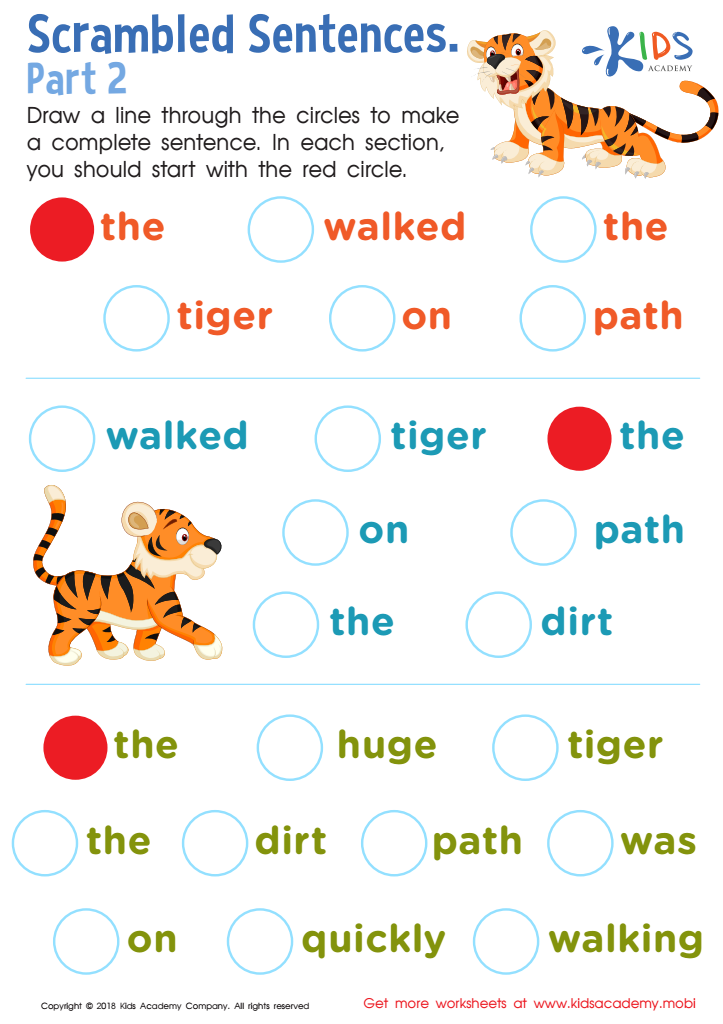
Scrambled Sentences Part 2 Worksheet
This printable worksheet helps kids construct simple, correct sentences. Introduce them to making sentences if they're new to it. Have them draw a line through the circles to form a sentence, starting with the red circle. After completing this exercise, they'll be able to craft short sentences with confidence.
Scrambled Sentences Part 2 Worksheet
Worksheet
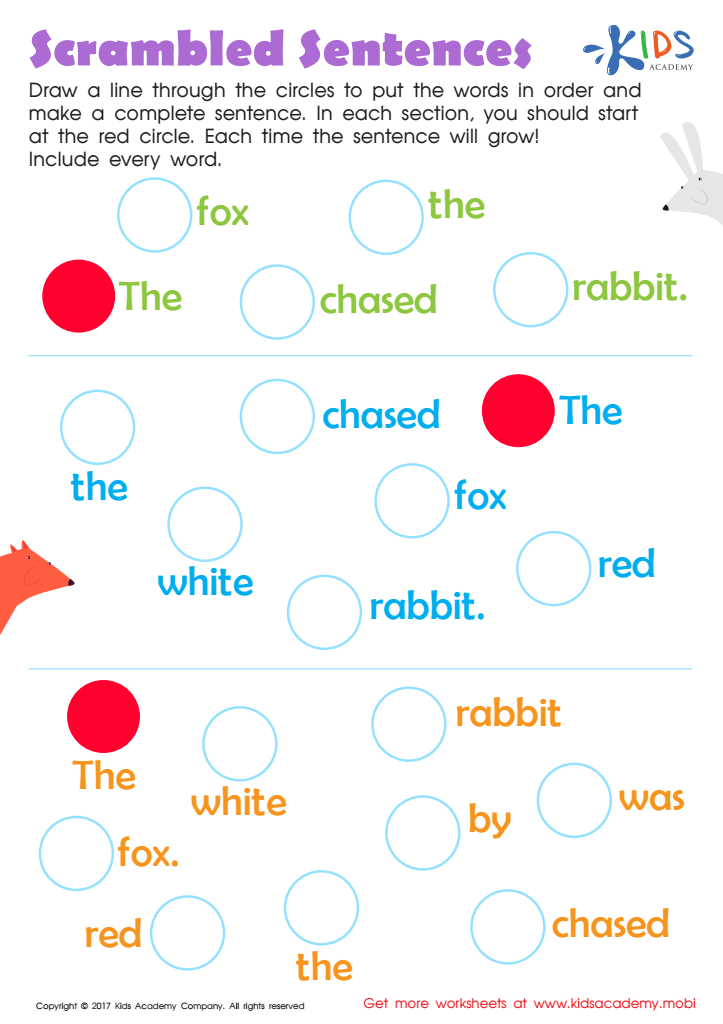
Scrambled Sentences Worksheet
Kids will have fun with the scrambled sentences worksheet: draw lines to make complete sentences. As the sentence grows, they'll learn sentence structure and word order. Easy instructions included!
Scrambled Sentences Worksheet
Worksheet
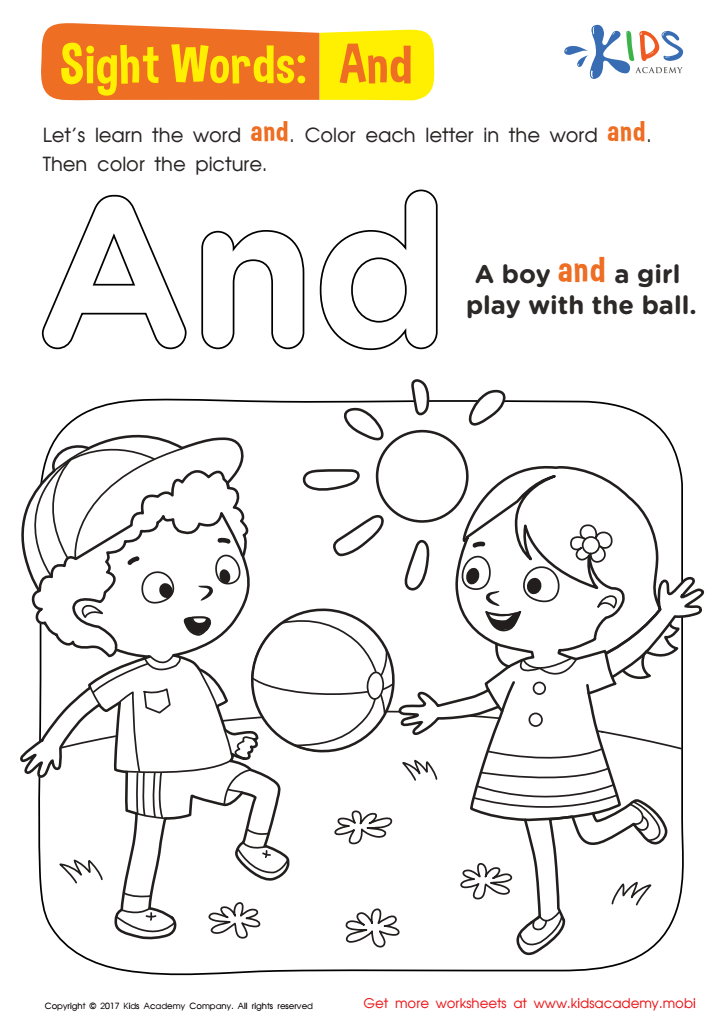
And Worksheet Sight Words Worksheet
Help your child get a jumpstart on reading with sight words! Print out this fun worksheet and get your child to read the sentence. Point out the word "and", then color the word and enjoy the rest of the scene! It's a great way to introduce sight words and get their early reading skills going!
Download (PDF)
 Assign to My Students
Assign to My Students
And Worksheet Sight Words Worksheet
Worksheet
Join Kids Academy for Free
Who is primarily going to use this learning content?



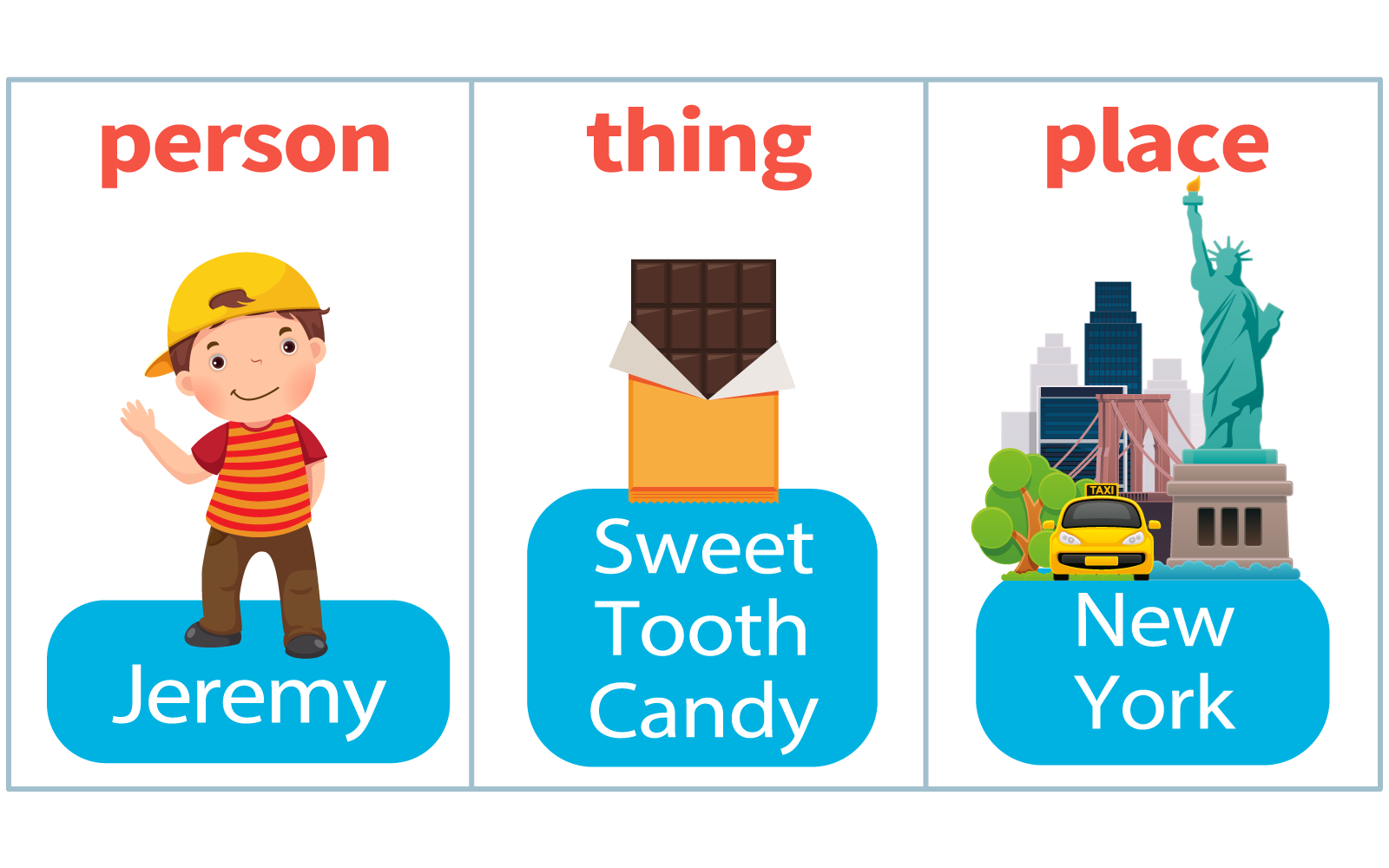



Understanding sentence structure and grammar is crucial for children aged 4-9 as it lays the foundation for effective communication and literacy skills. During these formative years, children are developing language skills that are essential for academic success and social interaction. A solid grasp of sentence structure helps them articulate their thoughts clearly and coherently, enhancing their ability to express themselves both verbally and in writing.
Teaching grammar at this age fosters cognitive development; it encourages critical thinking as children learn to construct and deconstruct sentences. They begin to understand how different words function within a sentence, which promotes better comprehension of reading materials. Moreover, early mastery of grammar helps prevent future struggles with writing and literacy rules, making the transition to more complex language easier.
For parents and teachers, emphasizing sentence structure also supports building confidence. When children can communicate effectively, they feel more empowered to participate in discussions, express their ideas, and share their stories. Ultimately, nurturing their understanding of grammar during these years contributes to lifelong skills, enhancing academic performance and facilitating effective interpersonal relationships as they grow. Thus, parents and educators should prioritize this essential aspect of language development for every child.








