Vowel Recognition Grammar Worksheets for Ages 4-9
4 filtered results
-
From - To
Welcome to our Vowel Recognition Grammar Worksheets for ages 4-9! Designed to engage young learners, these interactive worksheets help children identify and differentiate vowels, essential building blocks of reading and writing. Our materials are age-appropriate and full of fun activities, including coloring, tracing, and matching games that make learning exciting. By practicing vowel recognition, kids will enhance their phonetic skills, boost their confidence, and prepare for more advanced grammar concepts. Perfect for home or classroom use, our printable worksheets support early literacy development through creative and enjoyable exercises. Download today and watch your child thrive in their learning journey!
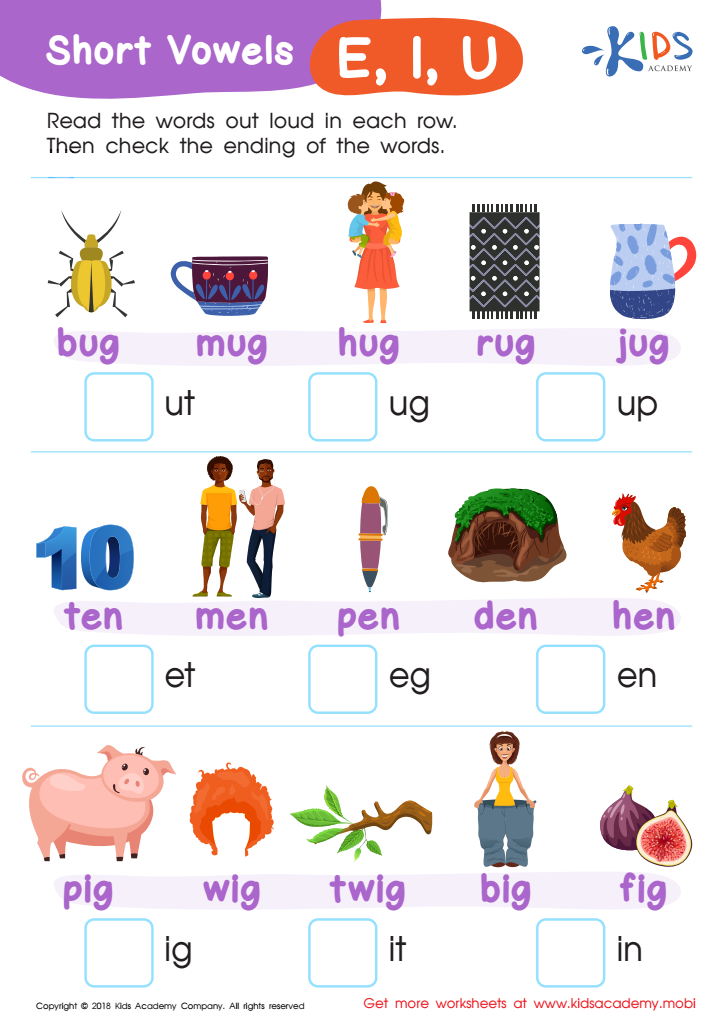
Short Vowels /e/, /i/, and /u/ Worksheet
 Assign to My Students
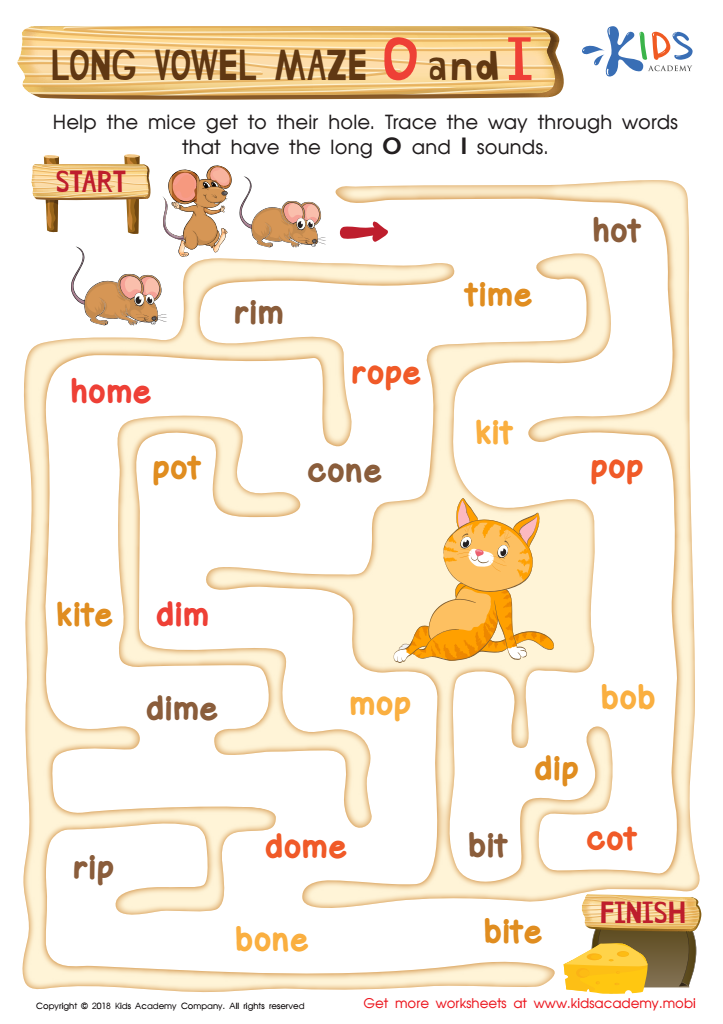
Long Vowel Maze /o/ and /i/ Worksheet
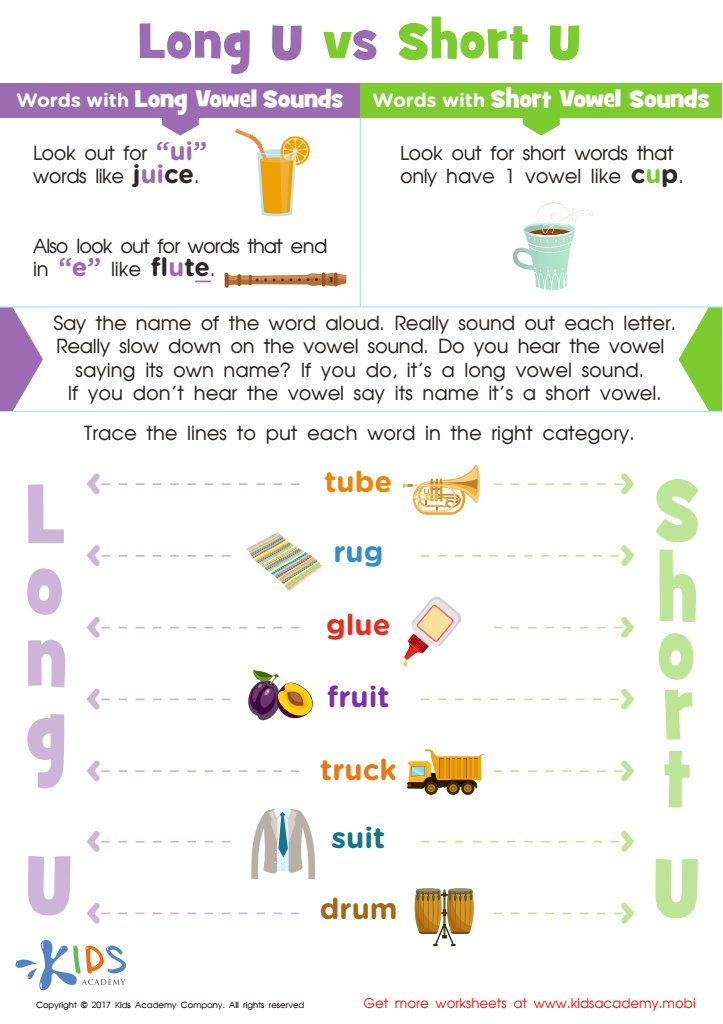
Long and Short Vowel U Spelling Worksheet
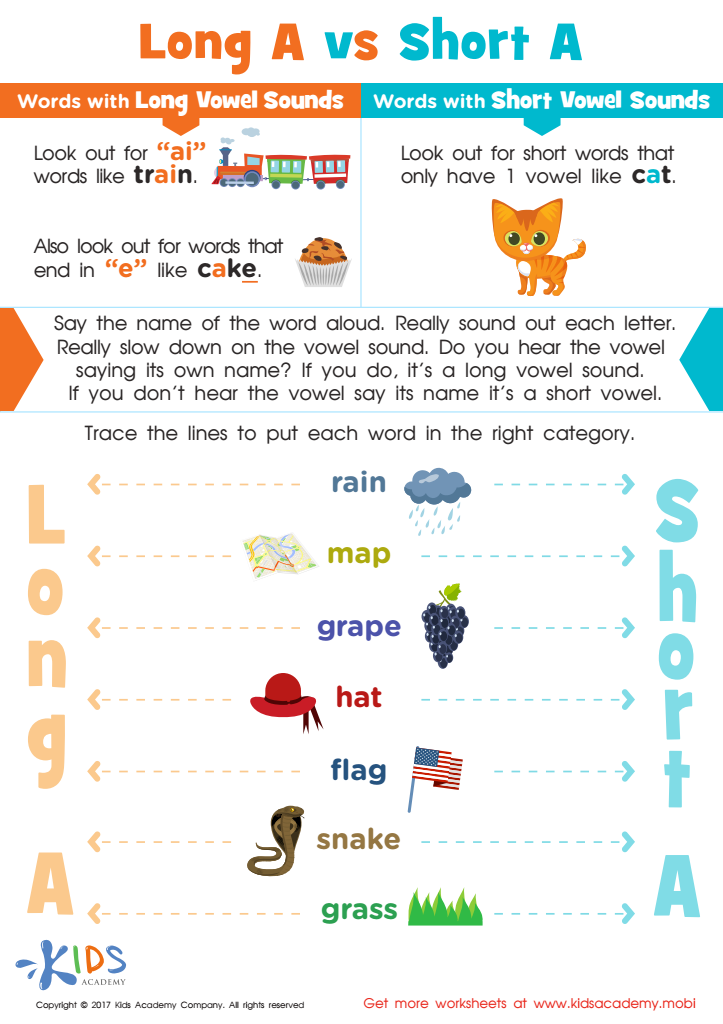
Long and Short Vowel A Spelling Worksheet




.jpg)


Vowel recognition is a fundamental skill that lays the groundwork for young children's reading and writing abilities. For ages 4-9, mastery of vowel sounds significantly enhances phonemic awareness, empowering them to decode words more effectively.
When parents and teachers prioritize vowel recognition, children become more confident readers, allowing them to engage with texts more independently. Vowel sounds are crucial for understanding word structure, as they often dictate vocabulary meaning and pronunciation.
Furthermore, fostering vowel recognition cultivates essential spelling skills. Young learners begin to grasp patterns in word formation, aiding them as they transition into more complex literacy concepts. This early focus on vowels can lead to increased fluency and comprehension skills, ultimately fostering a love for reading.
Incorporating fun and engaging vowel-focused activities—like songs, games, and stories—captures children's attention and makes learning enjoyable. This intrinsic motivation to learn is vital in sustaining their educational journey.
Ultimately, engaging in vowel recognition supports not only literacy development but also boosts children's overall cognitive abilities. Thus, both parents and teachers should care about integrating vowel recognition grammar into their teaching strategies to foster a well-rounded and strong foundation in literacy skills.








