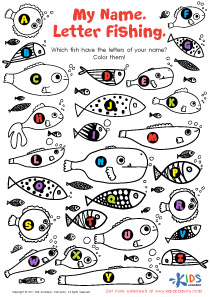
Fine Motor Skills ABC Order Worksheets for 4-Year-Olds
18 filtered results
-
From - To
Enhance your child's fine motor skills with our engaging ABC Order worksheets designed specifically for 4-year-olds! These worksheets provide a fun and interactive way for young learners to practice letter recognition and sequencing while improving their hand-eye coordination through tracing, cutting, and coloring activities. Perfect for preschool and early learning settings, our worksheets encourage creativity and focus, making learning enjoyable. Parents and teachers can use these resources to support early literacy development, helping children master the alphabet in a hands-on manner. Explore our collection today and give your little ones the tools they need for success!
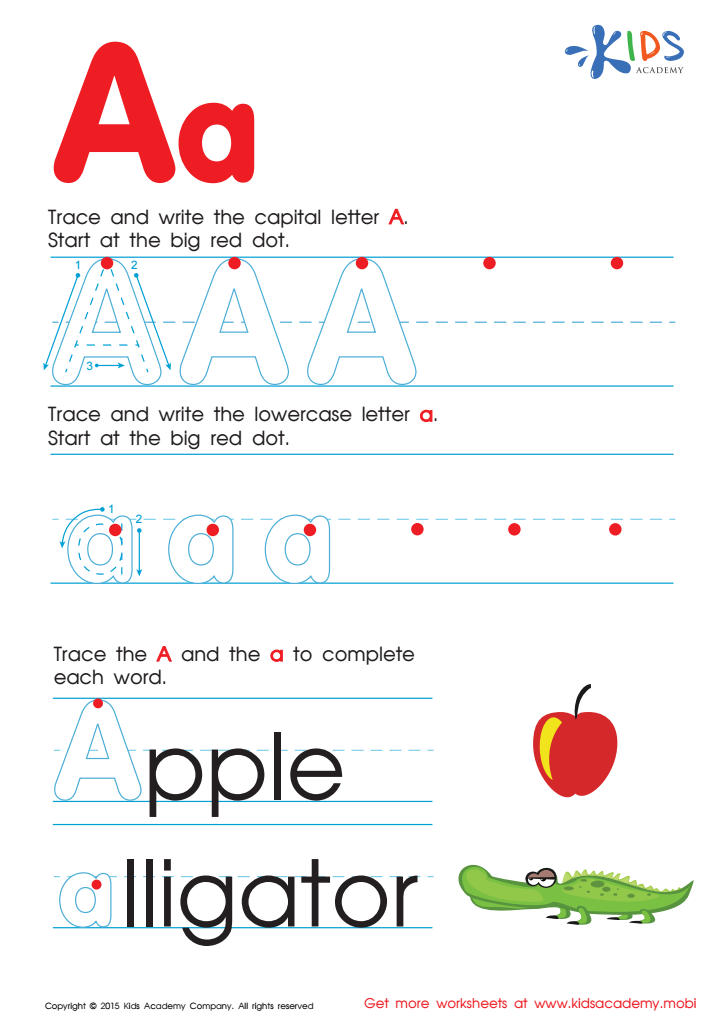
Letter A Tracing Page
 Assign to My Students











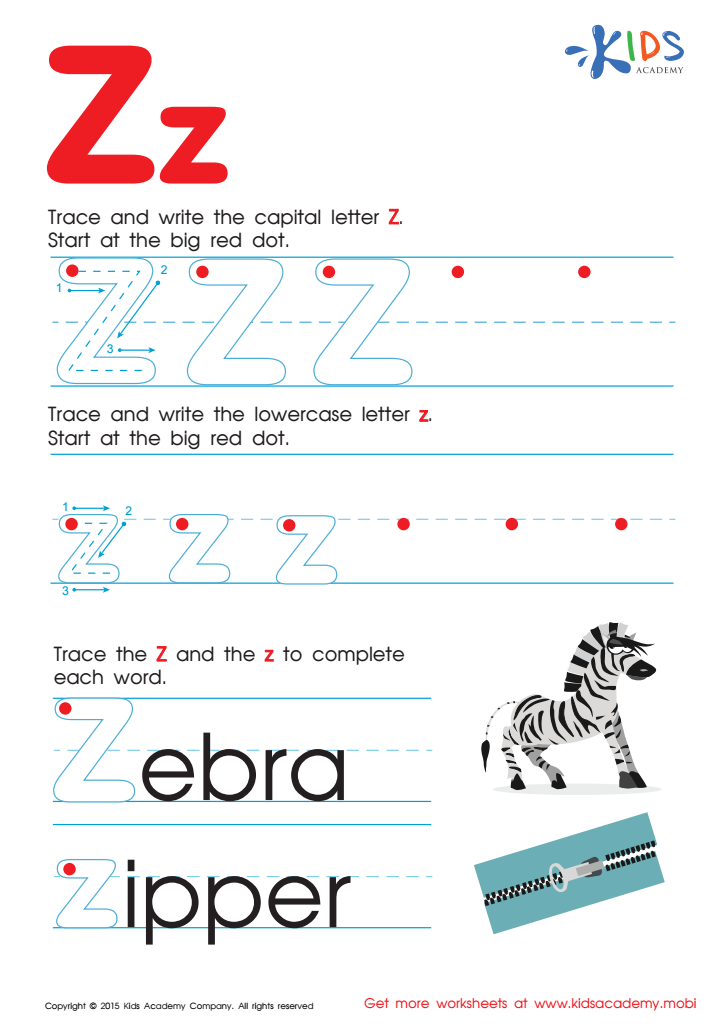
Letter Z Tracing Page
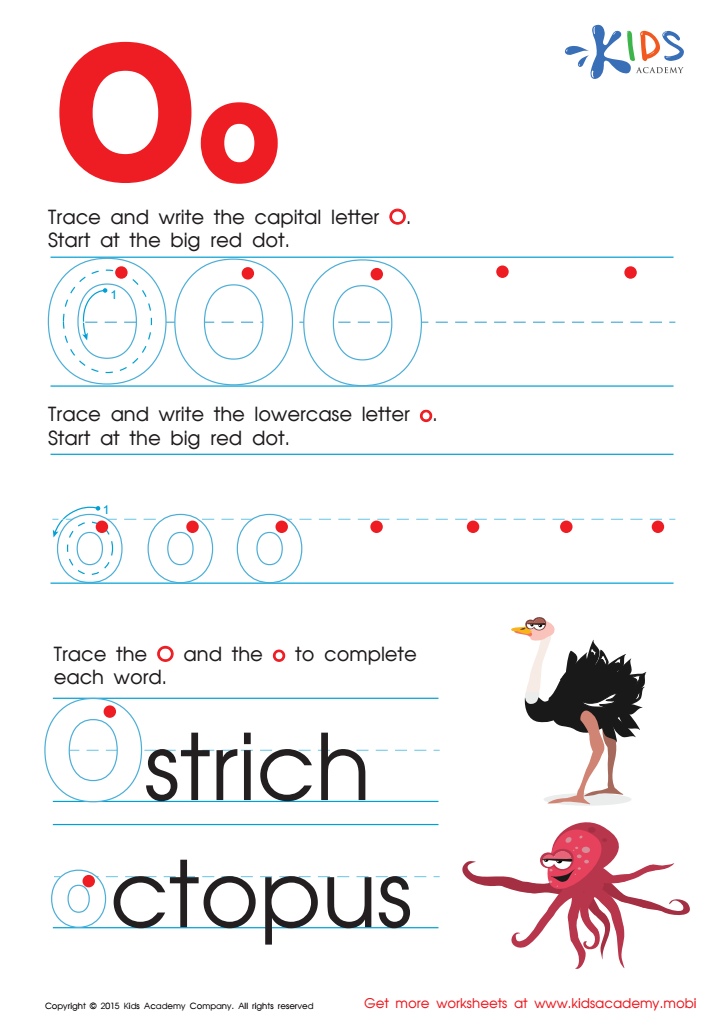
Letter O Tracing Page
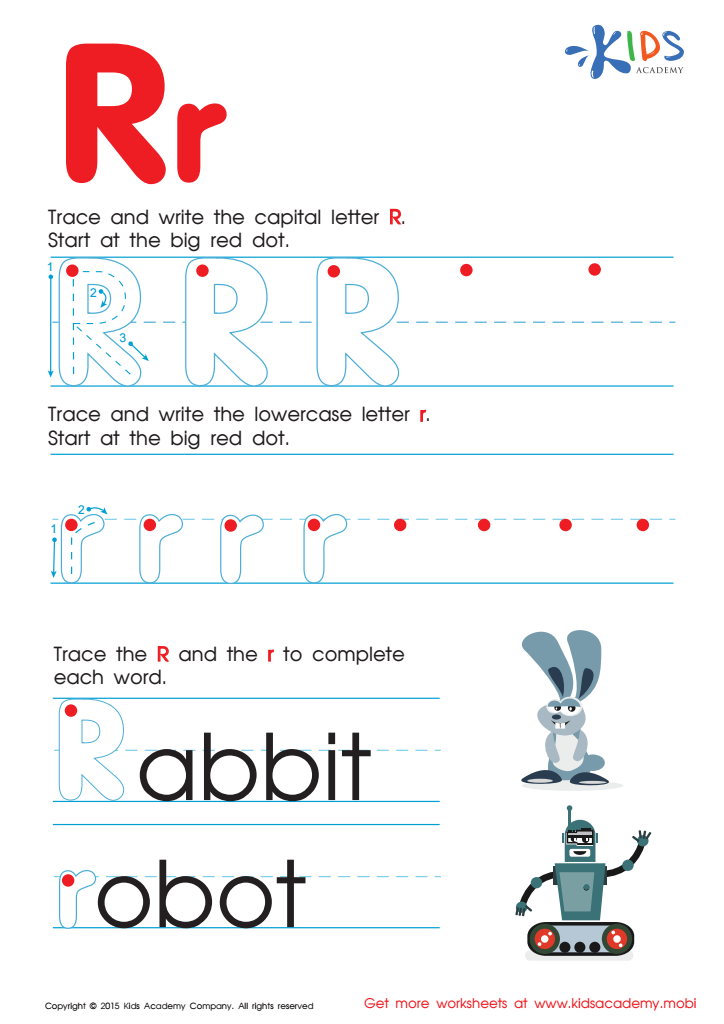
Letter R Tracing Page
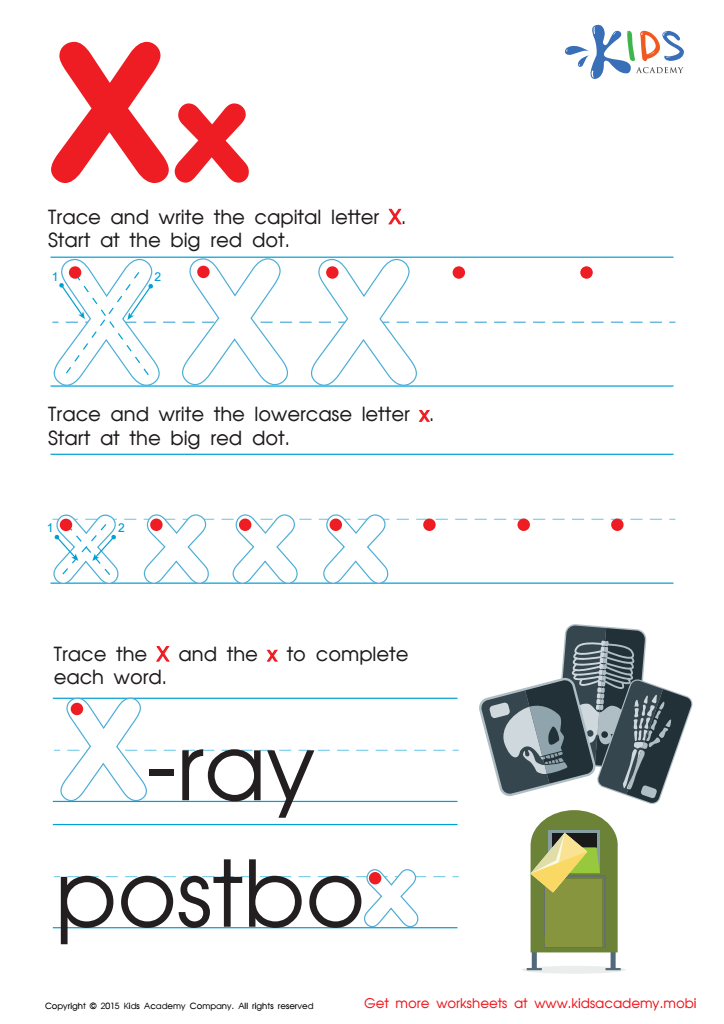
Letter X Tracing Page
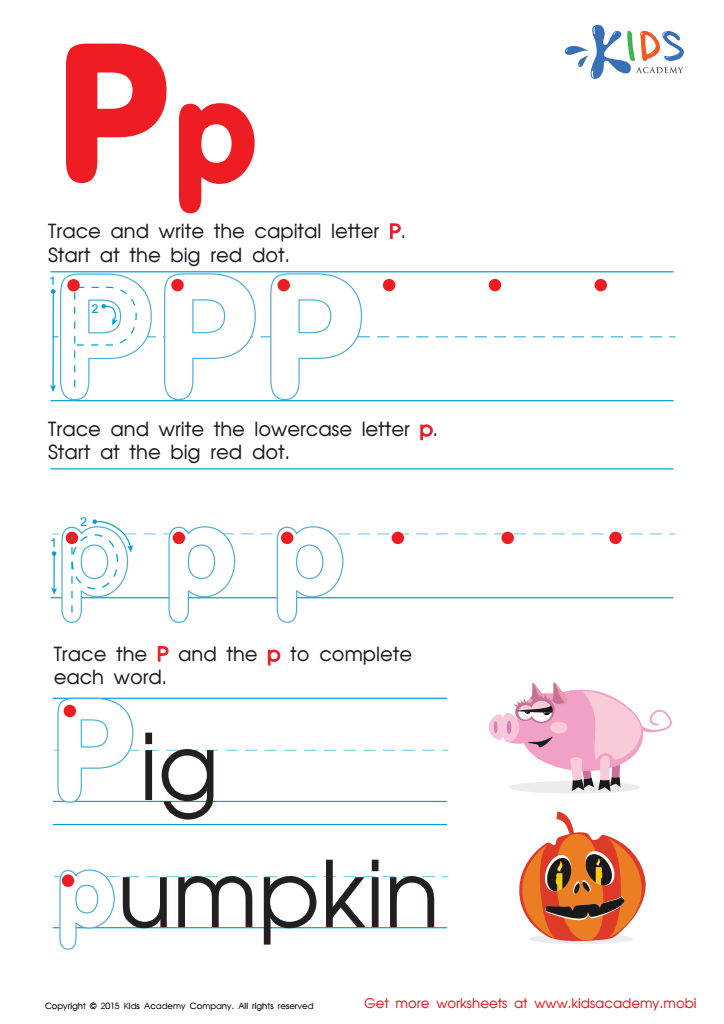
Letter P Tracing Page
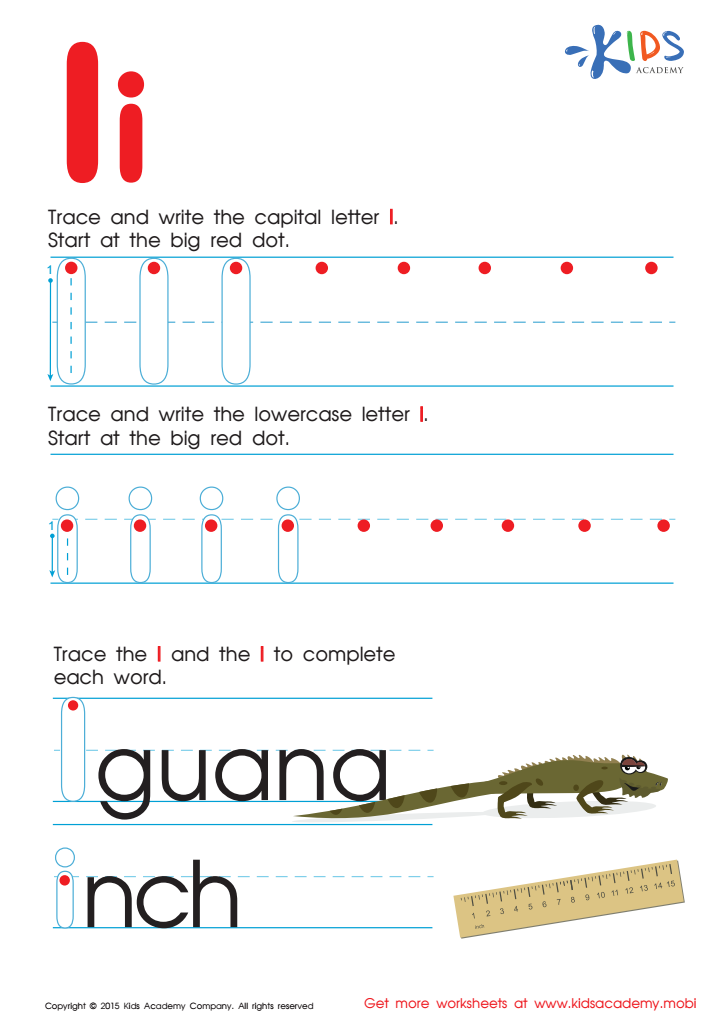
Letter I Tracing Page
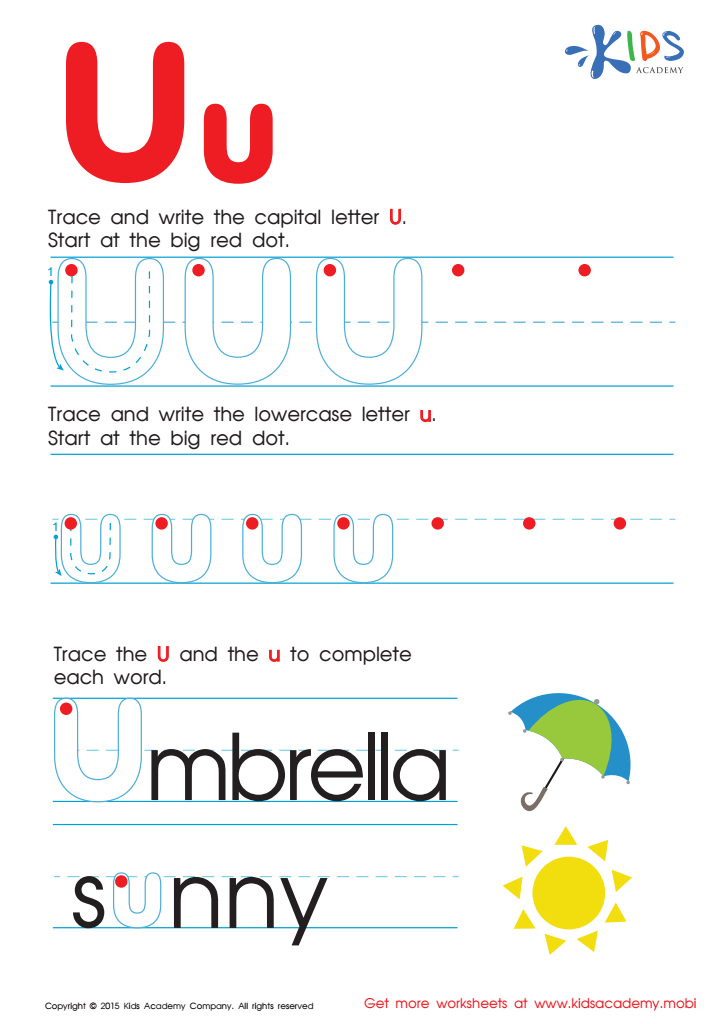
Letter U Tracing Page
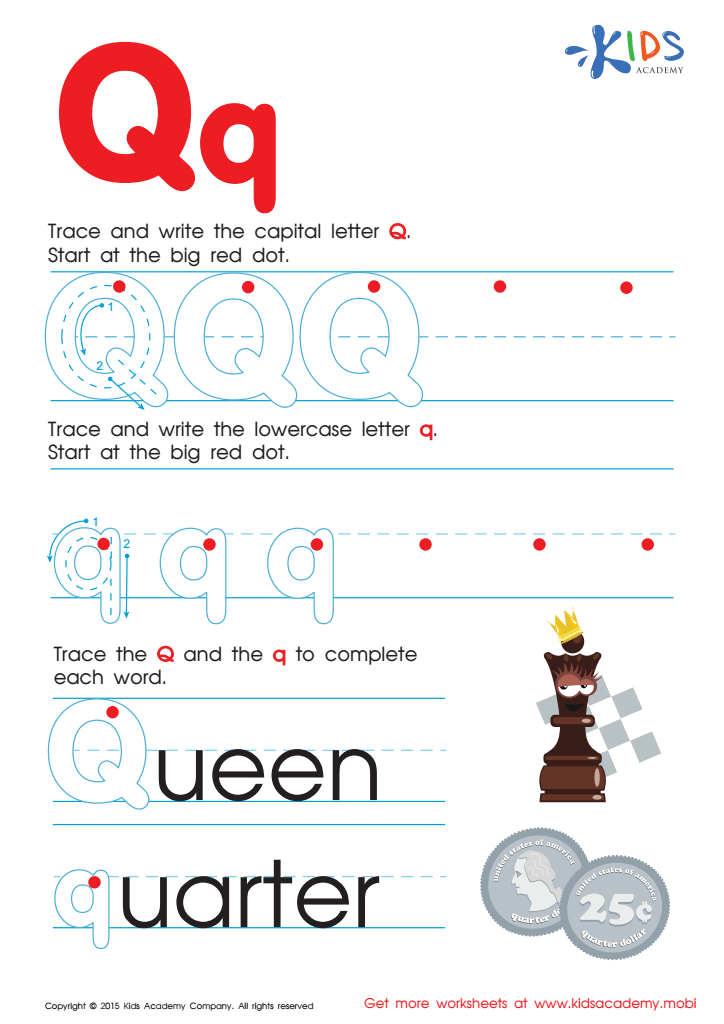
Letter Q Tracing Page
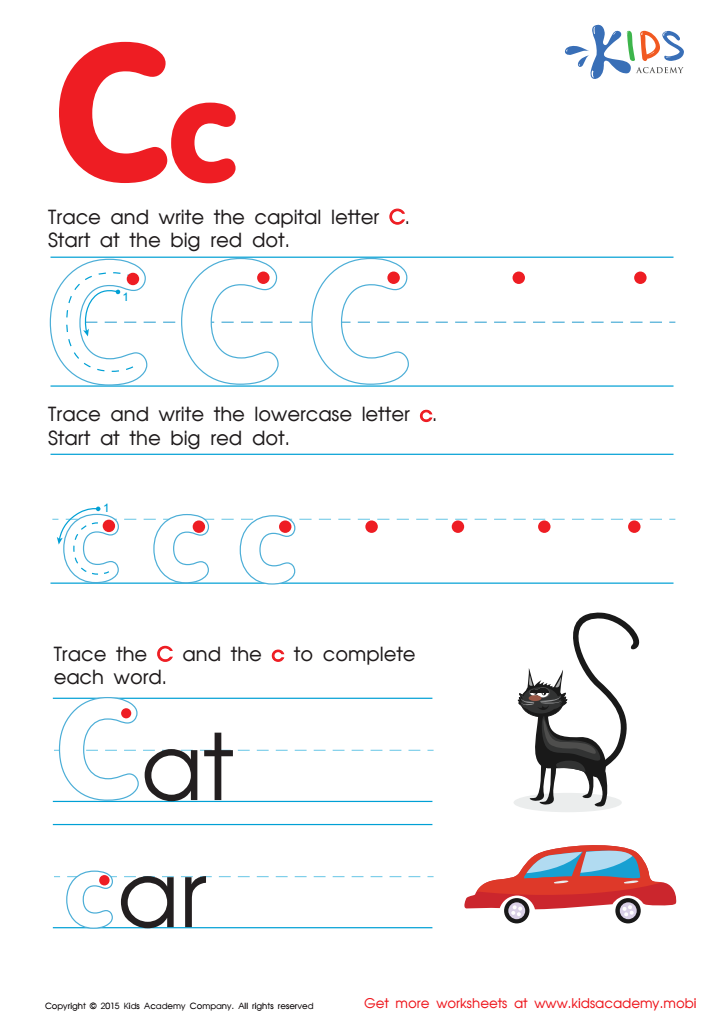
Letter C Tracing Page
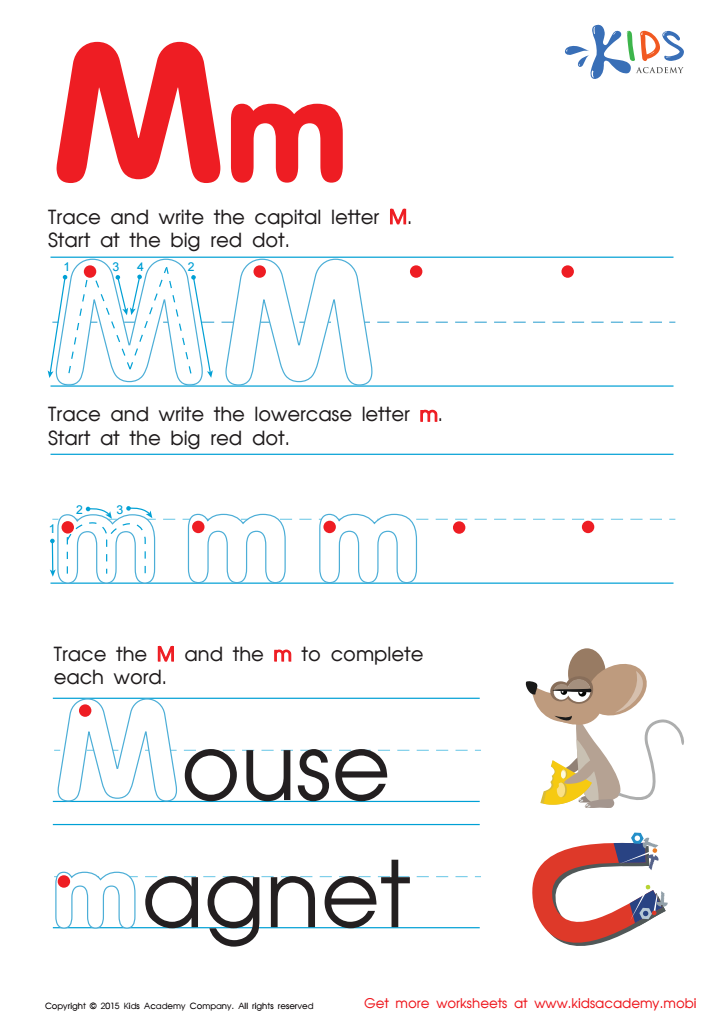
Letter M Tracing Page
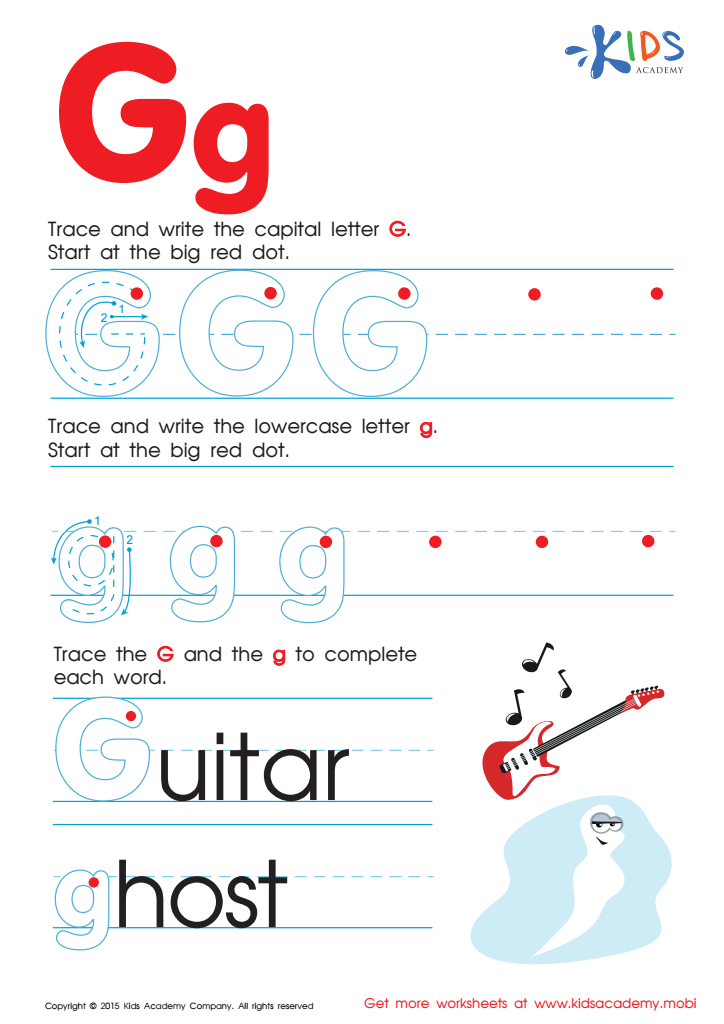
Letter G Tracing Page
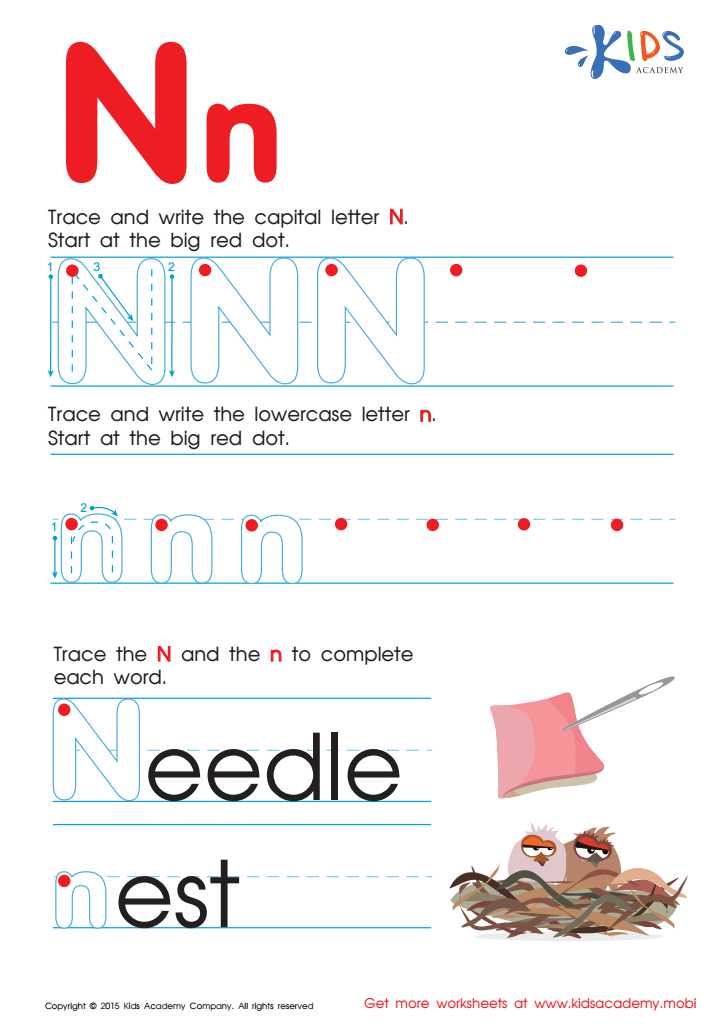
Letter N Tracing Page
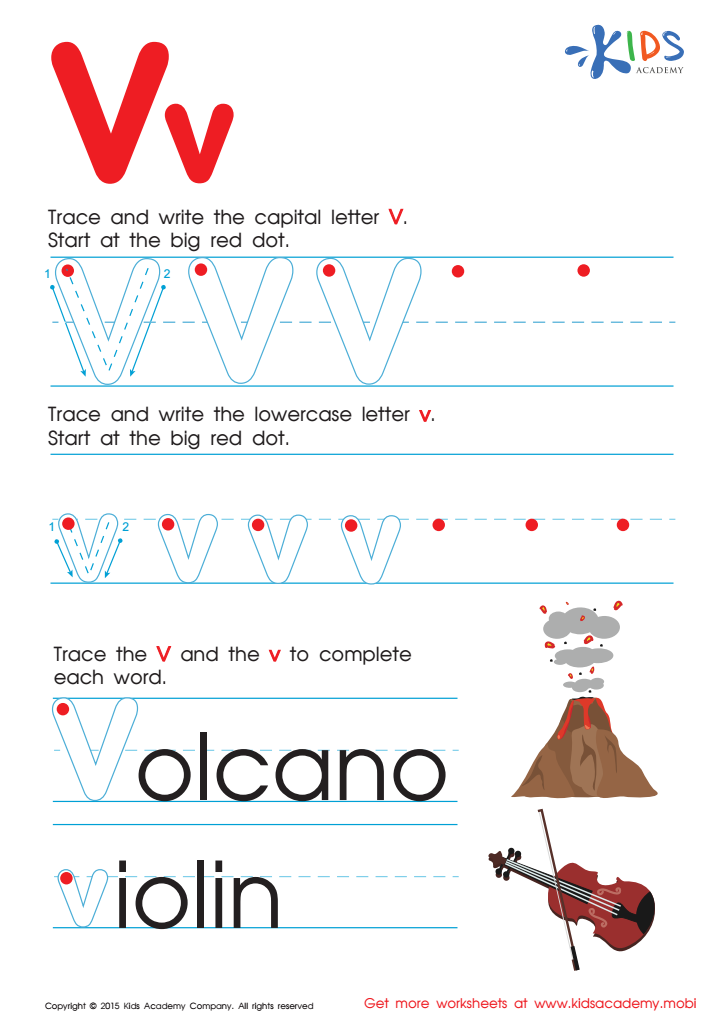
Letter V Tracing Page
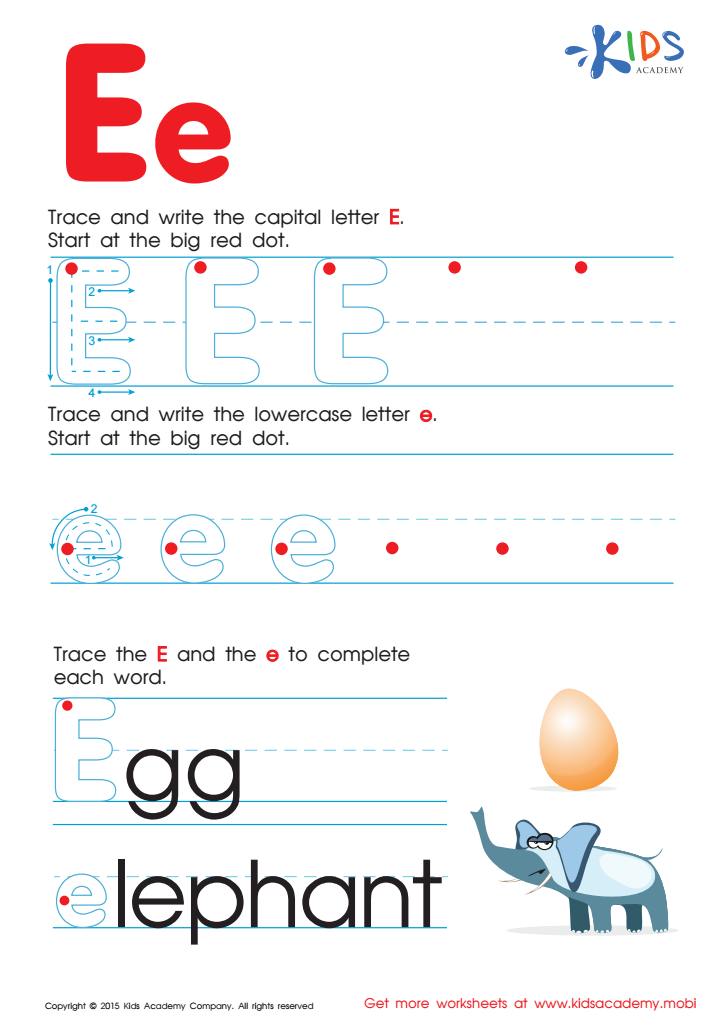
Letter E Tracing Page
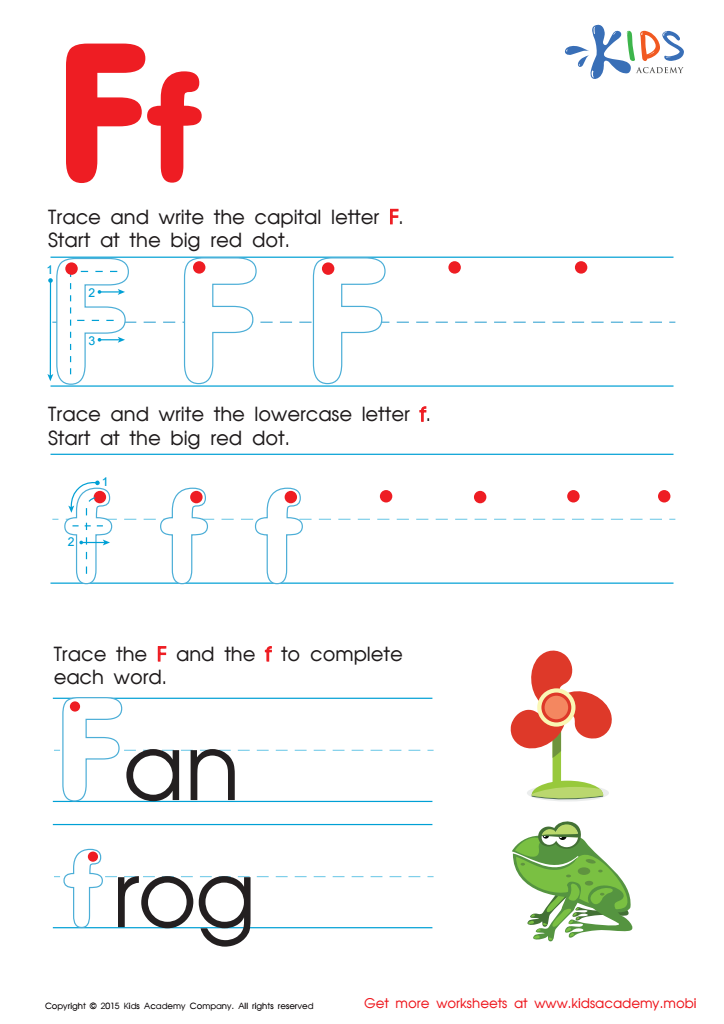
Letter F Tracing Page
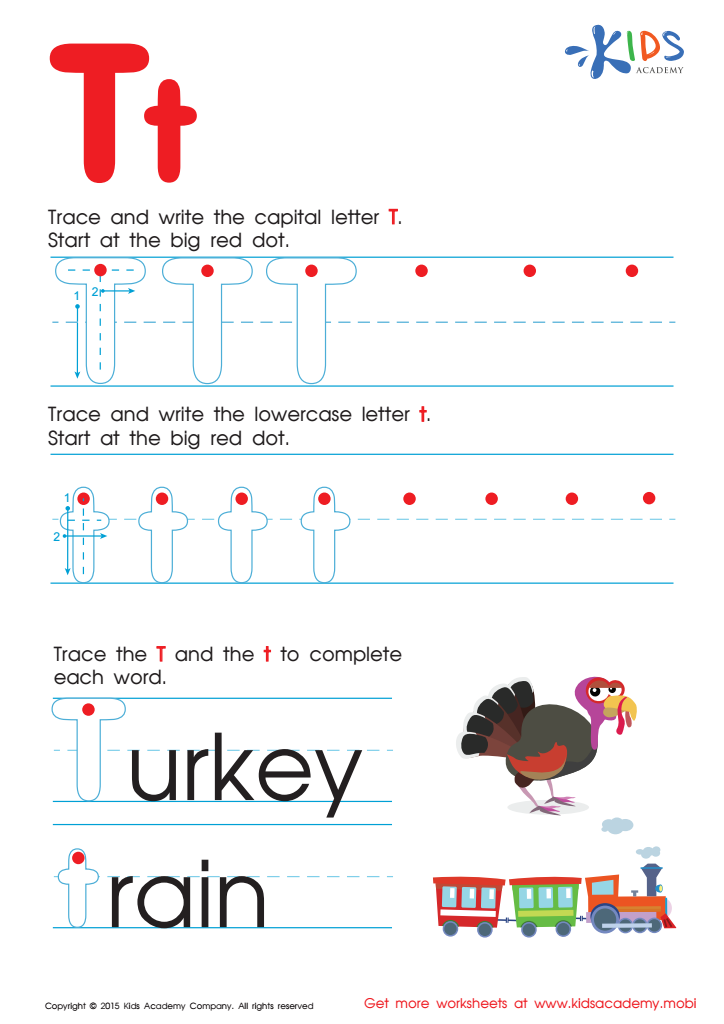
Letter T Tracing Page

Letter D Tracing Page







Fine motor skills are essential for young children as they lay the foundation for numerous critical abilities, including writing, self-care, and everyday tasks involving hand-eye coordination. For 4-year-olds, developing these skills is crucial because they correlate with later academic success and independence in daily activities.
By focusing on fine motor skills in an ABC order approach, parents and teachers can systematically understand and address the specific developmental milestones associated with these abilities. For instance, activities like threading beads or using scissors correlate directly to tightening grip strength and coordination. Organizing skills in an understandable sequence allows caregivers to observe and scaffold learning, ensuring children progress steadily.
Furthermore, fine motor skills influence a child's confidence and willingness to engage in educational activities. When children can successfully manipulate objects or perform tasks on their own, they are more likely to participate actively in their learning environments. Promoting these skills also prepares them for kindergarten, where proficiency in fine motor control is vital for tasks like writing and craft-making.
In summary, nurturing fine motor skills through a structured framework is instrumental in promoting children’s cognitive, social, and emotional development, ultimately fostering a more well-rounded and capable learner.