Handwriting practice Alphabet Worksheets for 4-Year-Olds - Page 2
55 filtered results
-
From - To
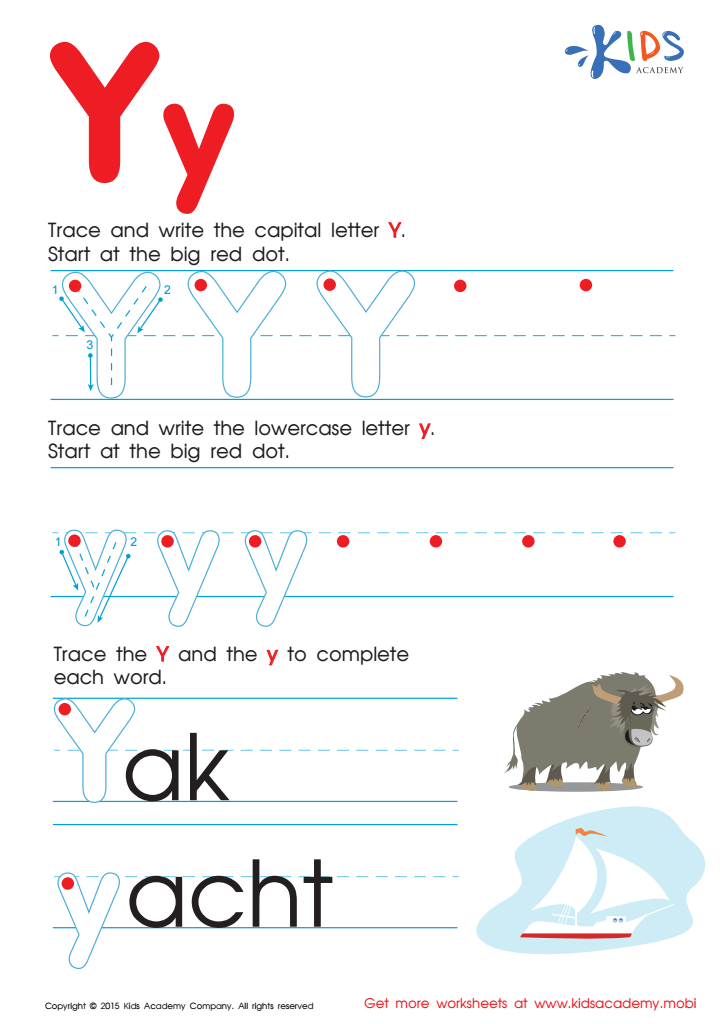
Letter Y Tracing Page
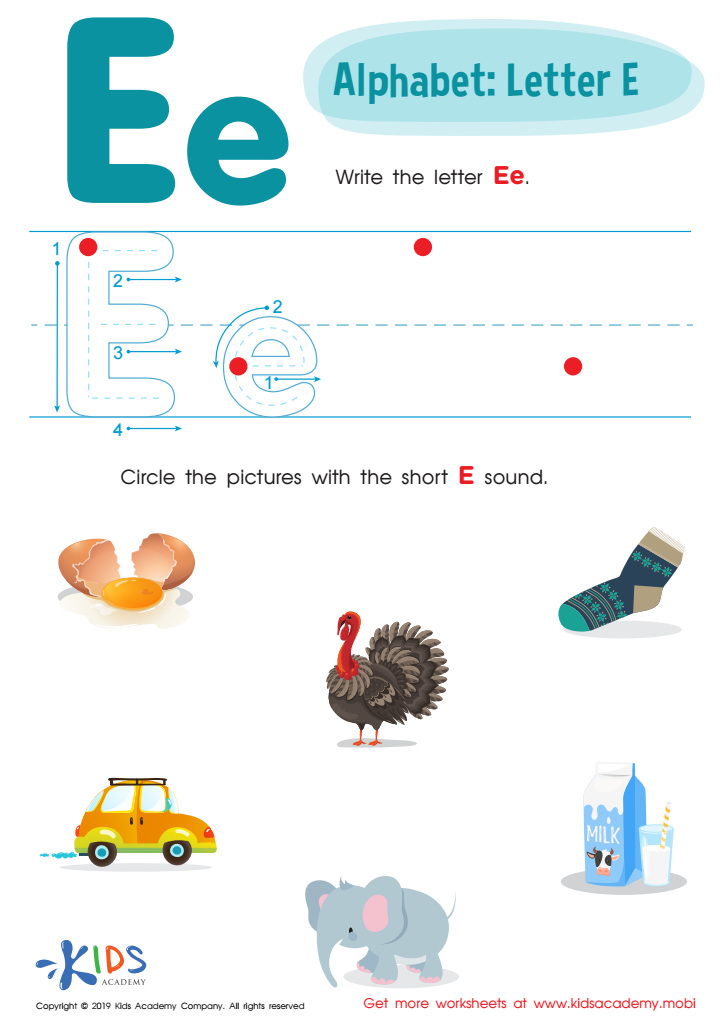
Letter E Tracing Worksheet
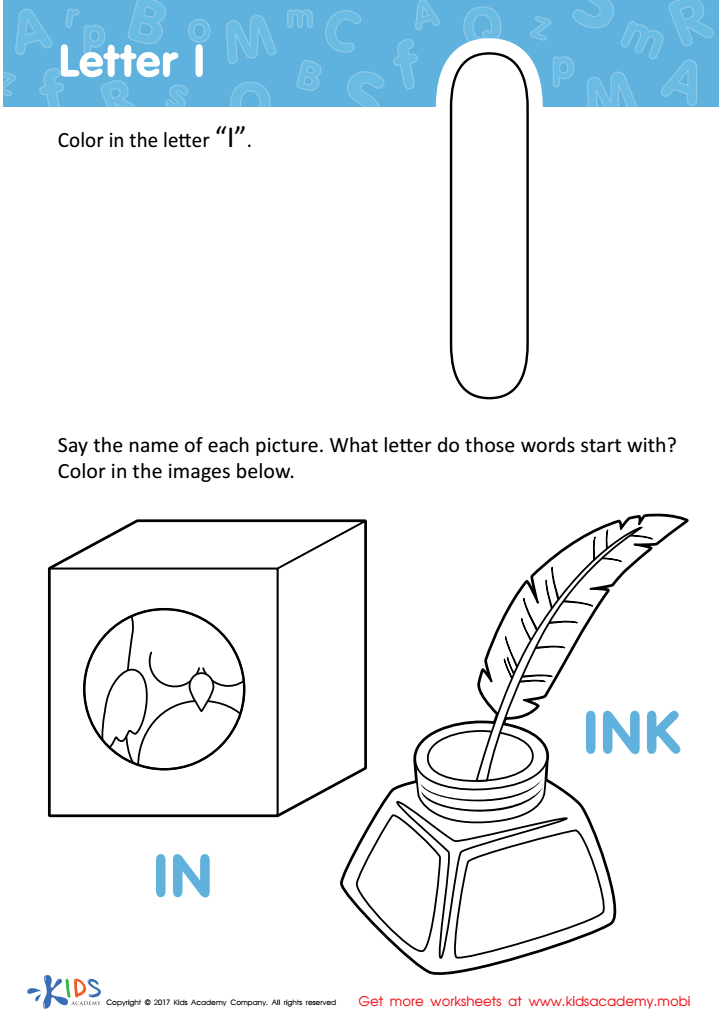
Letter I Coloring Sheet
 Assign to My Students
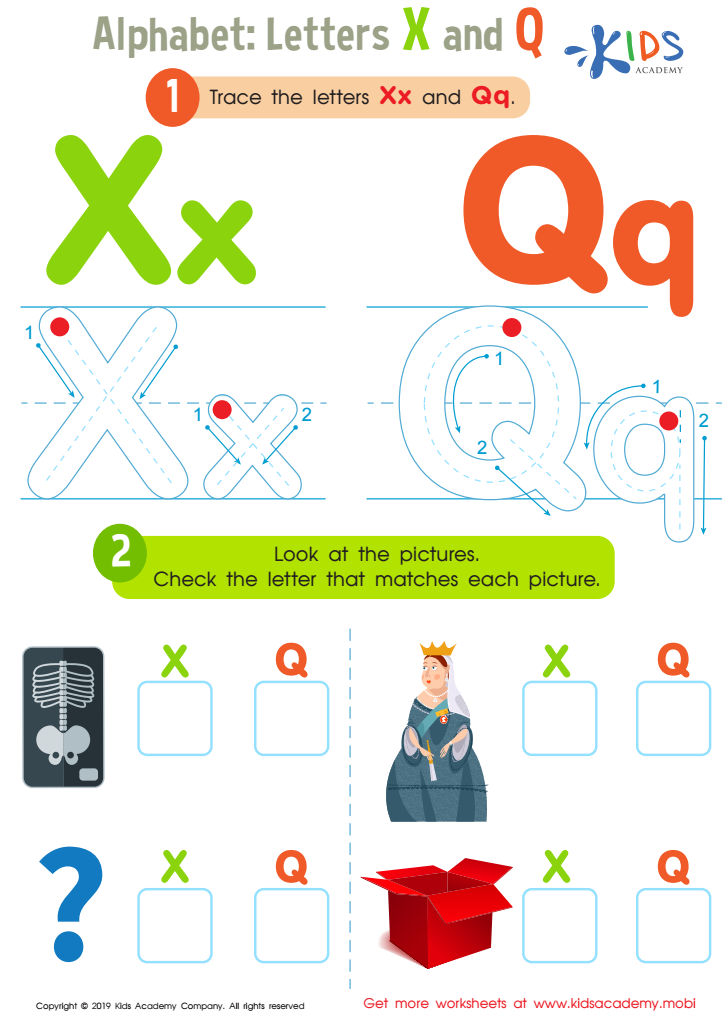
Letters X and Q Tracing Worksheet
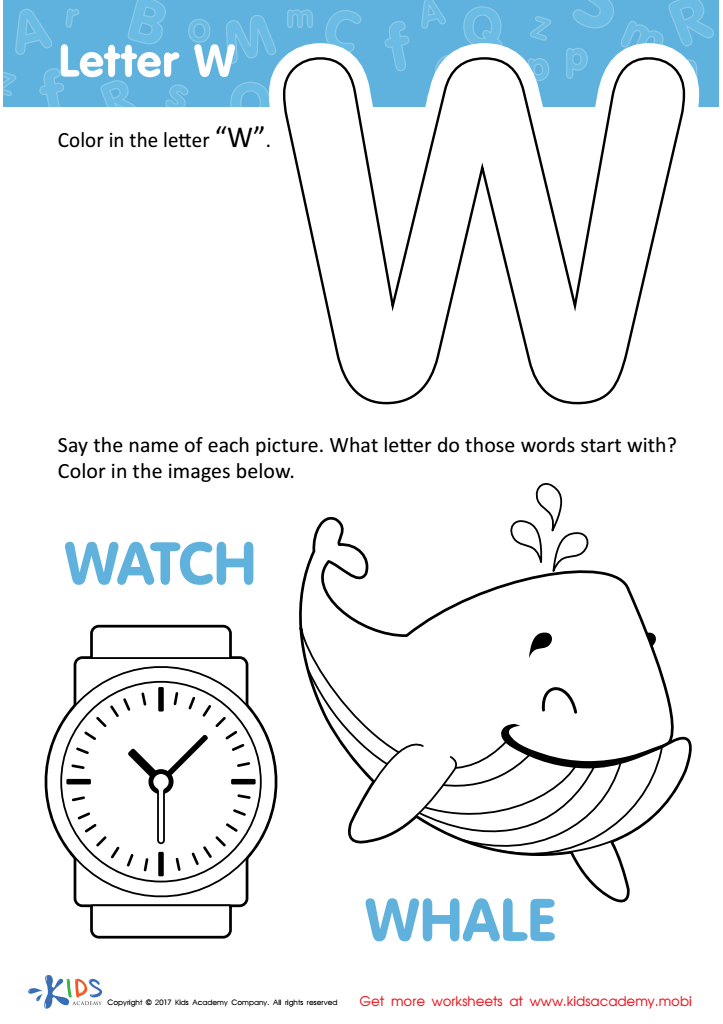
Letter W Coloring Sheet
Assign to My Students
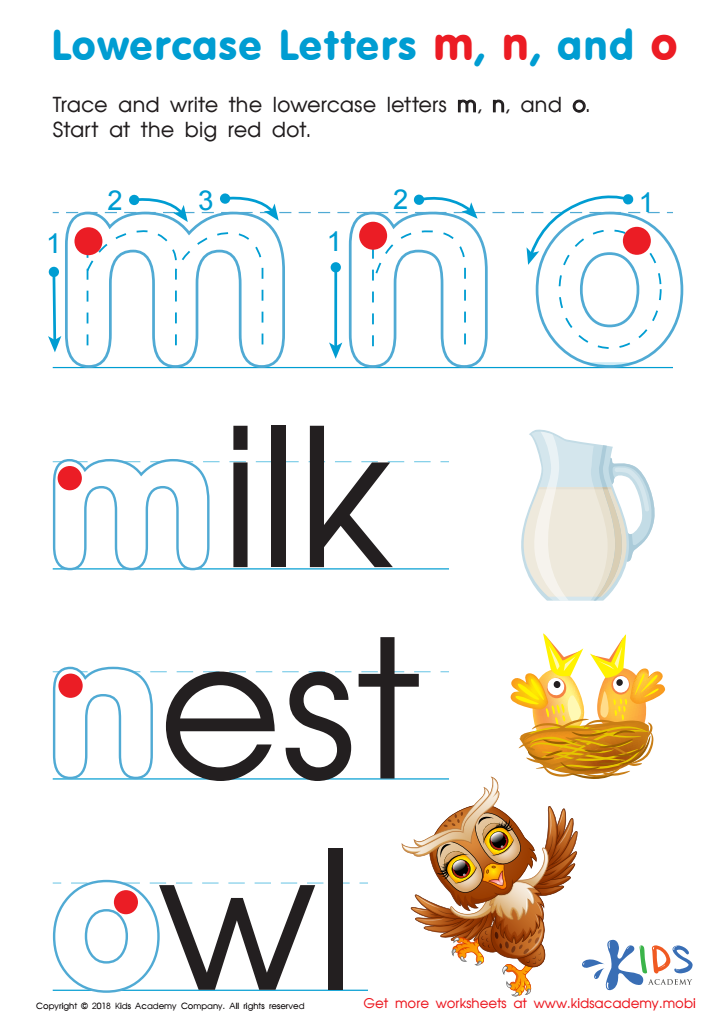
Lowercase Letters m n o Worksheet
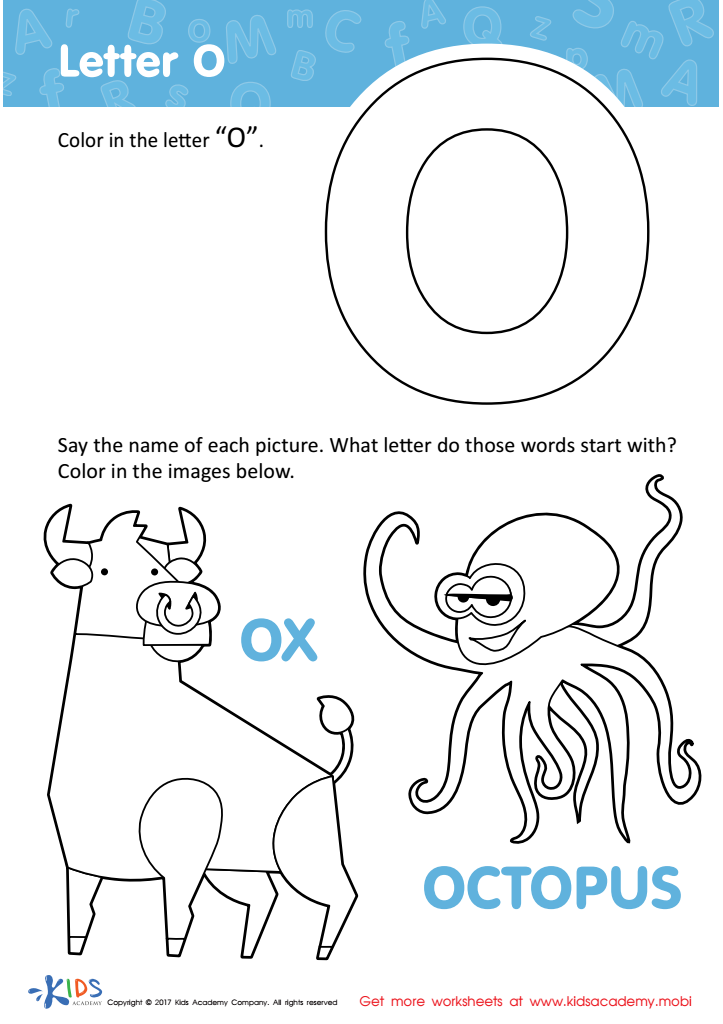
Letter O Coloring Sheet
Assign to My Students
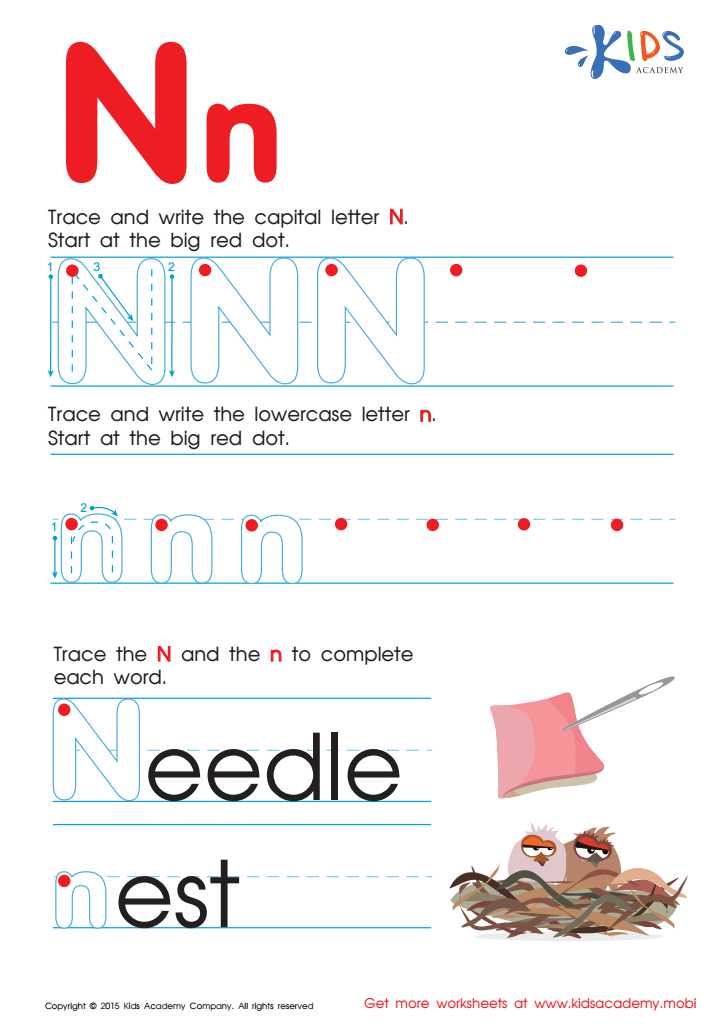
Letter N Tracing Page
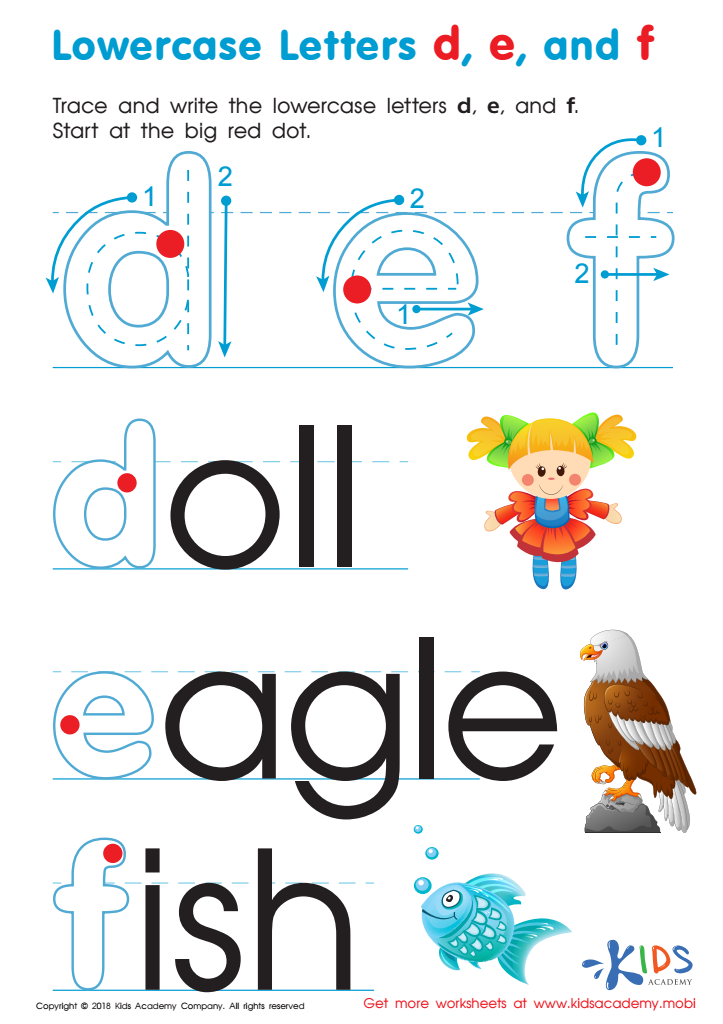
Lowercase Letters d e f Worksheet
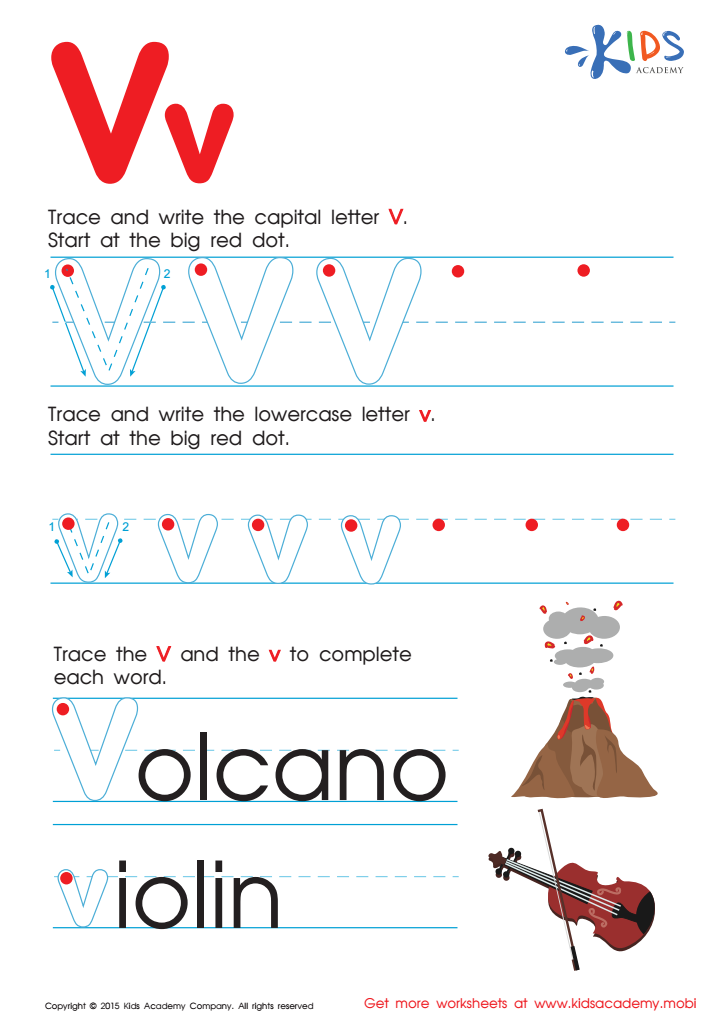
Letter V Tracing Page
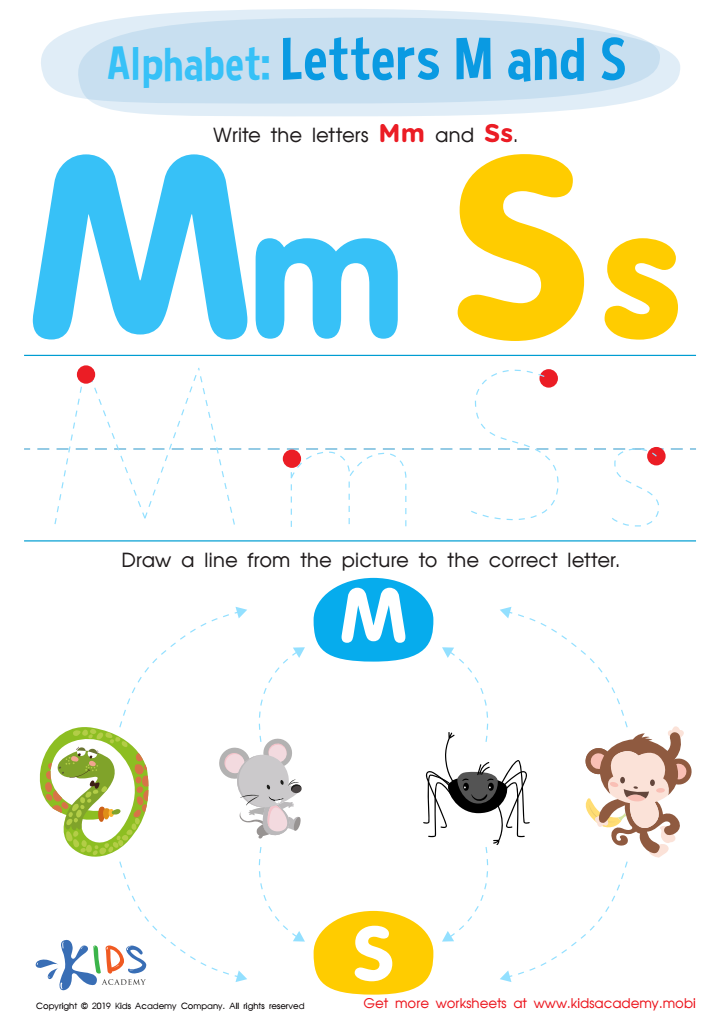
Letters M and S Tracing Worksheet
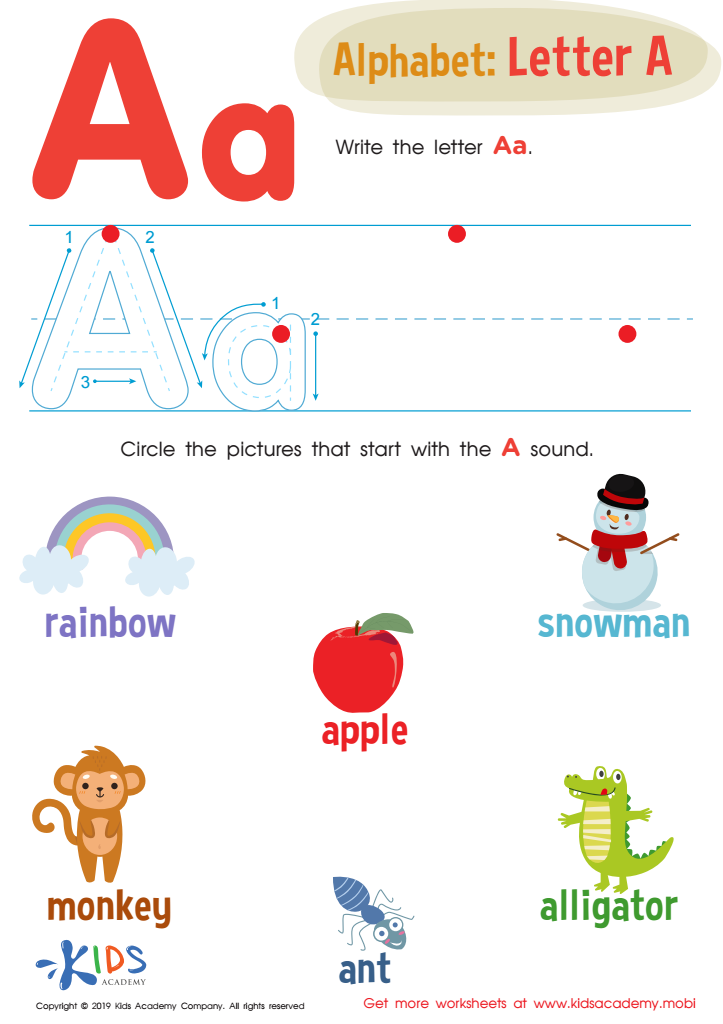
Letter A Tracing Worksheet
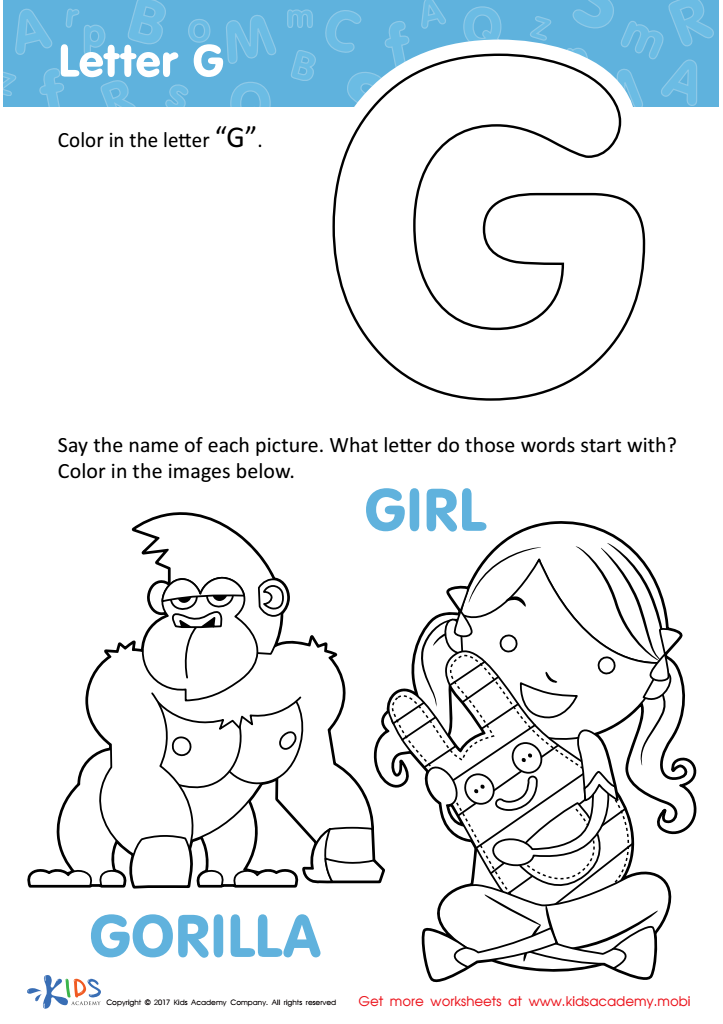
Letter G Coloring Sheet
Assign to My Students
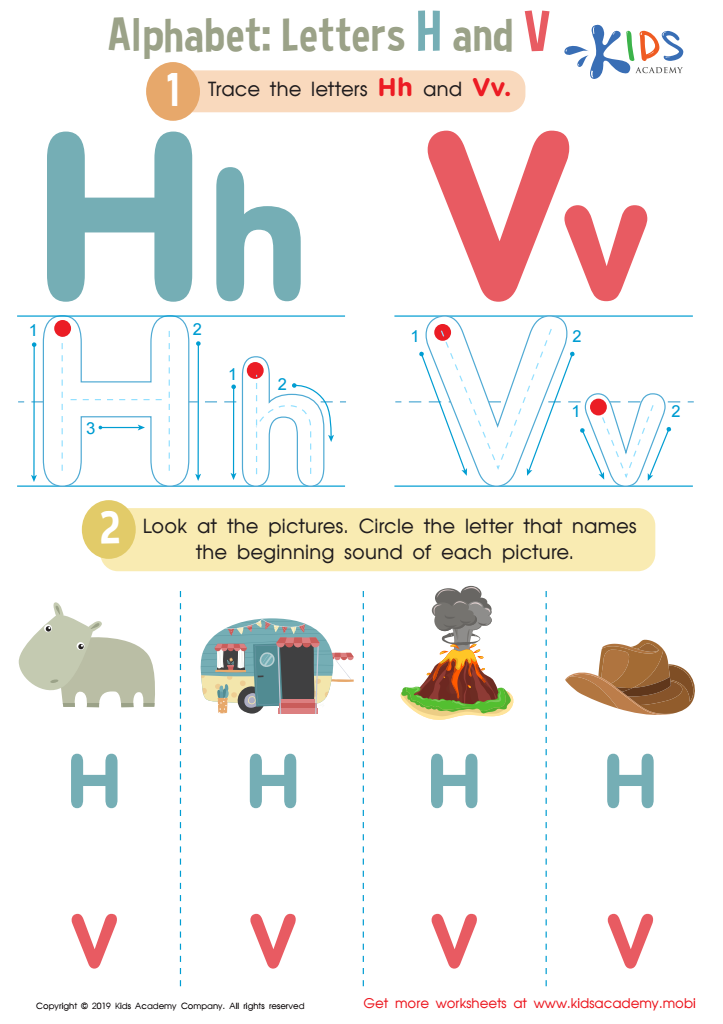
Letters H and V Tracing Worksheet
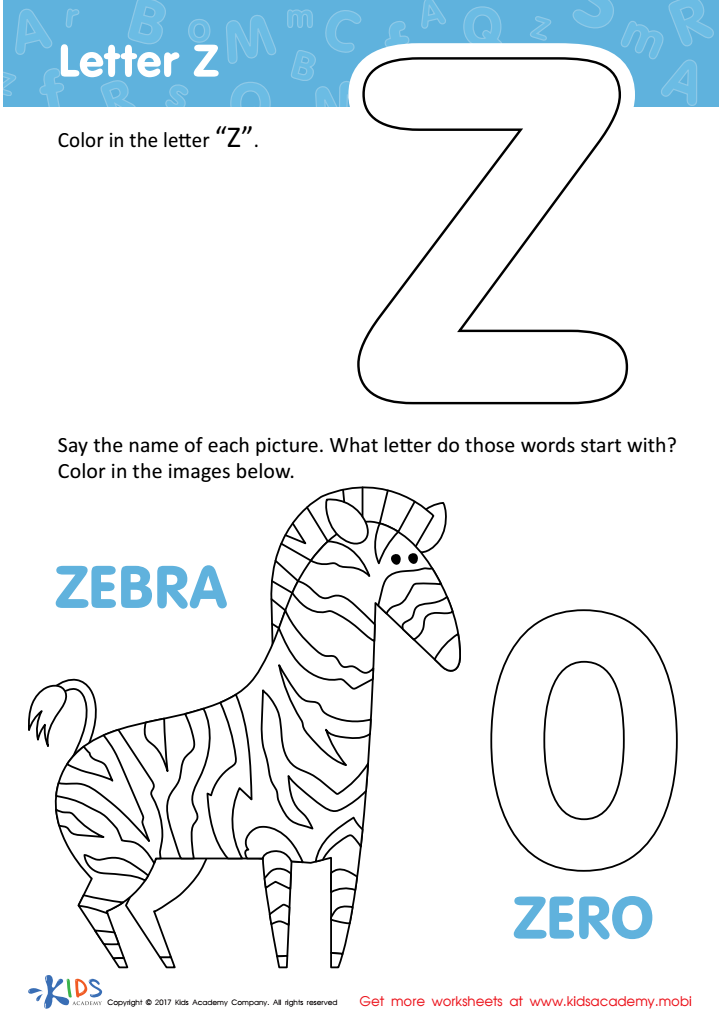
Letter Z Coloring Sheet
Assign to My Students
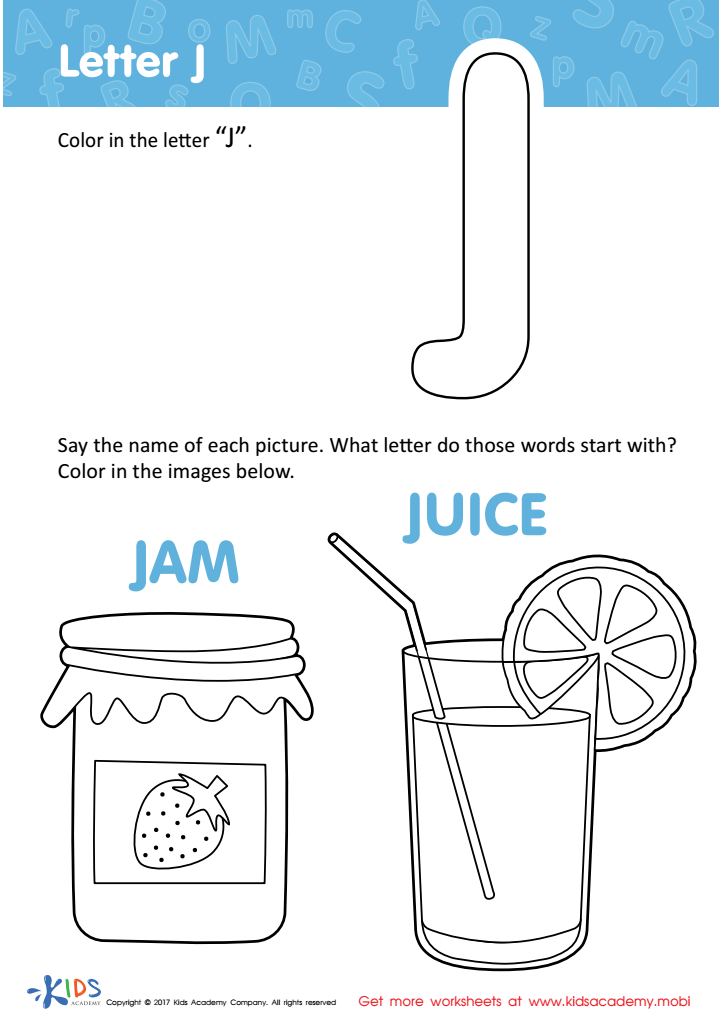
Letter J Coloring Sheet
Assign to My Students
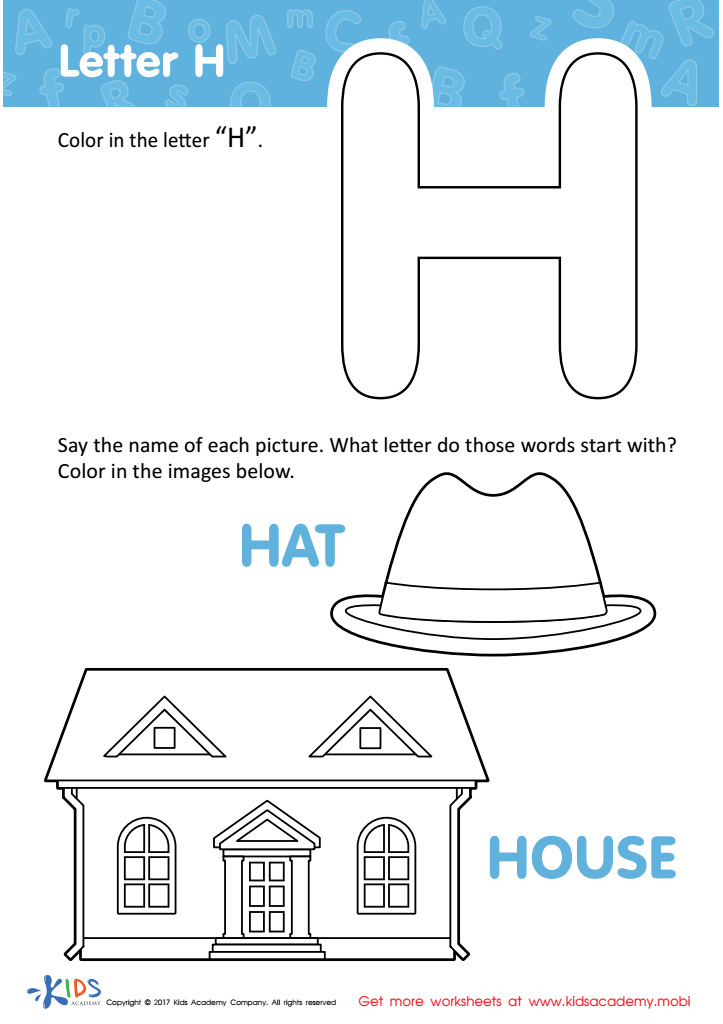
Letter H Coloring Sheet
Assign to My Students
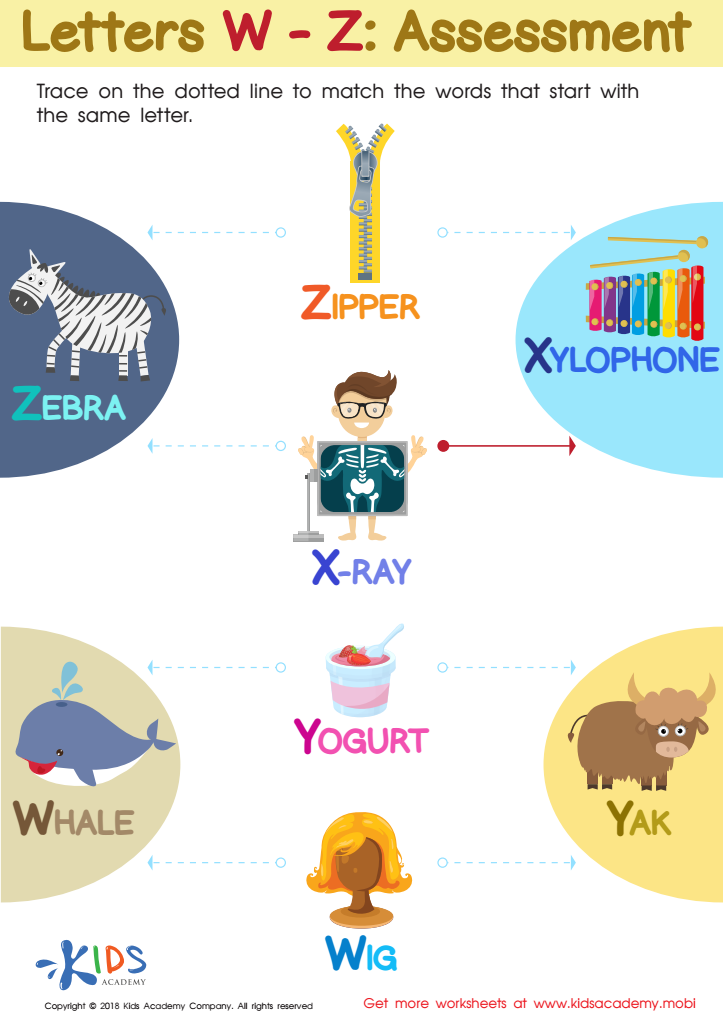
Letters W–Z Tracing Worksheet
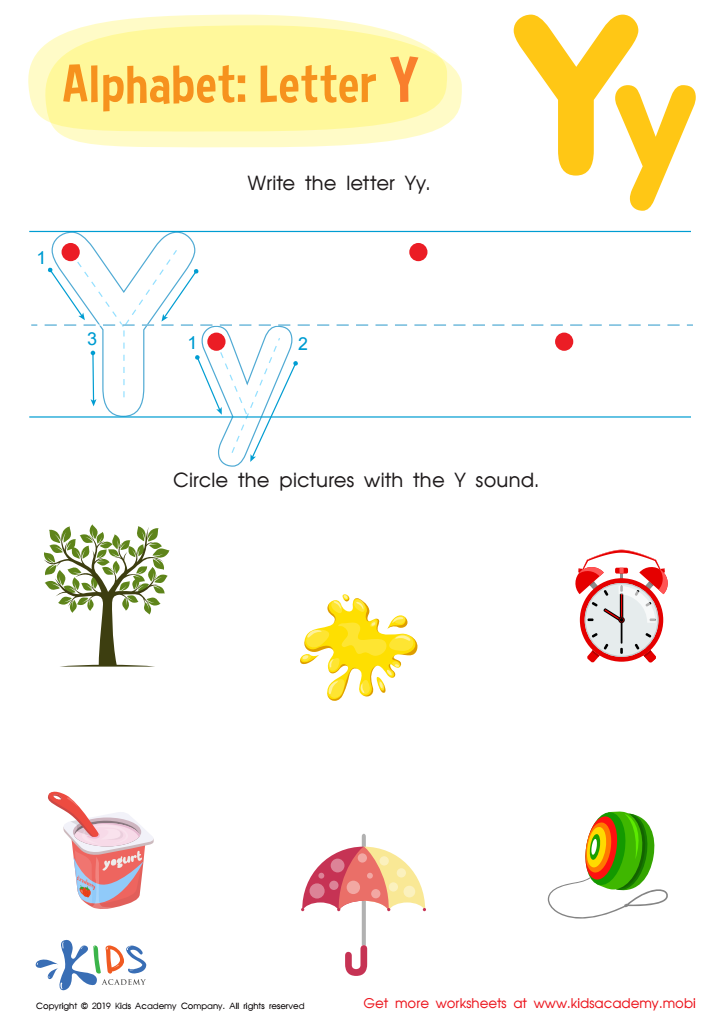
Letter Y Tracing Worksheet
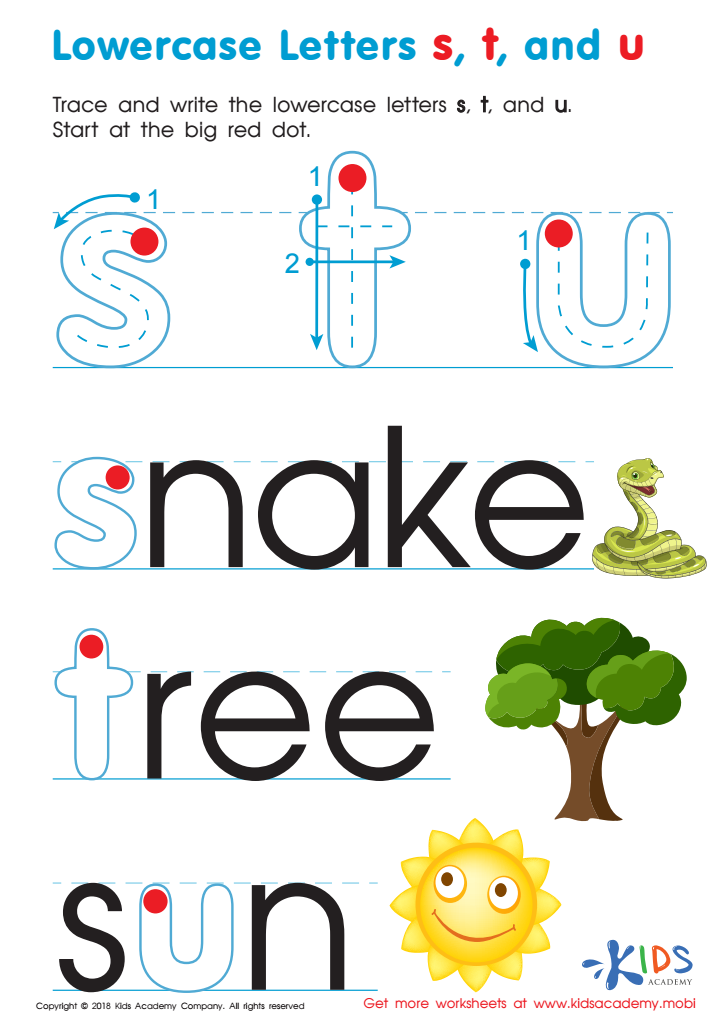
Lowercase Letters s t u Worksheet
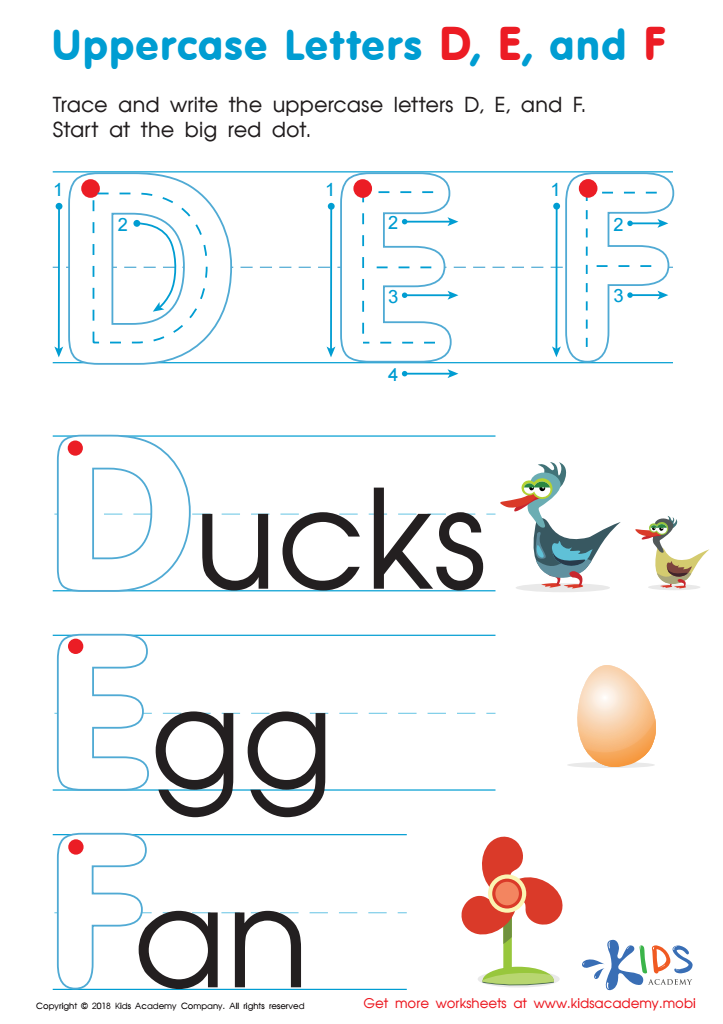
Uppercase Letters D, E, and F Worksheet
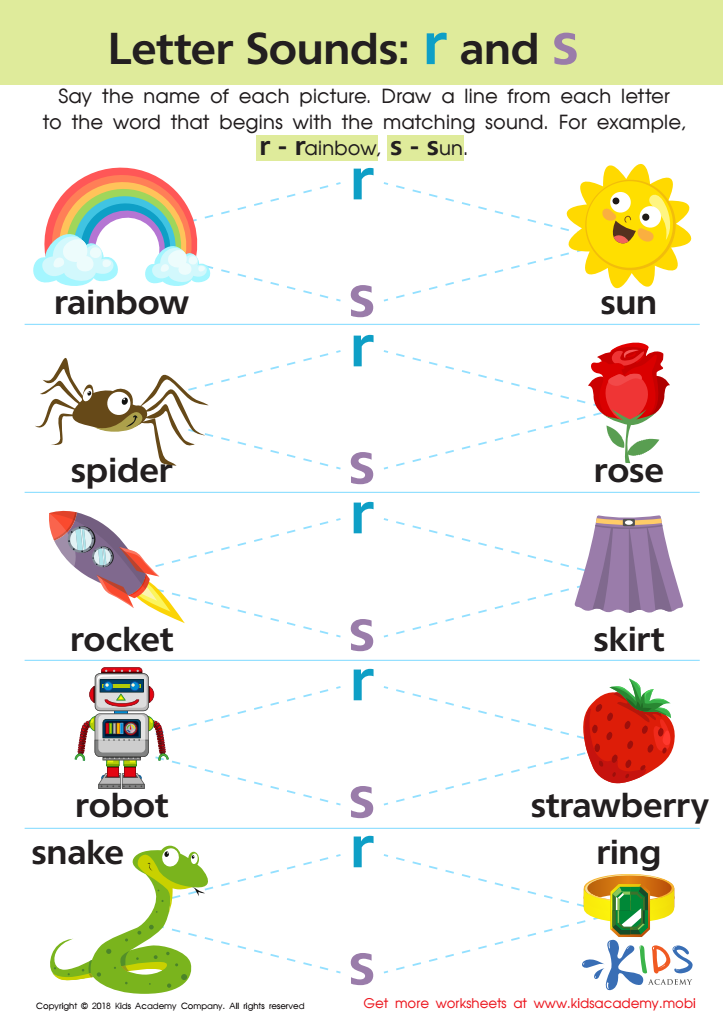
Letter R and S Sounds Worksheet
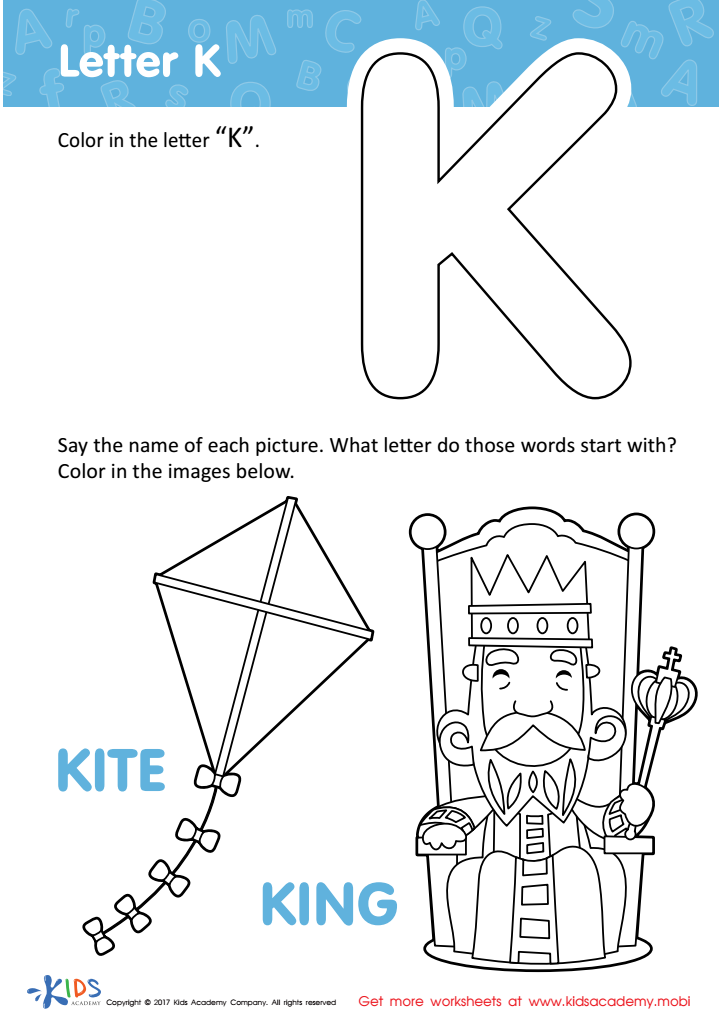
Letter K Coloring Sheet
Assign to My Students
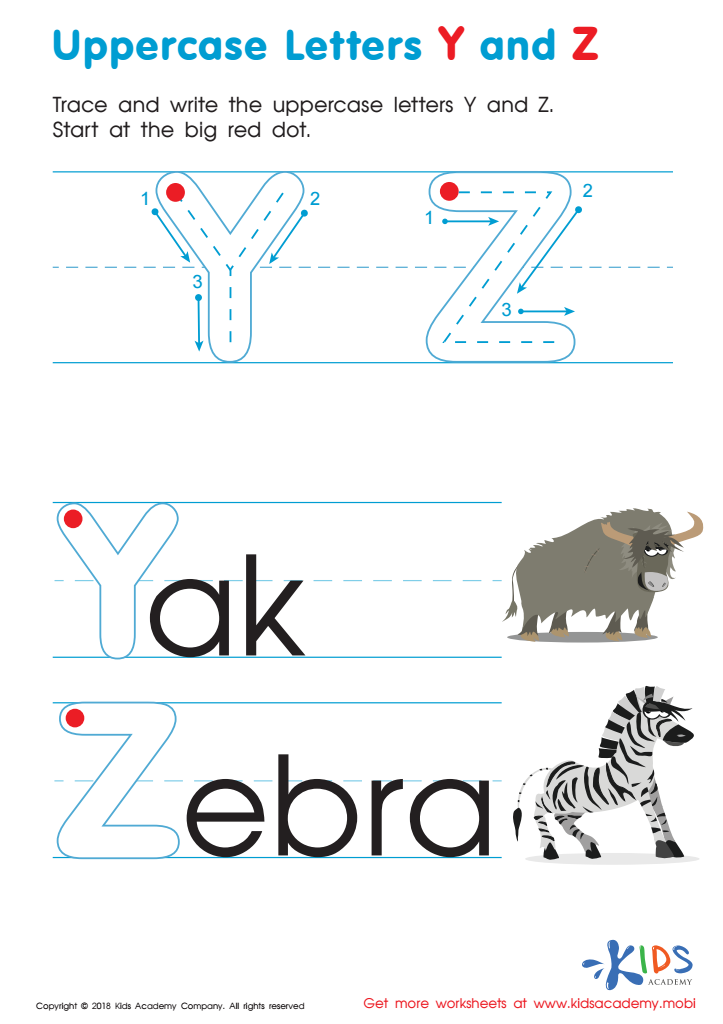
Uppercase Letters Y Z Worksheet






.jpg)

Handwriting practice for 4-year-olds is crucial for multiple developmental reasons that concern both parents and teachers. At this early age, children are rapidly developing their fine motor skills, which are necessary for various life activities, including writing. Practicing the alphabet helps to strengthen their hand muscles and improve hand-eye coordination, ensuring they can control writing tools more effectively.
Moreover, handwriting practice is significantly linked to cognitive development. When young children reproduce letters, they are engaging in a multisensory process that enhances memory formation. This activity builds neural pathways that assist not only in language acquisition but also in reading skills. Understanding the relationship between letter shapes and their sounds accelerates literacy.
Socially, confidence is another significant benefit. Mastery of writing at a young age tends to positively impact self-esteem, providing children with a sense of accomplishment that encourages additional learning endeavors. It also prepares them for school requirements, transitioning them smoothly into kindergarten where handwriting becomes part of daily learning.
Additionally, structured handwriting practice helps instill a routine that fosters attention to detail, patience, and perseverance. Given the foundational skills and long-term benefits it offers, handwriting practice at this age is pivotal, making it a vital concern for both parents and teachers aiming to support well-rounded development.







