Letter formation Alphabet Worksheets for 4-Year-Olds
10 filtered results
-
From - To
Discover our engaging Letter Formation Alphabet Worksheets designed specifically for 4-year-olds! These worksheets help young learners practice forming letters while enhancing their fine motor skills and hand-eye coordination. Each worksheet features colorful illustrations, fun activities, and clear guidelines that make learning enjoyable and effective. Whether your child is just starting to recognize letters or mastering their formations, these resources cater to every skill level. Foster their handwriting abilities and boost their confidence through playful learning. Download our worksheets today and watch as your little one embarks on a fun-filled alphabet adventure! Perfect for home or classroom use!
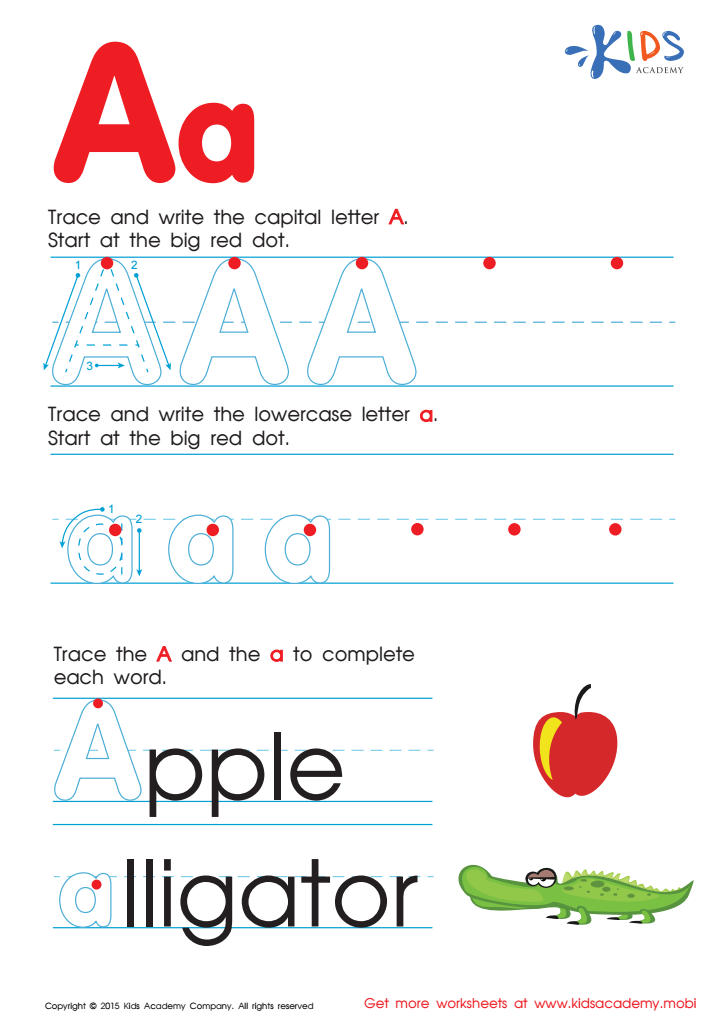
Letter A Tracing Page
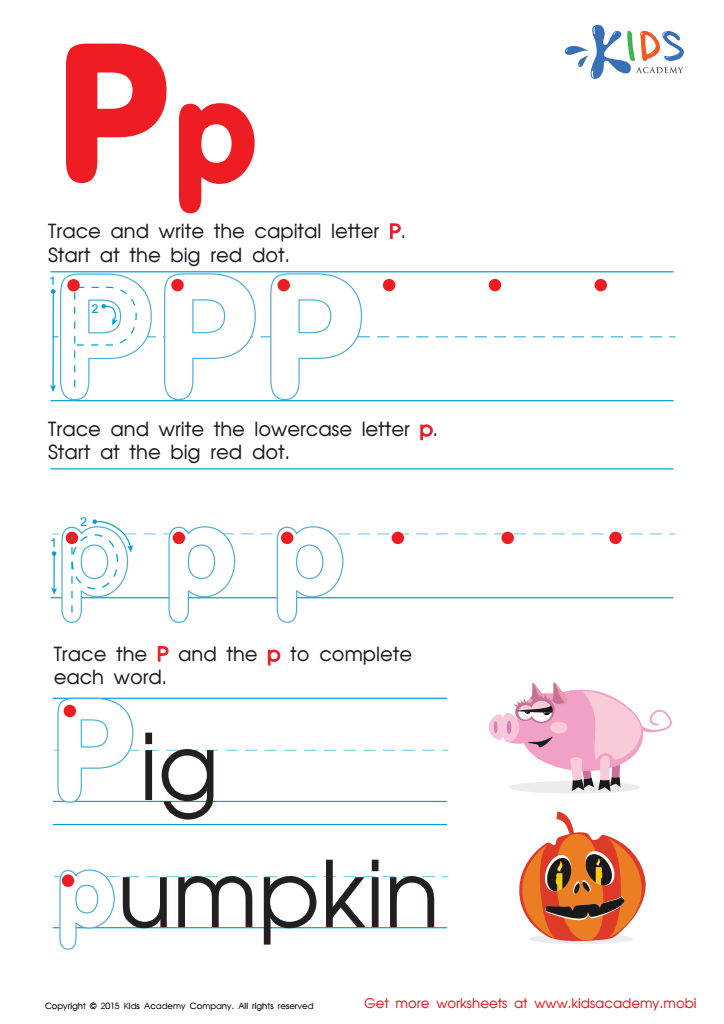
Letter P Tracing Page
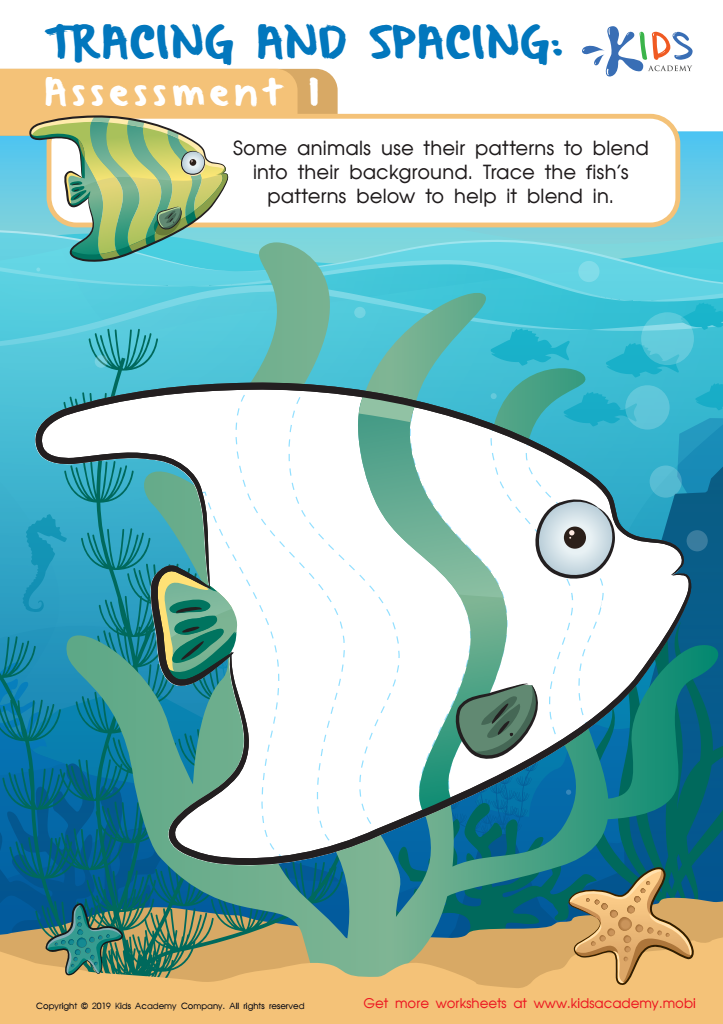
Tracing and Spacing: Assessment 1 Worksheet
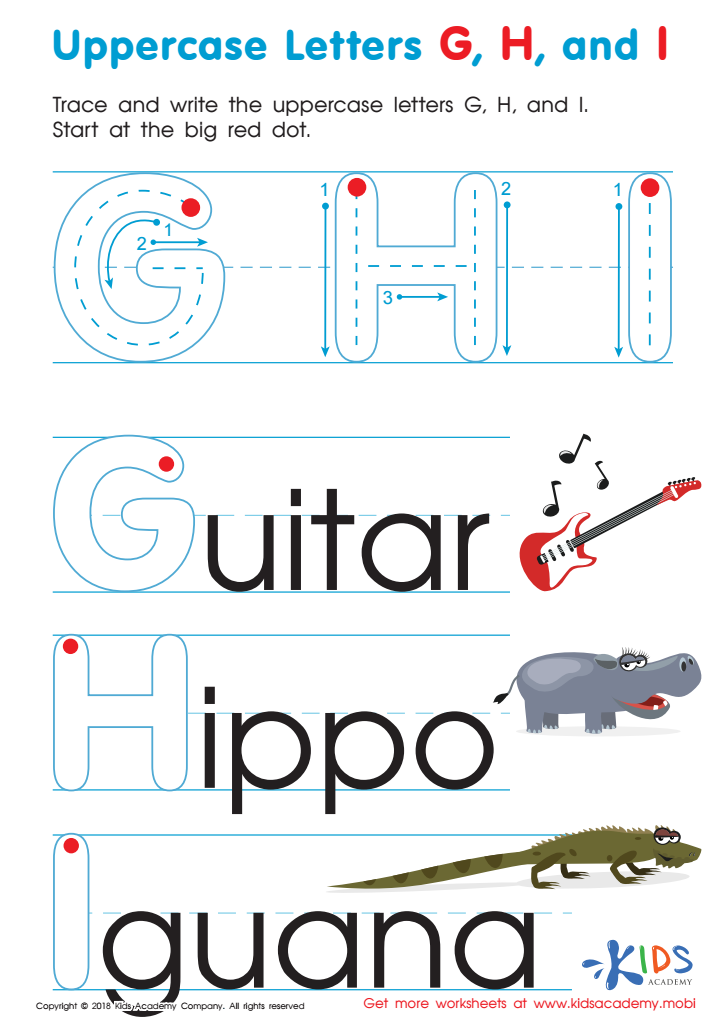
Uppercase Letters G, H, and I Worksheet
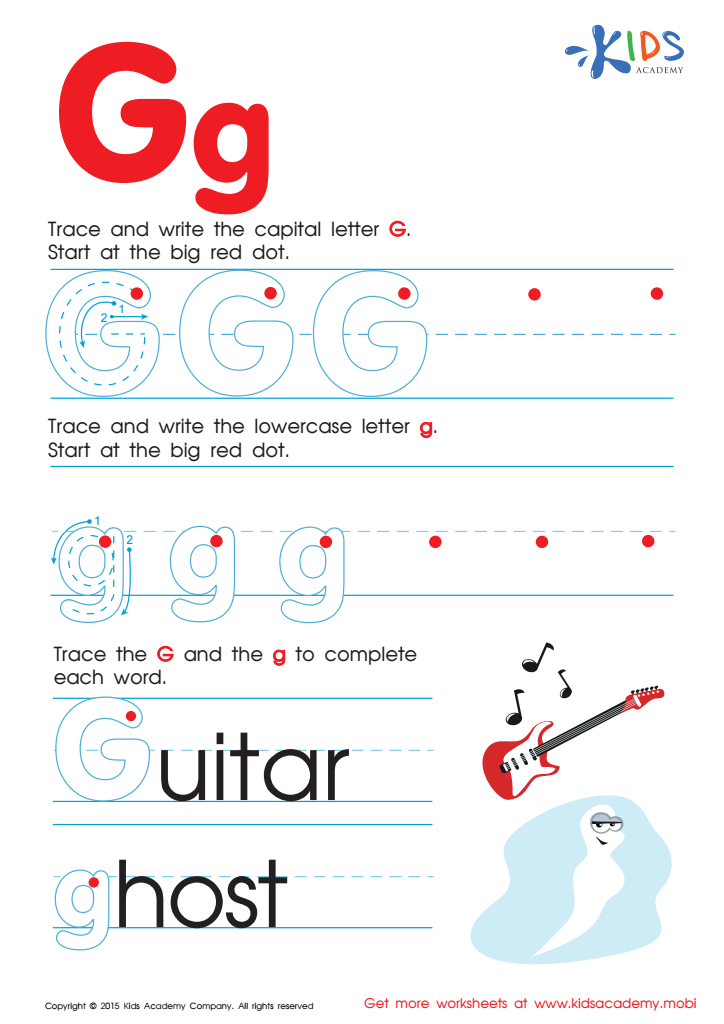
Letter G Tracing Page
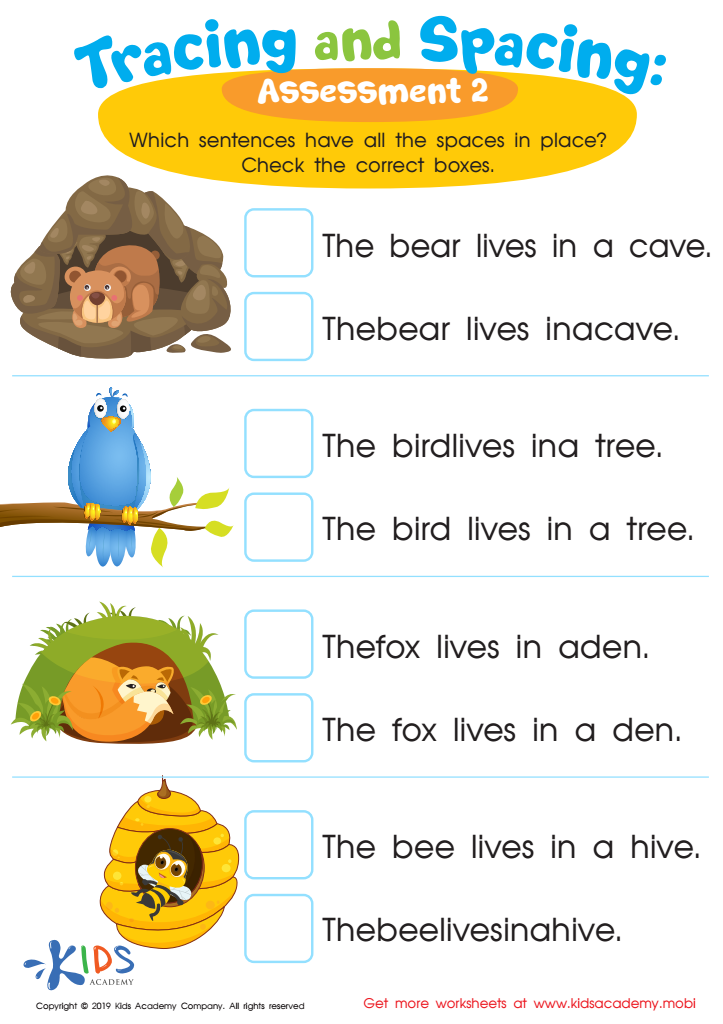
Tracing and Spacing: Assessment 2 Worksheet
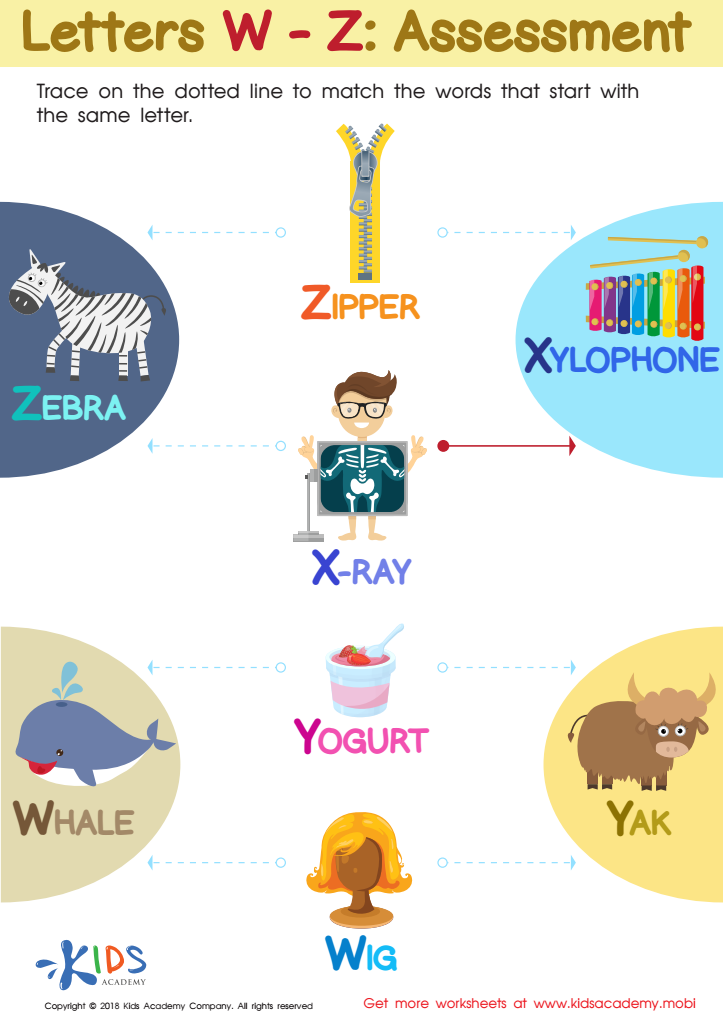
Letters W–Z Tracing Worksheet
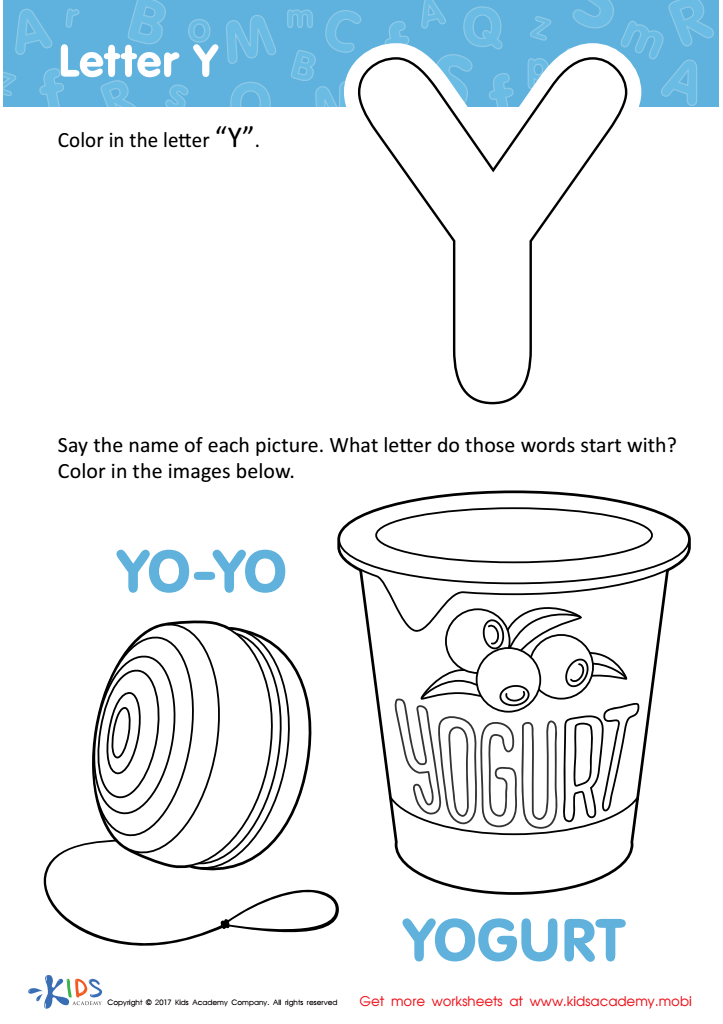
Letter Y Coloring Sheet
 Assign to My Students
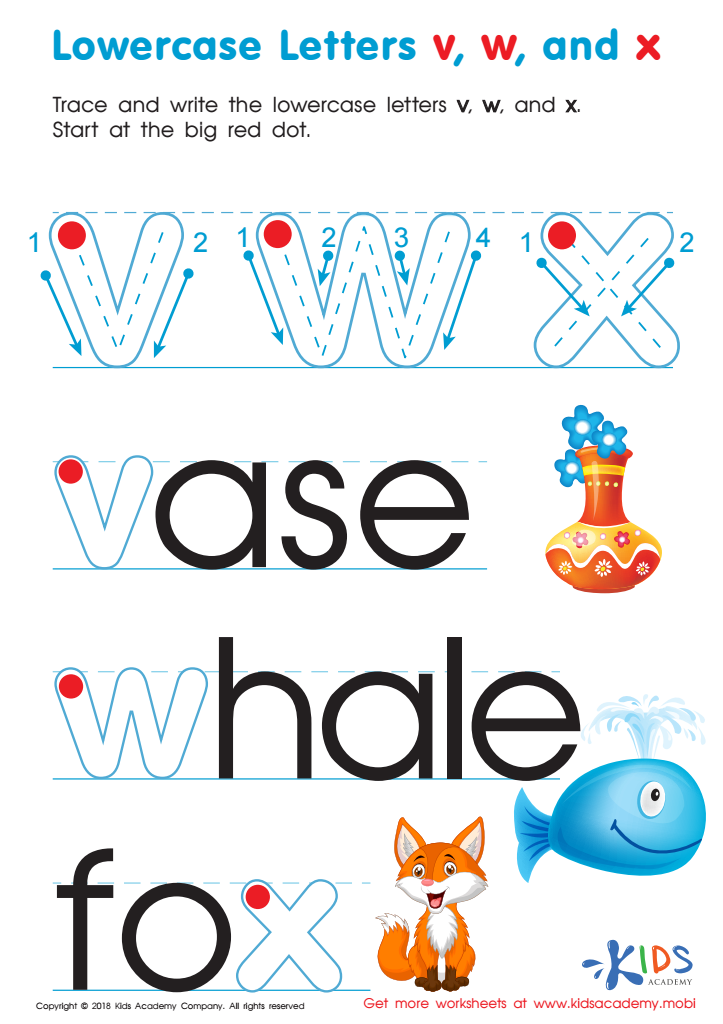
Lowercase Letters v w x Worksheet
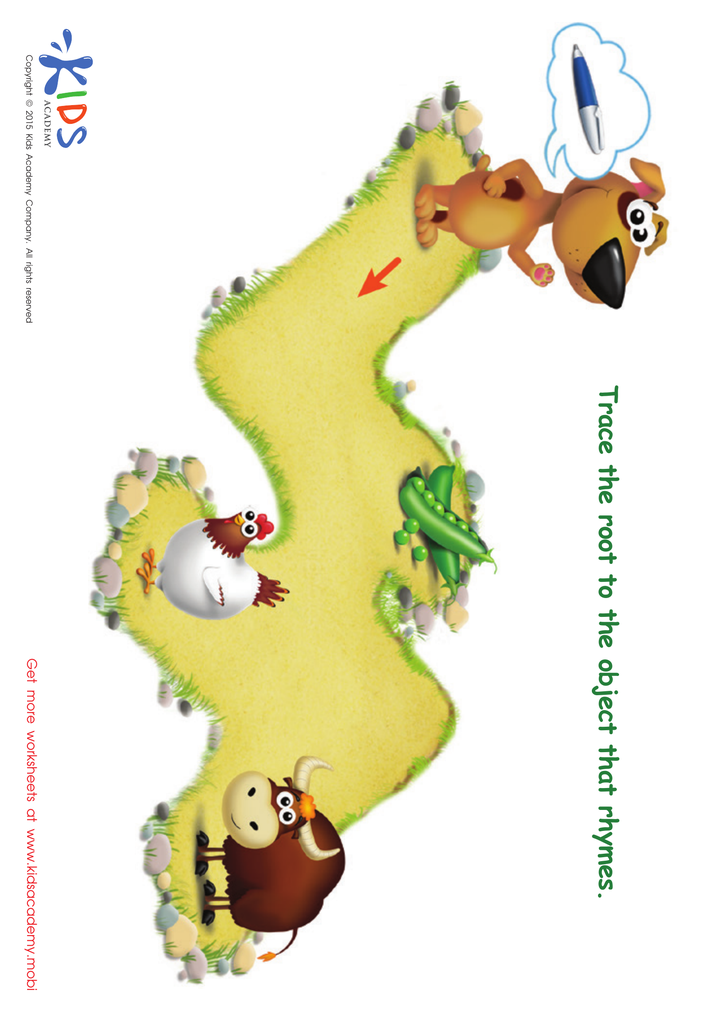
Pen Rhyming Words Worksheet








Letter formation is a crucial skill for 4-year-olds as it lays the foundation for literacy development and cognitive skills. Understanding and mastering the correct way to form letters enhances children's ability to write, ultimately boosting their confidence and motivation in learning. When parents and teachers emphasize proper letter formation, they help children develop fine motor skills and hand coordination, which are essential for various everyday tasks.
Additionally, early mastery of letter formation facilitates a smoother transition into reading and writing as children progress through school. Correct letter formation aids in creating a clear distinction between letters and words, making it easier for young learners to develop phonemic awareness—a key aspect of early literacy.
Moreover, practicing letter formation nurtures children's creativity and self-expression. Children who feel confident in their writing skills are more likely to engage in storytelling and share their ideas through writing. By caring about letter formation, parents and teachers cultivate positive attitudes towards writing and education from the very start, fostering a love for learning that blossoms throughout a child's academic journey. In essence, prioritizing this skill can significantly impact a child's educational trajectory and lifelong learning habits.







