Letter recognition Alphabet Worksheets for 4-Year-Olds - Page 3
88 filtered results
-
From - To
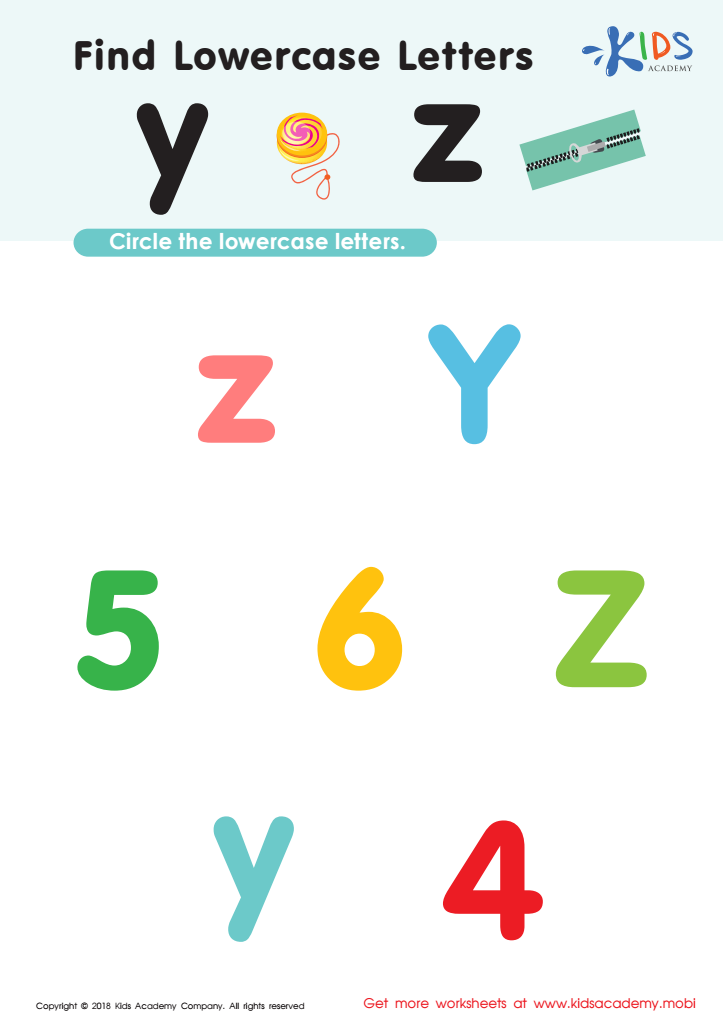
Find Lowercase Letters y z Worksheet
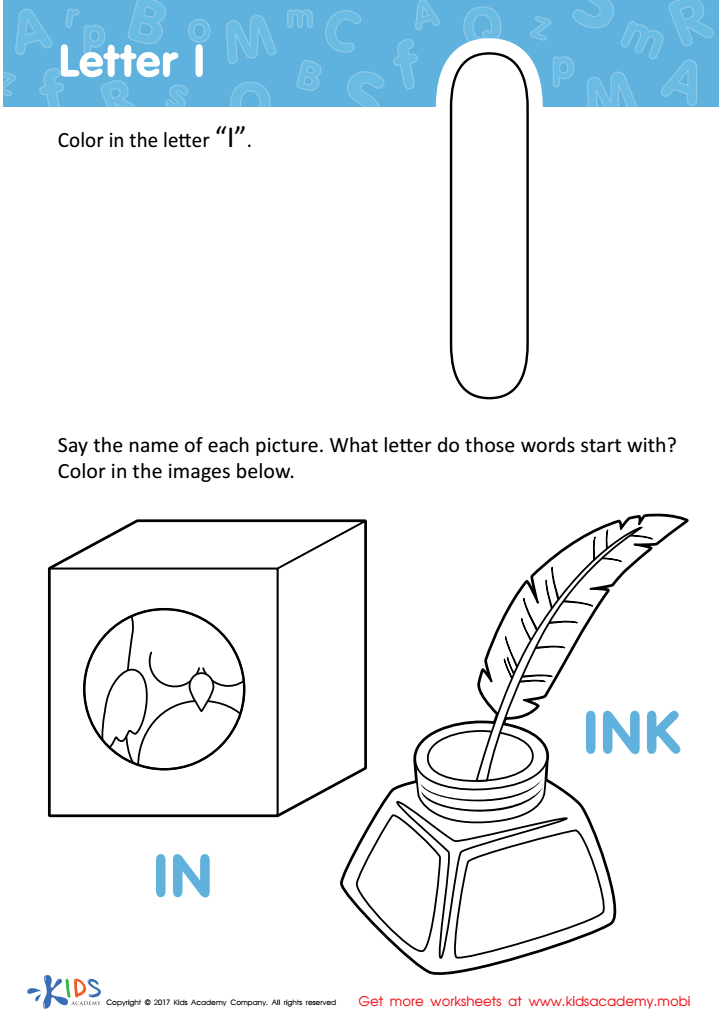
Letter I Coloring Sheet
 Assign to My Students
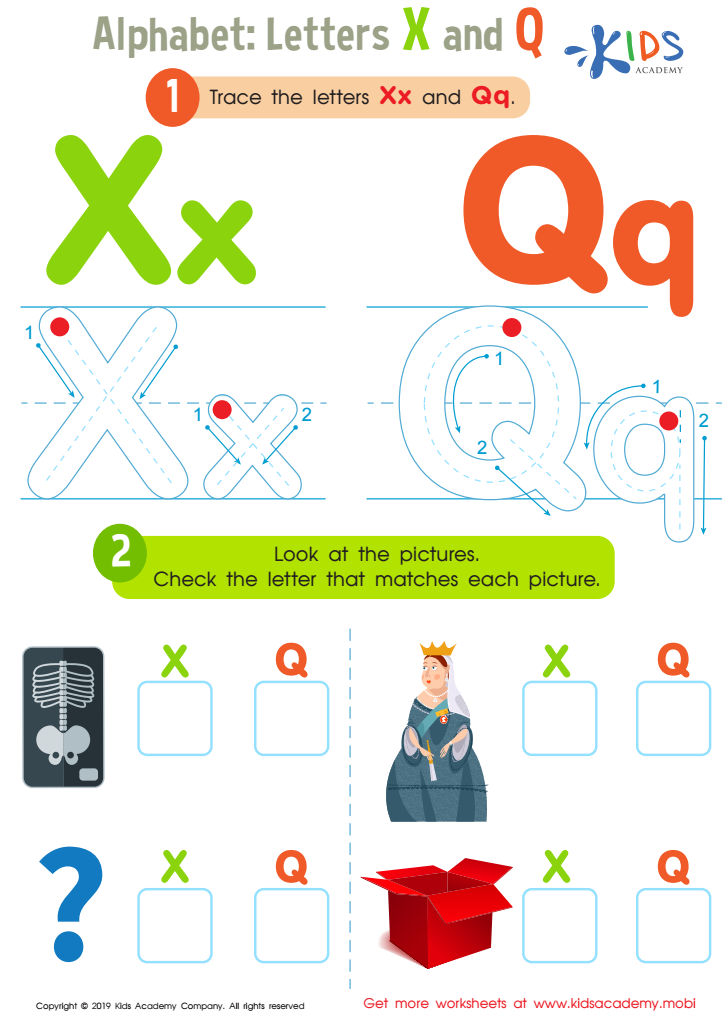
Letters X and Q Tracing Worksheet
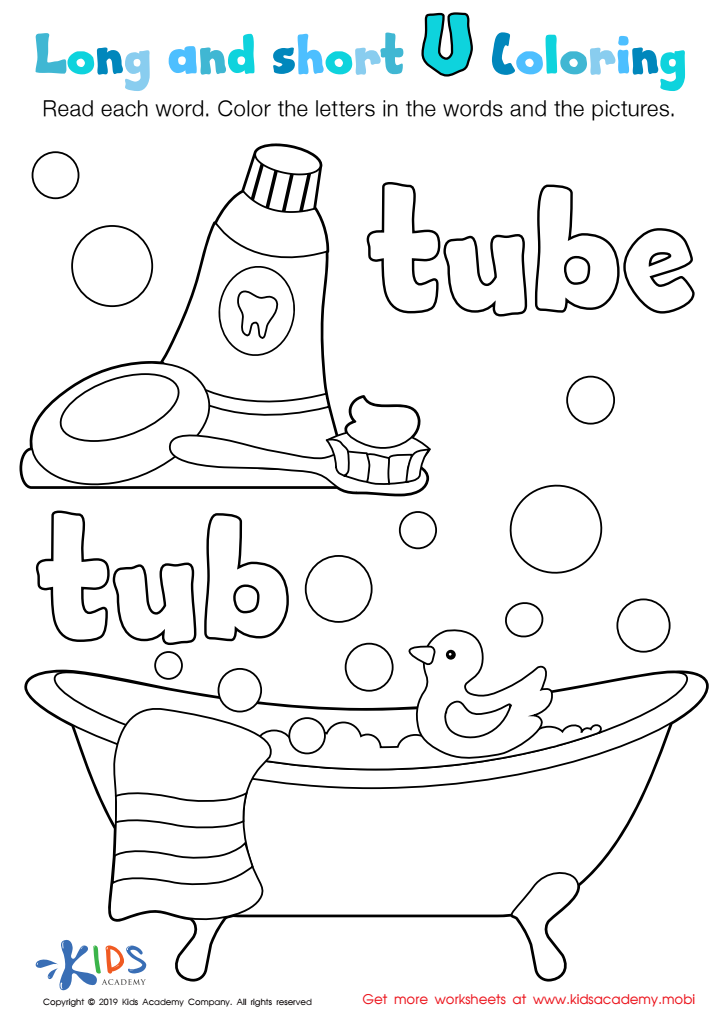
Long and Short U Worksheet
Assign to My Students
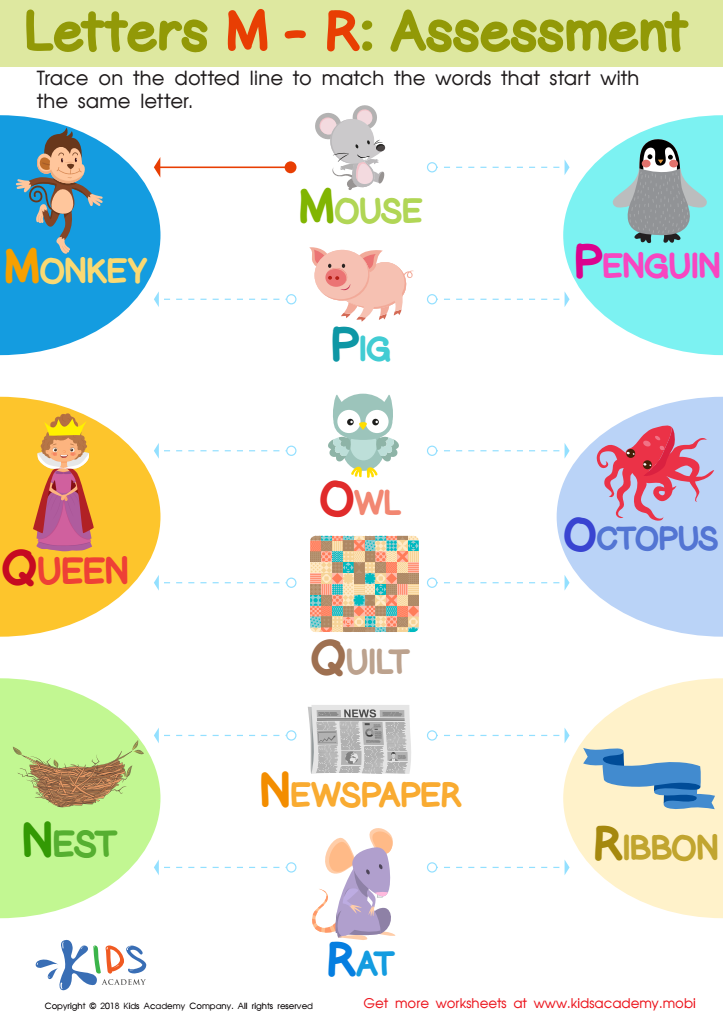
Letters M-R Tracing Worksheet
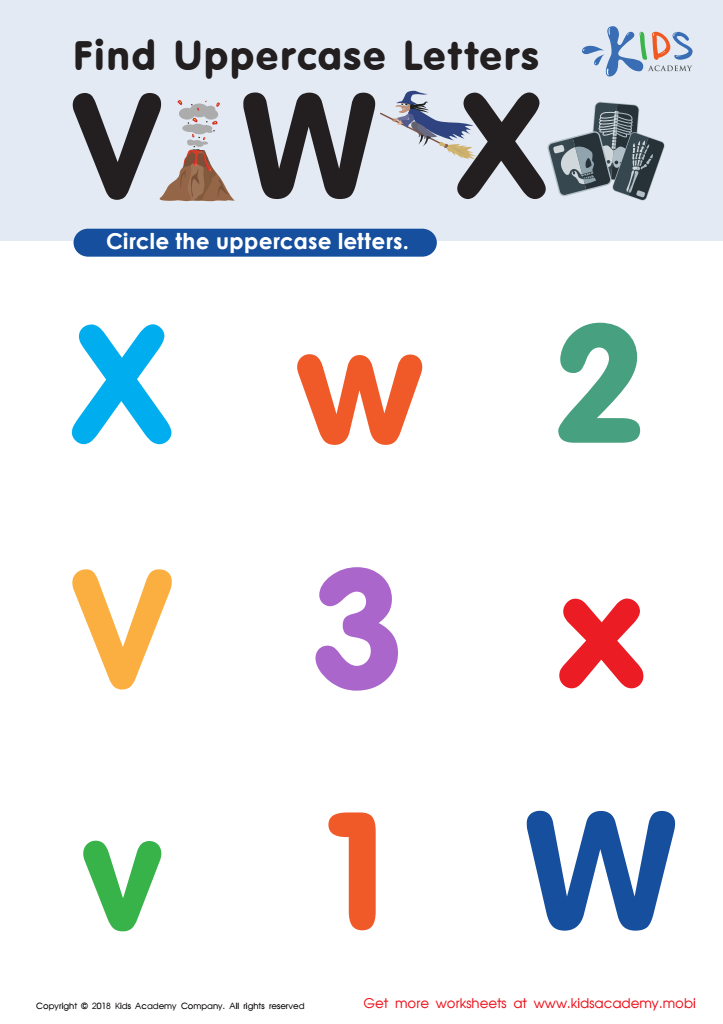
Find Uppercase Letters V, W, X Worksheet
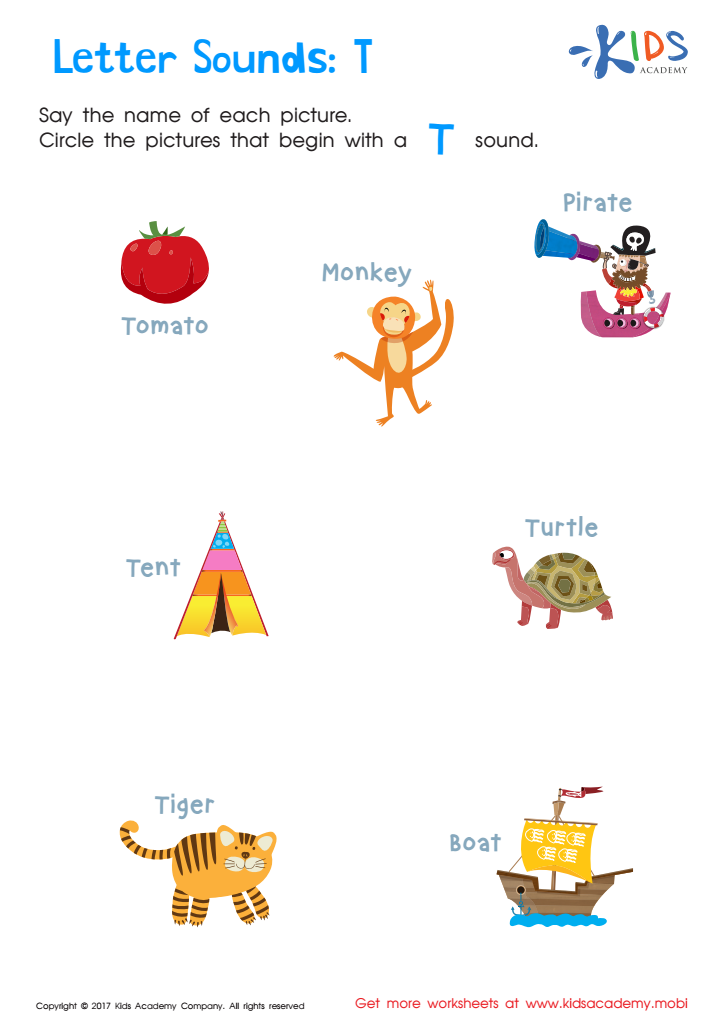
Letter T Sounds Worksheet
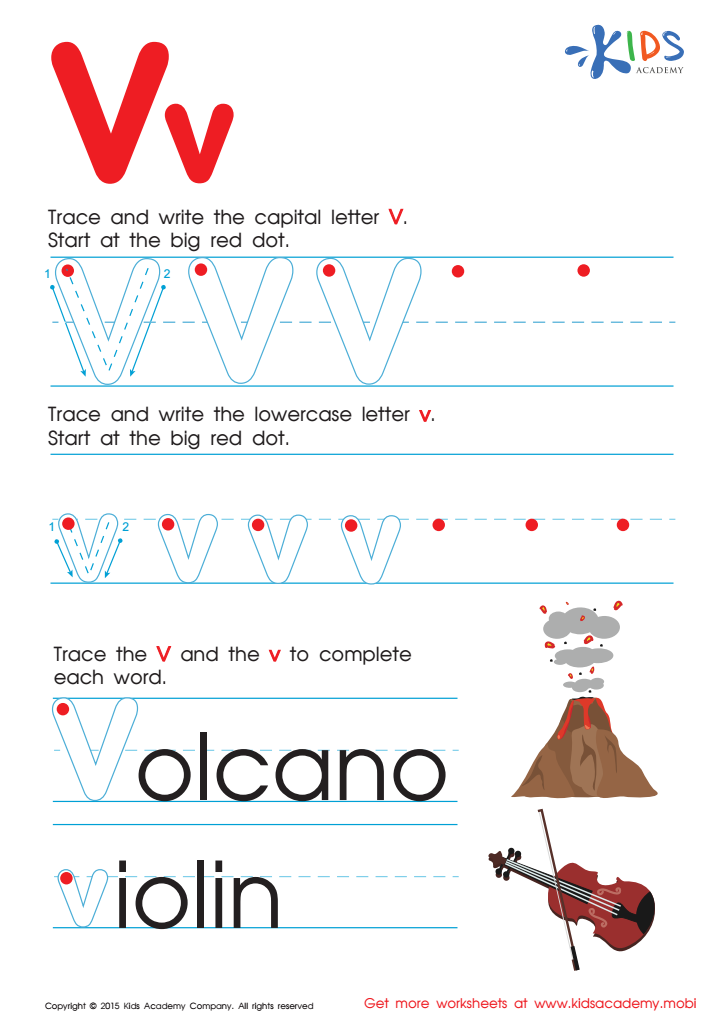
Letter V Tracing Page
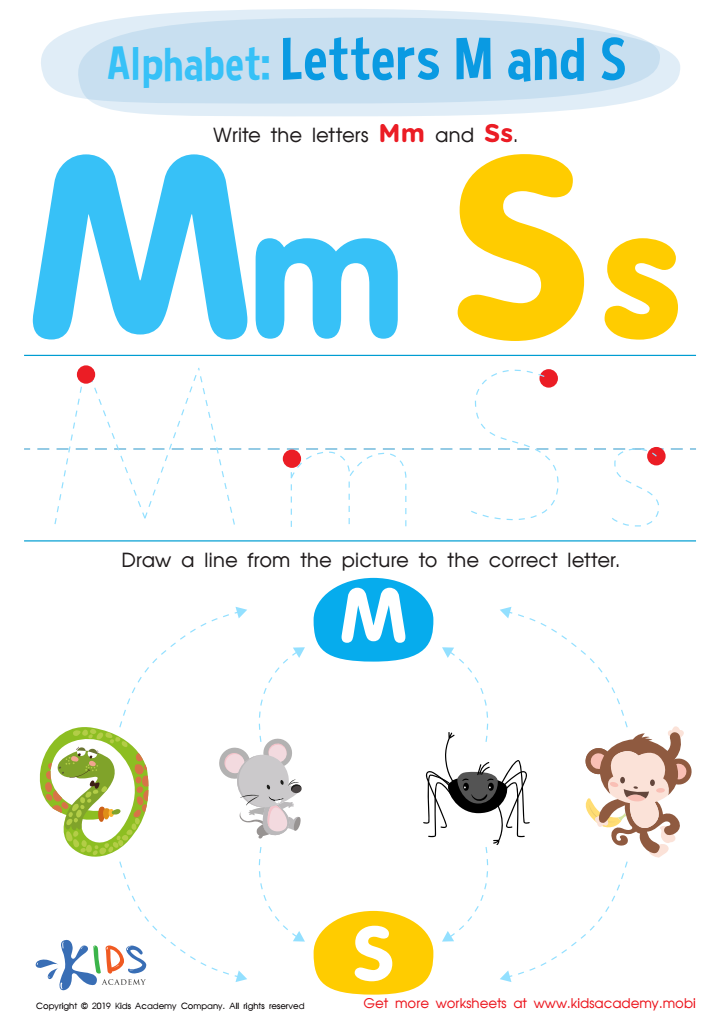
Letters M and S Tracing Worksheet
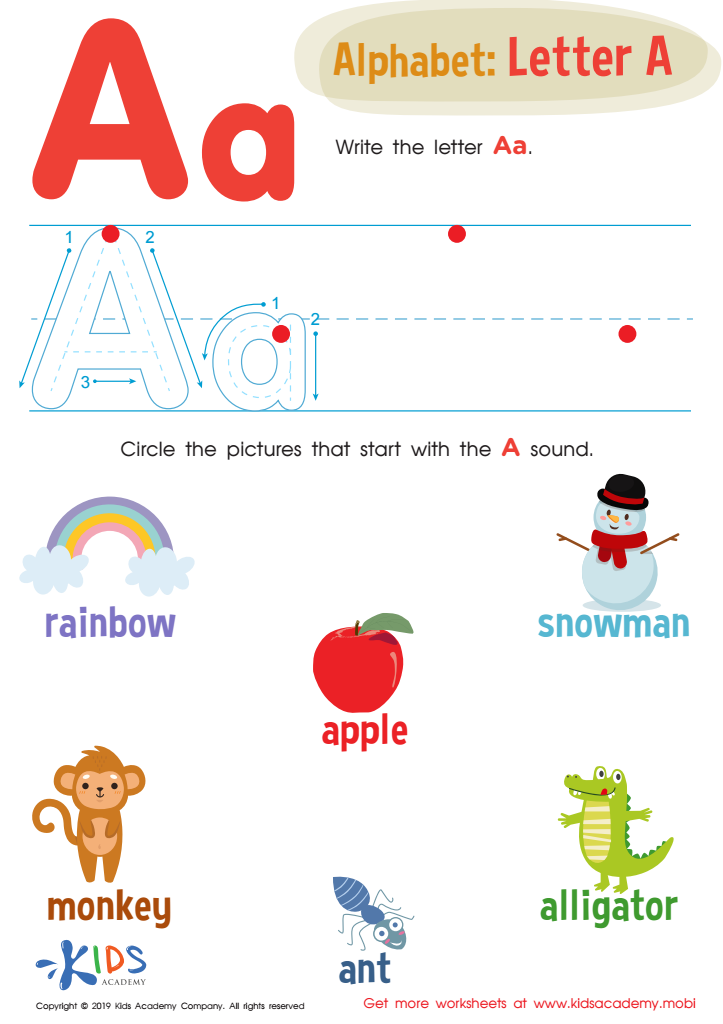
Letter A Tracing Worksheet
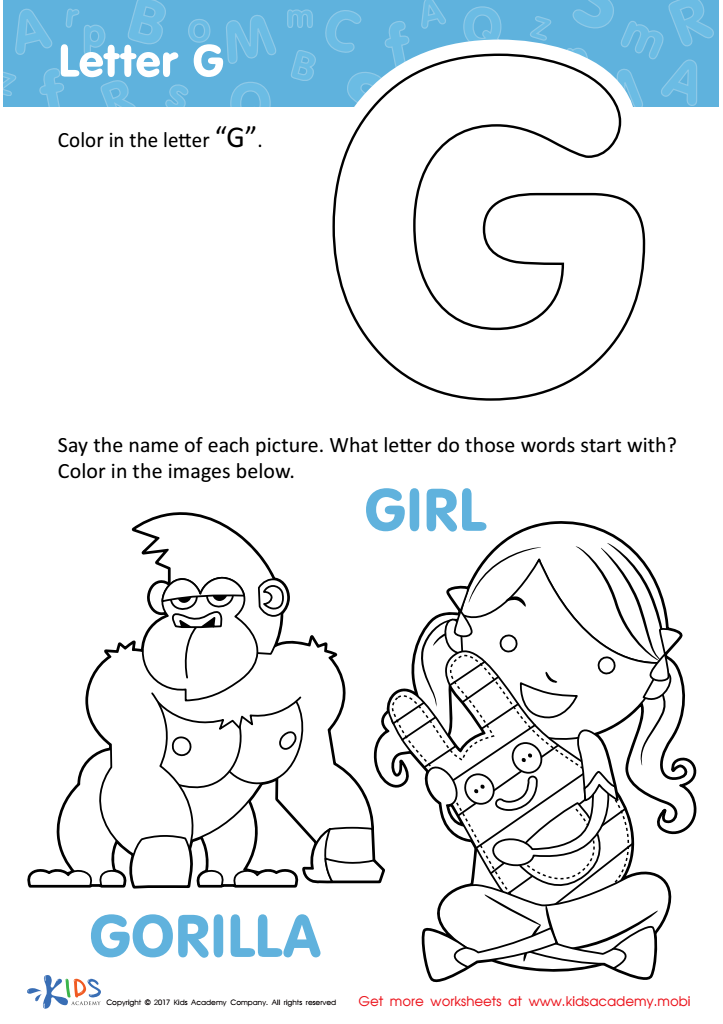
Letter G Coloring Sheet
Assign to My Students
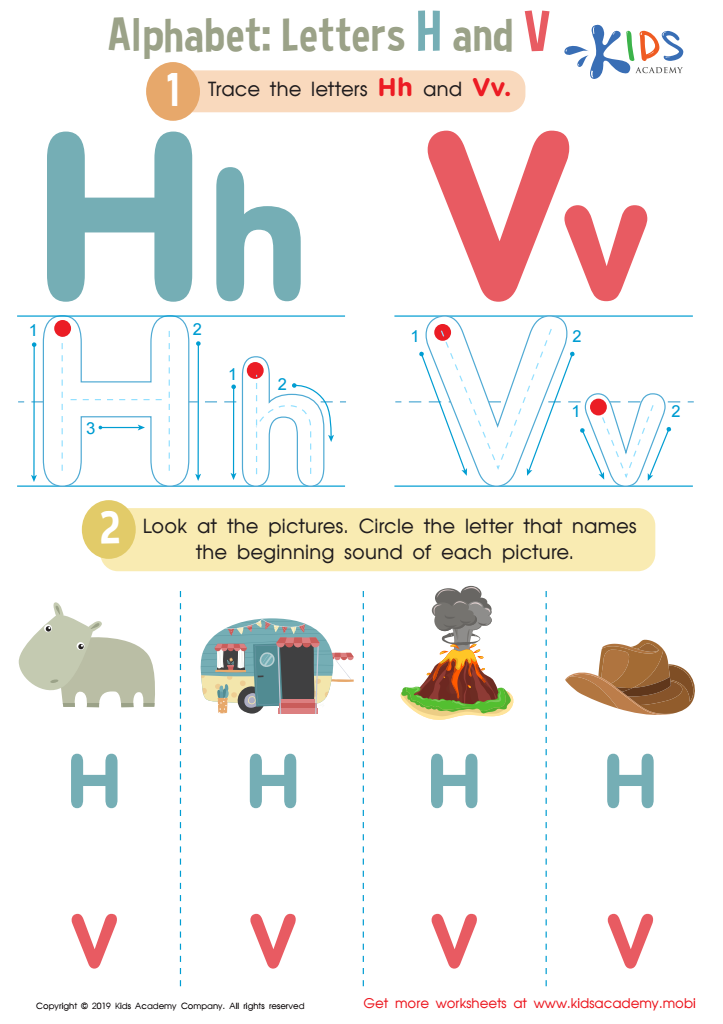
Letters H and V Tracing Worksheet
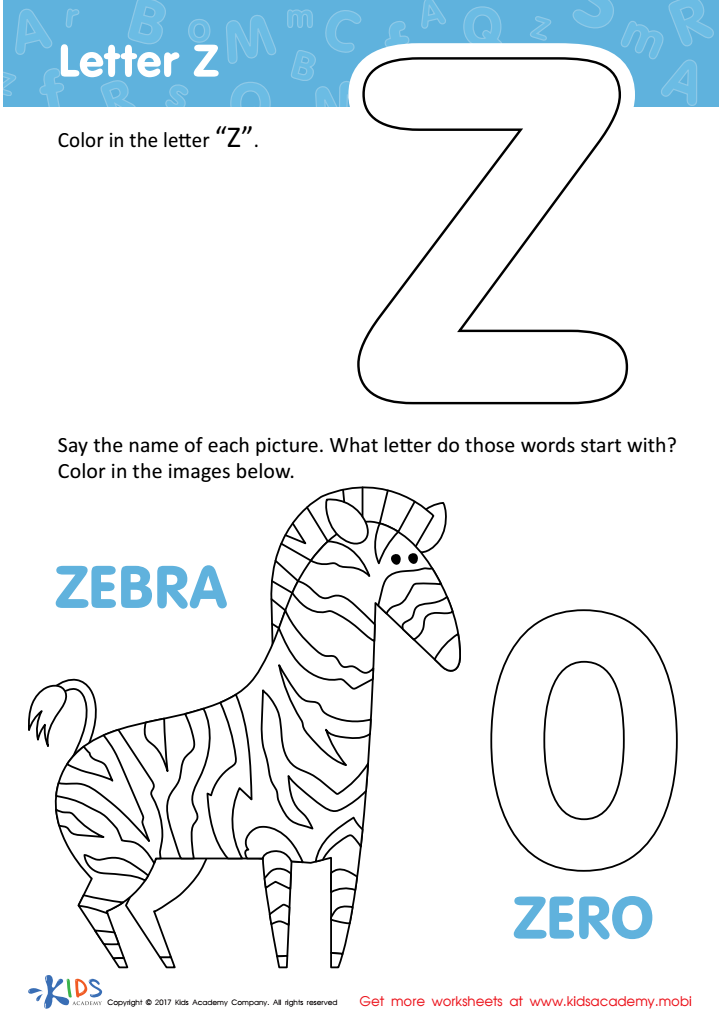
Letter Z Coloring Sheet
Assign to My Students
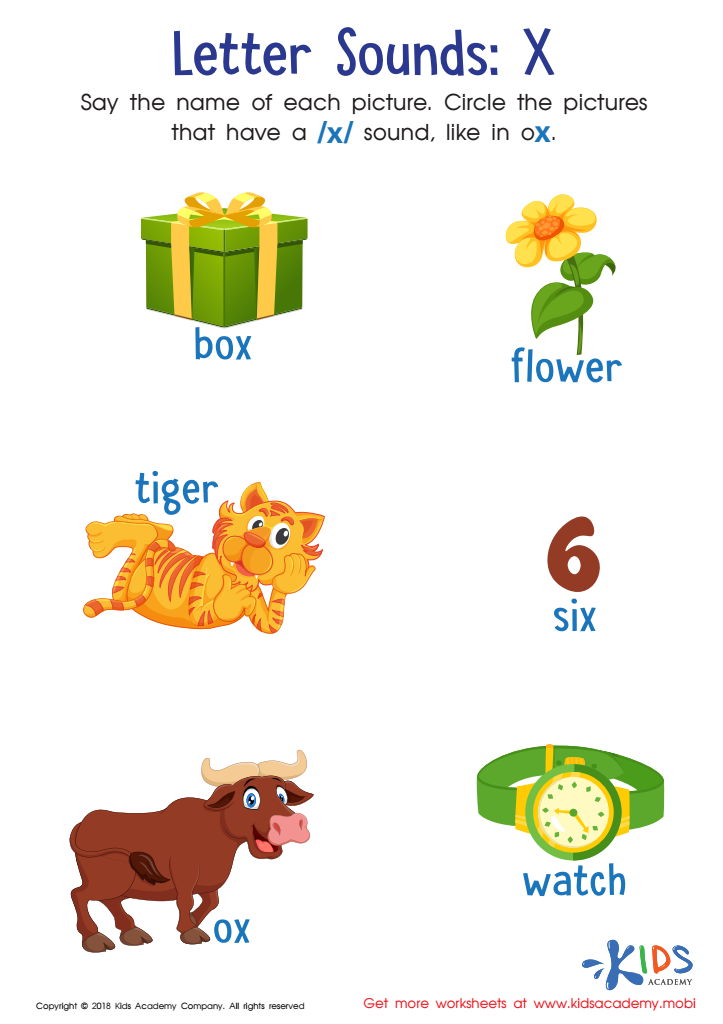
Letter X Sounds Worksheet
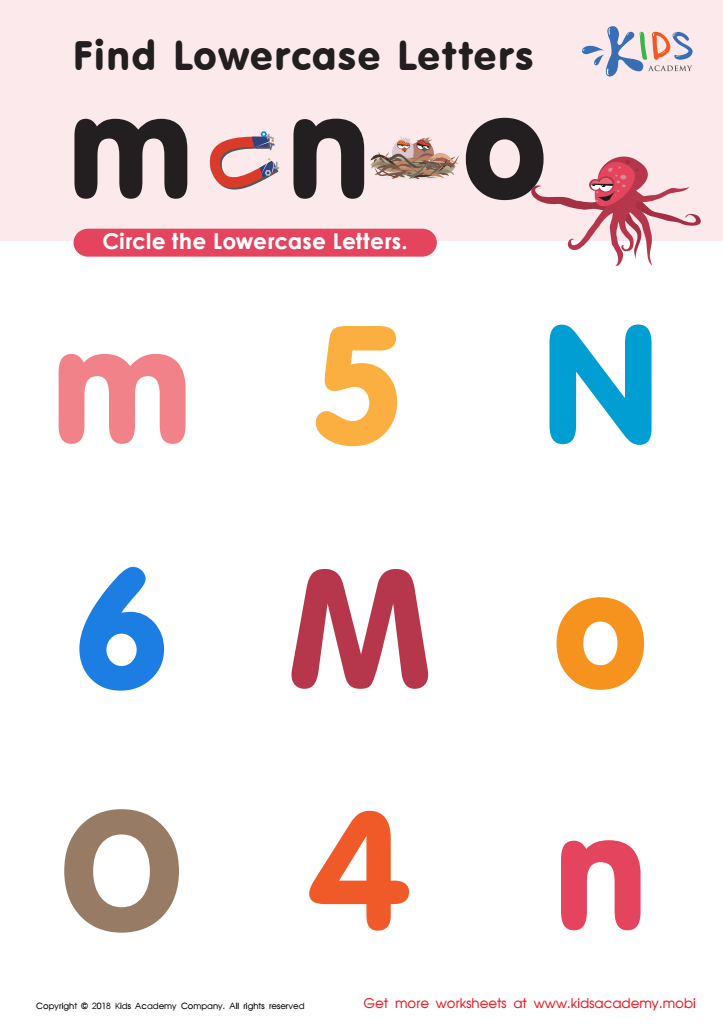
Find Lowercase Letters m n o Worksheet
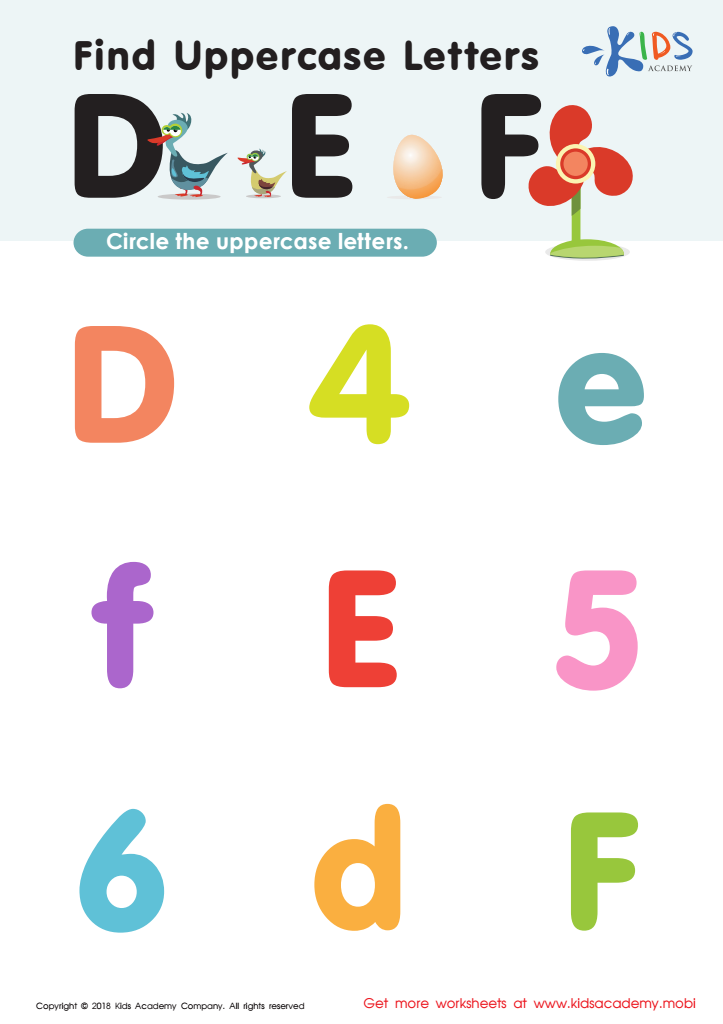
Find Uppercase Letters D, E, and F Worksheet
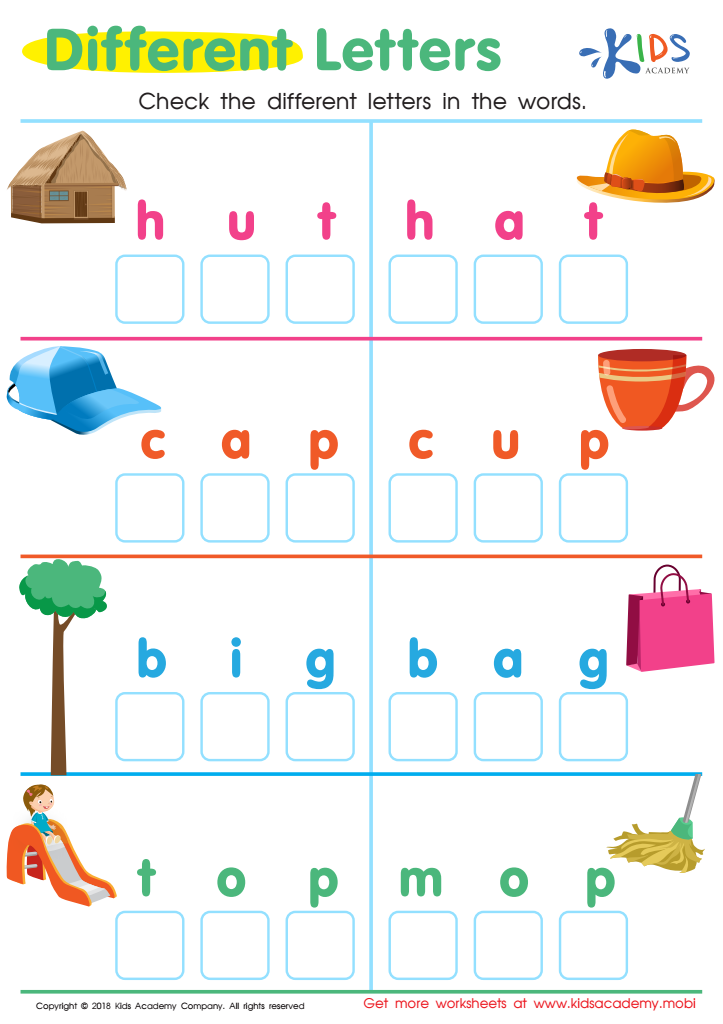
Different Letters Reading Worksheet
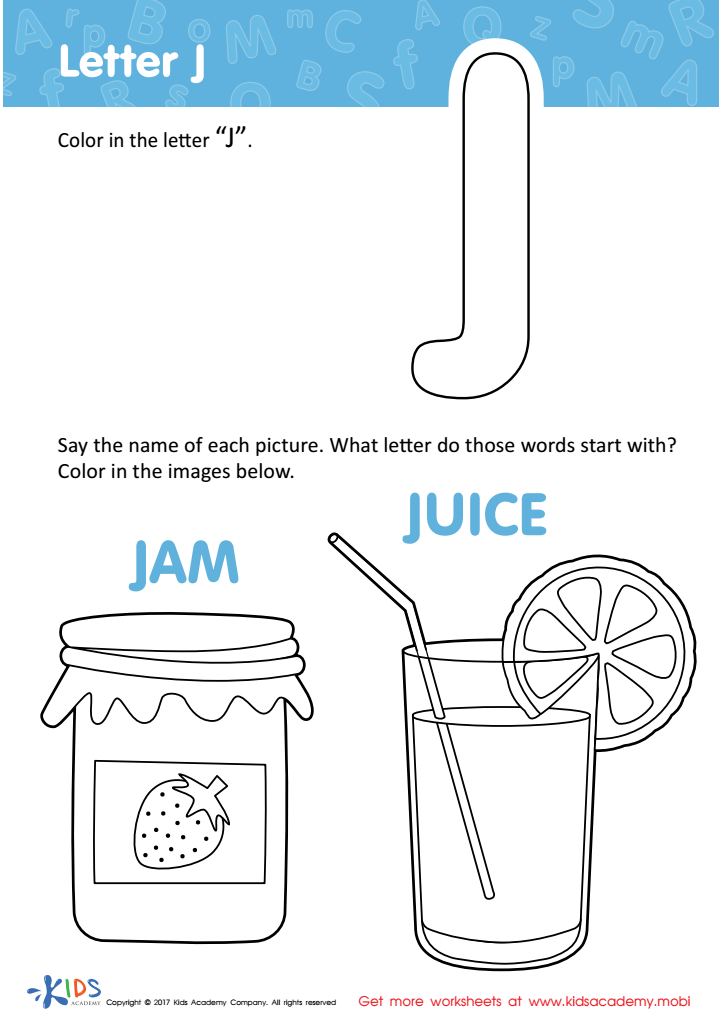
Letter J Coloring Sheet
Assign to My Students
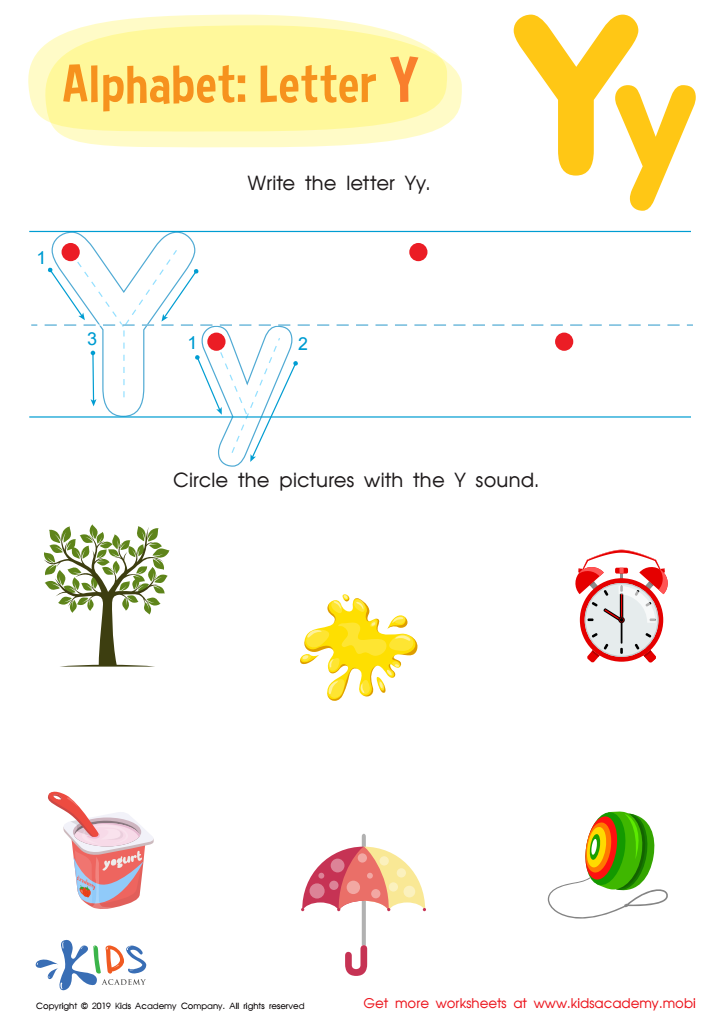
Letter Y Tracing Worksheet
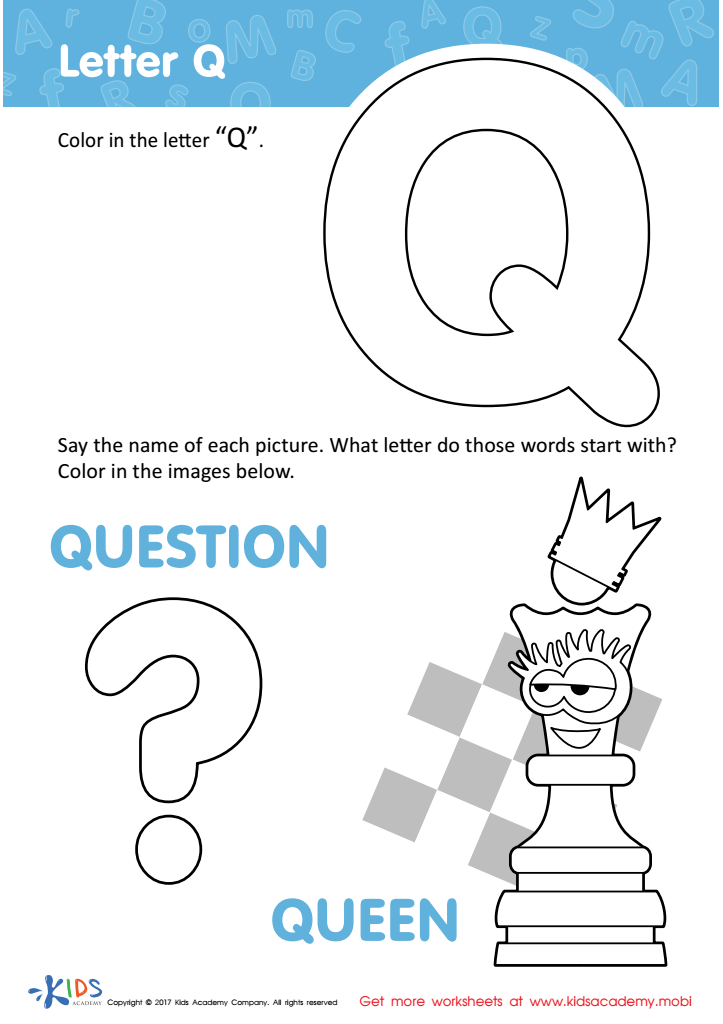
Letter Q Coloring Sheet
Assign to My Students
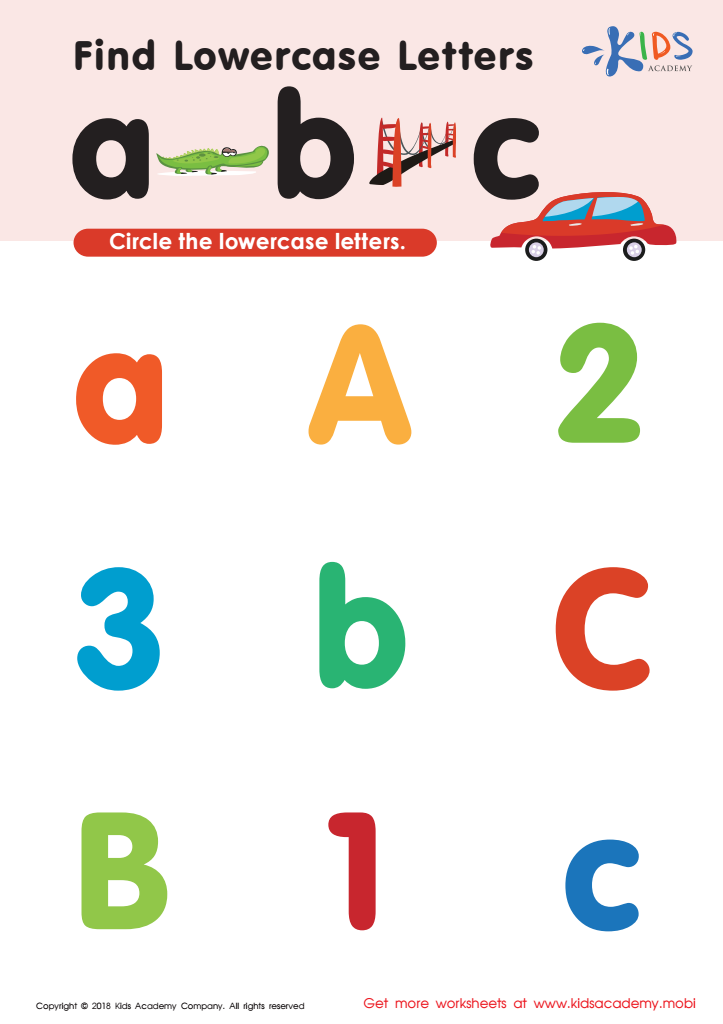
Find lowercase letters a b c Worksheet
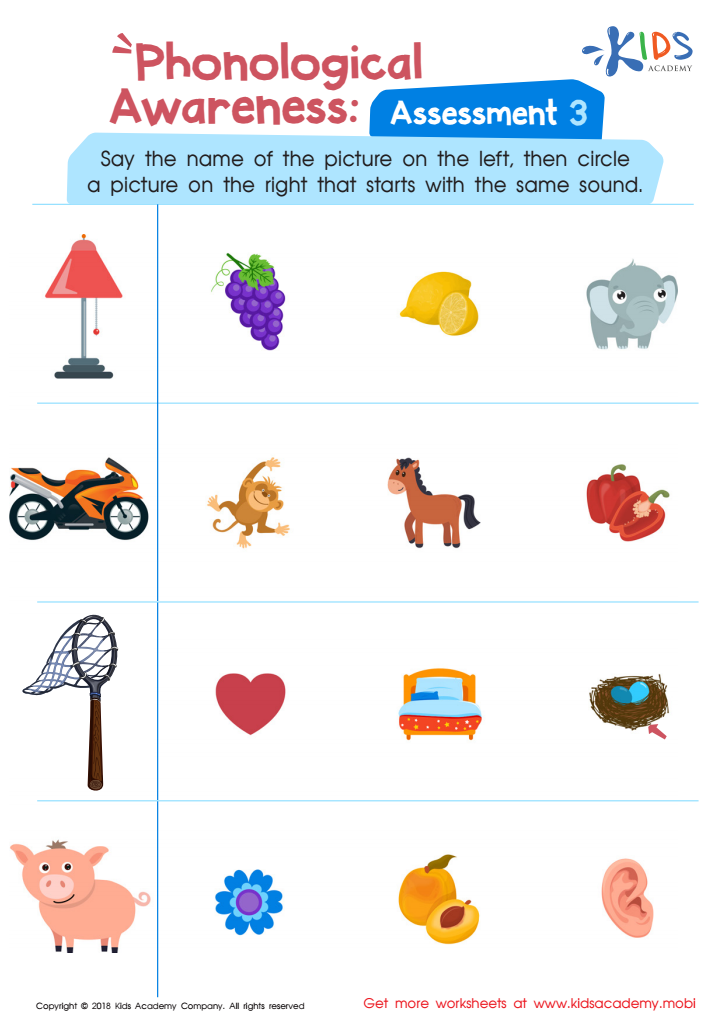
Phonological Awareness: Assessment 3 Worksheet
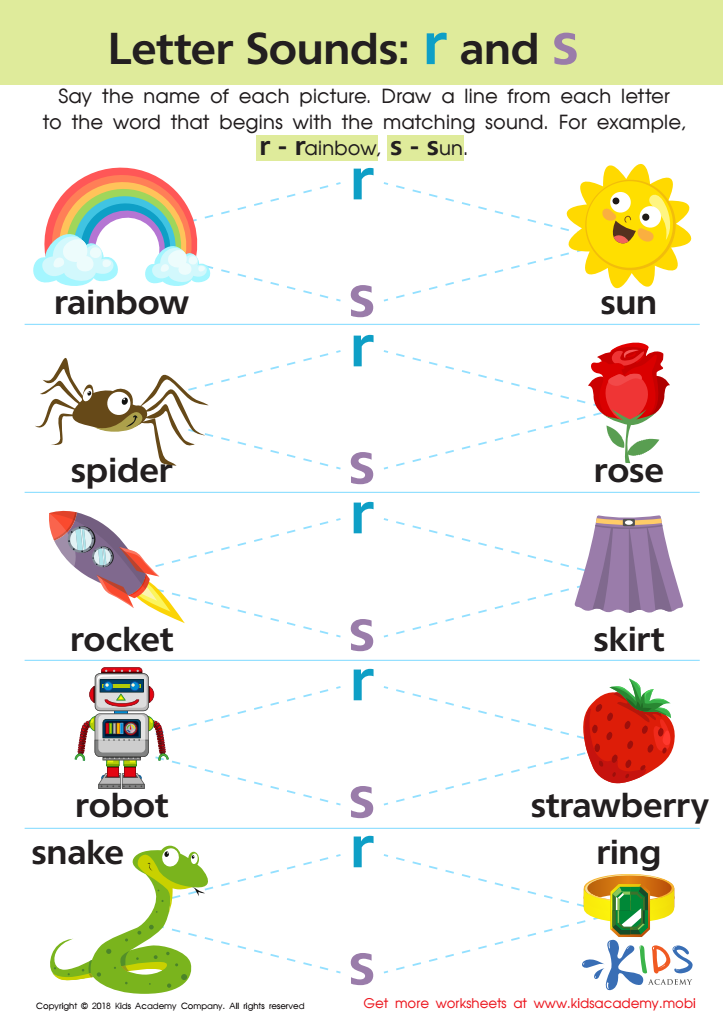
Letter R and S Sounds Worksheet
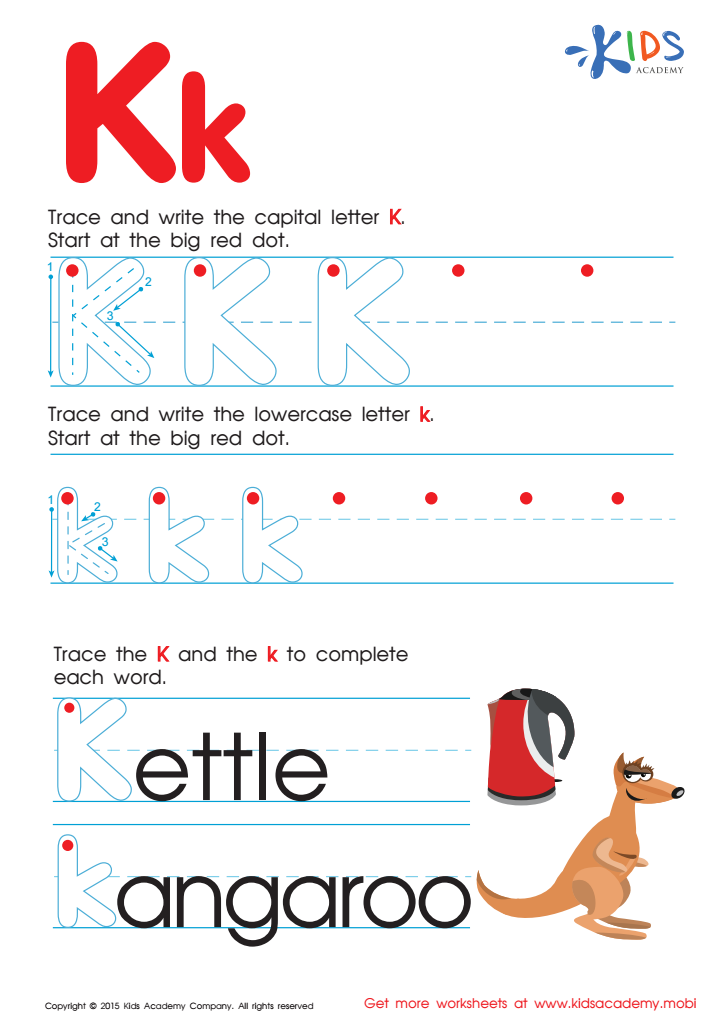
Letter K Tracing Page








Letter recognition is a fundamental skill in early childhood education that has profound implications for a child's literacy development. For 4-year-olds, becoming familiar with the alphabet is not just about memorizing letters; it lays the groundwork for reading and writing in their future. When parents and teachers focus on letter recognition, they are helping children make important connections between sounds and symbols, enhancing their phonemic awareness.
Early mastery of the alphabet fosters confidence in children as they begin to decode words. This crucial skill aids in vocabulary development, comprehension, and ultimately, a love for reading. Additionally, recognizing letters can assist in forming early literacy habits—such as writing their names or understanding labels—making learning more interactive and engaging.
Moreover, letter recognition encourages a sense of curiosity about language and communication. It also creates opportunities for parents and teachers to engage in fun activities, such as playing alphabet games or reading aloud, which strengthen emotional bonds. By prioritizing letter recognition, caregivers and educators equip children with essential tools for academic success, paving the way for lifelong learning and enjoyment in literature. In short, it’s a stepping stone that opens the door to a world of possibilities in literacy.







