Reading Skills Alphabet Worksheets for 4-Year-Olds
14 filtered results
-
From - To
Kickstart your child's learning journey with our "Reading Skills Alphabet Worksheets for 4-Year-Olds." These engaging and educational worksheets are designed to develop alphabet recognition, phonics, and pre-reading skills in young learners. Featuring fun activities such as tracing letters, matching games, and coloring, our worksheets make learning the alphabet enjoyable and interactive. Ideal for preschoolers, they support early literacy development and lay a strong foundation for future reading success. Give your 4-year-old a head start with our expertly crafted alphabet worksheets, perfect for both classroom and home use. Access these free, printable resources today!
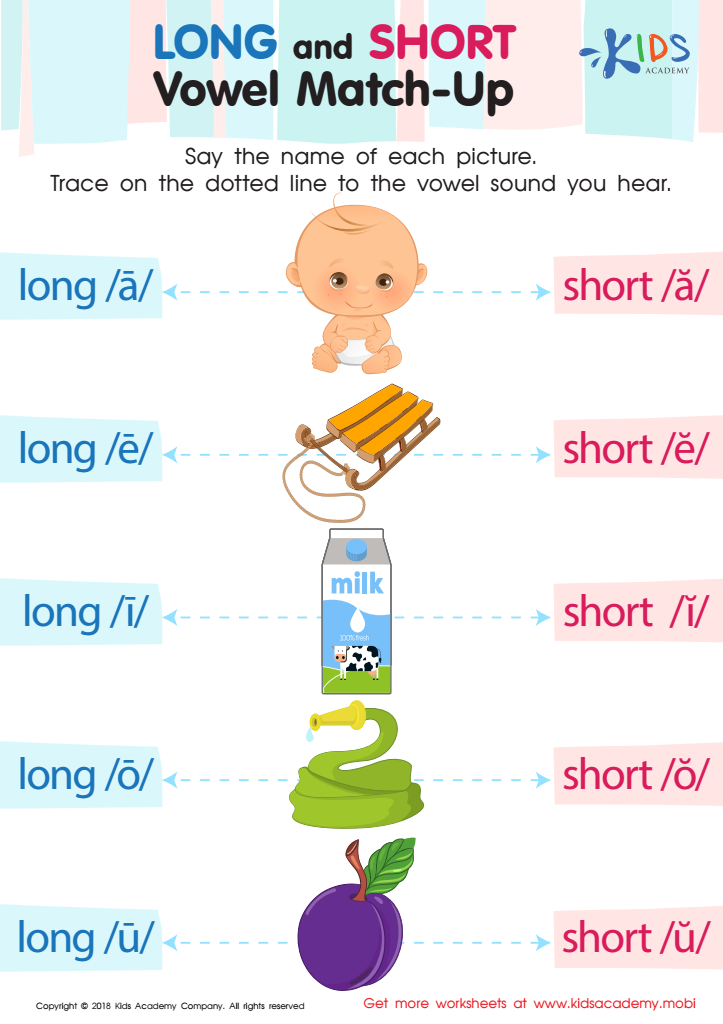
Long and Short Vowel Match up Reading Worksheet
 Assign to My Students
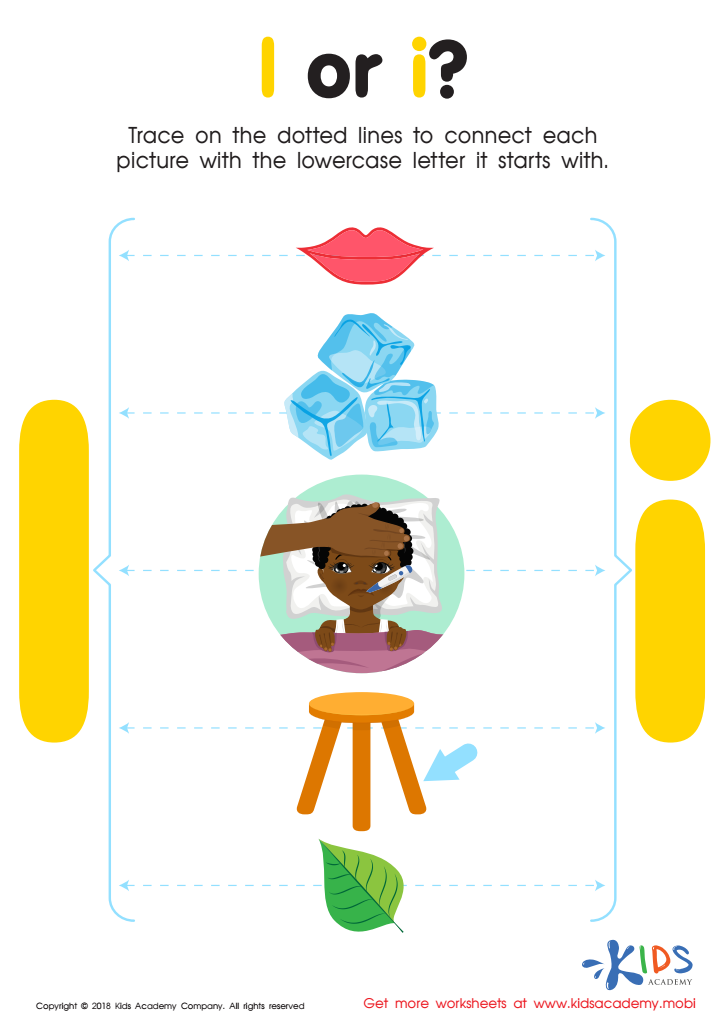
l or i? Worksheet
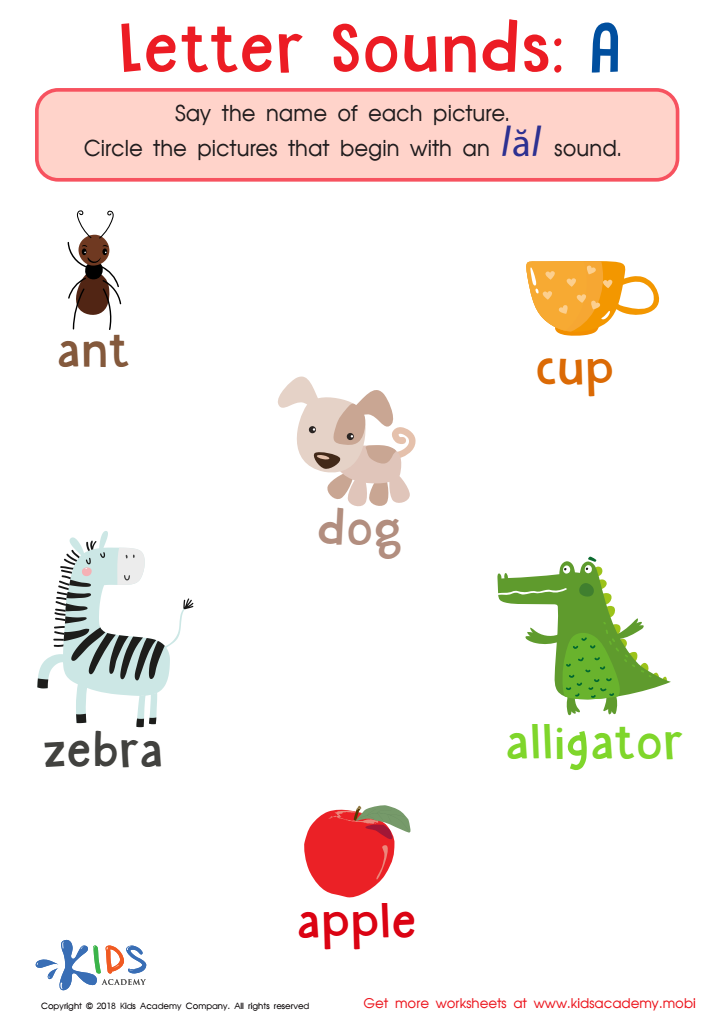
Letter A Sounds Worksheet
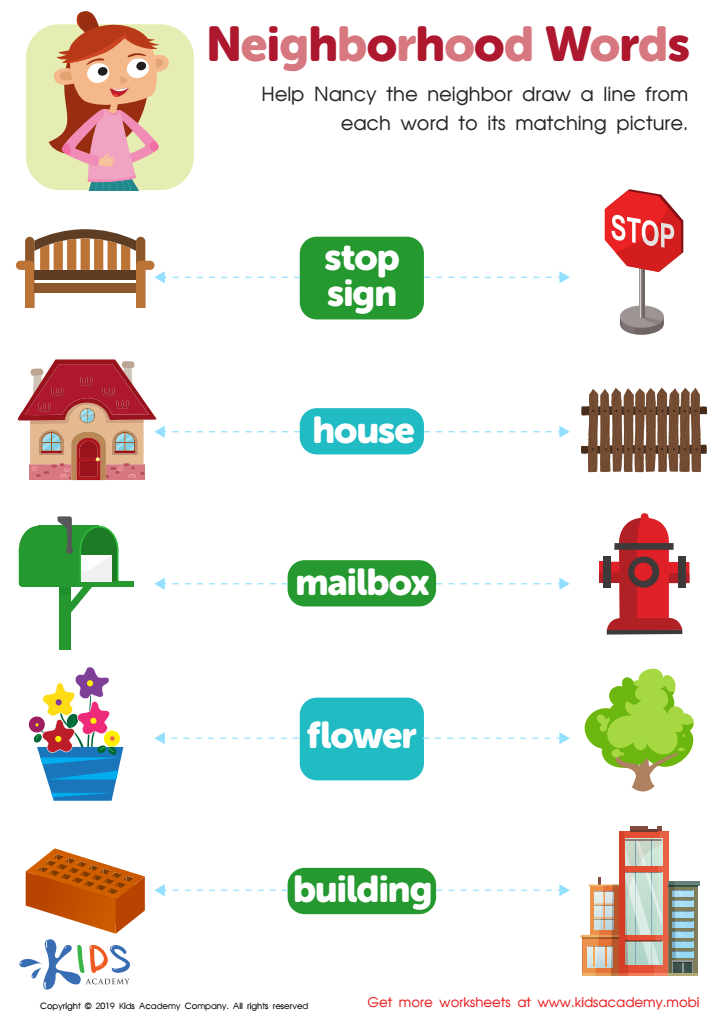
Neighborhood Words Worksheet
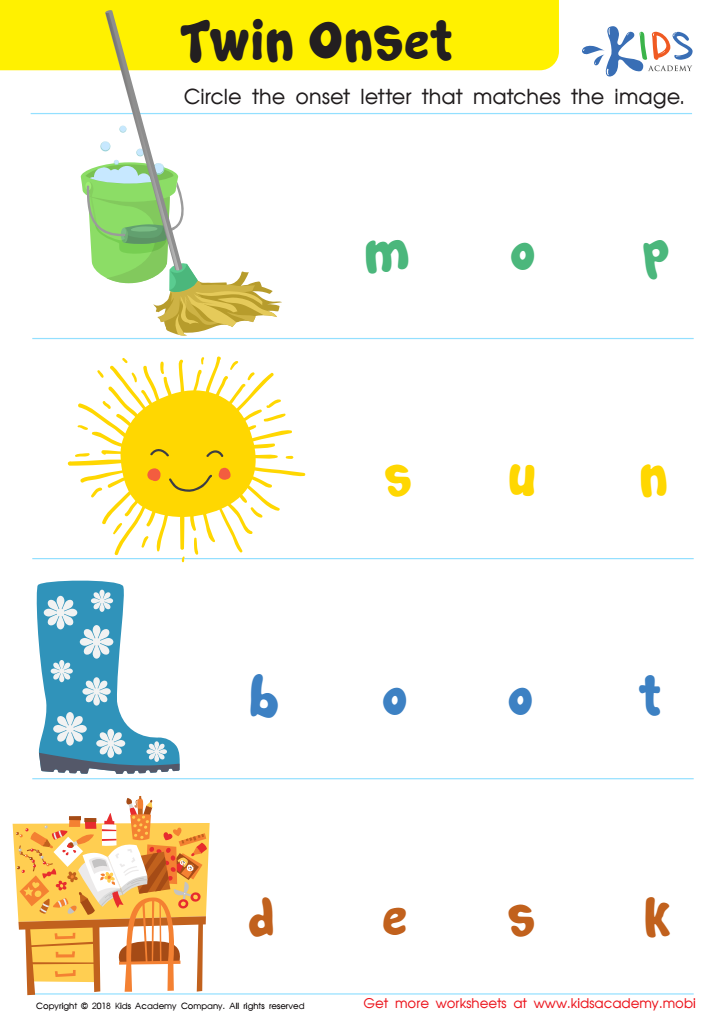
Twin Onset Worksheet
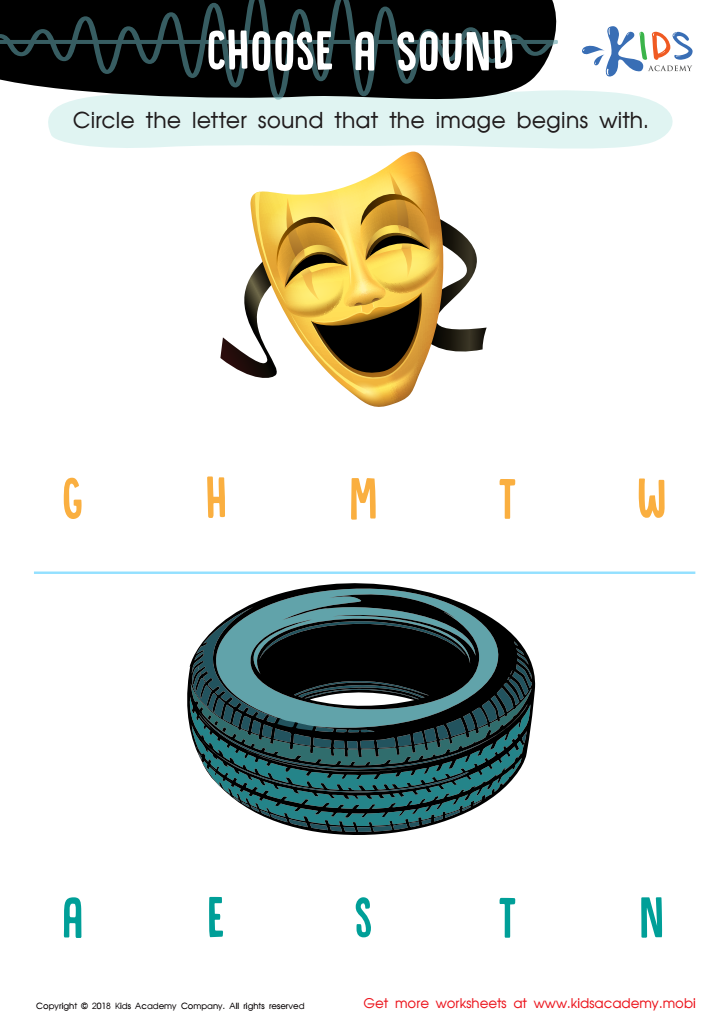
Choose a Sound Worksheet
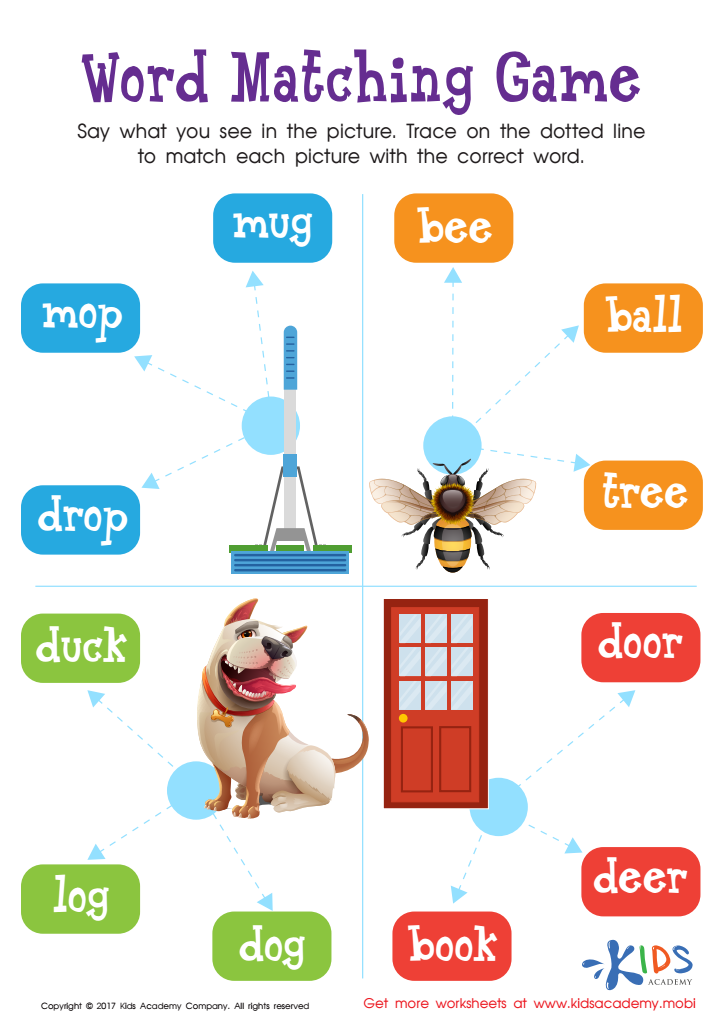
Word Matching Game Worksheet
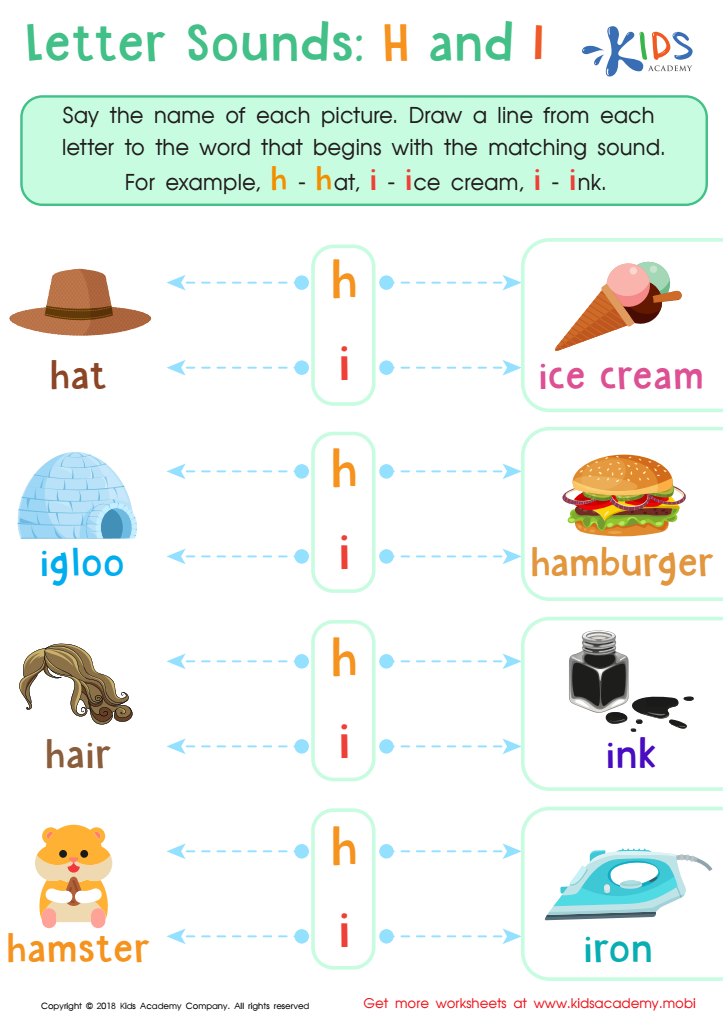
Letter H and I Sounds Worksheet
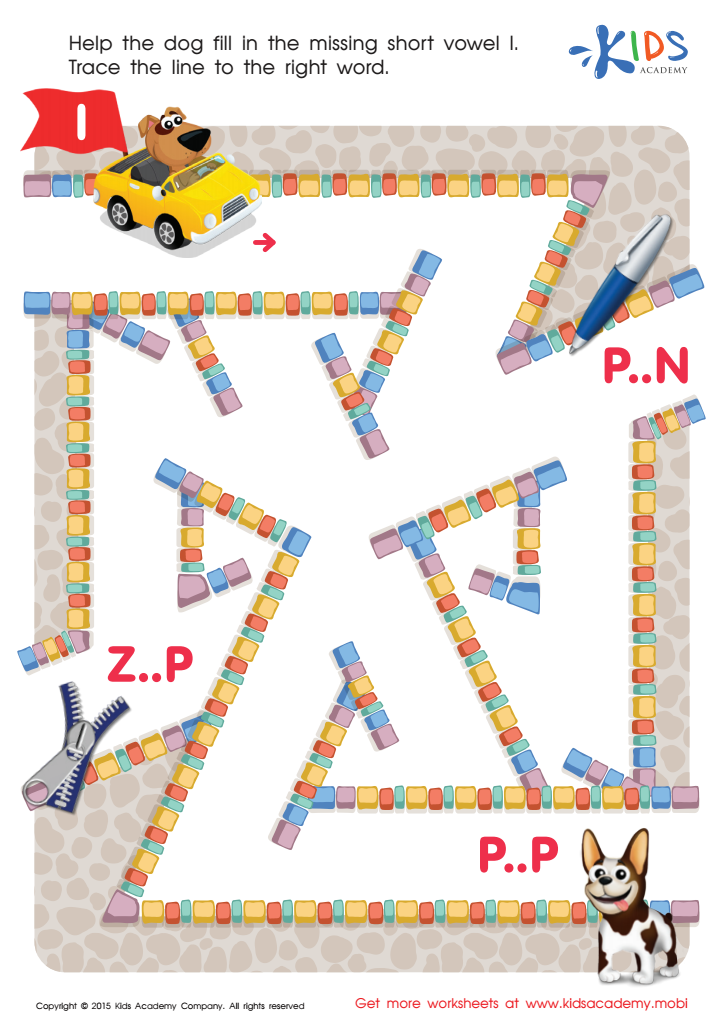
Short Vowel Sound I Worksheet
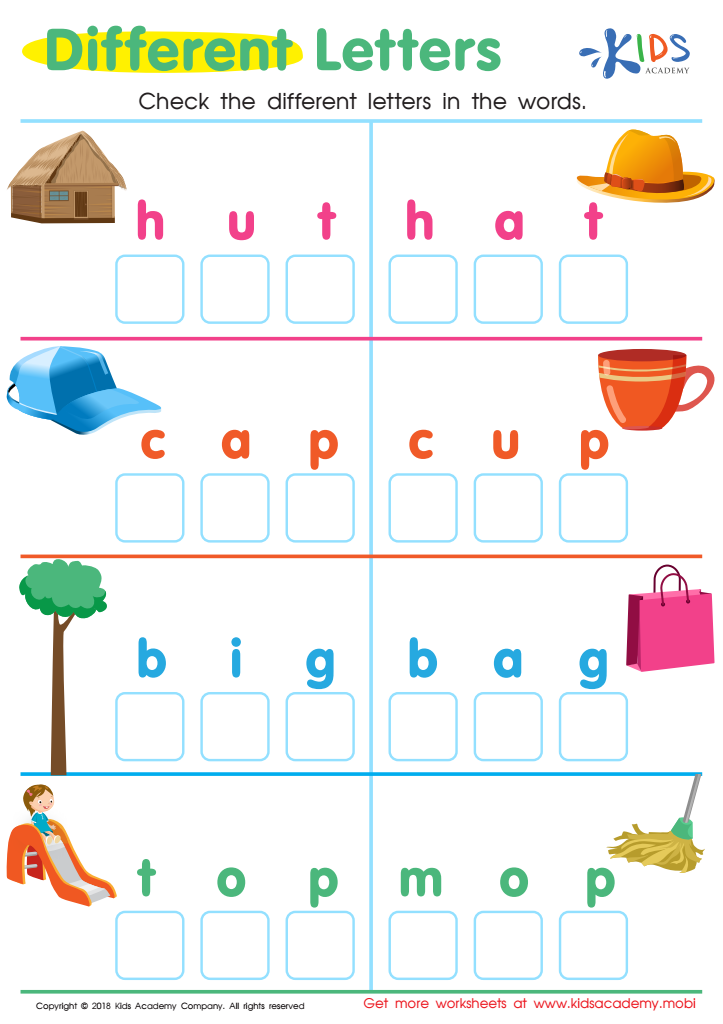
Different Letters Reading Worksheet
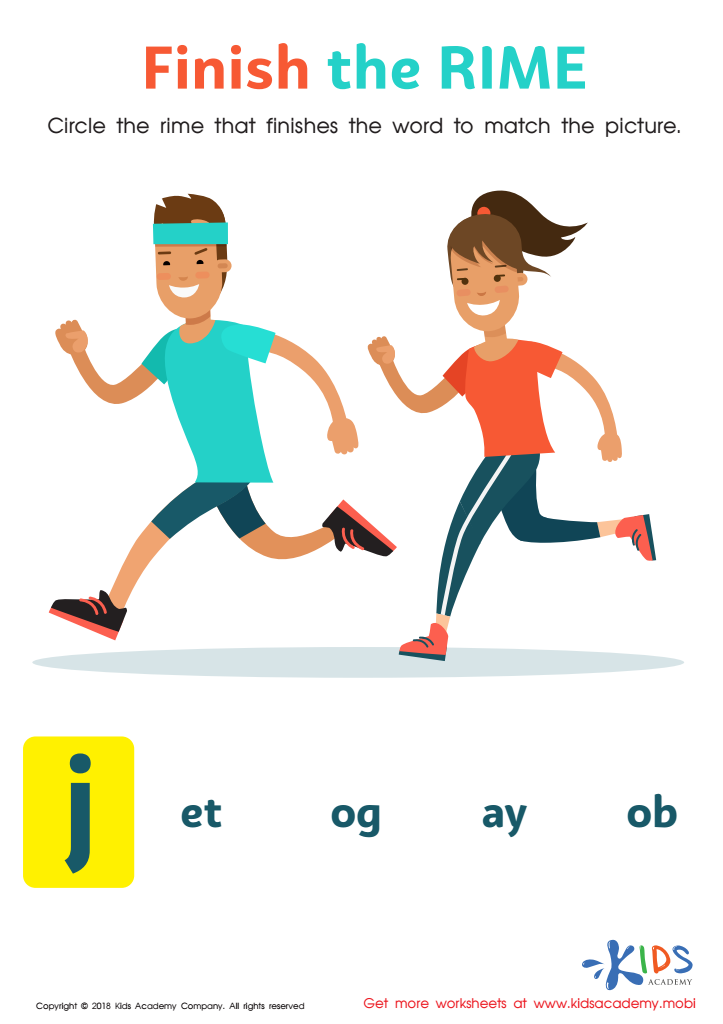
Finish the Rime Worksheet
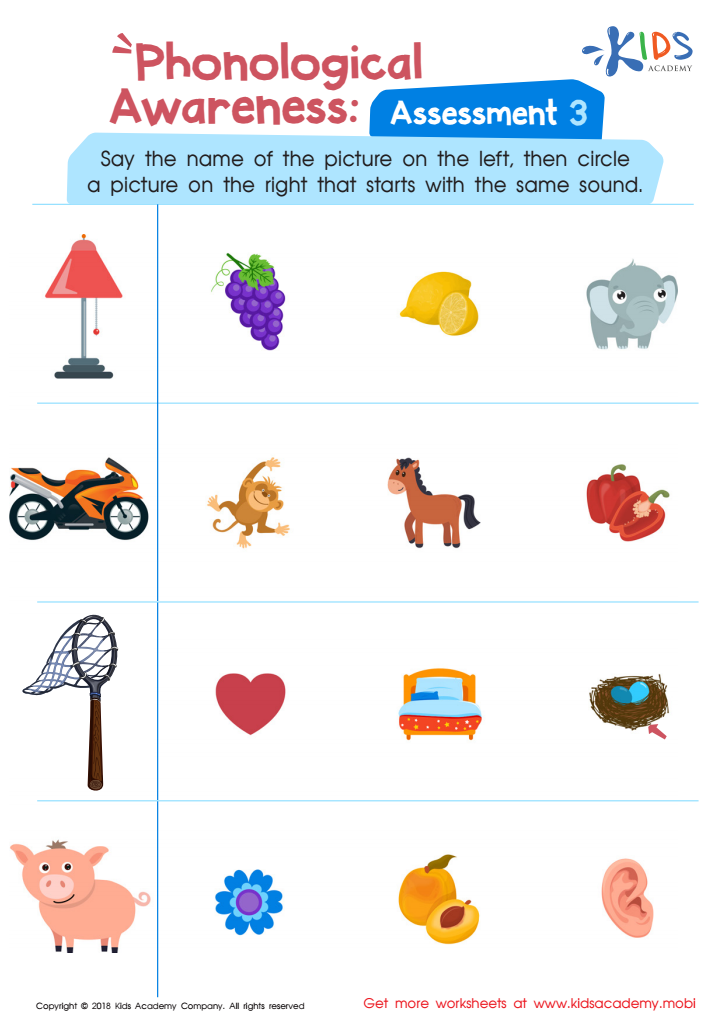
Phonological Awareness: Assessment 3 Worksheet
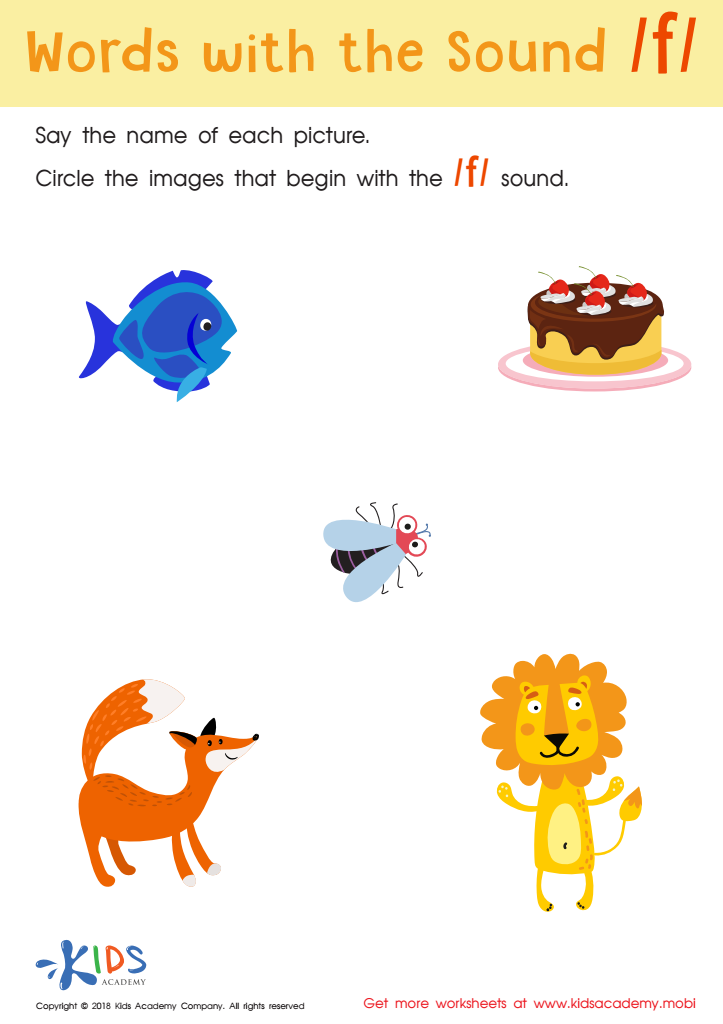
Words with sound f Reading Worksheet
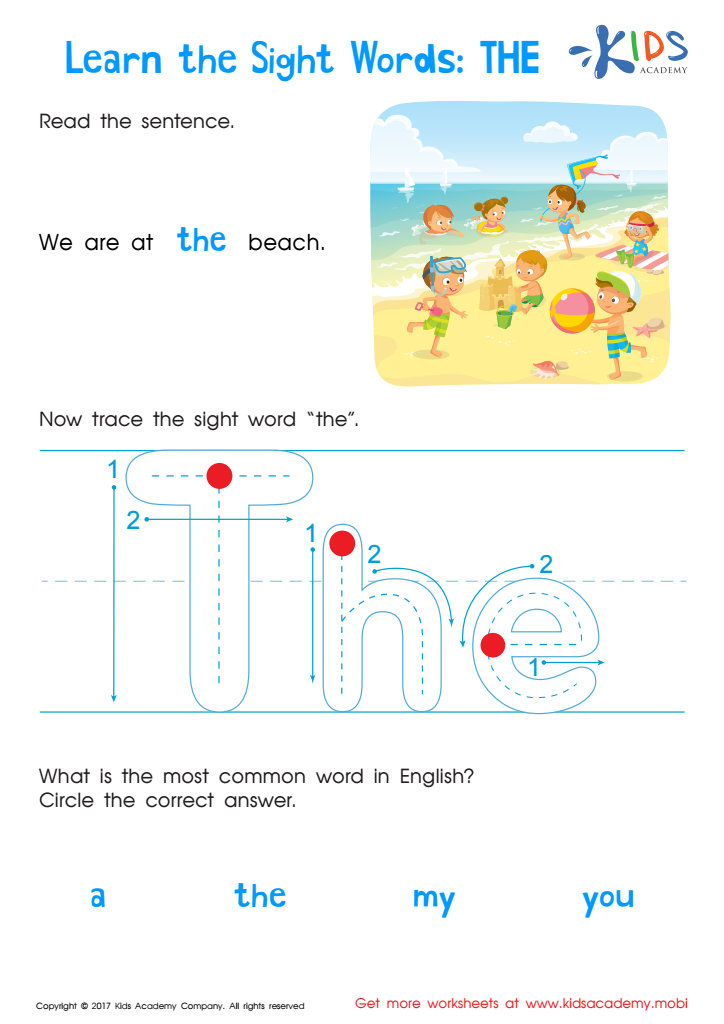
Sight Words: The Worksheet







.jpg)
Reading skills and understanding the alphabet are foundational elements in a child's education, particularly by the age of four. At this developmental stage, children's brains are extraordinarily receptive to new information. Introducing them to the alphabet and early reading skills sets the groundwork for their future literacy, which is crucial for overall academic success.
For parents and teachers, nurturing these skills early on is essential. Reading skills, including recognizing letters and sounds, help children make connections to the language they hear in daily interactions. The alphabet serves as the building blocks for words, sentences, and eventually, stories and complex information.
Early familiarity with letters and sounds fosters cognitive development, fine motor skills (through writing), and enhances vocabulary. These skills also boost children’s confidence and enthusiasm for learning. When children feel competent in these areas, they are more likely to engage actively in school.
Moreover, early literacy skills are tied closely to other areas of development, such as social and communication skills. Children learn to express themselves better and understand others, aiding in overall emotional and social well-being.
In summary, attention to reading skills and the alphabet at age four profoundly influences a child’s educational trajectory, making it a critical focus for both parents and teachers.







