Letter recognition Tracing Letters Worksheets for 4-Year-Olds
26 filtered results
-
From - To
Introduce your 4-year-old to the world of letters with our engaging "Letter Recognition Tracing Letters Worksheets." These thoughtfully designed worksheets help young learners develop vital pre-writing skills through hands-on practice of tracing both uppercase and lowercase letters. By making letter recognition fun and interactive, children gradually build confidence in their abilities while improving fine motor skills and hand-eye coordination. Perfect for home or classroom use, these printable resources provide an essential foundation for early literacy, ensuring your child is well-prepared for the exciting journey of reading and writing. Download today and watch your child's love for learning flourish!
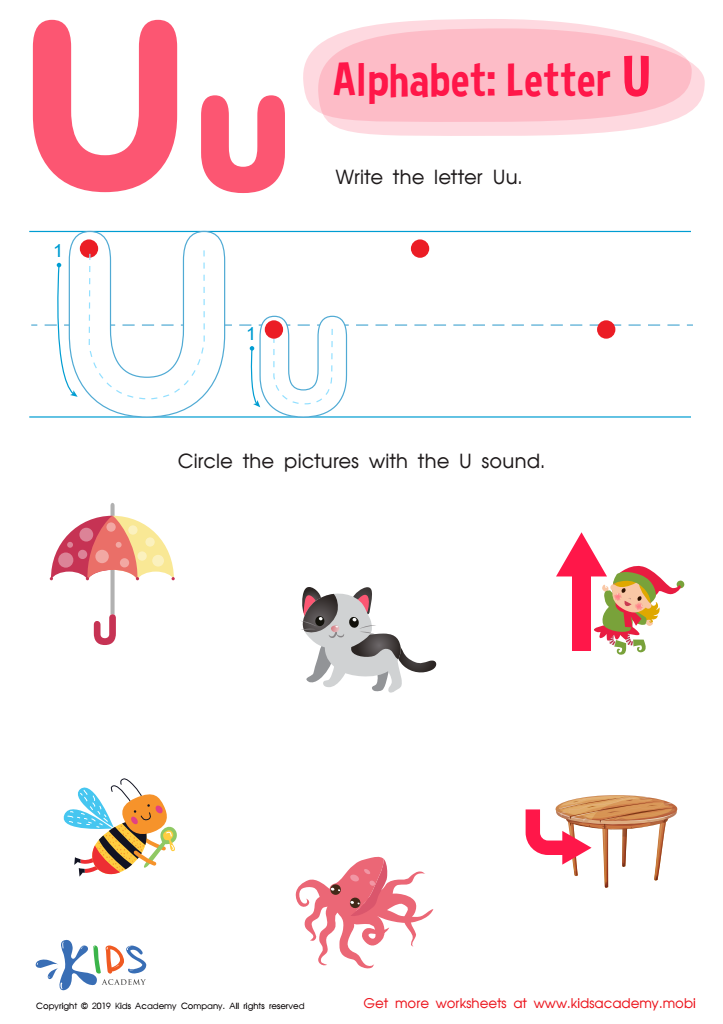
Letter U Tracing Worksheet
 Assign to My Students
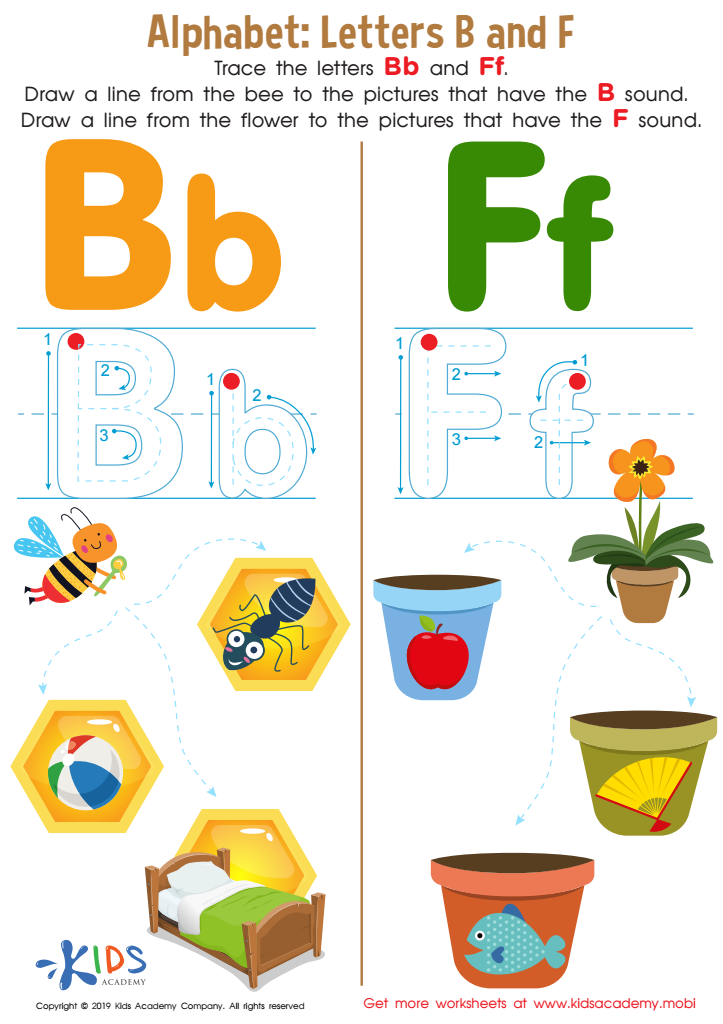
Letters B and F Tracing Worksheet
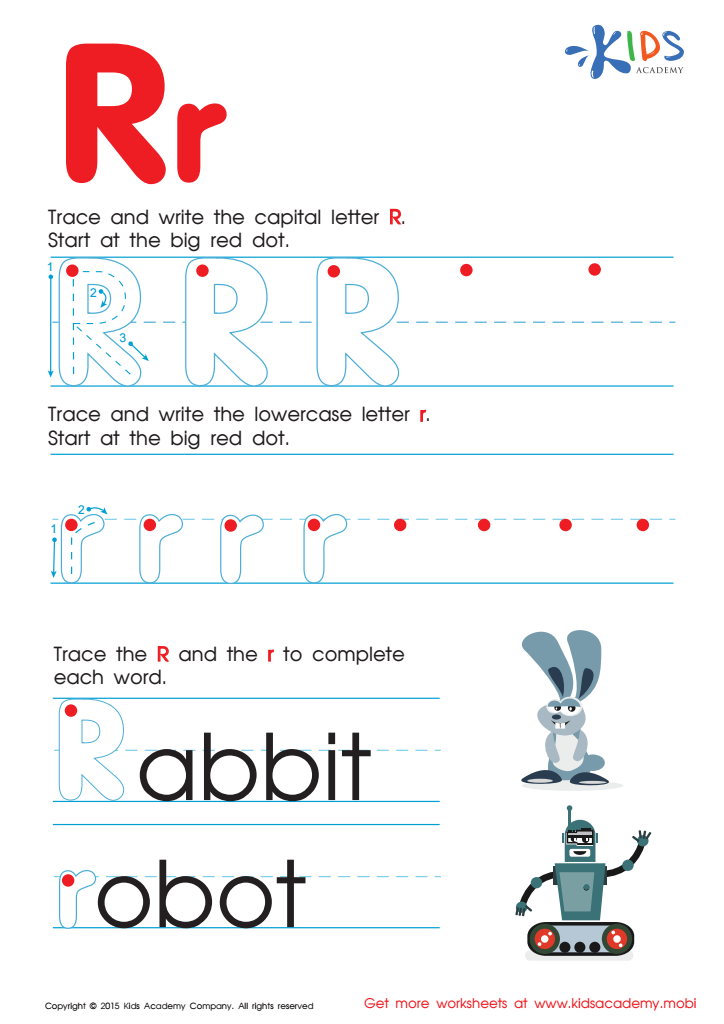
Letter R Tracing Page
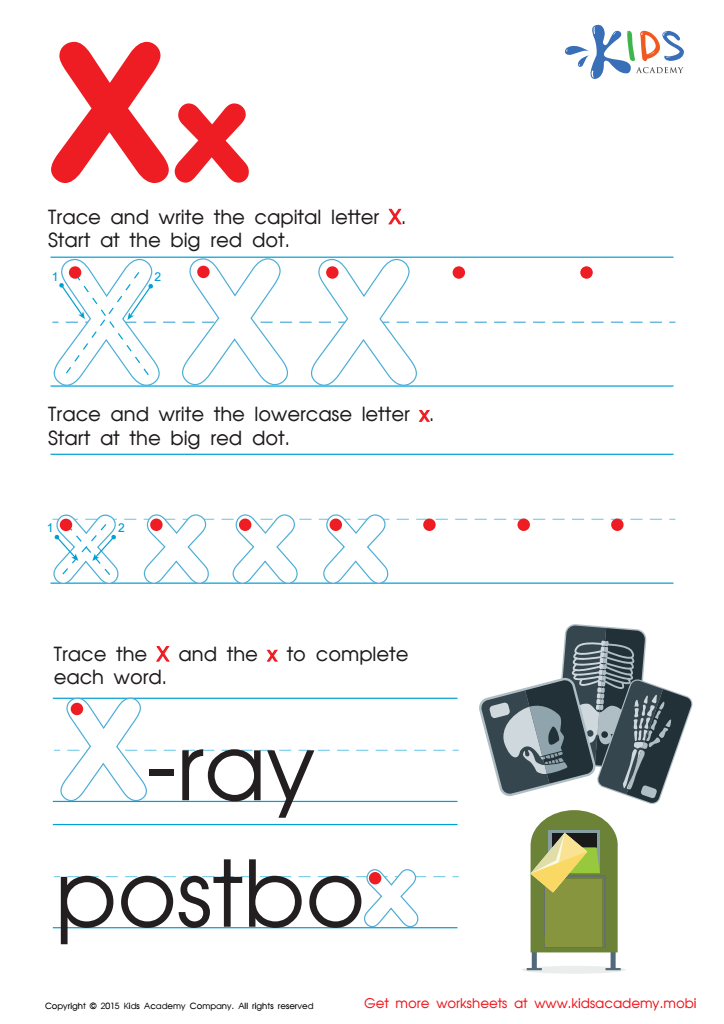
Letter X Tracing Page
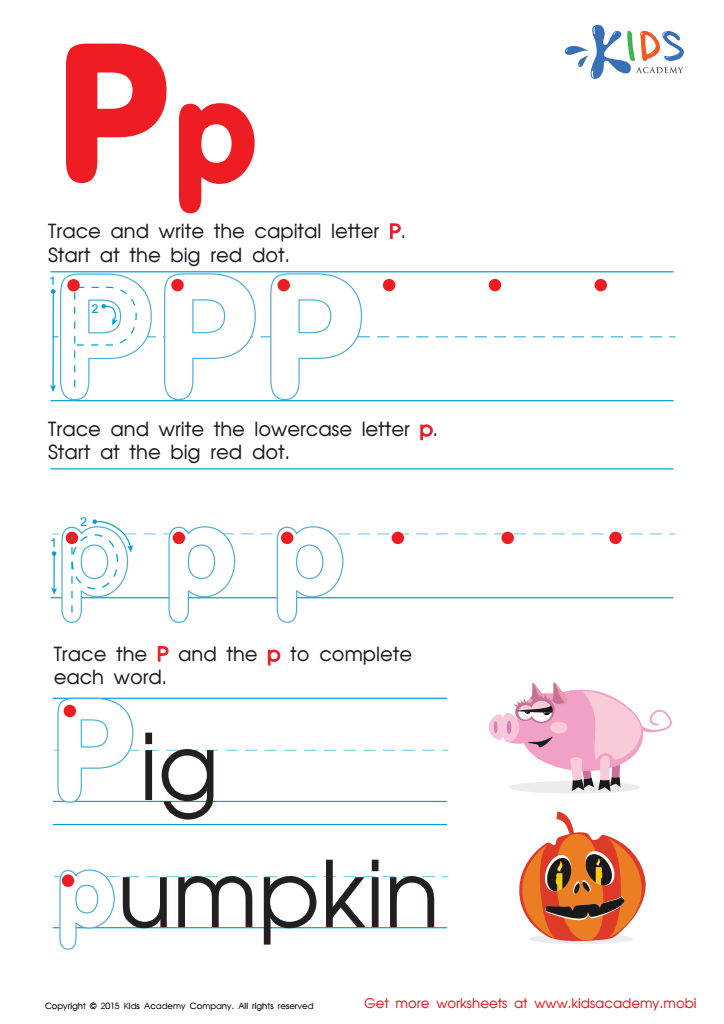
Letter P Tracing Page
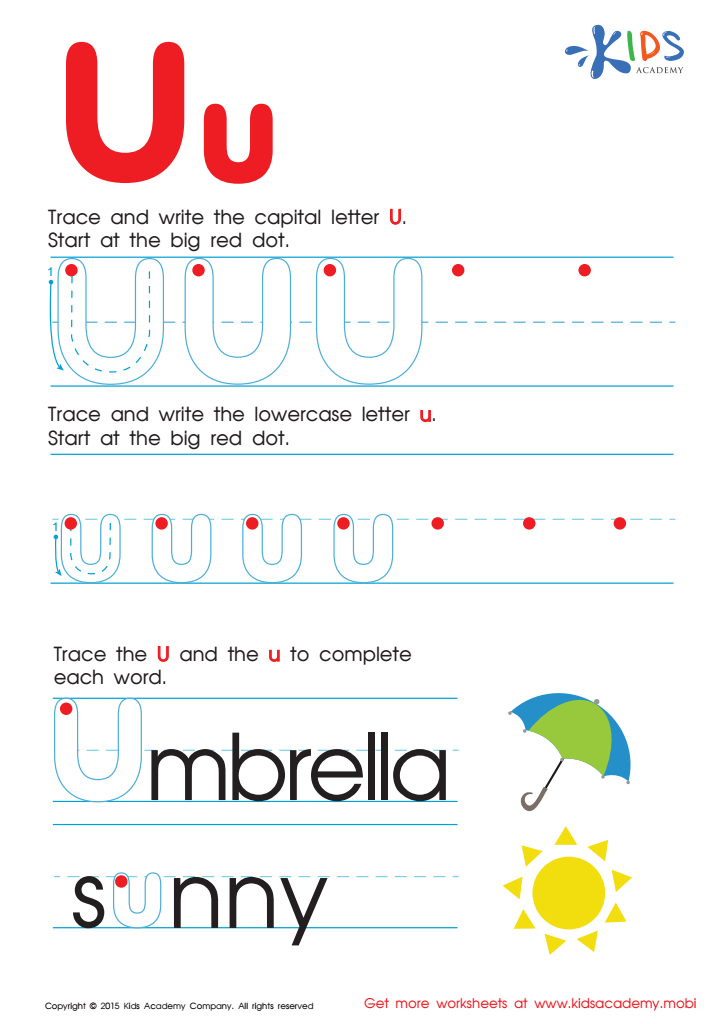
Letter U Tracing Page
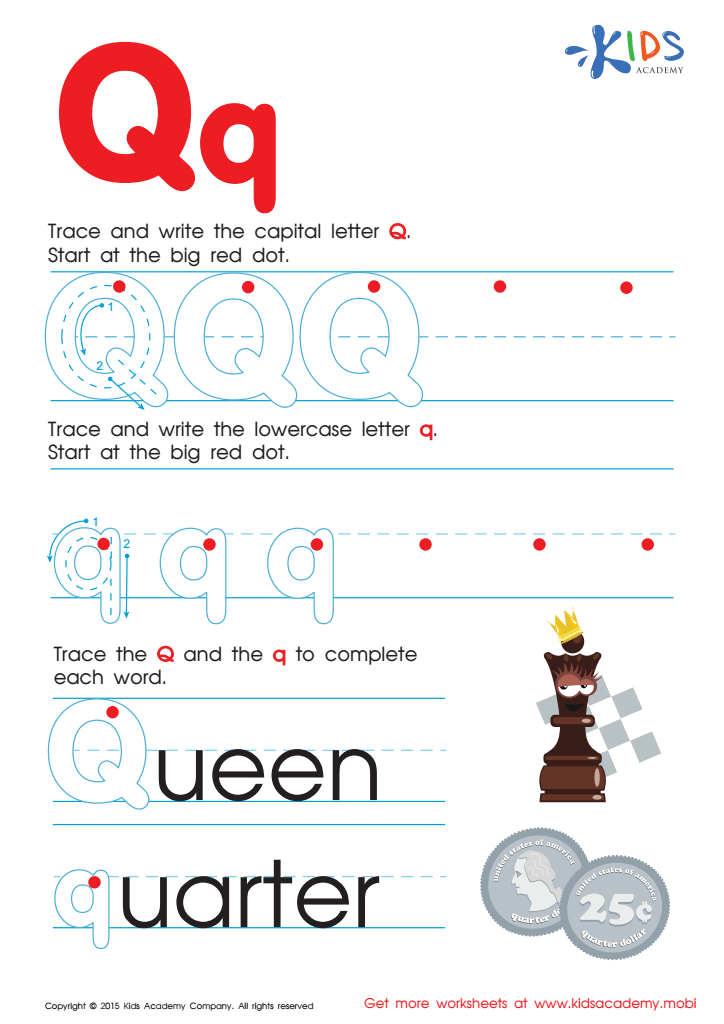
Letter Q Tracing Page
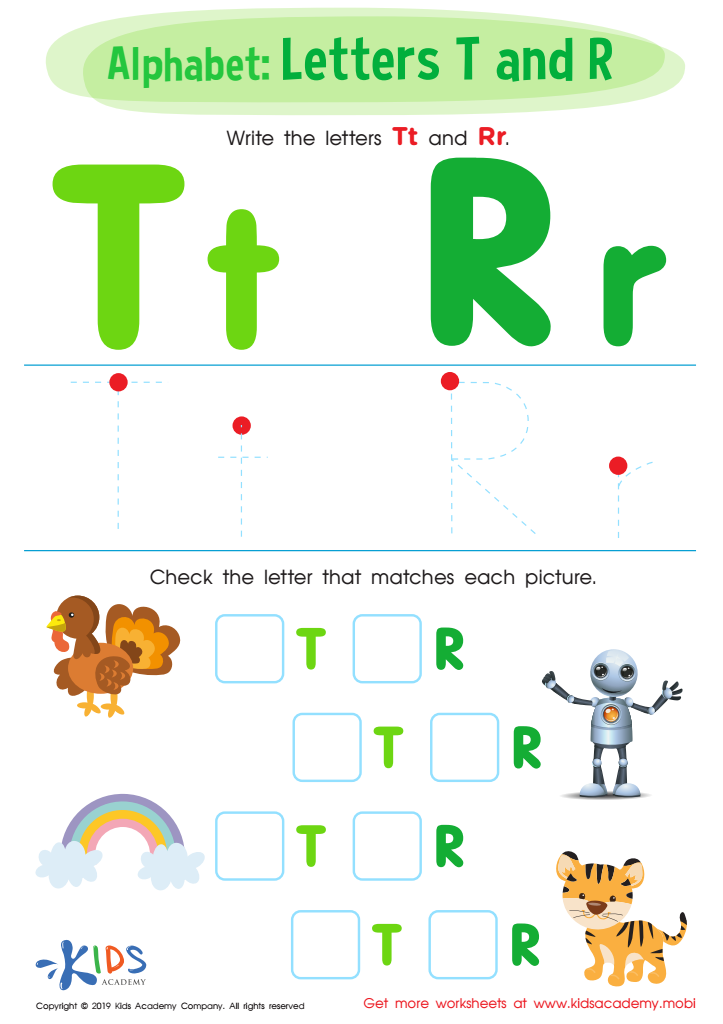
Letters T and R Worksheet
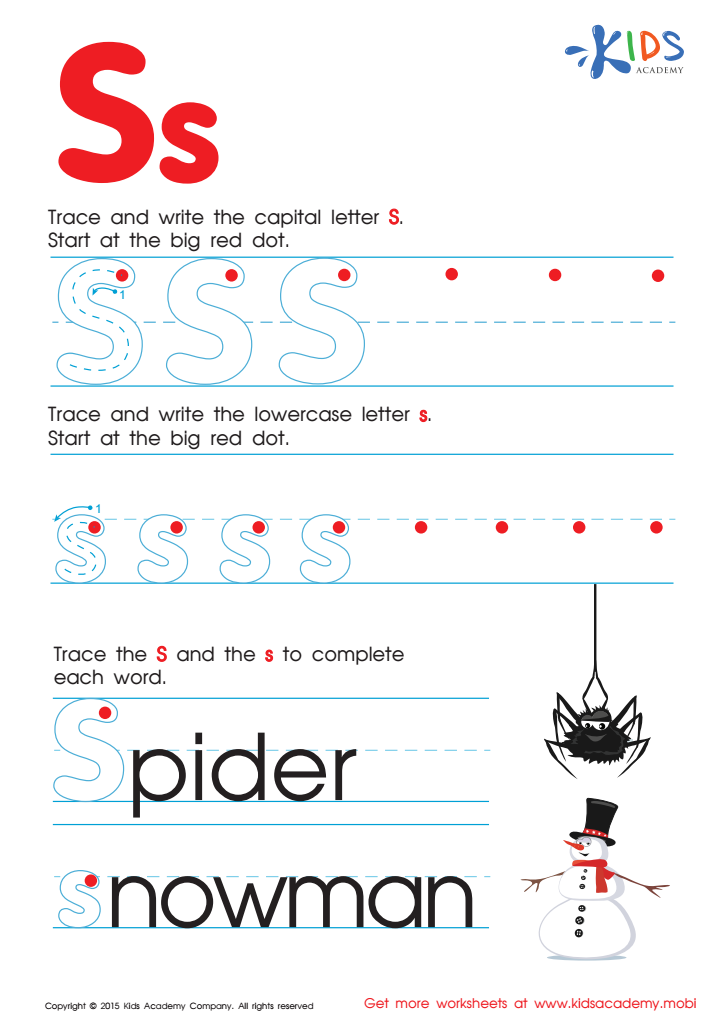
Letter S Tracing Page
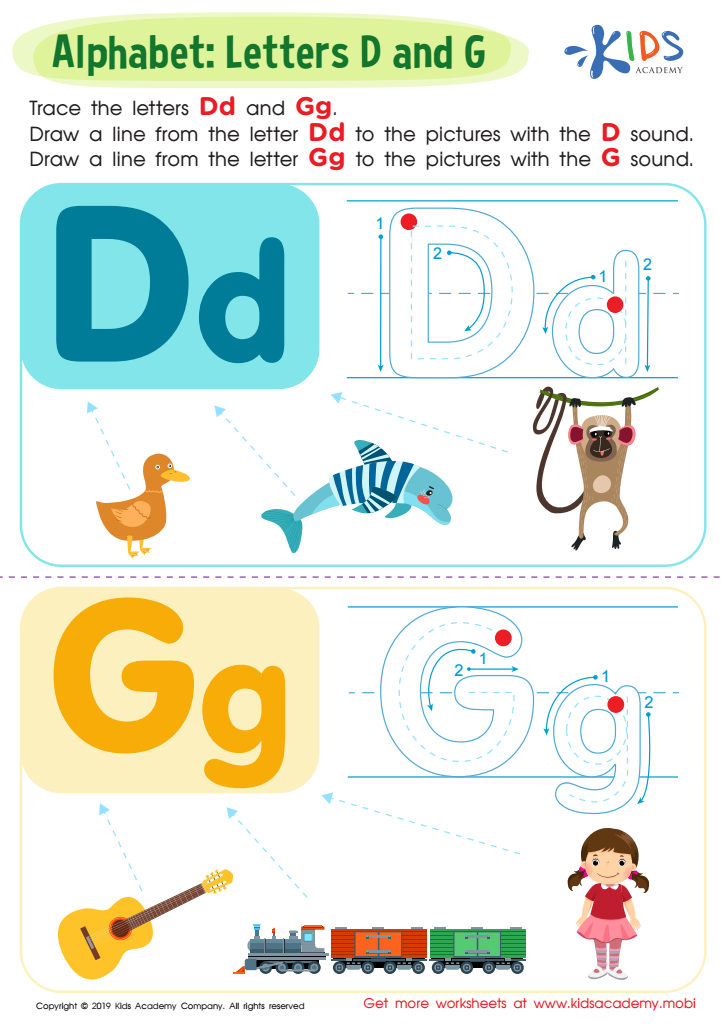
Letter D and G Tracing Worksheet
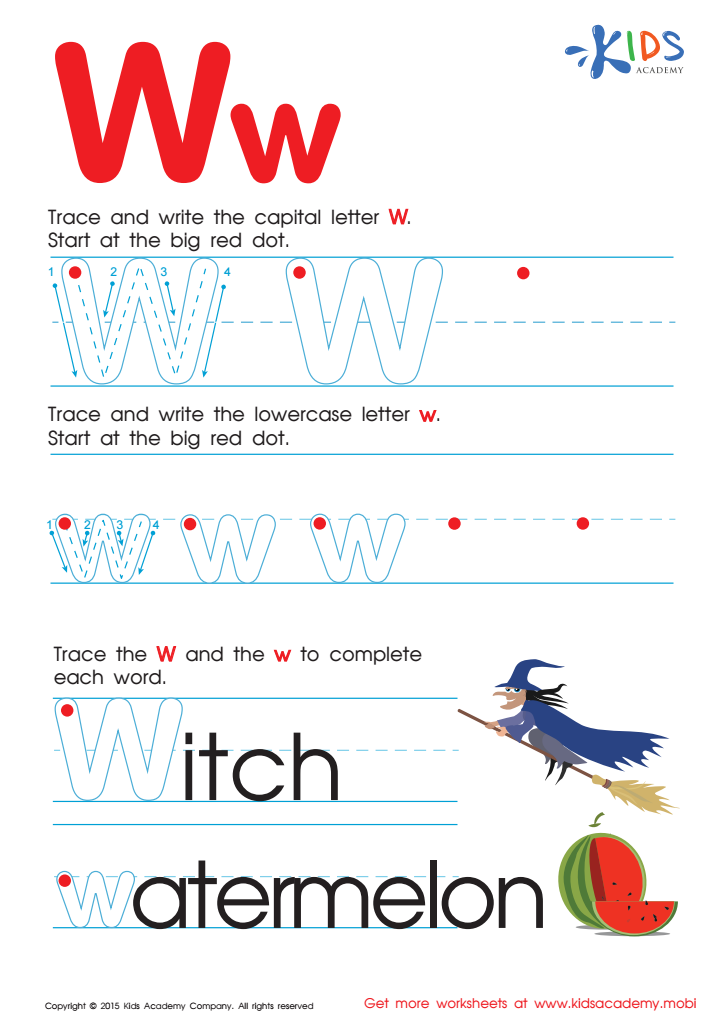
Letter W Tracing Page

Letter H Tracing Page
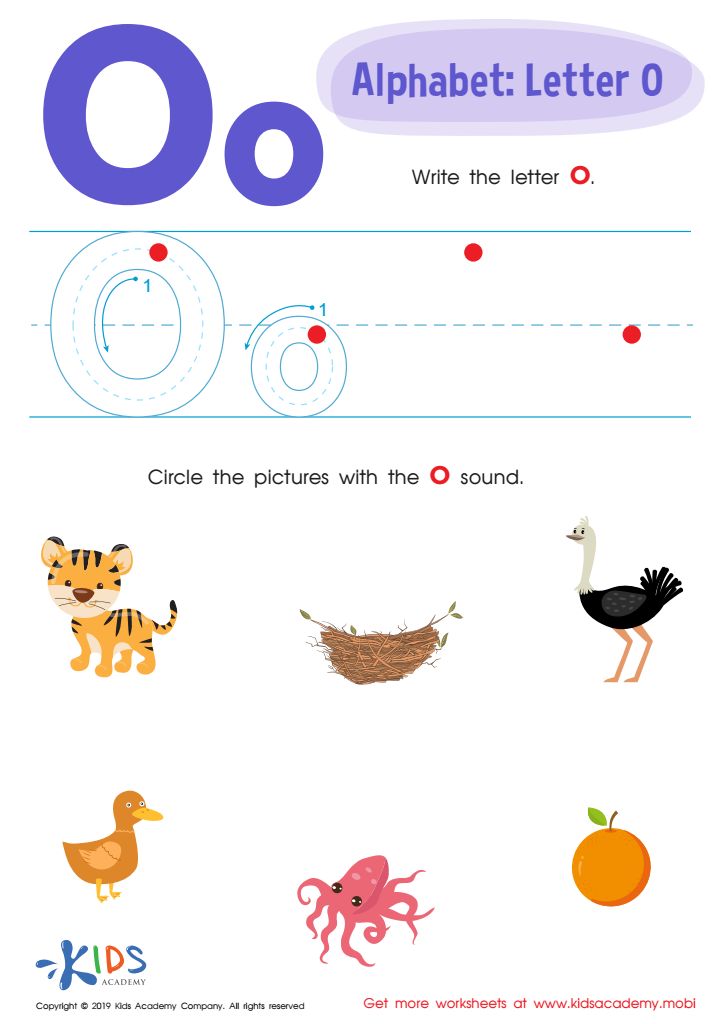
Letter O Tracing Worksheet
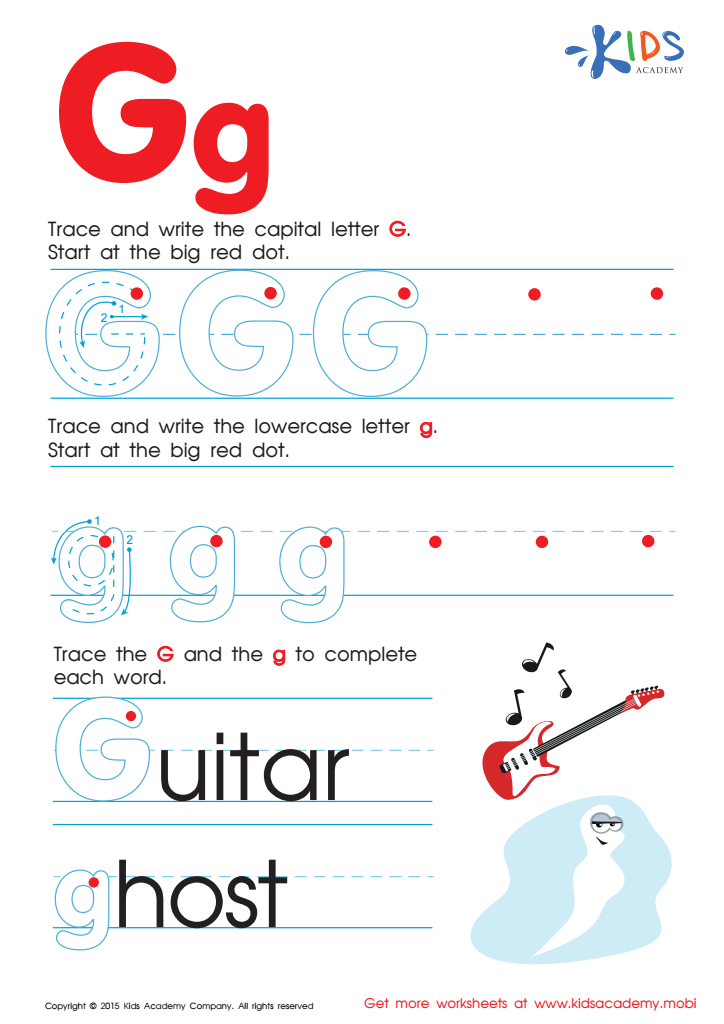
Letter G Tracing Page
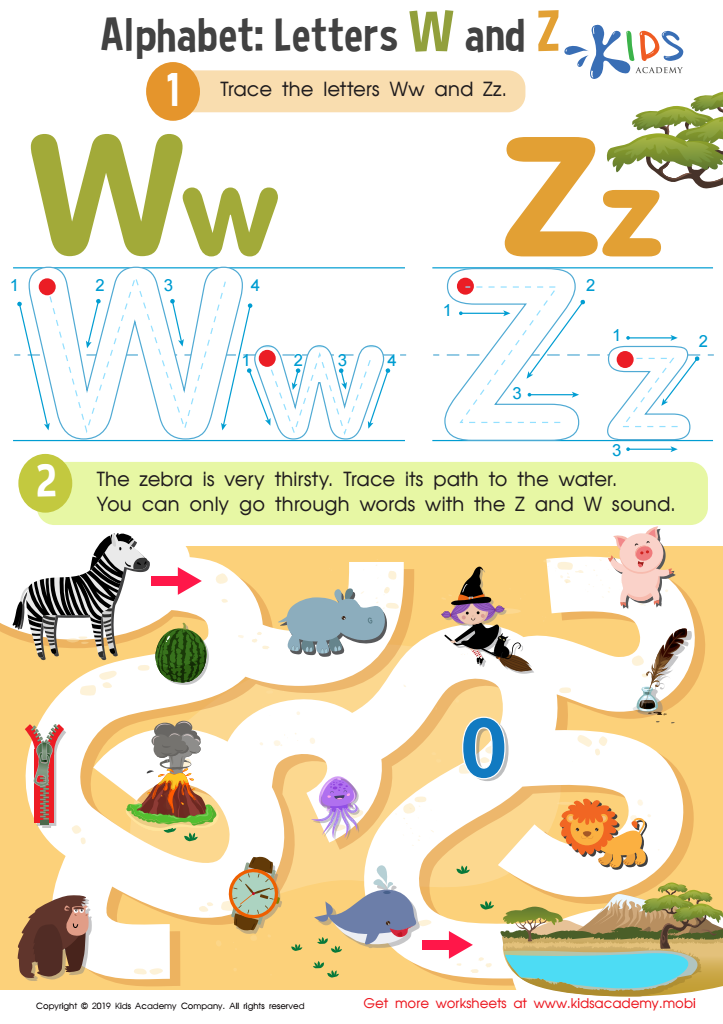
Letters W and Z Tracing Worksheet
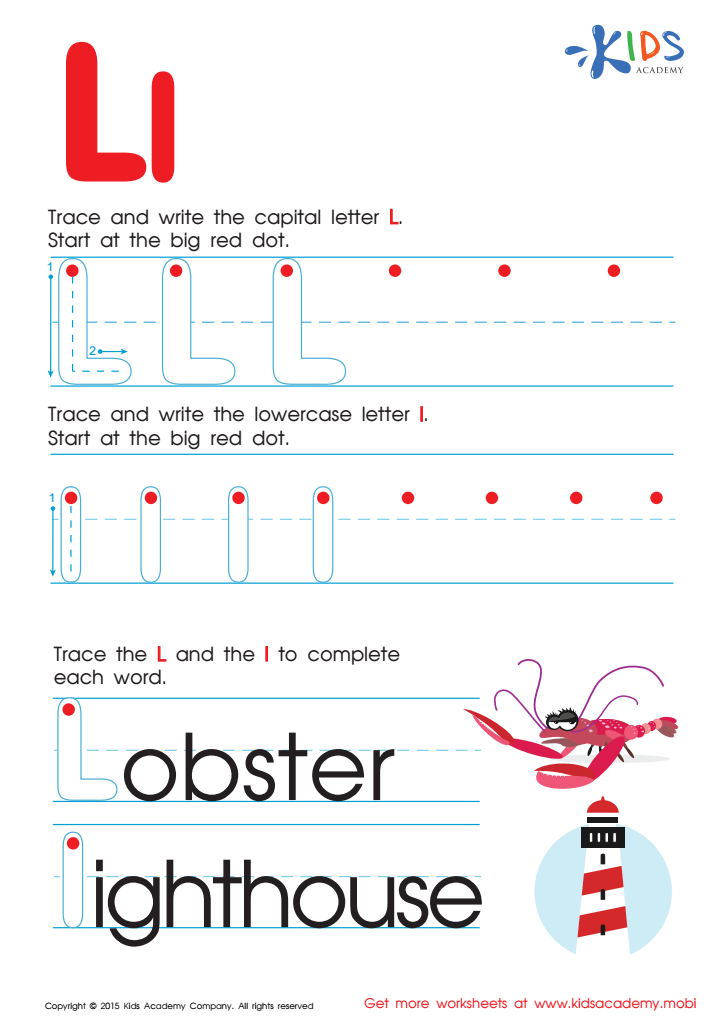
Letter L Tracing Page
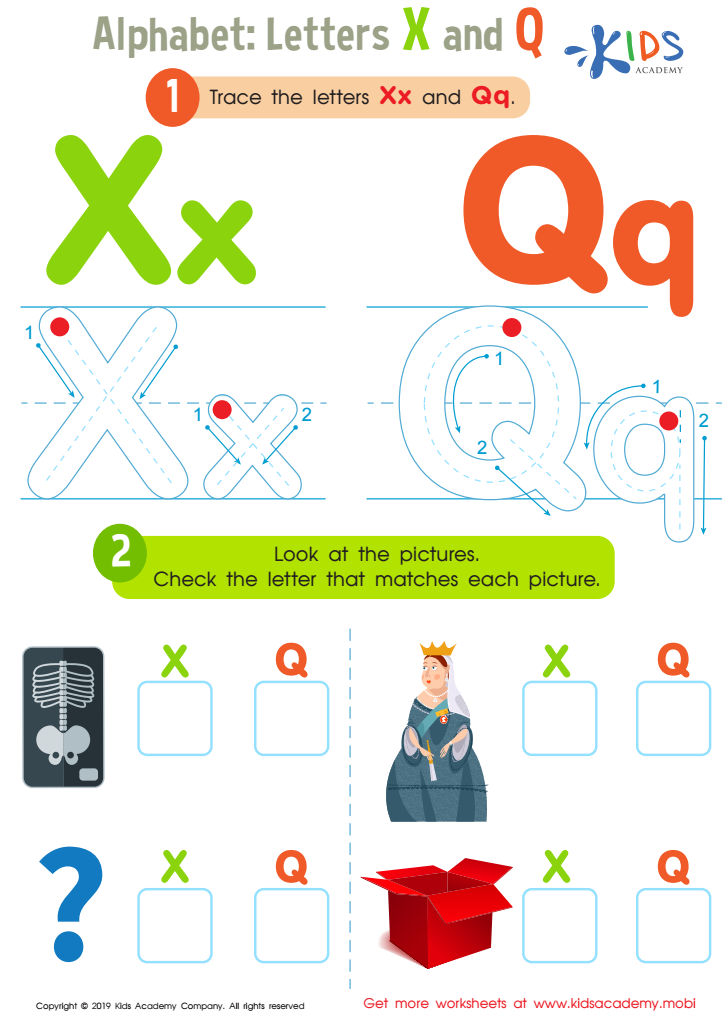
Letters X and Q Tracing Worksheet
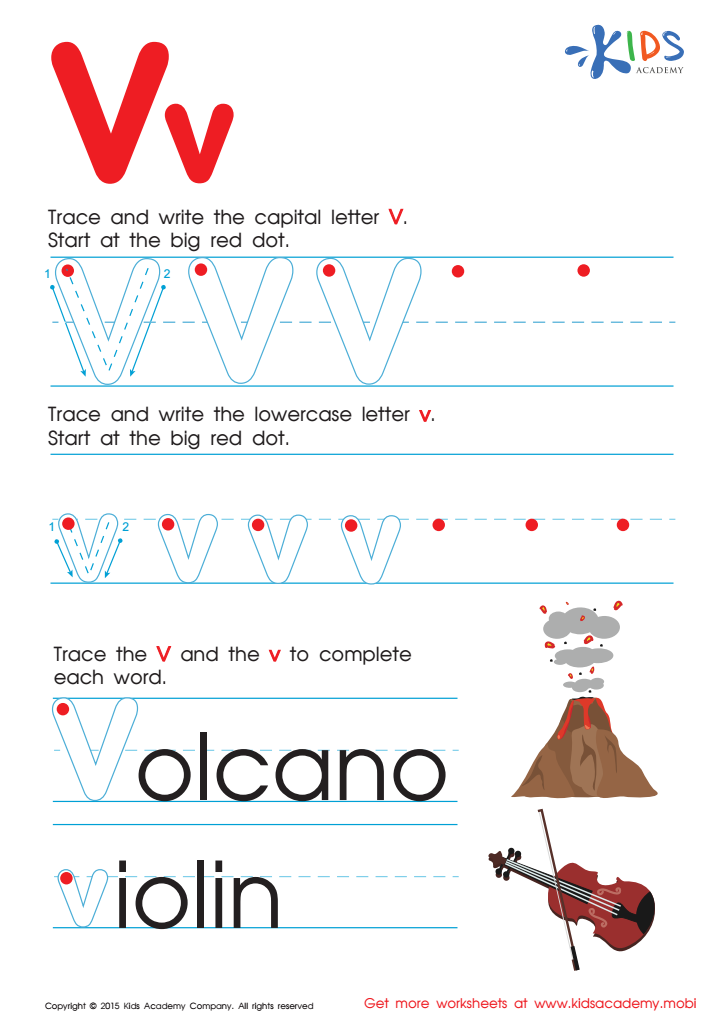
Letter V Tracing Page
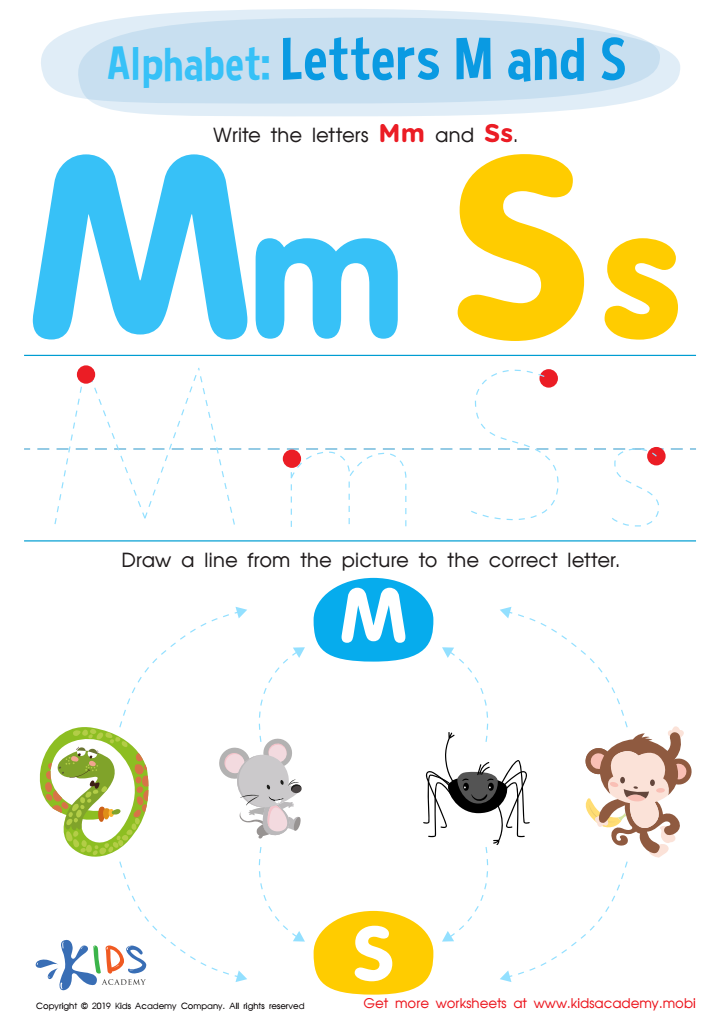
Letters M and S Tracing Worksheet
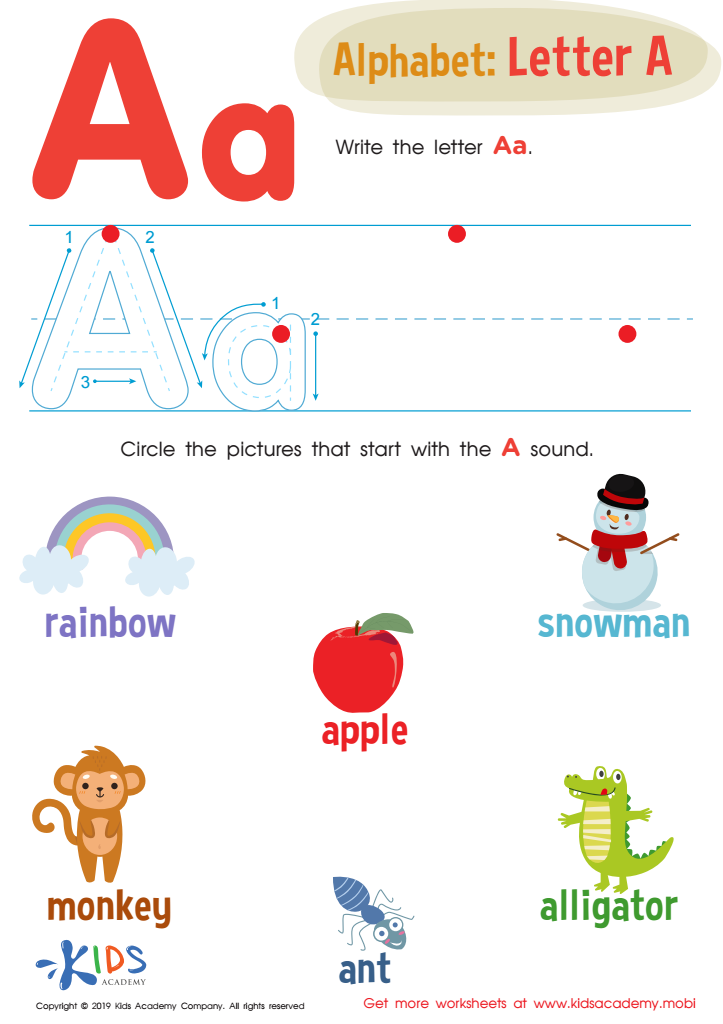
Letter A Tracing Worksheet
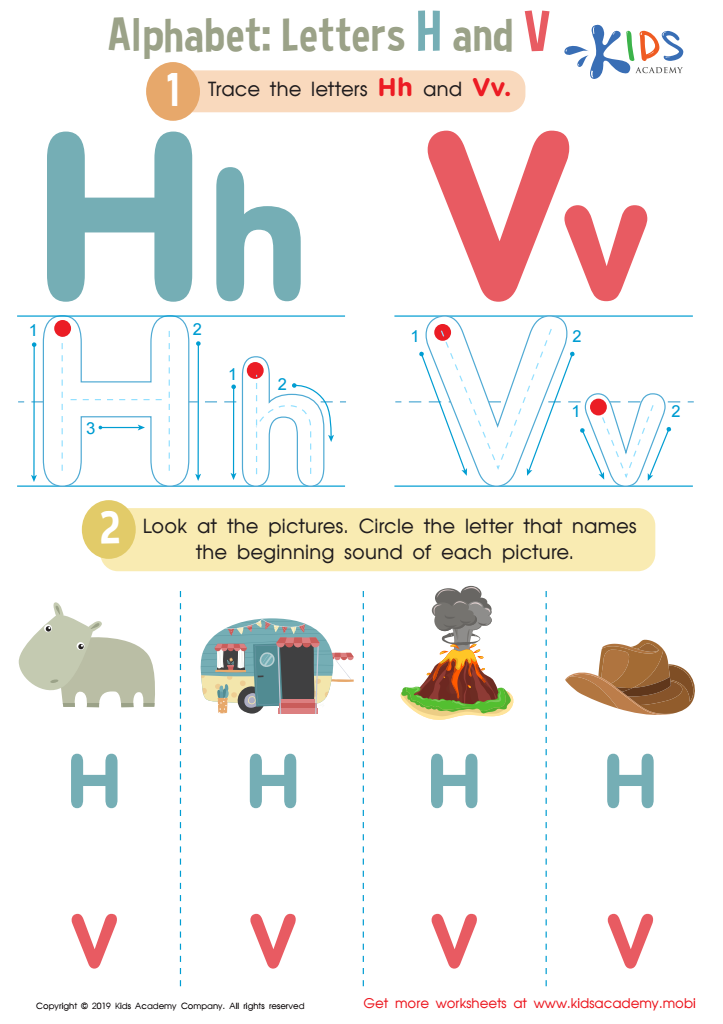
Letters H and V Tracing Worksheet
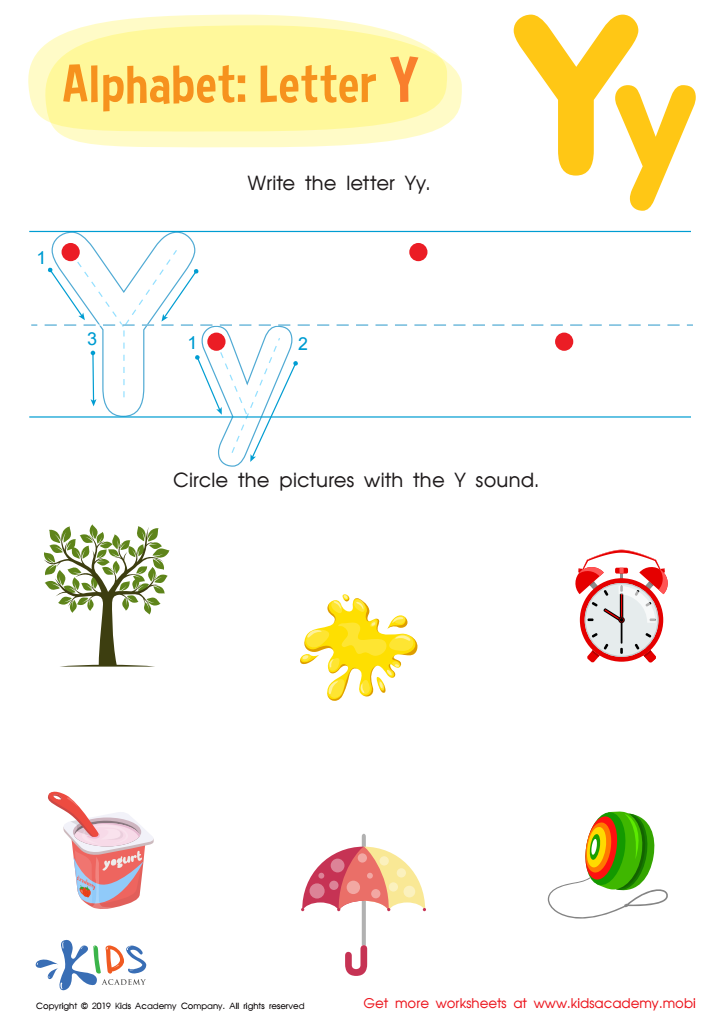
Letter Y Tracing Worksheet
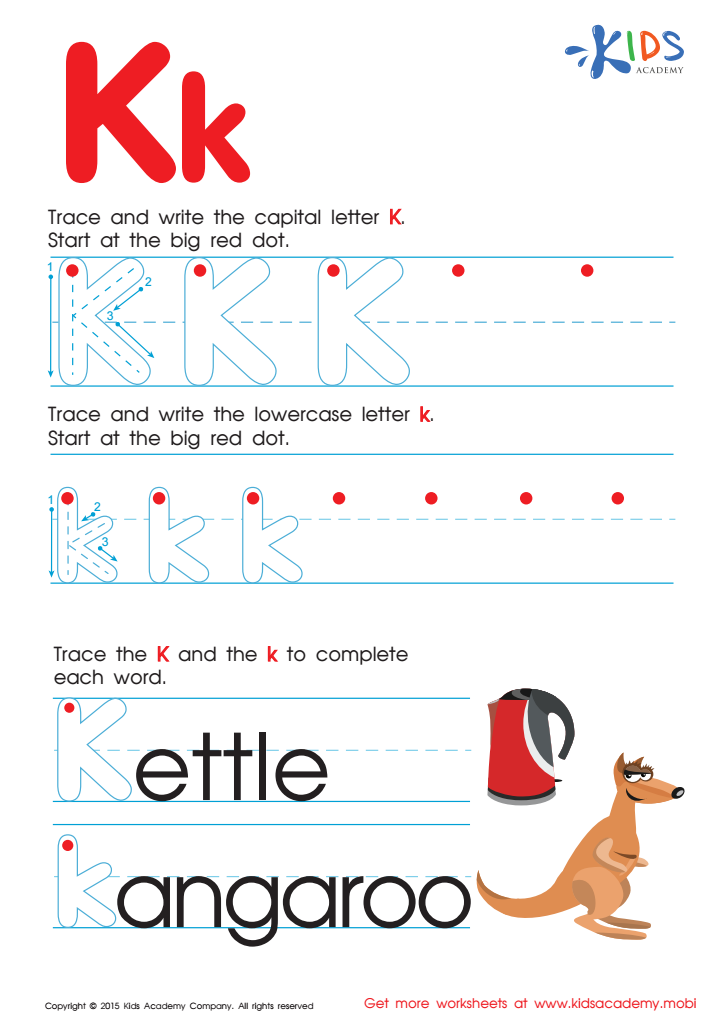
Letter K Tracing Page
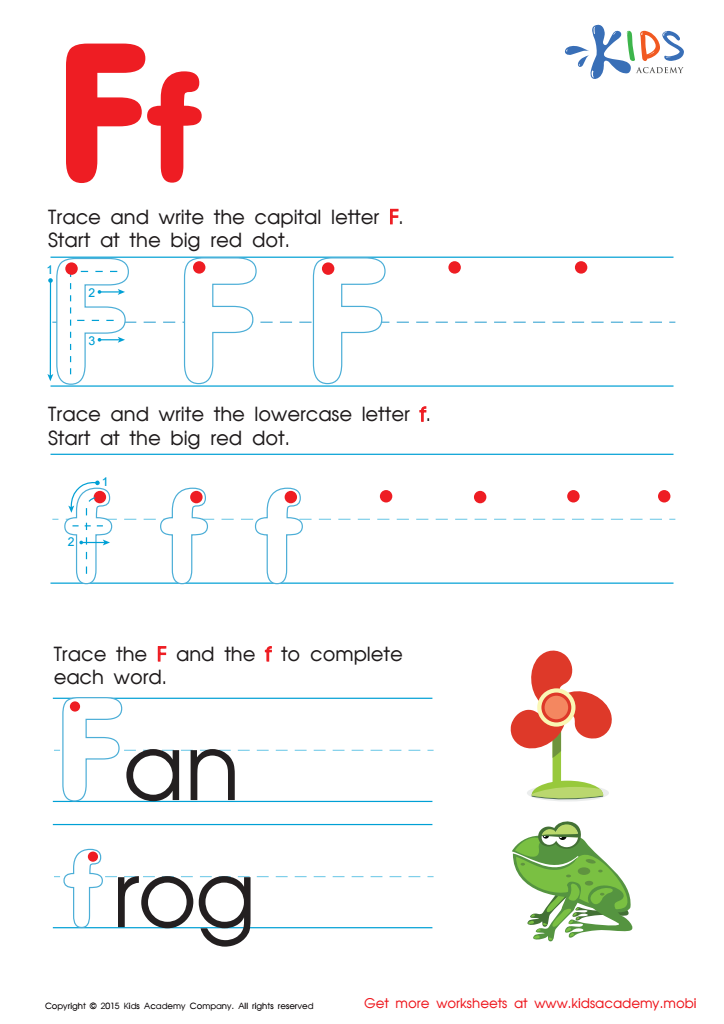
Letter F Tracing Page








Letter recognition and tracing letters are fundamental skills for 4-year-olds that underpin their future success in reading and writing. For parents and teachers, understanding the importance of these skills is crucial. At this age, children’s brains are highly receptive to visual and motor inputs, making it an optimal time to introduce the alphabet.
Letter recognition involves identifying and naming both uppercase and lowercase letters, establishing a foundation for literacy. When children recognize letters, they develop the ability to decode words, enhancing their reading skills. This early success promotes confidence and motivation, essential for ongoing educational engagement.
Tracing letters supports fine motor development and hand-eye coordination, which are vital for writing. Through tracing, children learn the correct formation of letters, understand directionality, and build muscle memory. This multisensory experience reinforces recognition and recall, making the learning process more effective.
Moreover, mastering these skills fosters cognitive development, including memory, attention, and problem-solving abilities. Socially, it prepares children for structured learning environments, instilling discipline and perseverance.
In sum, parents and teachers should prioritize letter recognition and tracing activities to give children a strong start in literacy. This early investment lays the groundwork for academic success and a lifelong positive attitude toward learning.








