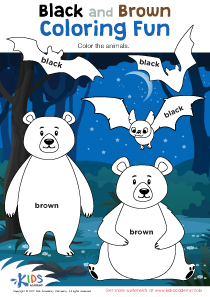
Color recognition English for Beginners Worksheets for 4-Year-Olds
21 filtered results
-
From - To
Introduce your 4-year-old to the vibrant world of colors with our engaging "Color Recognition English for Beginners Worksheets." Designed specifically for young learners, these worksheets make learning colors fun and interactive. Each activity is tailored to help kids identify, pronounce, and memorize a variety of colors while simultaneously developing their English skills. Using visually appealing illustrations and simple exercises, children will enjoy identifying and matching colors to everyday objects. Perfectly suited for little hands and curious minds, these worksheets offer a playful yet educational experience, setting a strong foundation for future language and cognitive development.
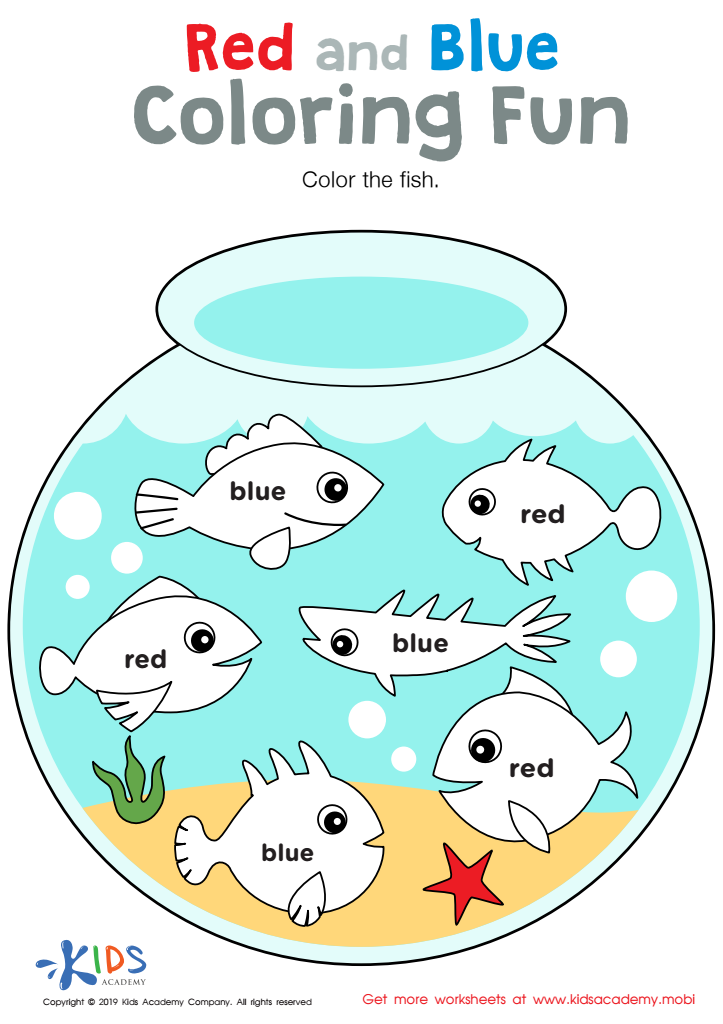
Red and Blue Coloring Fun Worksheet
 Assign to My Students
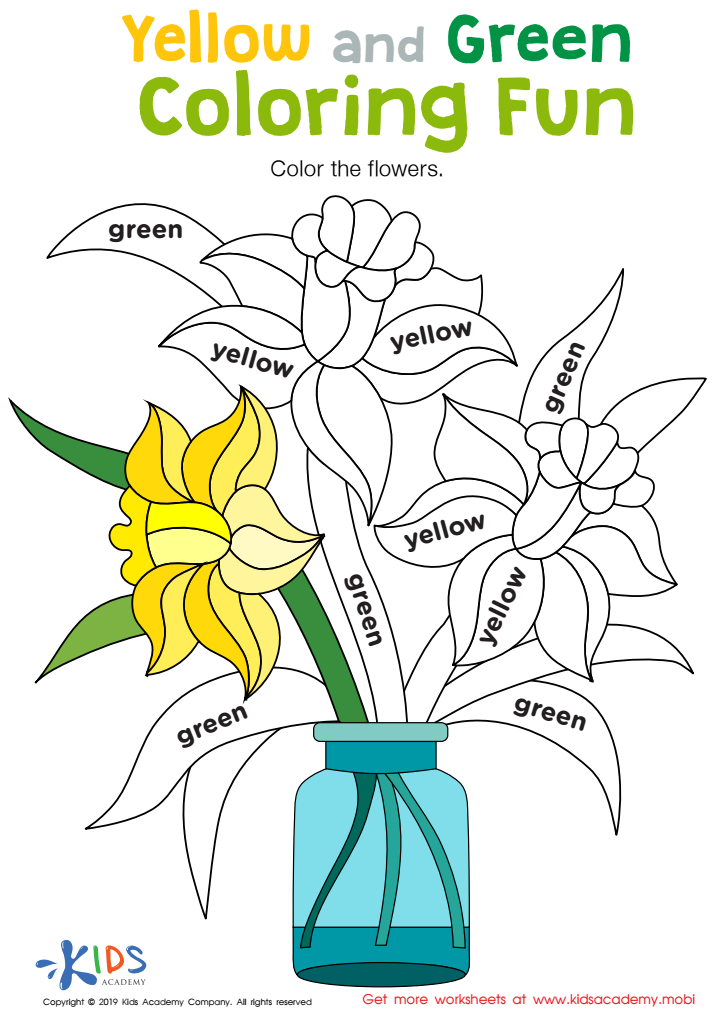
Yellow and Green Coloring Fun Worksheet
Assign to My Students
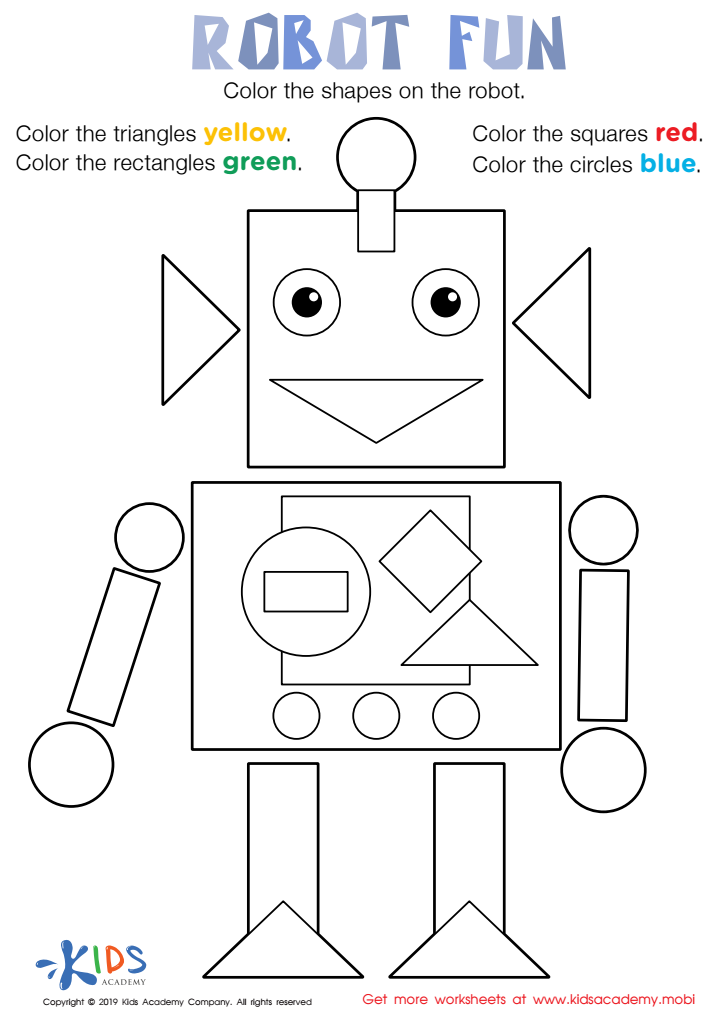
Robot Fun Worksheet
Assign to My Students
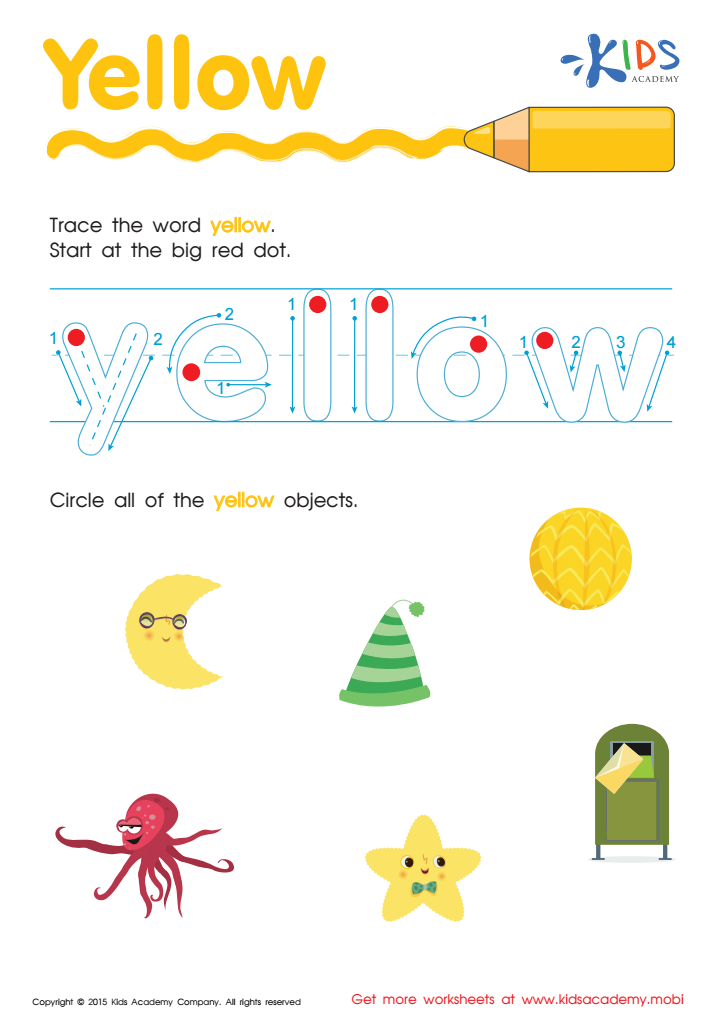
Yellow Tracing Color Words Worksheet
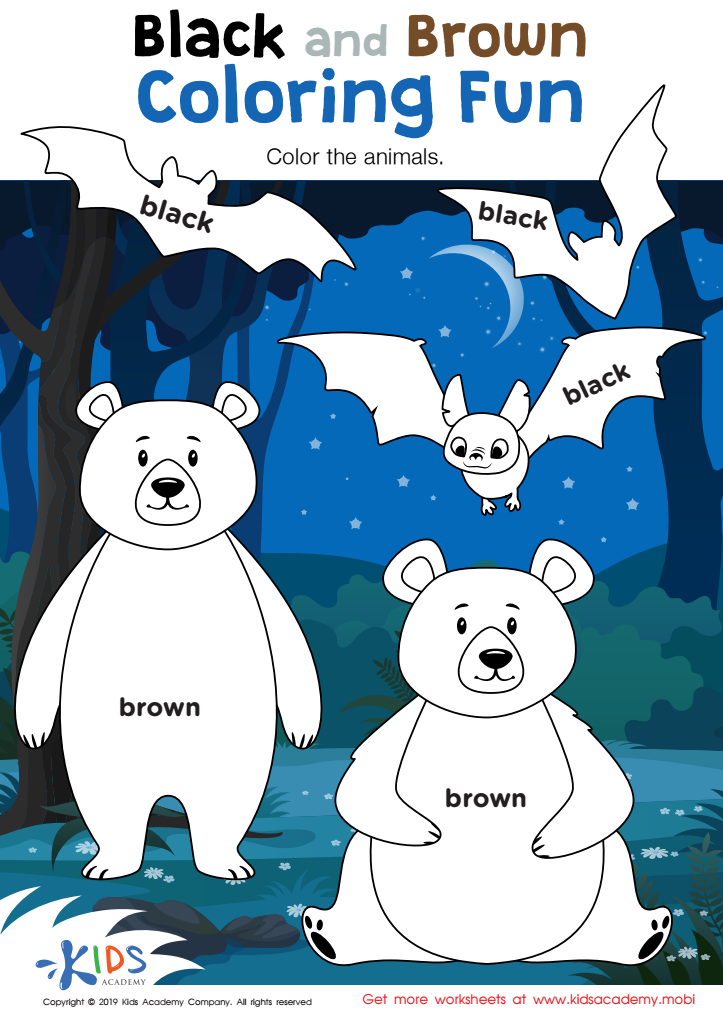
Black and Brown Coloring Fun Worksheet
Assign to My Students
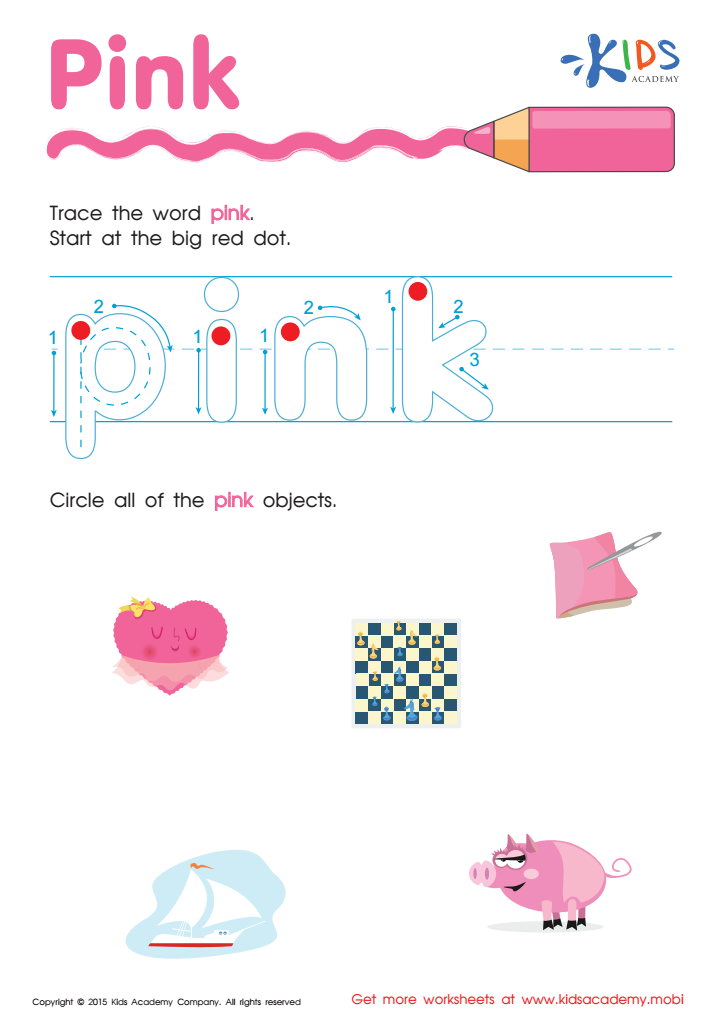
Pink Tracing Color Words Worksheet
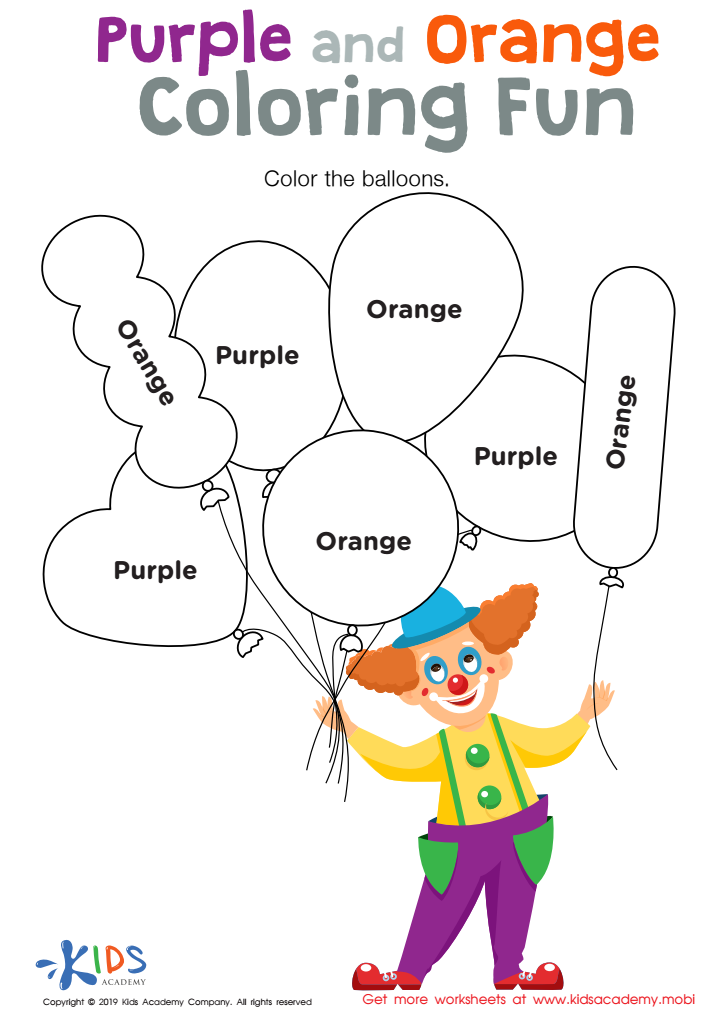
Purple and Orange Coloring Fun Worksheet
Assign to My Students
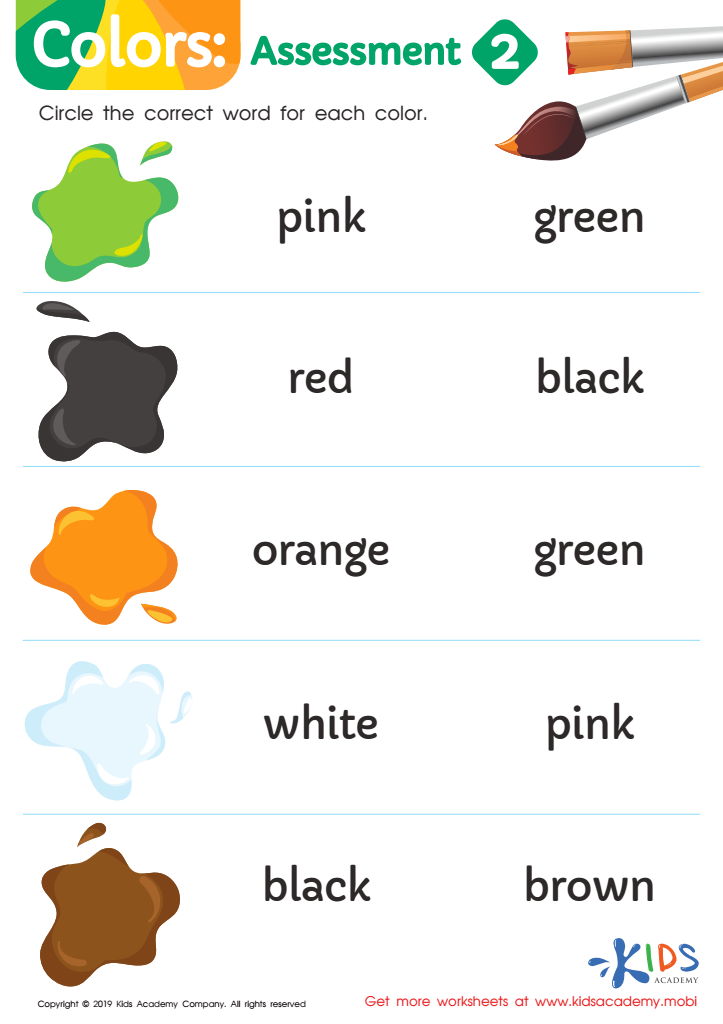
Colors: Assessment 2 Worksheet
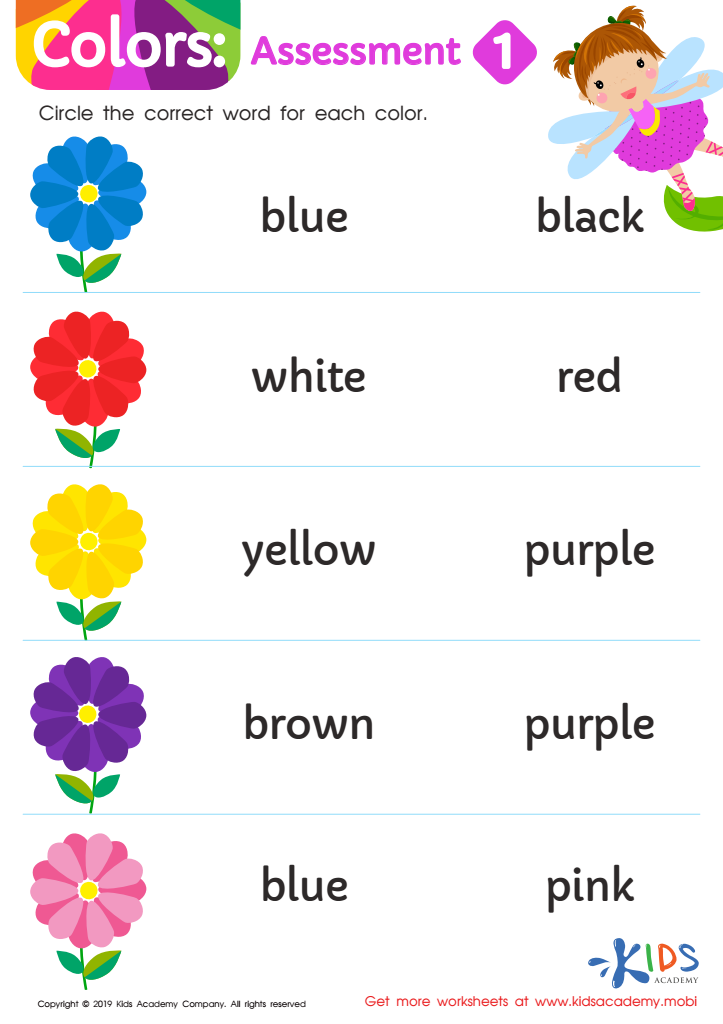
Colors: Assessment 1 Worksheet
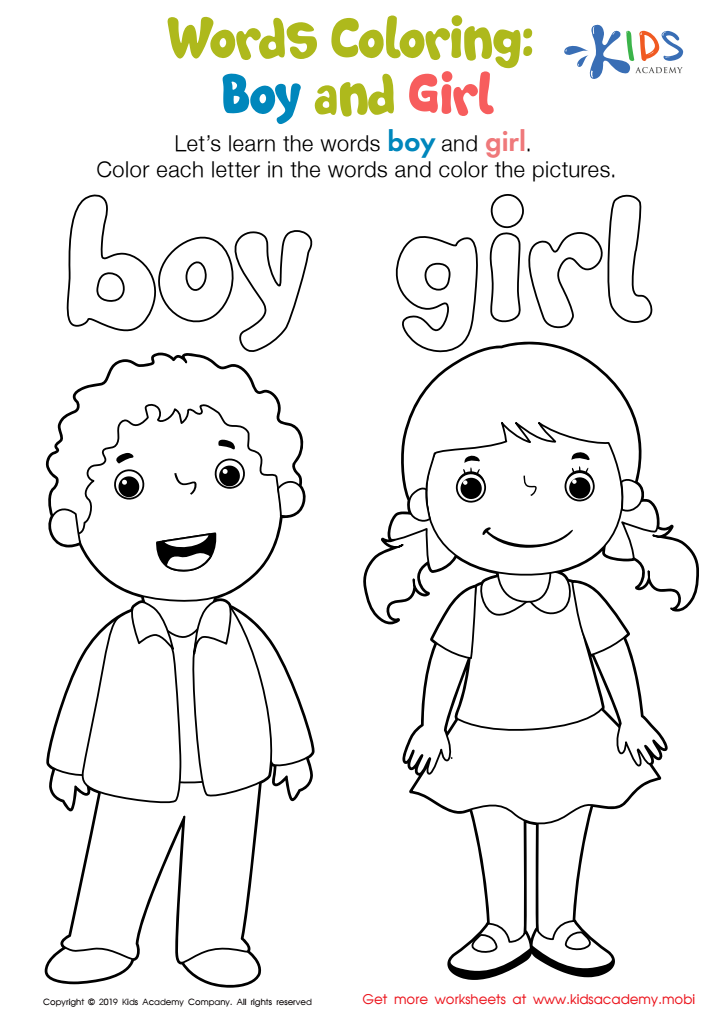
Boy and Girl Words Coloring Worksheet
Assign to My Students
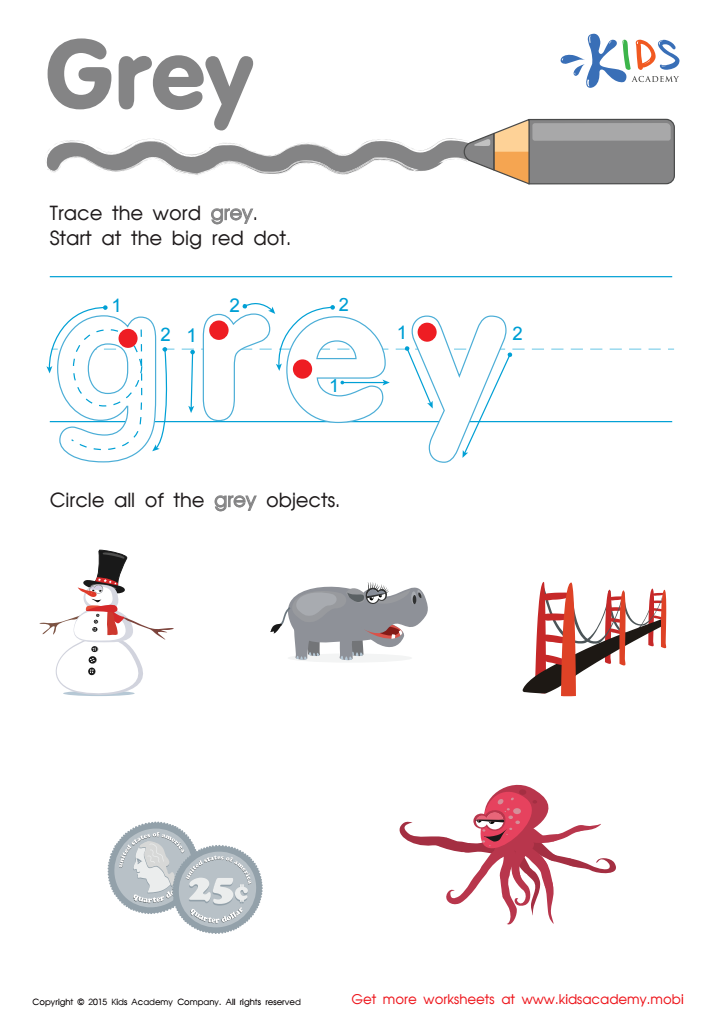
Grey Tracing Color Words Worksheet
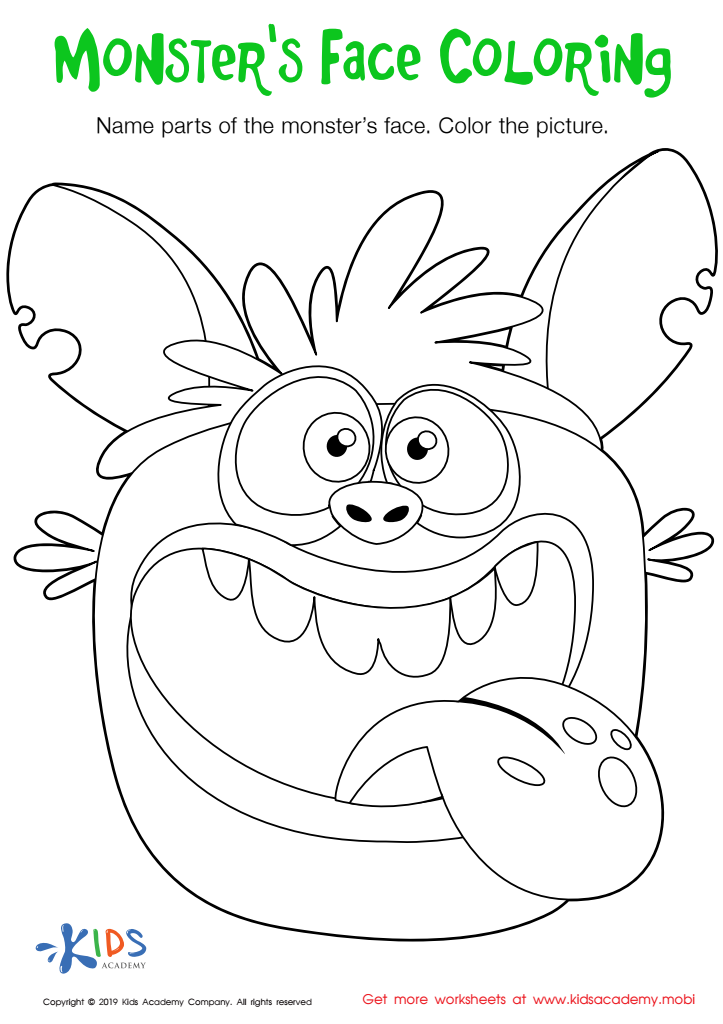
Monster's Face Coloring Worksheet
Assign to My Students
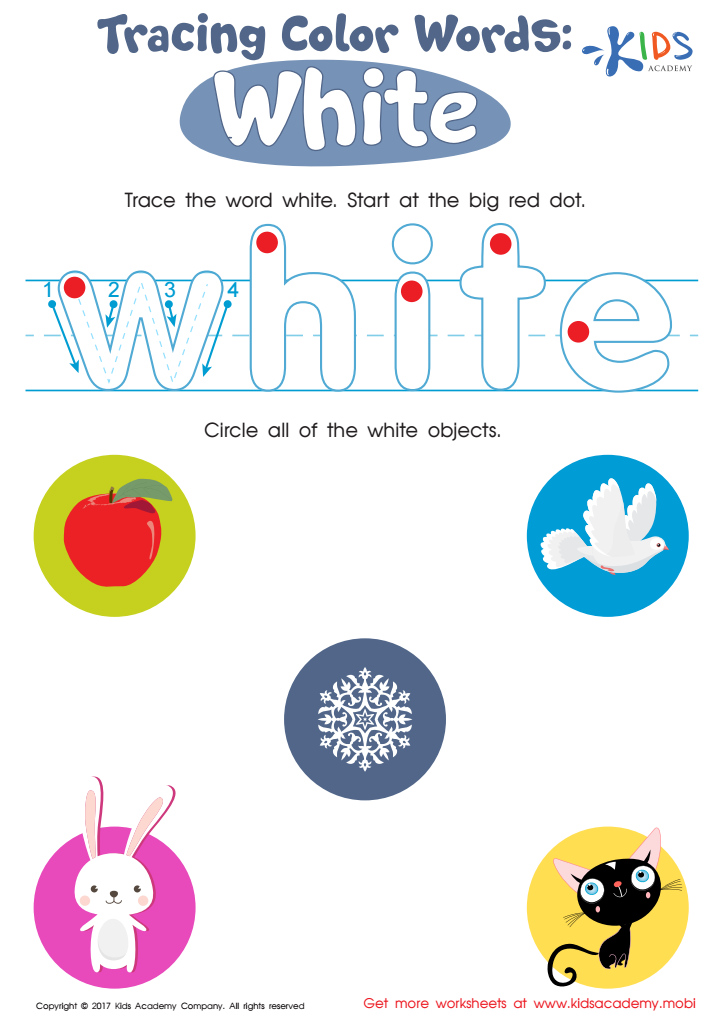
White Tracing Color Words Worksheet
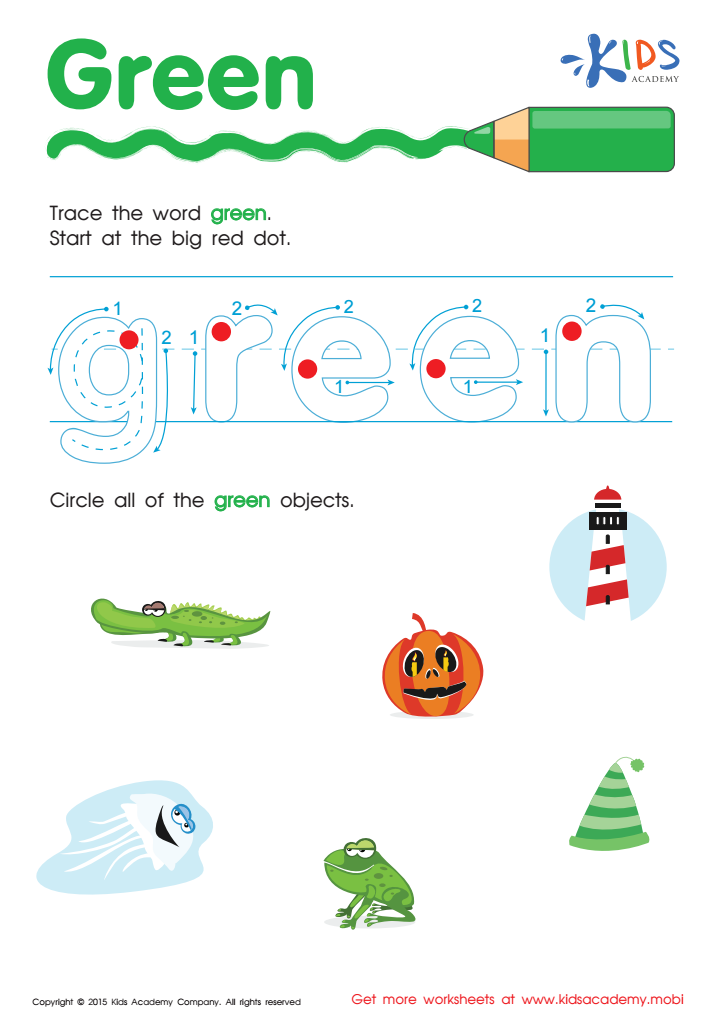
Green Tracing Color Words Worksheet
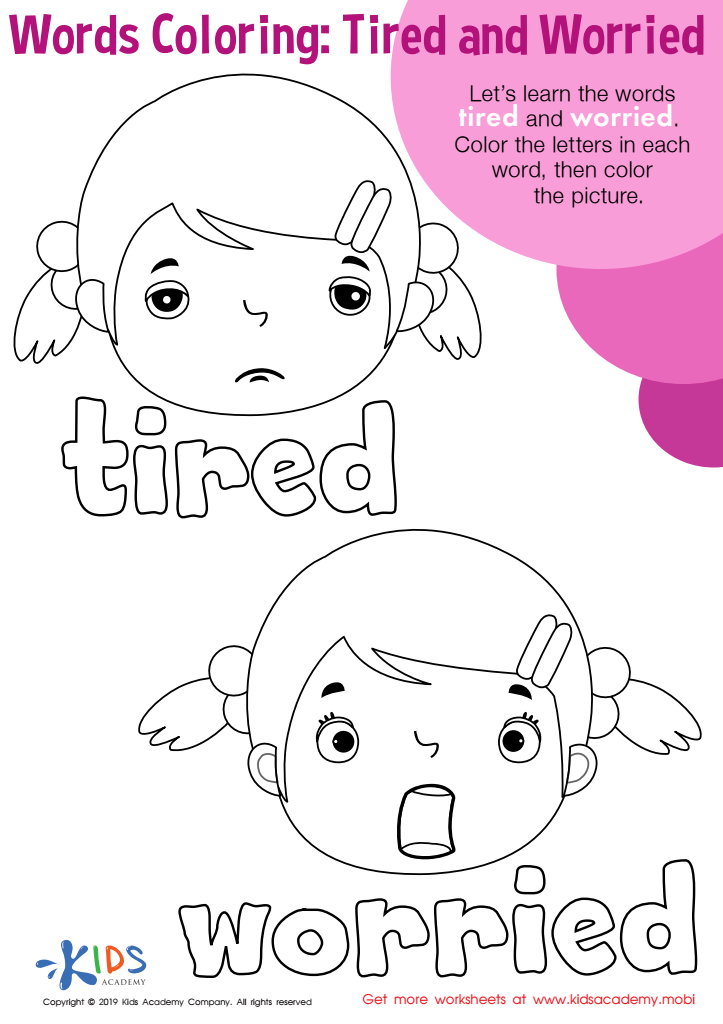
Tired and Worried Words Coloring Worksheet
Assign to My Students
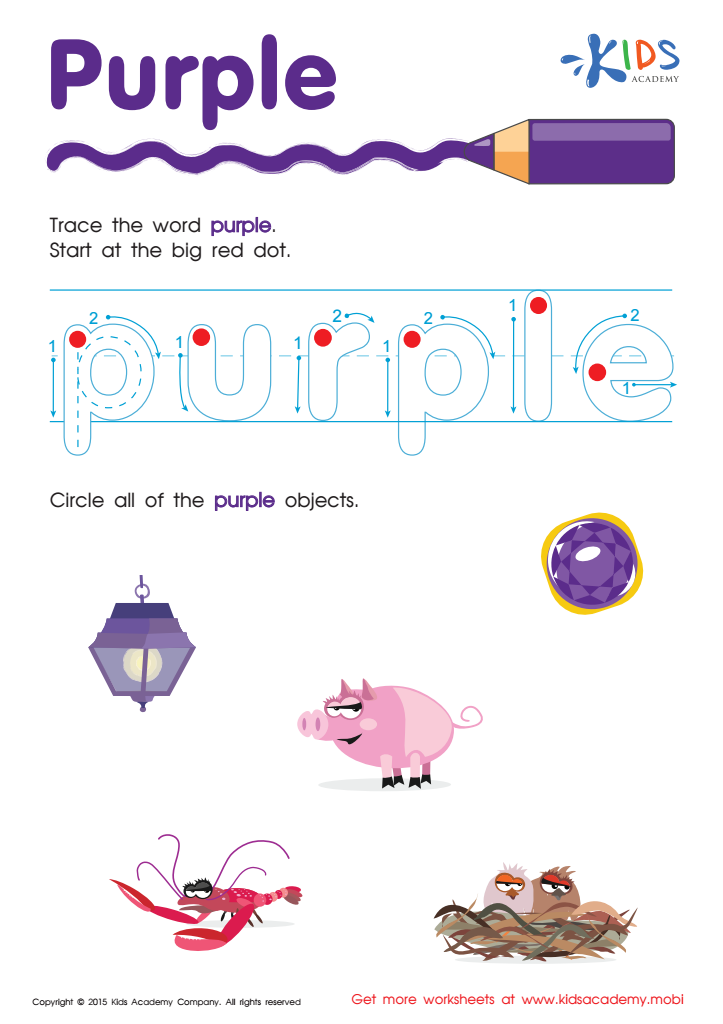
Purple Tracing Color Words Worksheet
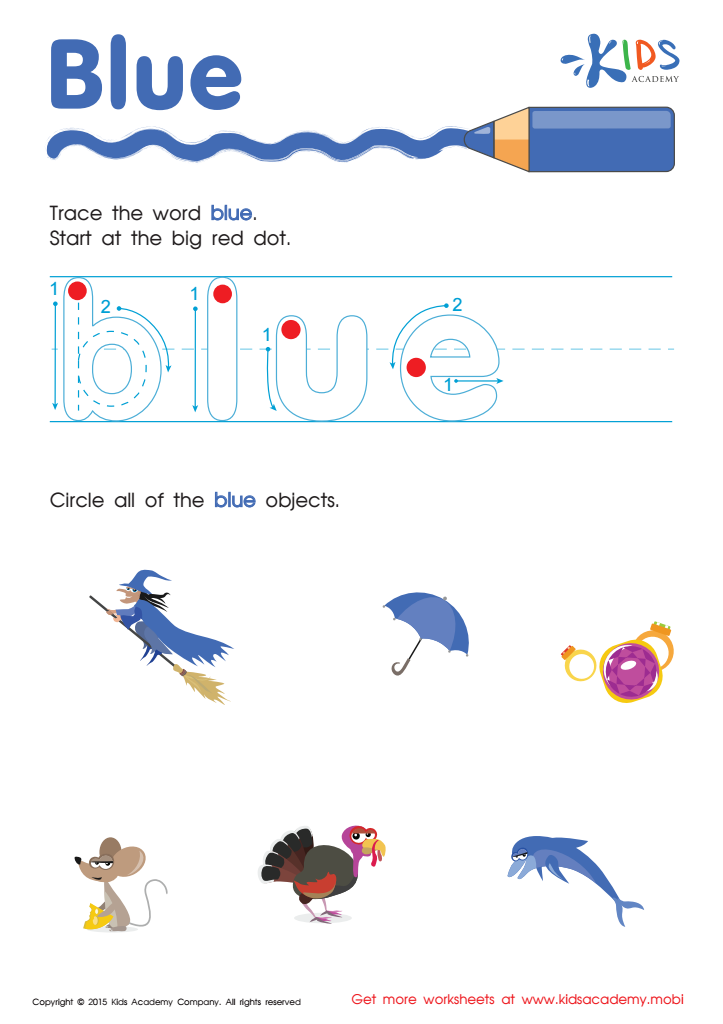
Blue Tracing Color Words Printable
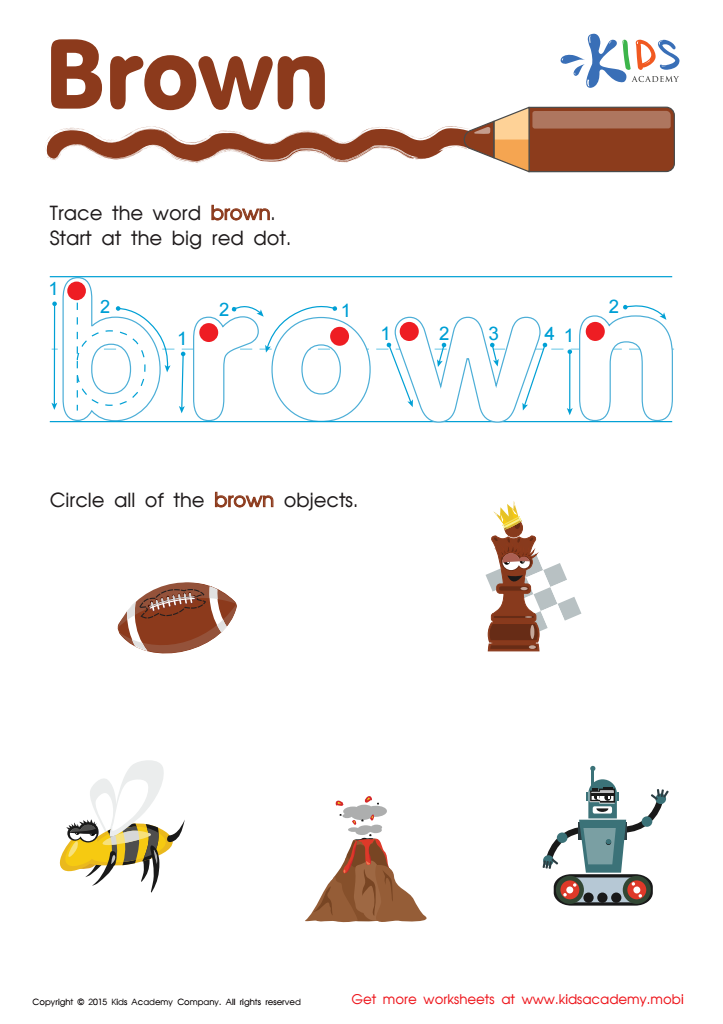
Brown Tracing Color Words Worksheet
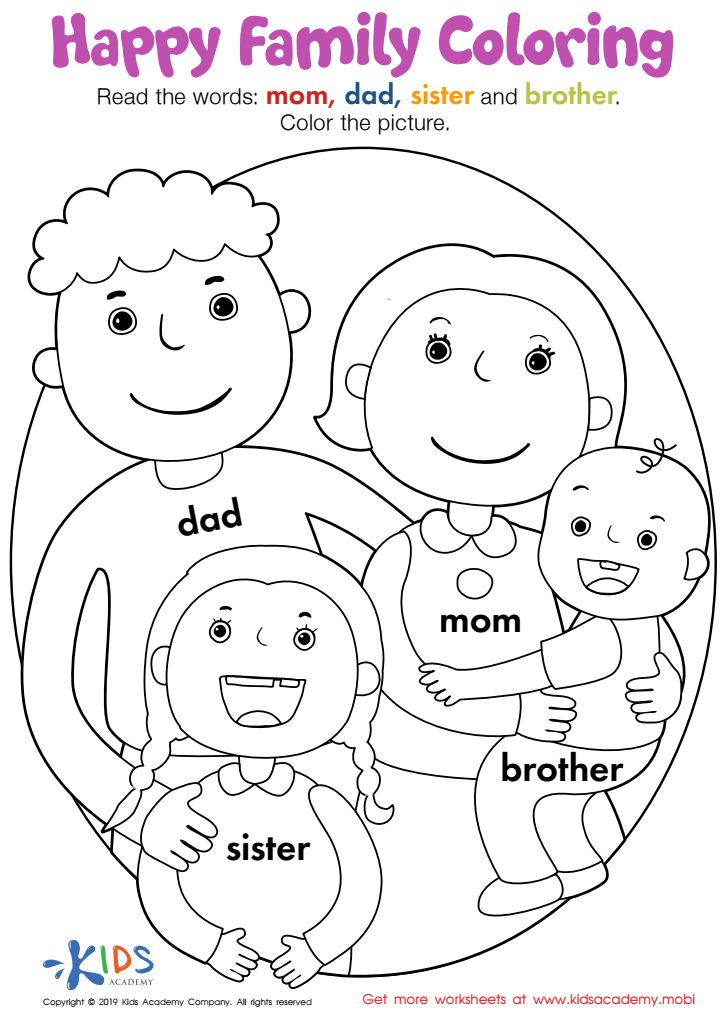
Happy Family Coloring Worksheet
Assign to My Students
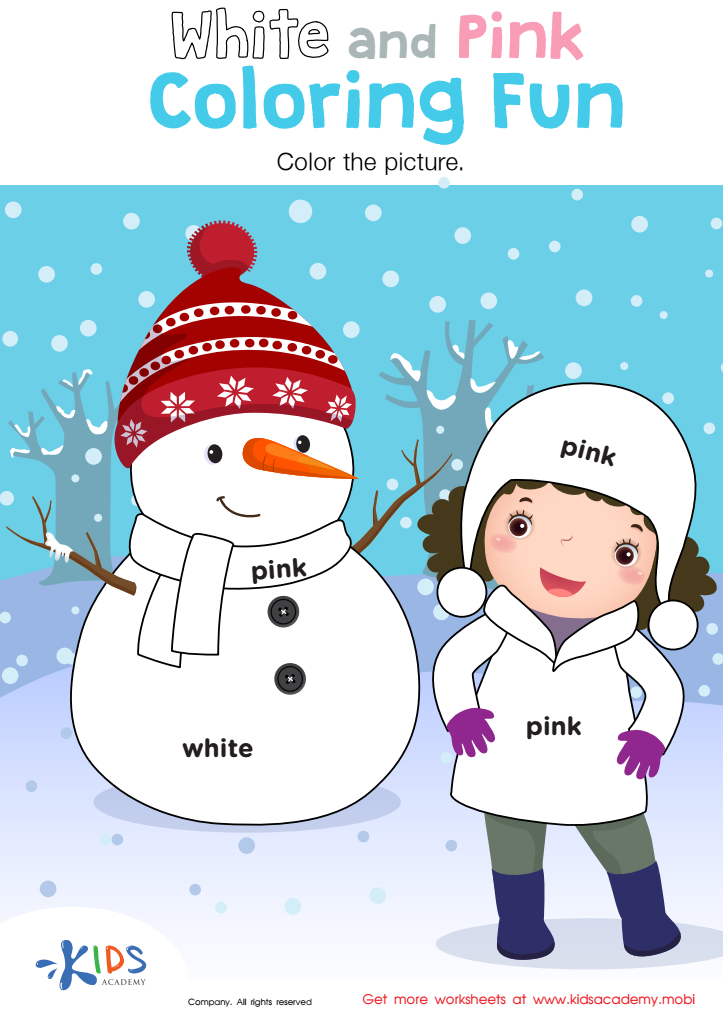
White and Pink Coloring Fun Worksheet
Assign to My Students
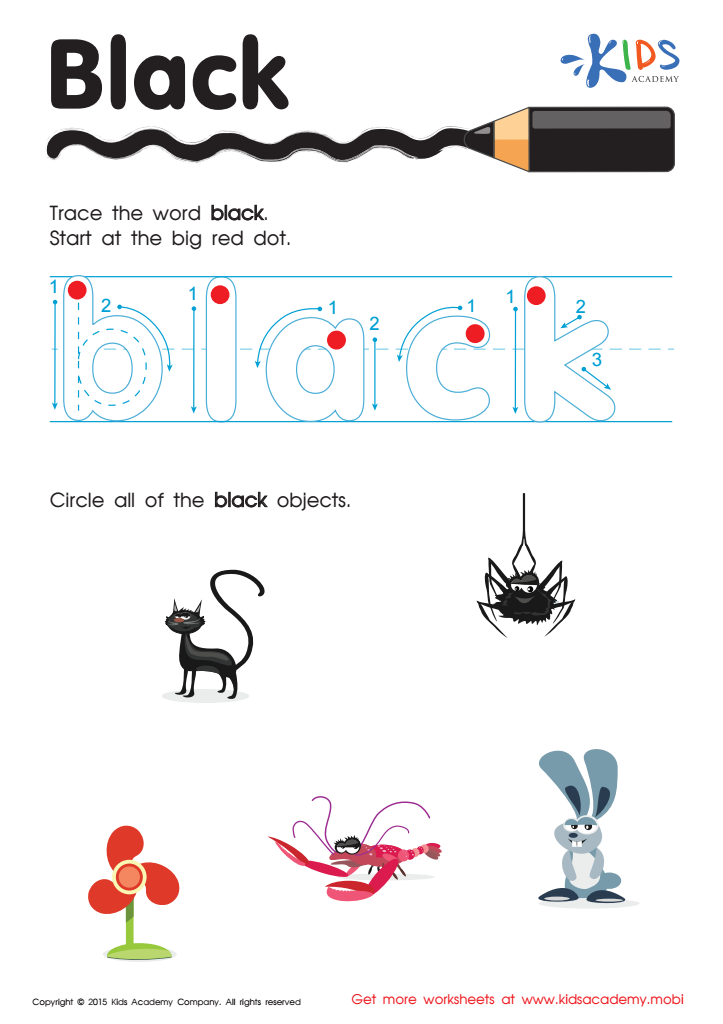
Black Tracing Color Words Printable





Color recognition is a foundational skill that plays a crucial role in a child's early cognitive development and language acquisition. Teaching color recognition in English to 4-year-olds exposes them to essential vocabulary and helps them make sense of the world around them. At this age, children are highly visual learners and colors are among the first characteristics they notice about their environment.
Understanding and naming colors foster cognitive and language skills by building the child's vocabulary and aiding in their ability to describe objects. This ability enhances their communication competency, enabling them to express preferences, emotions, and observations more effectively. Moreover, learning colors can improve memory and categorization skills – foundational steps towards more complex concepts like sorting and pattern recognition.
For parents and teachers, emphasizing color recognition can turn everyday interactions into educational opportunities. Simple activities like identifying colors in clothing, toys, or nature can spark conversations that promote linguistic development and observational skills.
Additionally, color recognition can boost a child's confidence. Successfully identifying and naming colors fosters a sense of achievement, gradually building their self-esteem. As children grow more confident in basic skills, they are better prepared for more advanced educational challenges, making early color recognition both a practical and empowering part of their development.