Basic addition practice Worksheets for 4-Year-Olds
12 filtered results
-
From - To
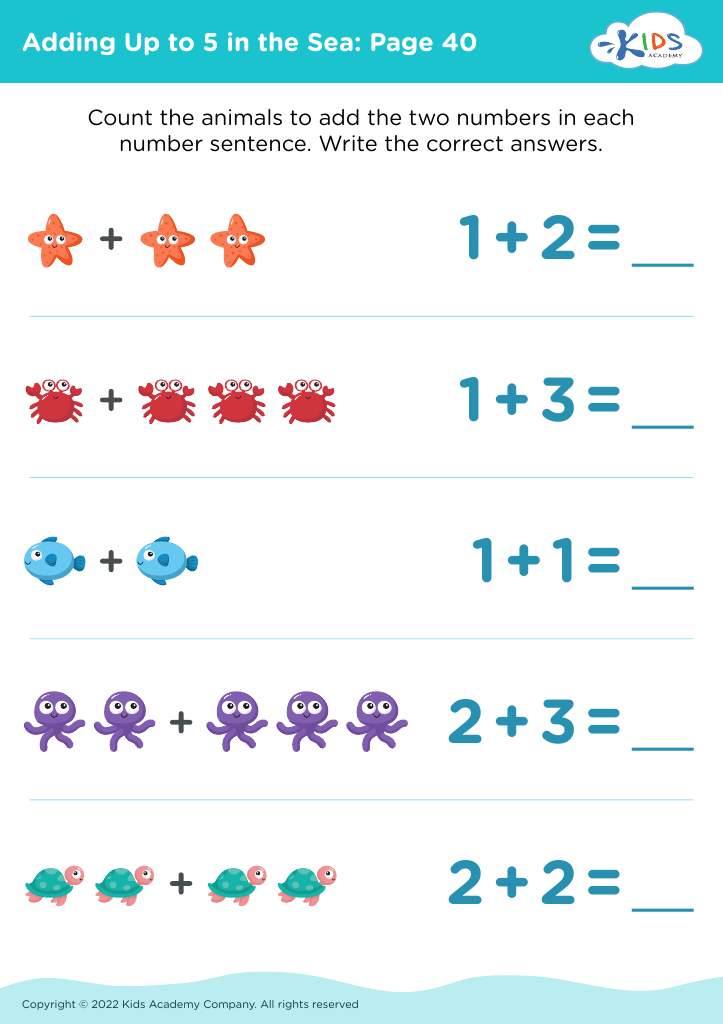
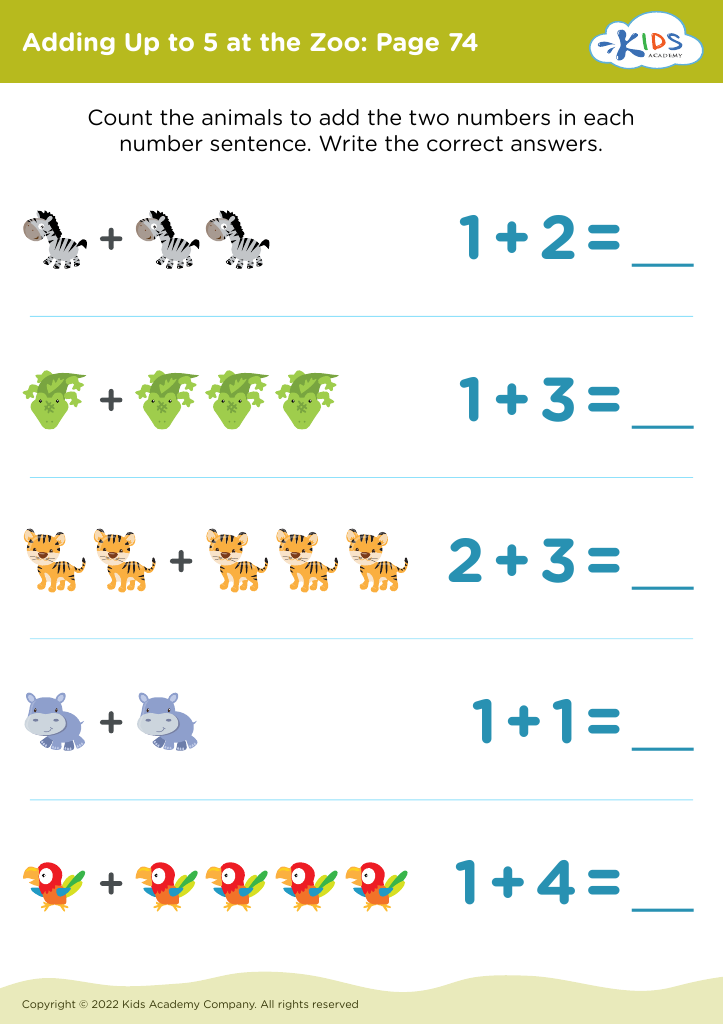
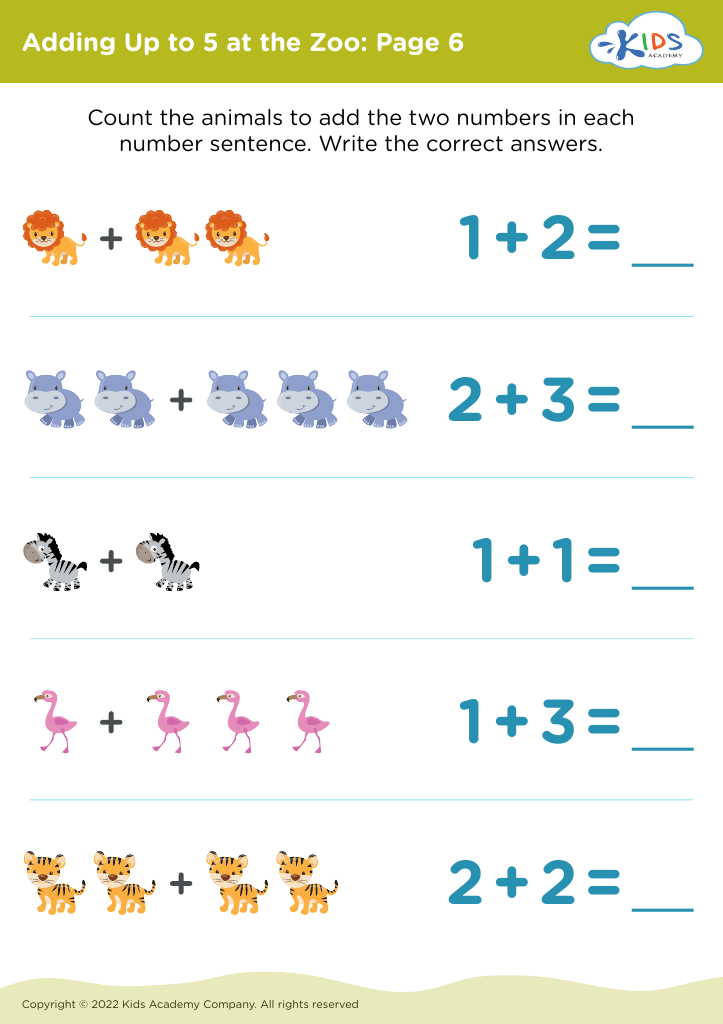
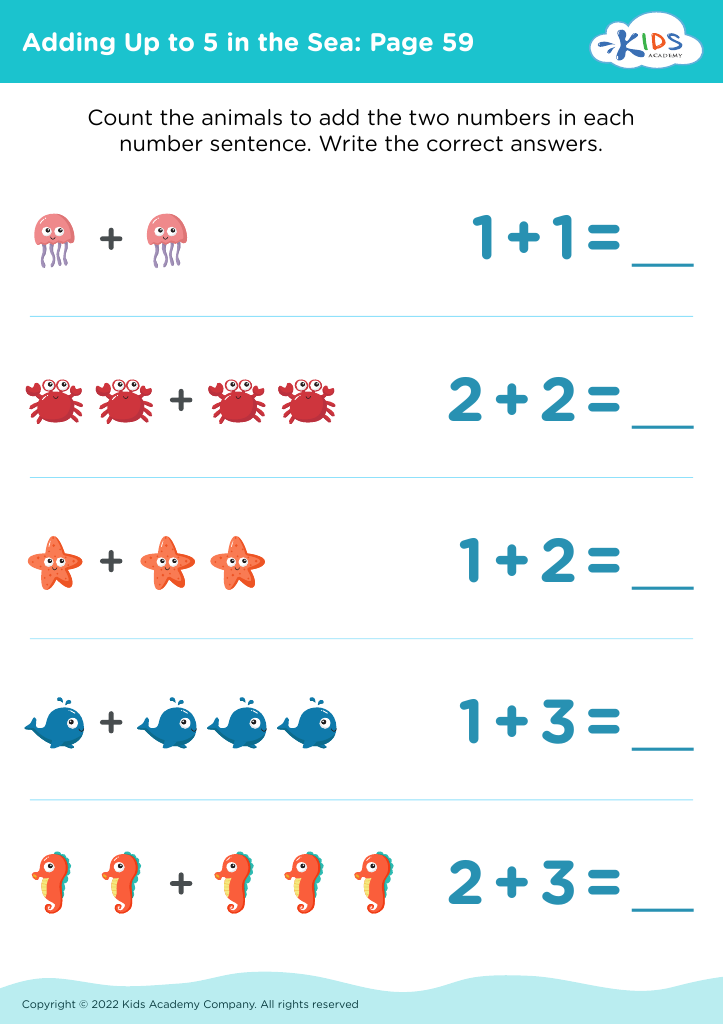
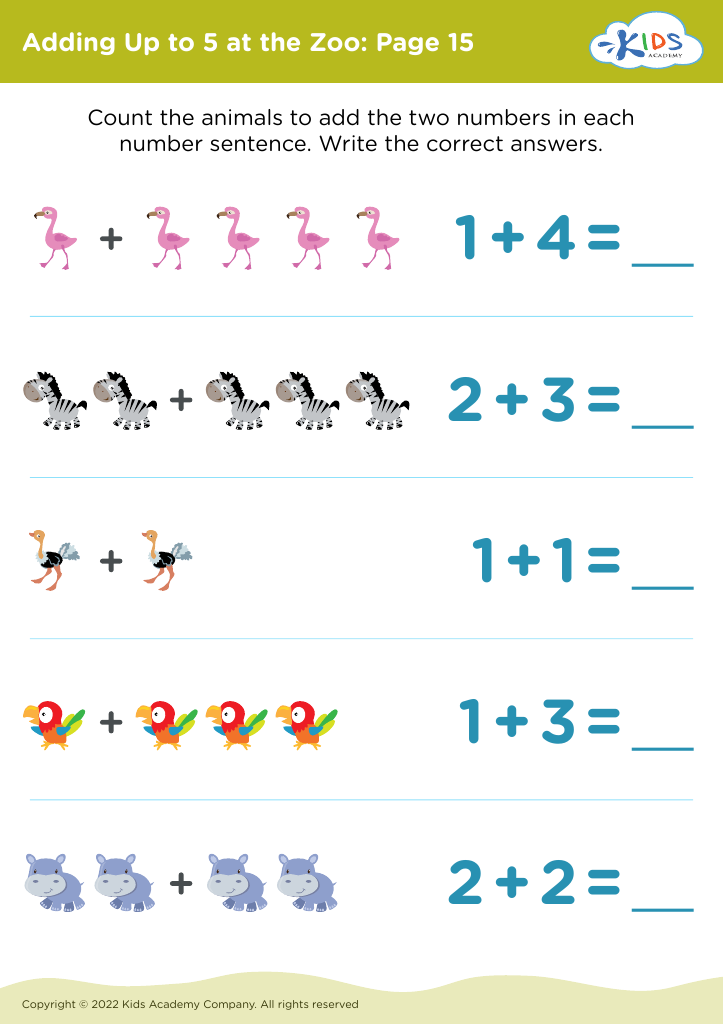
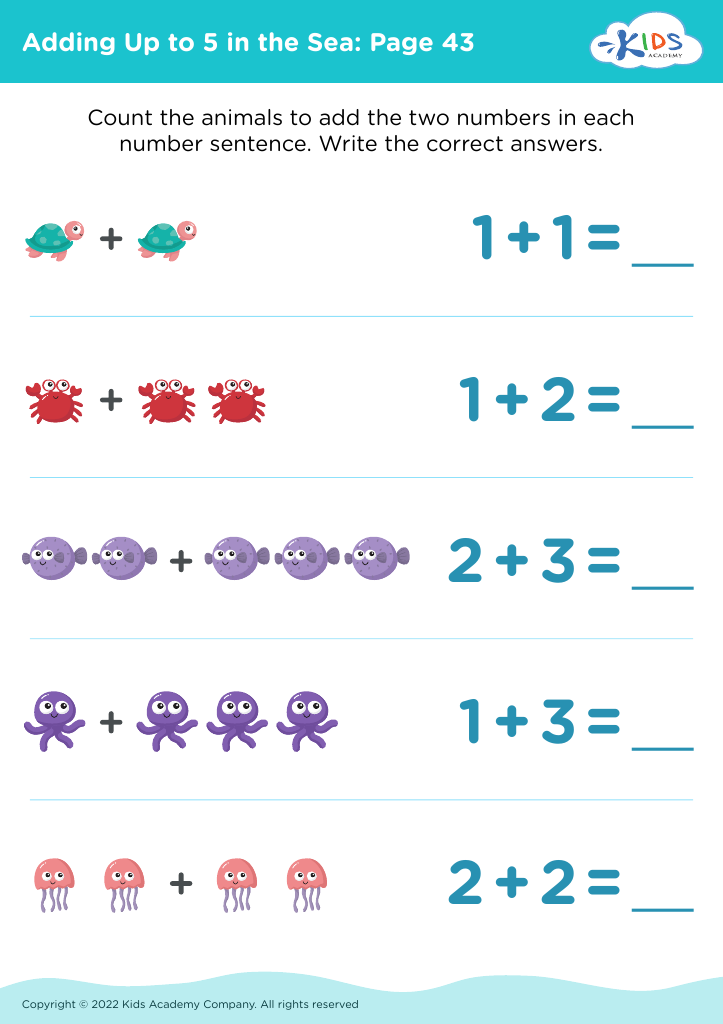
Welcome to our Basic Addition Practice Worksheets for 4-Year-Olds! Designed to make learning addition fun and engaging, our worksheets feature colorful illustrations and age-appropriate exercises. Each worksheet helps young learners develop essential math skills by introducing simple addition concepts through interactive activities. Kids will enjoy counting objects, solving basic problems, and reinforcing their understanding of numbers while building confidence in their math abilities. Perfect for classroom use or at-home learning, these worksheets are an excellent resource for parents and educators looking to support early childhood education. Start your child’s math journey today with our delightful addition practice materials!
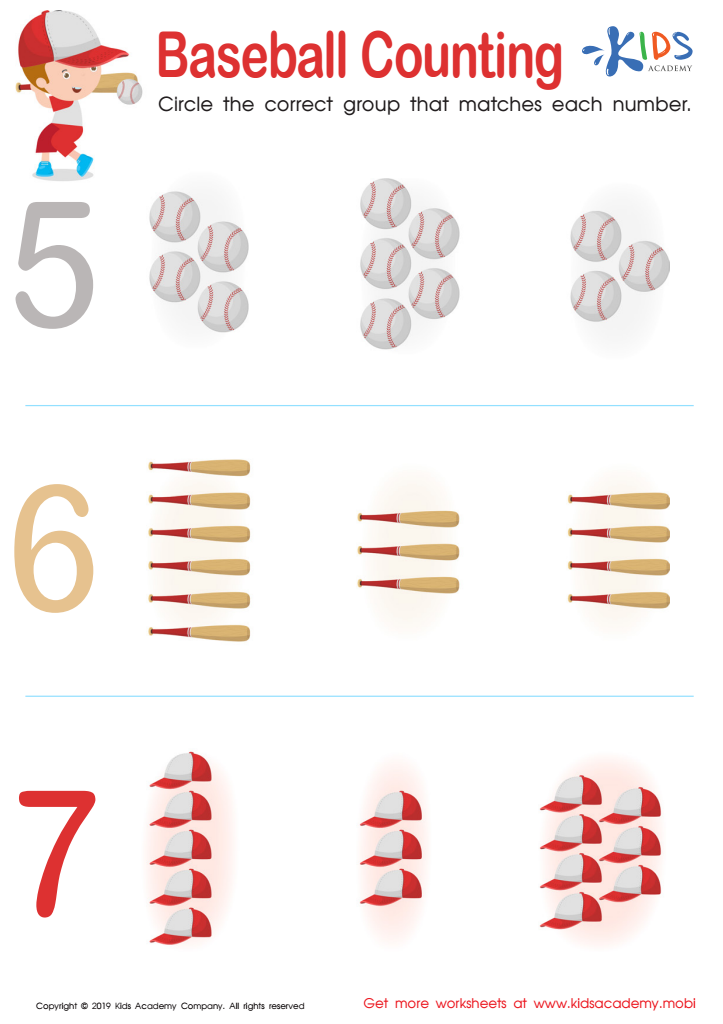
Baseball Counting Worksheet
 Assign to My Students
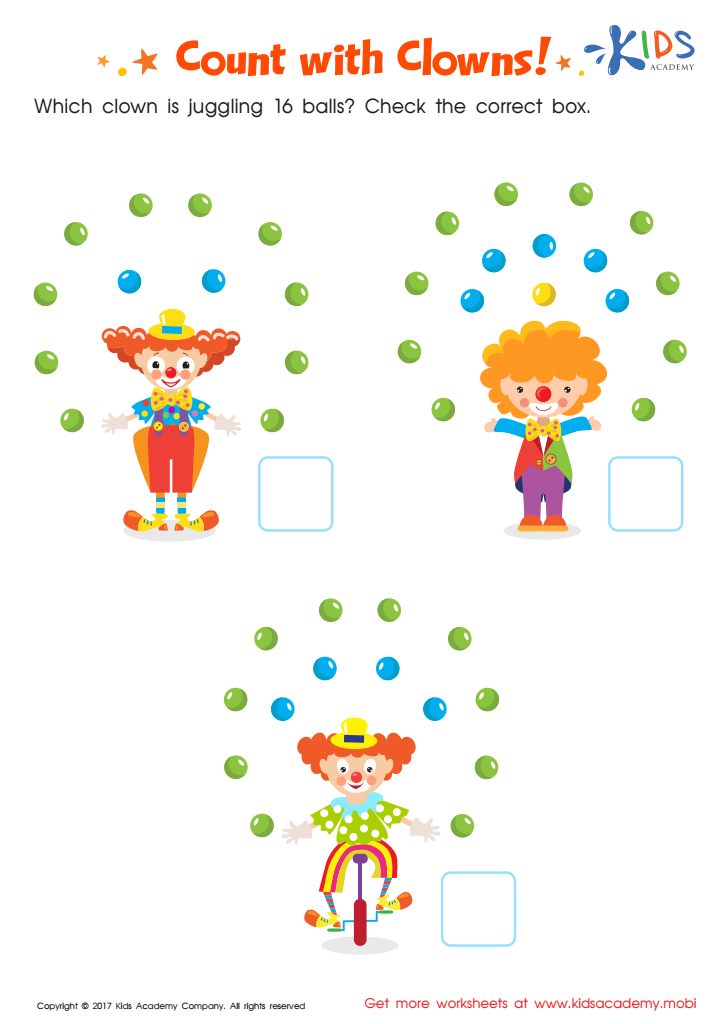
Count with Clowns Worksheet
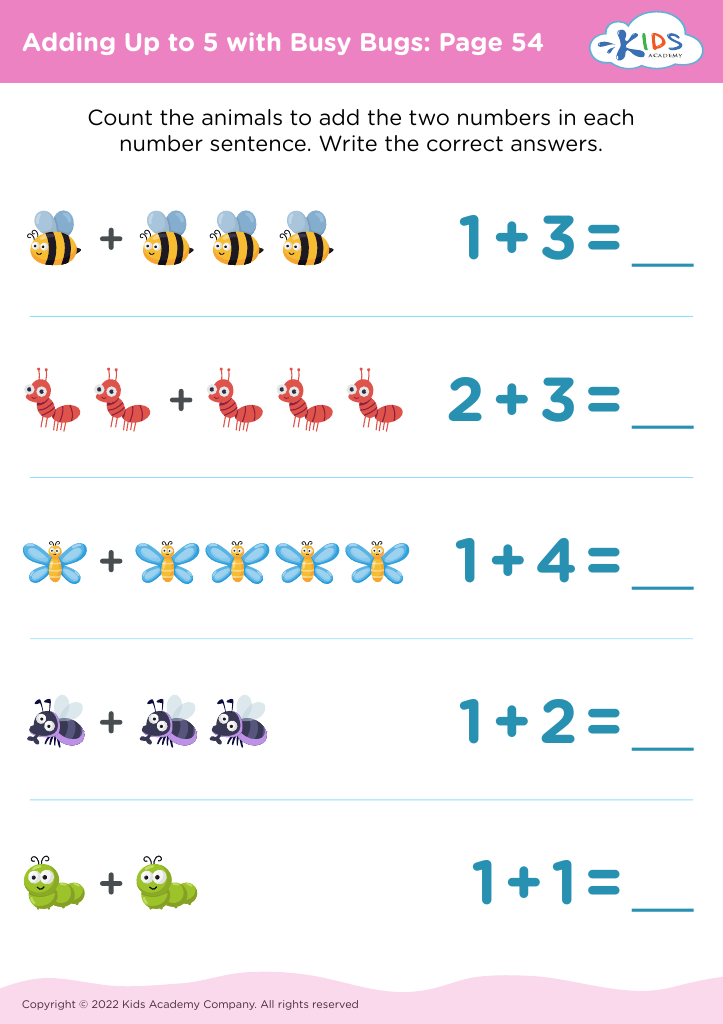
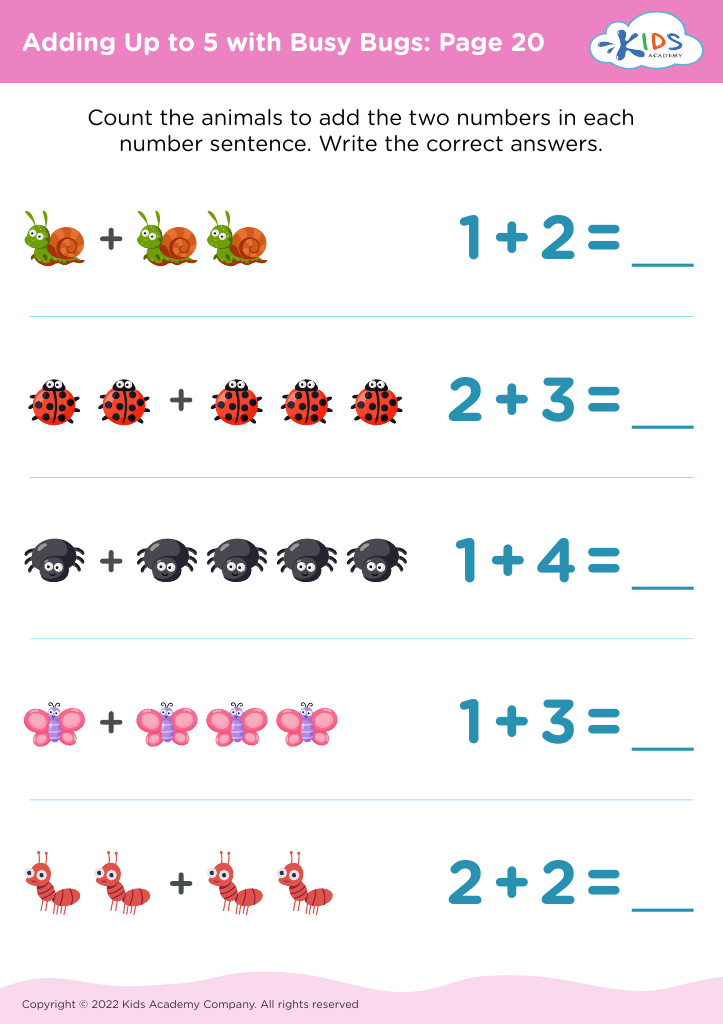
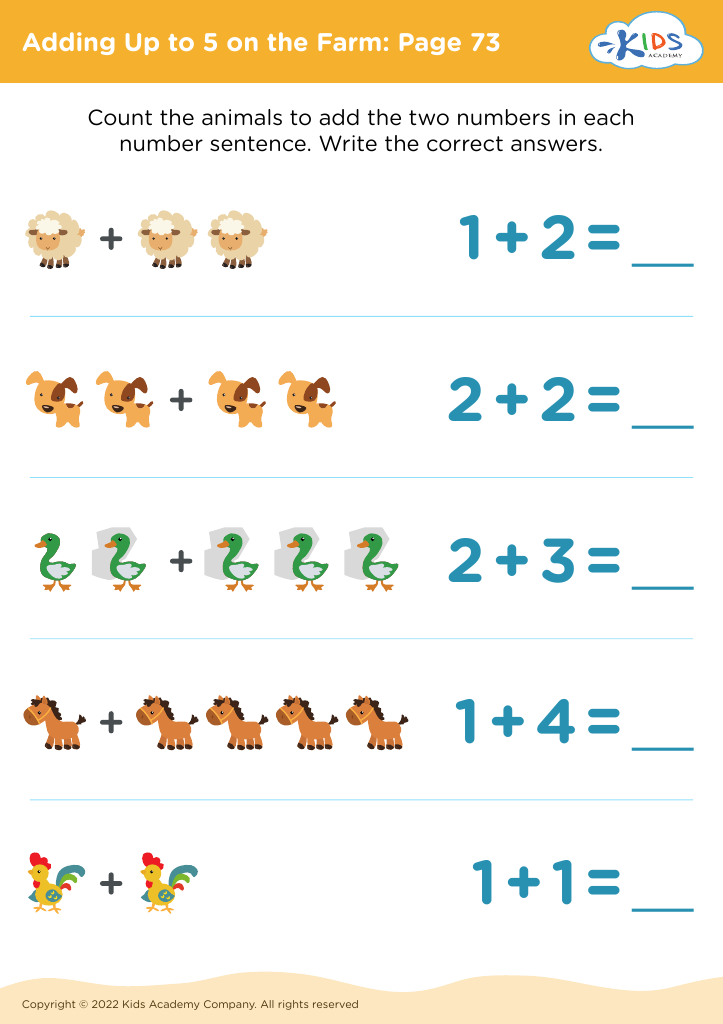
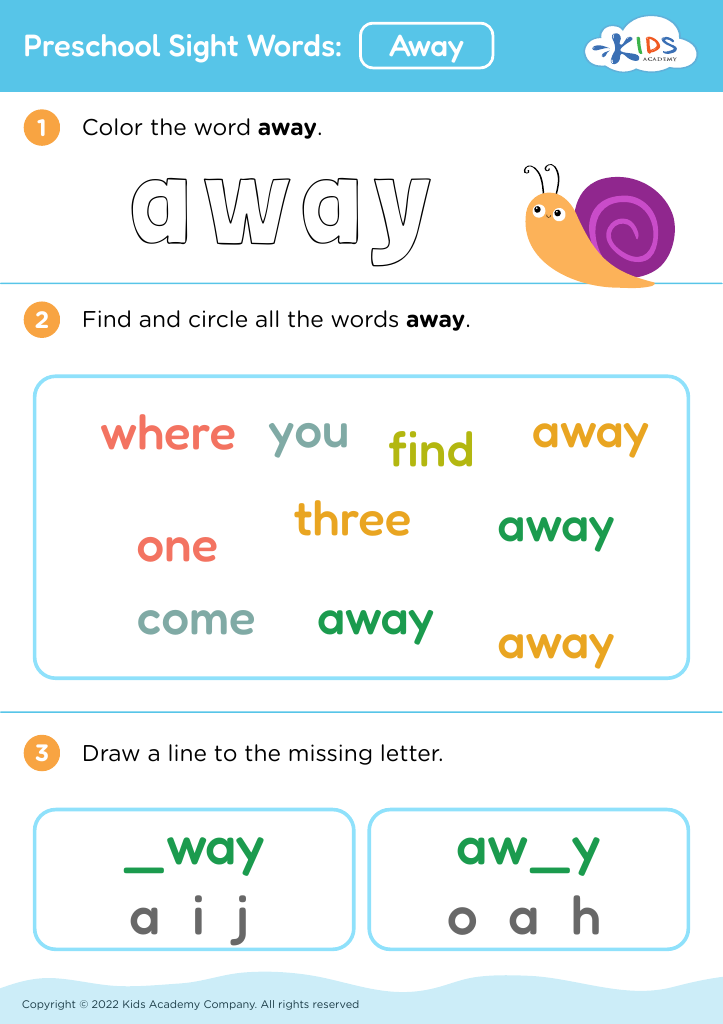






Basic addition practice for 4-year-olds is crucial for several reasons. At this age, children are in a critical stage of cognitive development where they begin to understand numbers and basic mathematical concepts. Early exposure to addition helps build foundational skills that will be essential as they progress in their education. Engaging children in simple addition activities can enhance their problem-solving abilities and promote logical thinking.
Moreover, practicing addition in fun and engaging ways fosters a positive attitude towards math, setting the stage for lifelong learning. Parents and teachers have the opportunity to create a supportive environment that alleviates math anxiety often formed at an early age. By using everyday objects or playful techniques, such as counting toys or singing songs, caregivers can make learning enjoyable and relatable.
Additionally, strong early math skills correlate with later academic success. Children who practice addition consistently are likely to perform better in school settings as they advance in their education. Ultimately, nurturing these skills at a young age empowers children to build confidence, enhances their critical thinking, and prepares them for future learning challenges. By investing time in basic addition, parents and teachers contribute significantly to a child’s overall development.








