Cognitive Development Worksheets for 4-Year-Olds - Page 9
197 filtered results
-
From - To

Night Sky Numbers Worksheet
 Assign to My Students
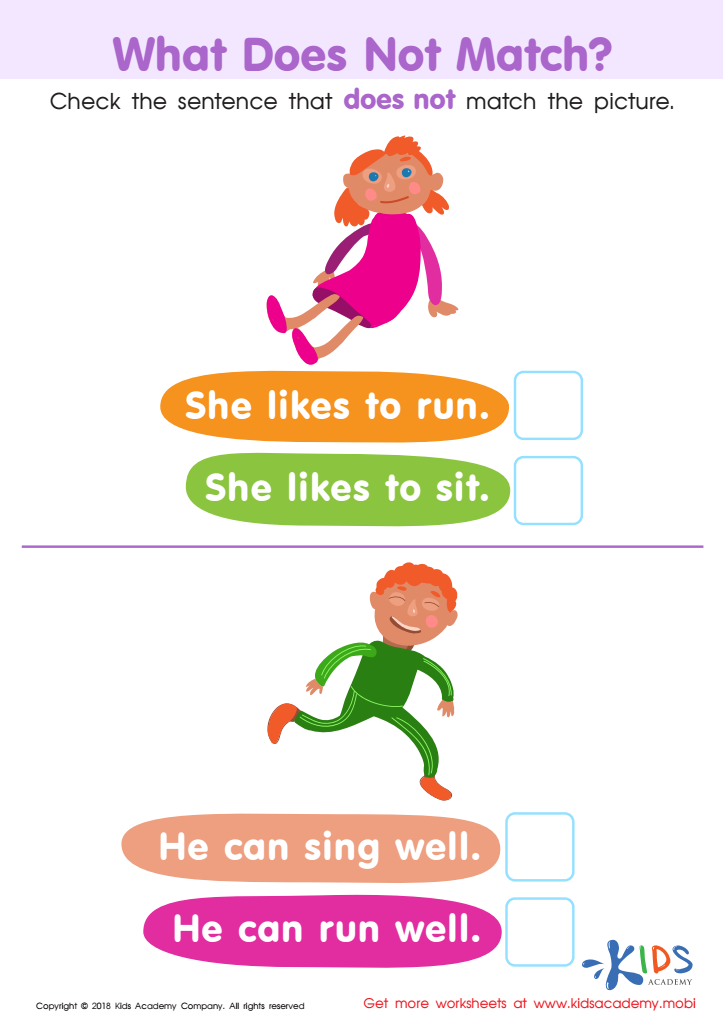
What Does Not Match? Worksheet





.jpg)


Cognitive development in 4-year-olds is crucial as it lays the foundation for future learning and overall development. At this age, children are rapidly acquiring skills in problem-solving, critical thinking, and understanding the world around them. Parents and teachers should care about fostering cognitive development because it directly influences a child's ability to learn in school and interact with peers.
Engaging in activities that promote cognitive skills, such as puzzles, storytelling, and imaginative play, enhances a child's memory and reasoning abilities. Such interactions encourage curiosity and promote a love for learning, making it easier for children to adapt to school settings. Furthermore, cognitive skills are closely linked to language development, as children expand their vocabulary and communication abilities during this critical period.
Additionally, supporting cognitive development helps children build resilience and cope with challenges, promoting emotional well-being. Early investments in cognitive skills will lead not only to academic readiness but also to lifelong skills that benefit children's social, emotional, and academic success. Thus, both parents and teachers play a vital role in nurturing and enhancing cognitive growth, ensuring children thrive during these formative years and beyond.








