Recognize shapes Worksheets for 4-Year-Olds
4 filtered results
-
From - To
Introduce your 4-year-old to the world of shapes with our engaging "Recognize Shapes Worksheets"! Tailored specifically for young learners, these worksheets help children identify and learn basic geometric shapes, including circles, squares, triangles, and rectangles. Each worksheet is designed to be both fun and educational, encouraging kids to connect shapes with everyday objects through vibrant illustrations and simple activities. By practicing these sheets, your child will enhance their observational skills and build a strong foundation for future math success. Start their geometric adventure today and make learning an exciting journey at Kids Academy!
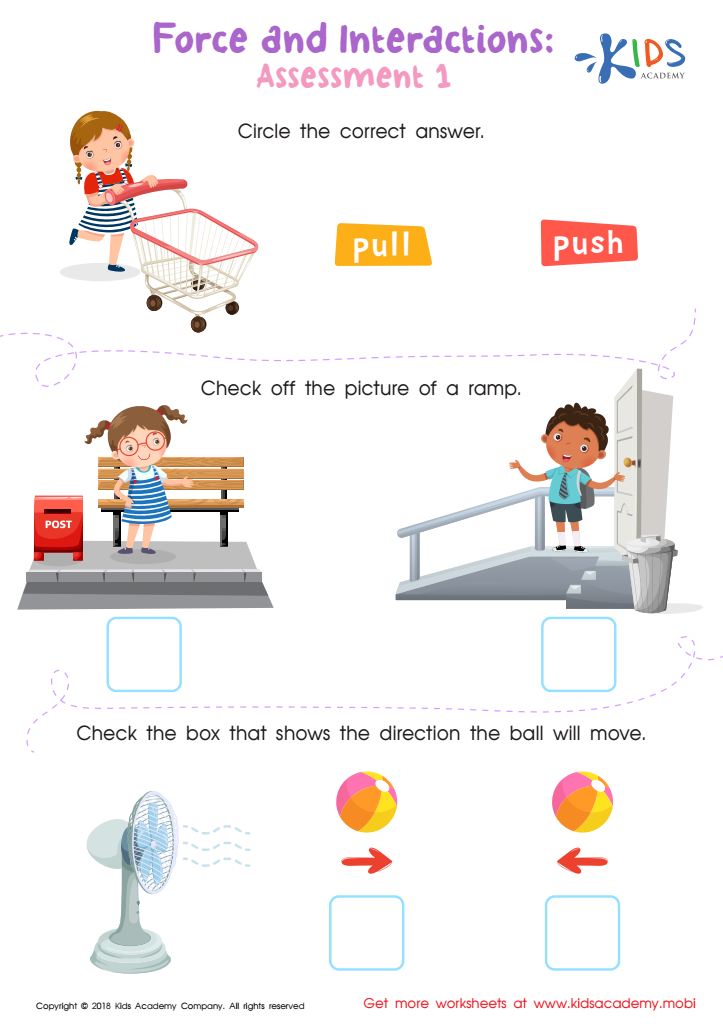
Force and Interactions: Assessment 1 Worksheet
 Assign to My Students
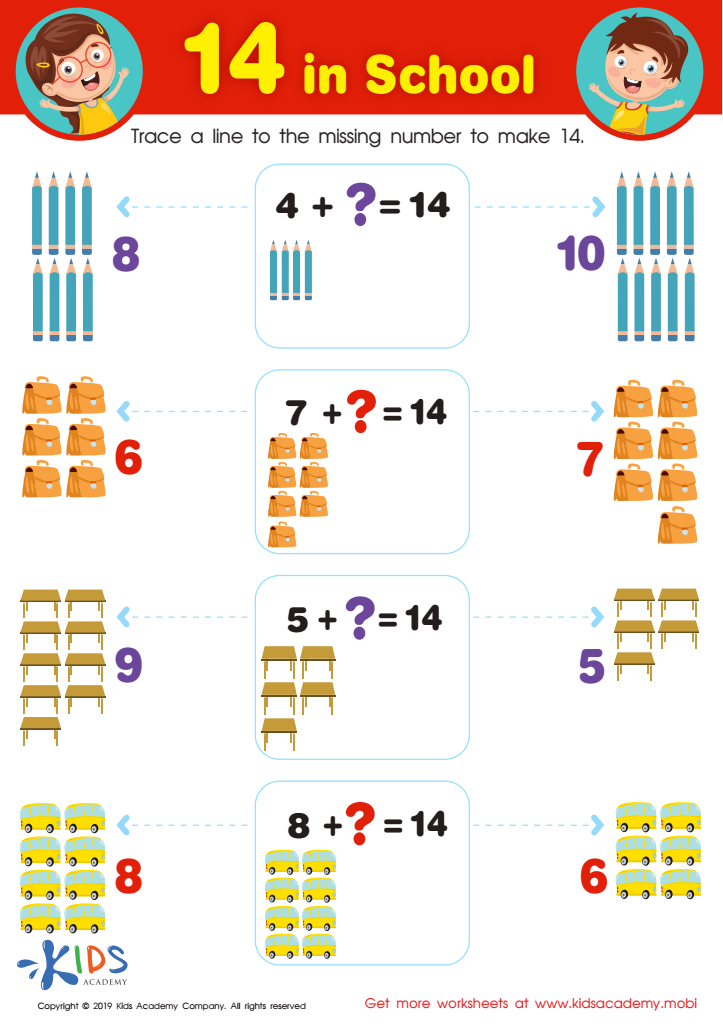
14 in School Worksheet
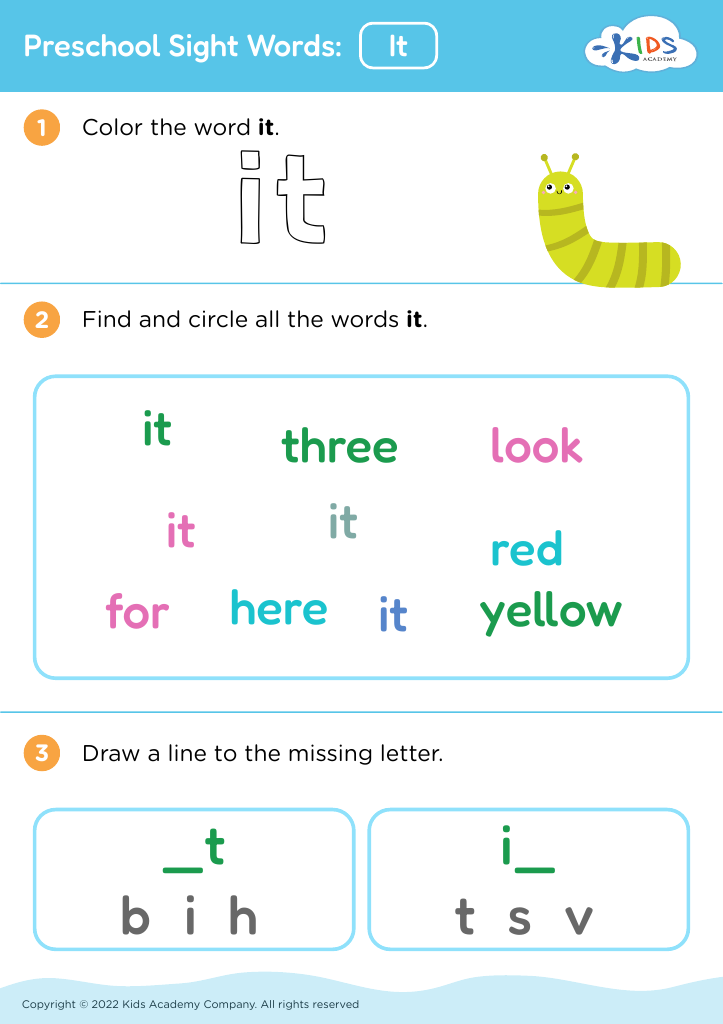
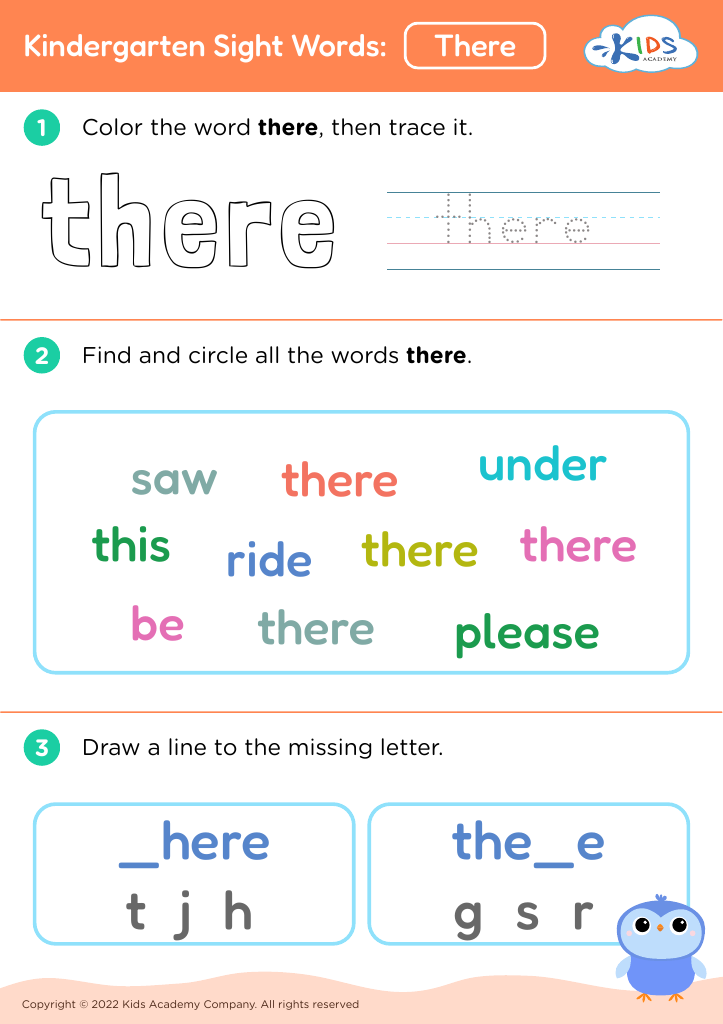








Recognizing shapes is a fundamental skill for 4-year-olds that serves as a critical building block in their cognitive development and educational foundation. When parents and teachers focus on teaching children about shapes, they are not just helping them identify circles, squares, and triangles; they are laying the groundwork for important mathematical concepts and spatial reasoning skills.
Understanding shapes aids in the development of visual perception and categorization skills. Children learn to notice similarities and differences, a skill crucial for more complex problem-solving tasks later in life. For example, recognizing that both a square and a rectangle have four sides but differ in side length teaches them to classify and differentiate objects based on their attributes.
Moreover, shape recognition is intertwined with literacy development. Many letters of the alphabet have distinct shapes and forms. Recognizing these shapes can make it easier for children to learn and write letters, improving their reading and writing abilities.
Shapes are also everywhere in our daily environment, and understanding them helps children make sense of the world. From learning street signs to recognizing the shape of a book, these skills are practical and increase their ability to interact competently with their surroundings.
Overall, caring about shape recognition in early childhood bridges essential academic subjects and practical life skills, fostering a well-rounded, solid foundation for future learning and interaction.








