Understanding measurements Worksheets for 4-Year-Olds
7 filtered results
-
From - To
Unlock your child's potential with our "Understanding Measurements Worksheets for 4-Year-Olds"! Specially designed to spark curiosity and learning, these printable worksheets offer a fun and engaging way to introduce young learners to the concepts of length, height, weight, and volume. Through captivating activities and colorful illustrations, your little one will develop essential math skills and improve their ability to compare and categorize objects. Perfect for preschoolers, these worksheets help build a solid foundation for future learning while keeping your child entertained and motivated. Explore today and watch their confidence in math soar!
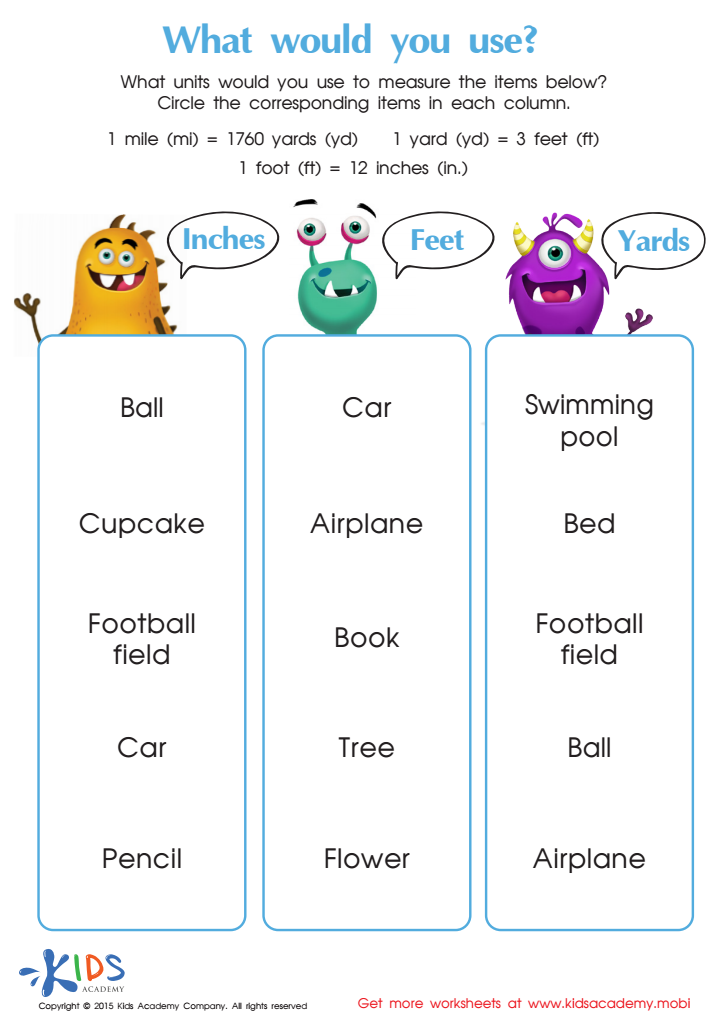
Learning about measuring objects in inches, feet and yards Worksheet
 Assign to My Students
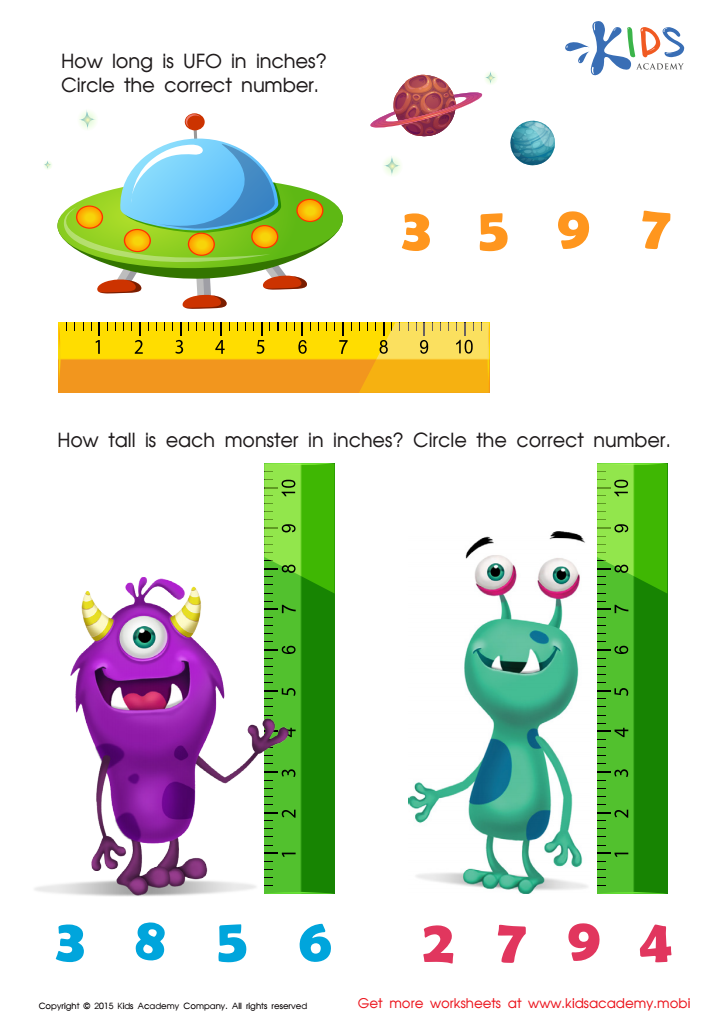
Measuring in Inches Worksheet
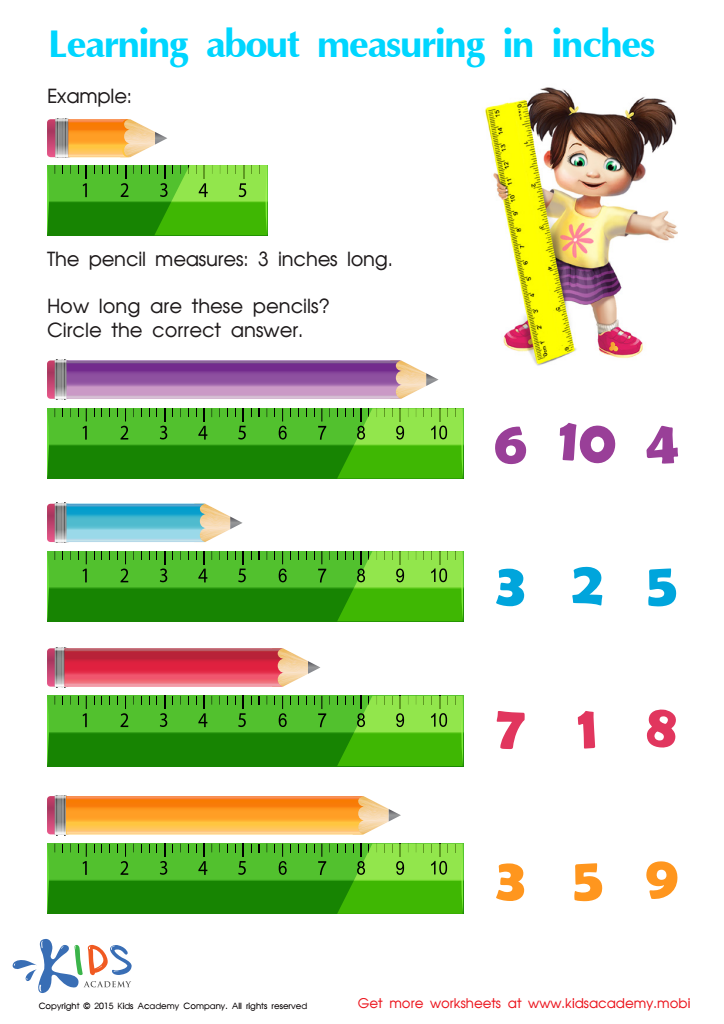
Learning About Measuring In Inches Printable
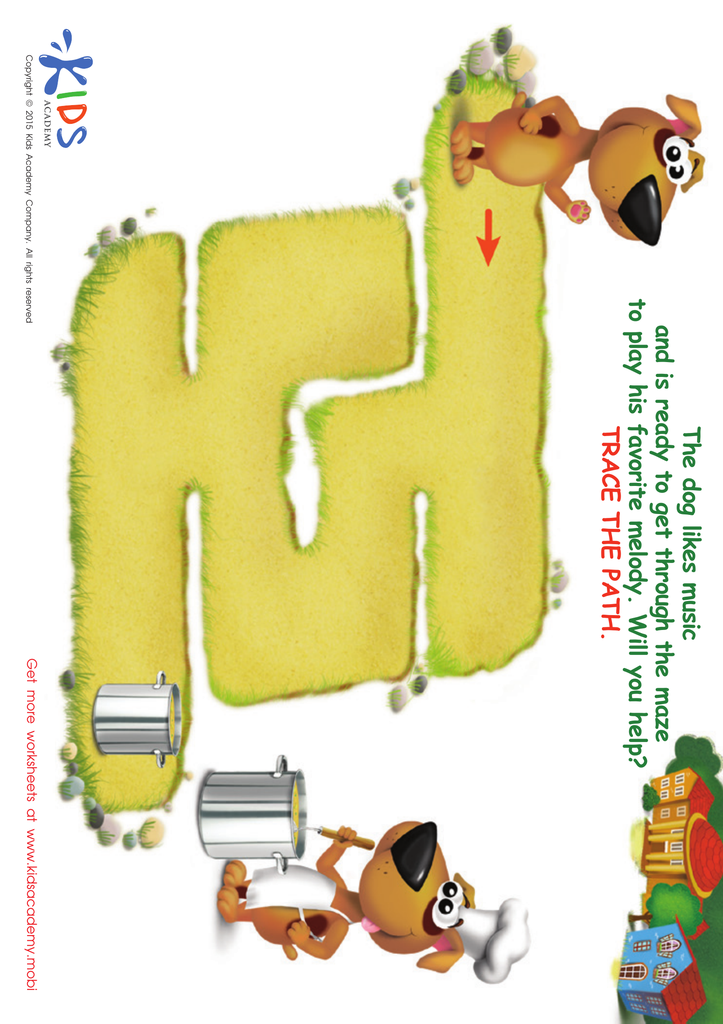
Cook Maze Worksheet
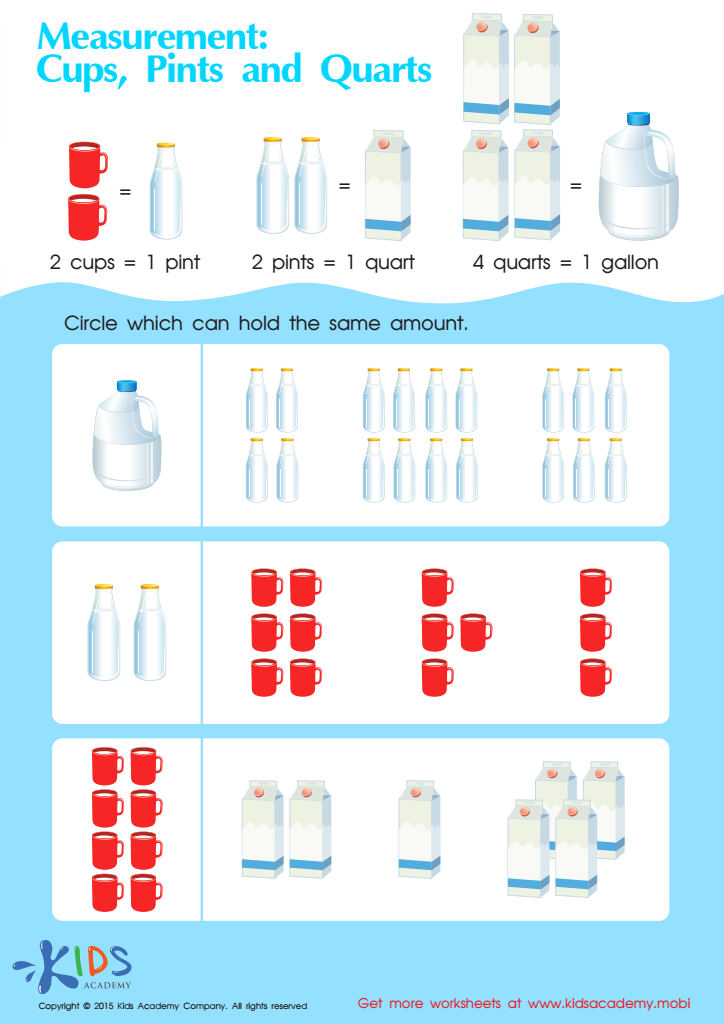
Cups, Pints and Quarts 2 Worksheet
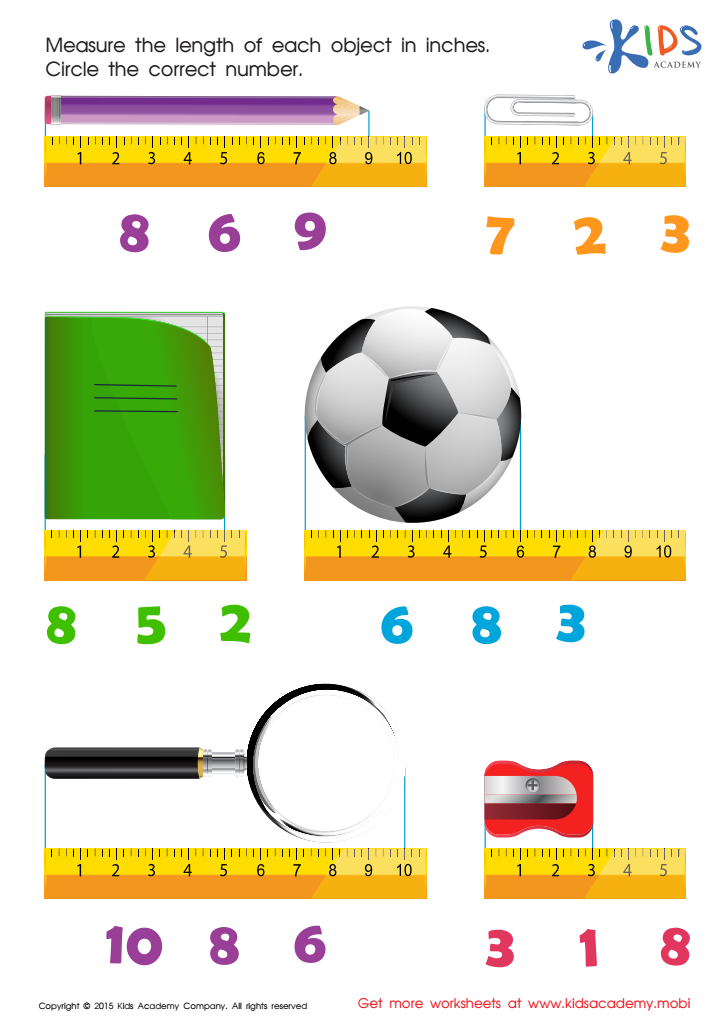
Learning measuring objects in inches Worksheet
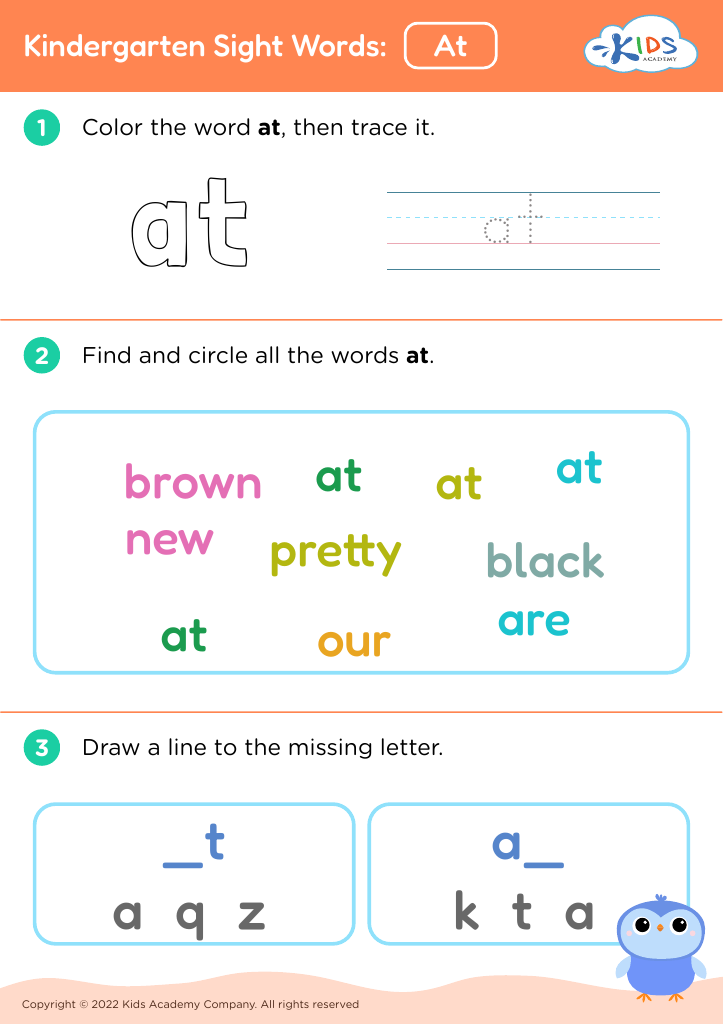








Understanding measurements is crucial for 4-year-olds as it lays the foundation for numerous essential skills. Firstly, measurement concepts introduce young children to basic math, including size, length, weight, and volume. By comparing and categorizing objects, children develop critical thinking and problem-solving skills, which enhance cognitive development.
Additionally, early exposure to measurements fosters observational and analytical abilities. When children learn to estimate, compare, and contrast, they become more aware of their environment, which aids in their overall spatial awareness and navigation.
Practical daily applications also underline the importance of learning measurements. Activities like baking simple recipes, planting seeds, or setting the table involve measuring, which helps children understand real-world uses of these concepts. This hands-on learning builds confidence and competence in everyday tasks.
Moreover, early measurement skills set the groundwork for future academic success, particularly in subjects like math and science. Understanding measurements can improve a child's ability to follow instructions, work systematically, and engage more deeply with STEM learning later on.
Therefore, ensuring 4-year-olds grasp measurement concepts can support their intellectual growth, encourage curiosity about the world, and equip them with essential life skills. Parents and teachers should prioritize this fundamental aspect of early education to foster well-rounded, confident learners.








