Visual Perception Skills Worksheets for 4-Year-Olds
15 filtered results
-
From - To
Boost your 4-year-old's learning journey with our engaging Visual Perception Skills Worksheets! Designed specifically for young learners, these fun-filled activities enhance essential visual skills including shape recognition, spatial awareness, and pattern identification. Our worksheets provide interactive challenges that promote critical thinking and fine motor skills while keeping your child entertained. Perfect for home or preschool use, they encourage independent learning and creativity. Dive into a world of discovery where your child can develop foundational skills that are crucial for future academic success. Access our collection today and watch your little one thrive with confidence in their visual perception capabilities!
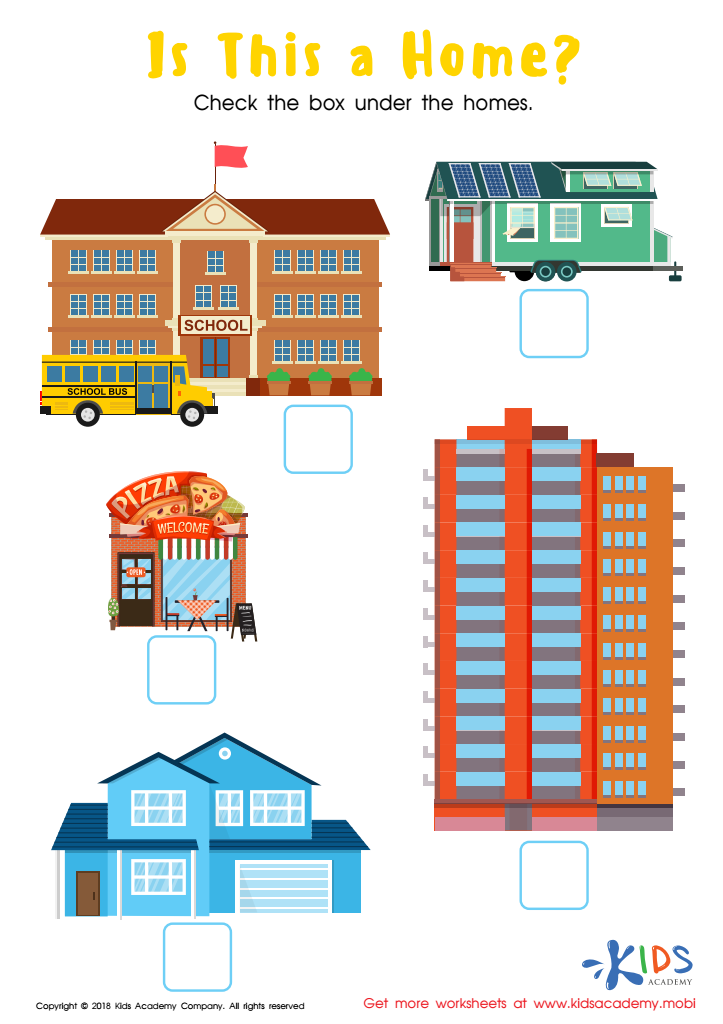
Is this a Home? Worksheet
 Assign to My Students
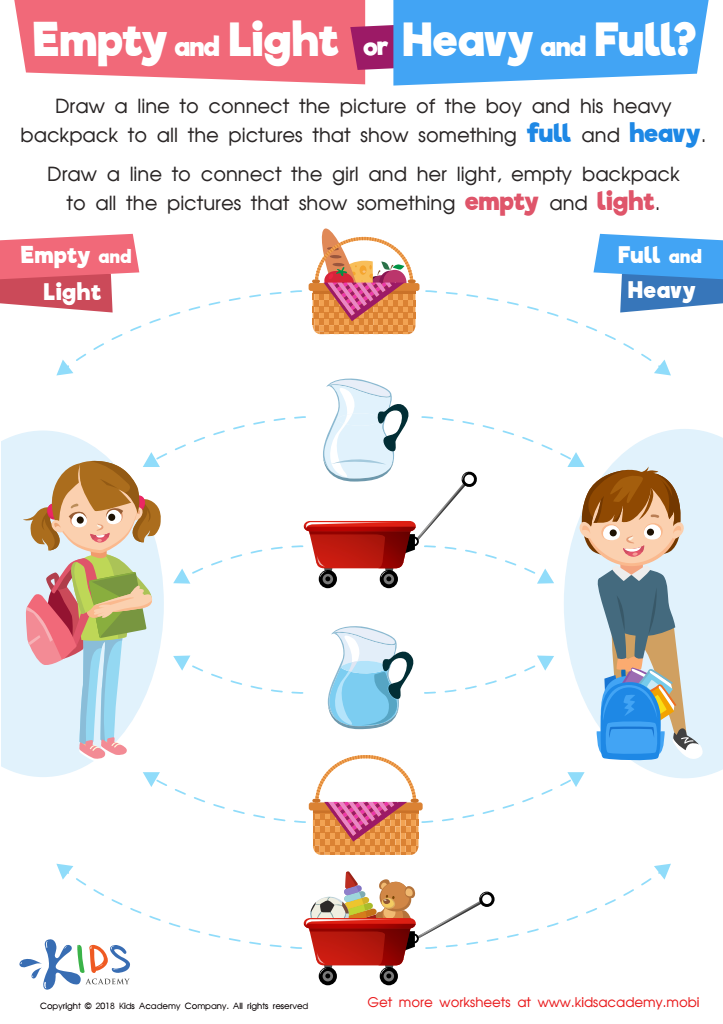
Empty and Light or Heavy and Full? Worksheet
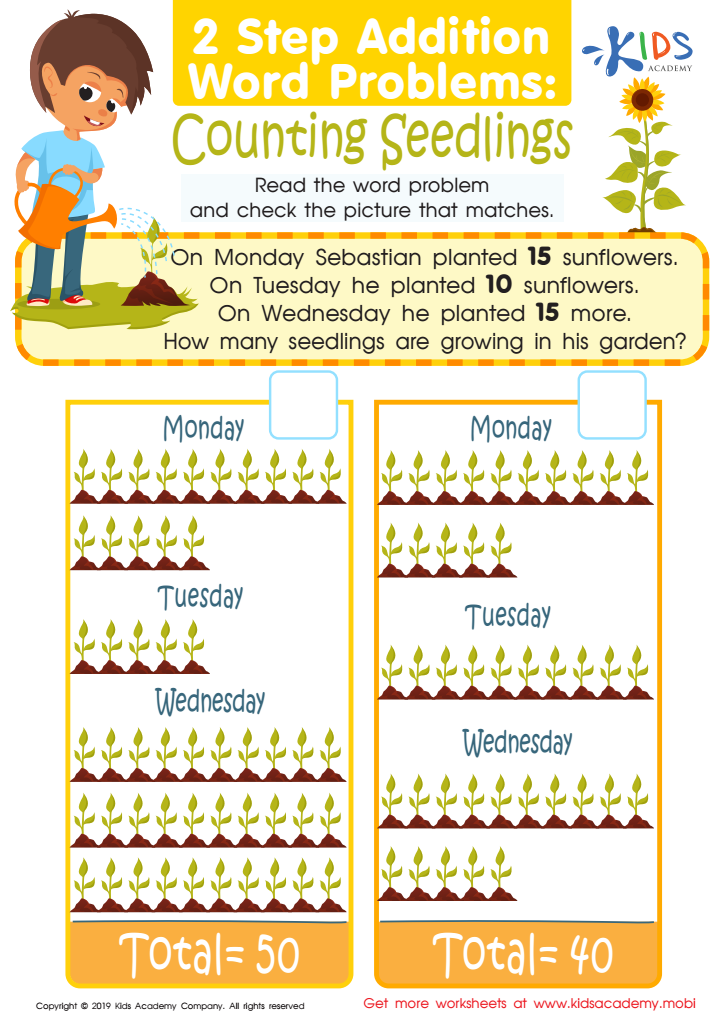
Counting Seedlings Worksheet
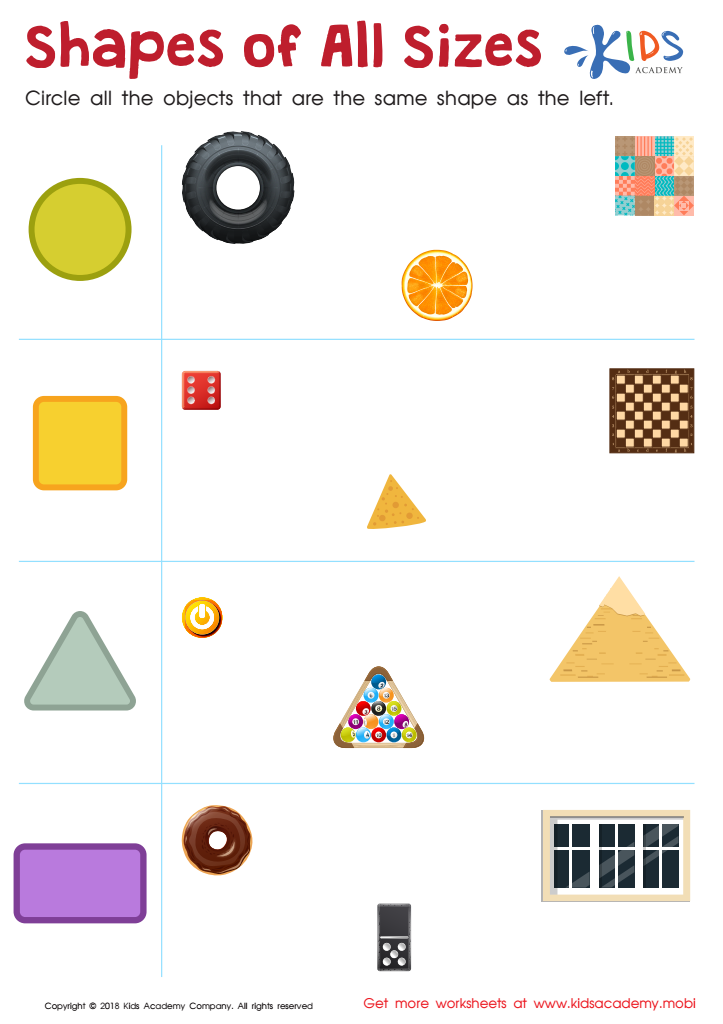
Shapes of All Sizes Worksheet
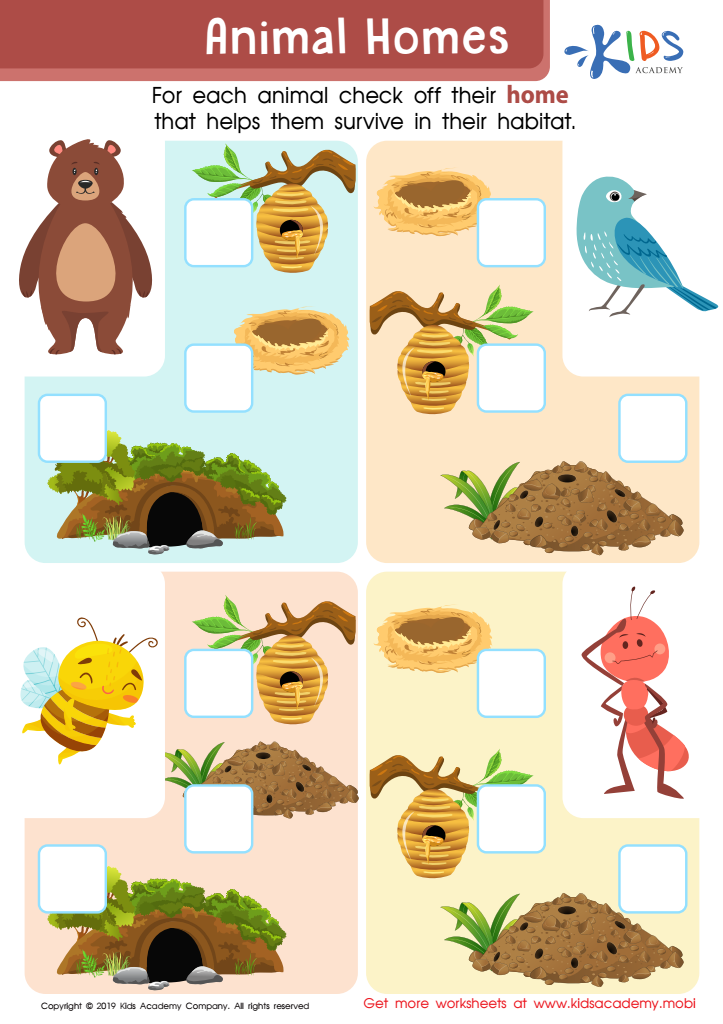
Animal Homes Worksheet
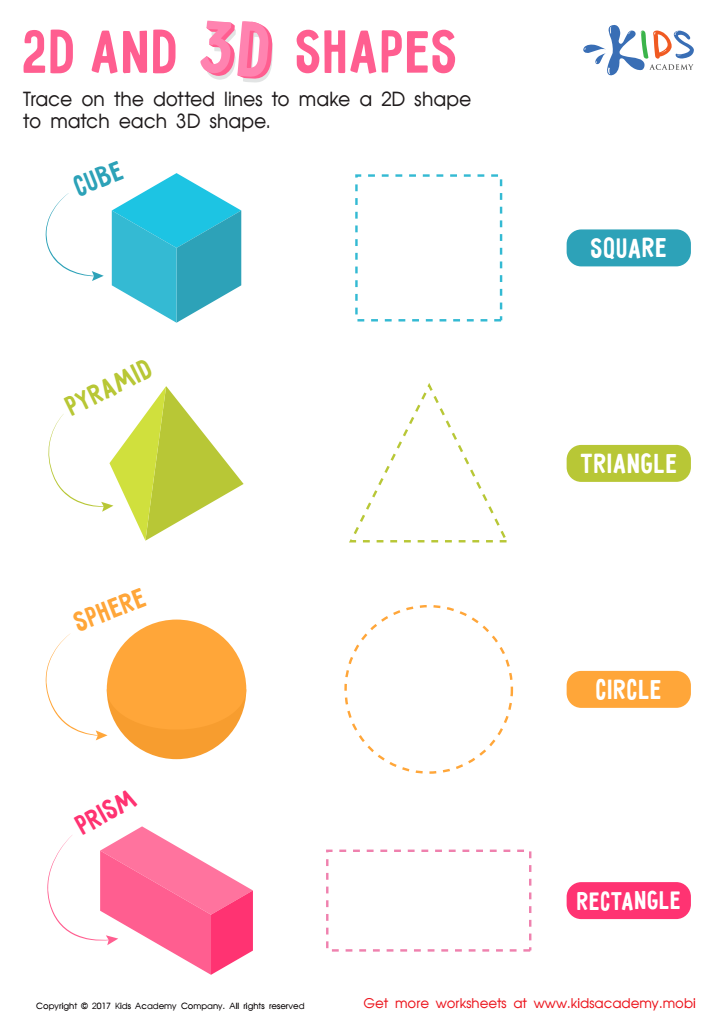
2D and 3D Shapes Worksheet
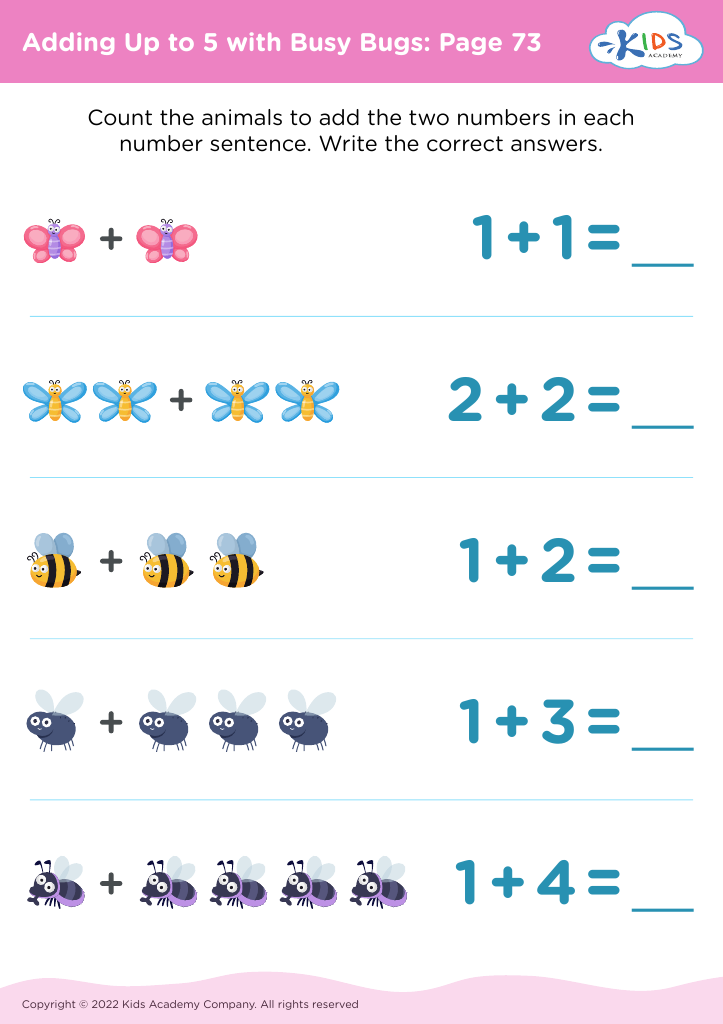
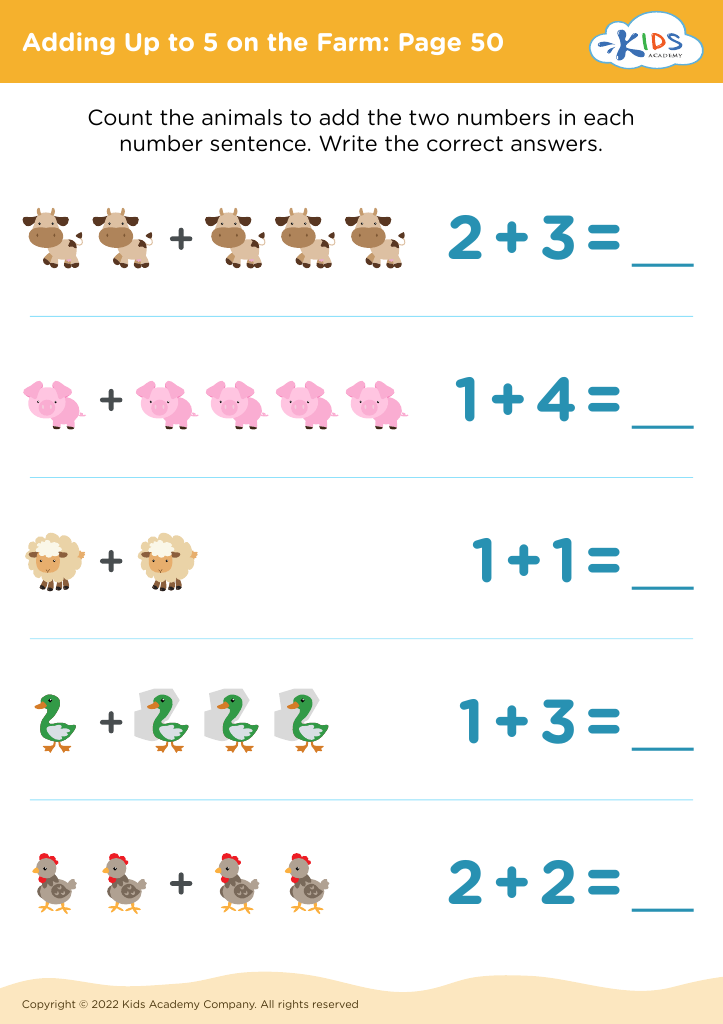
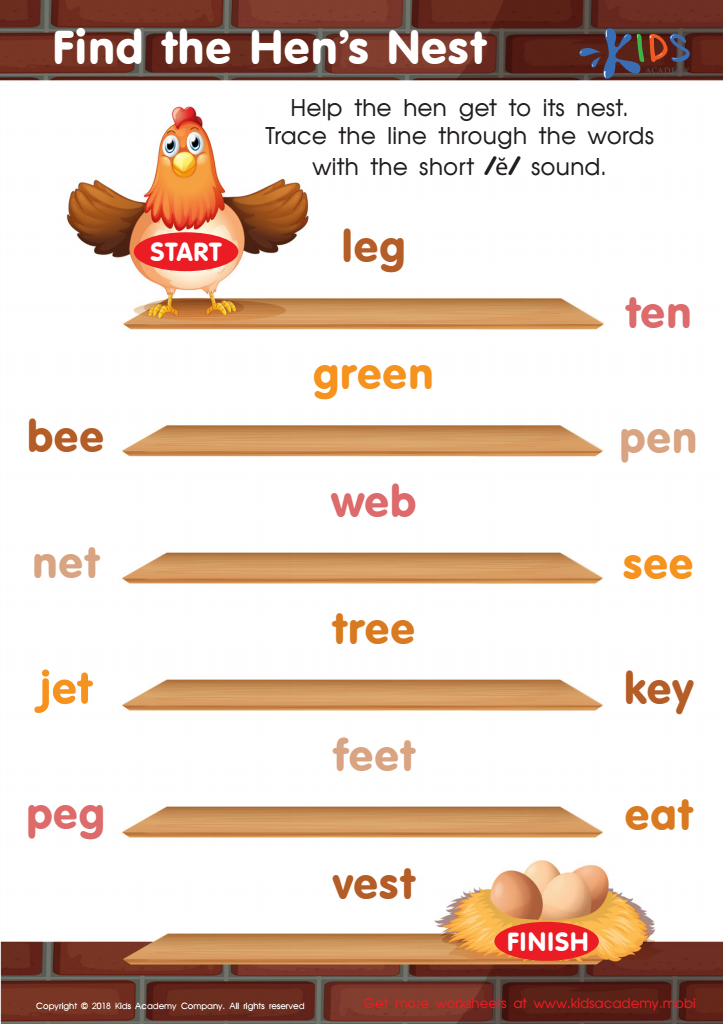
Find Hens Nest Reading Worksheet
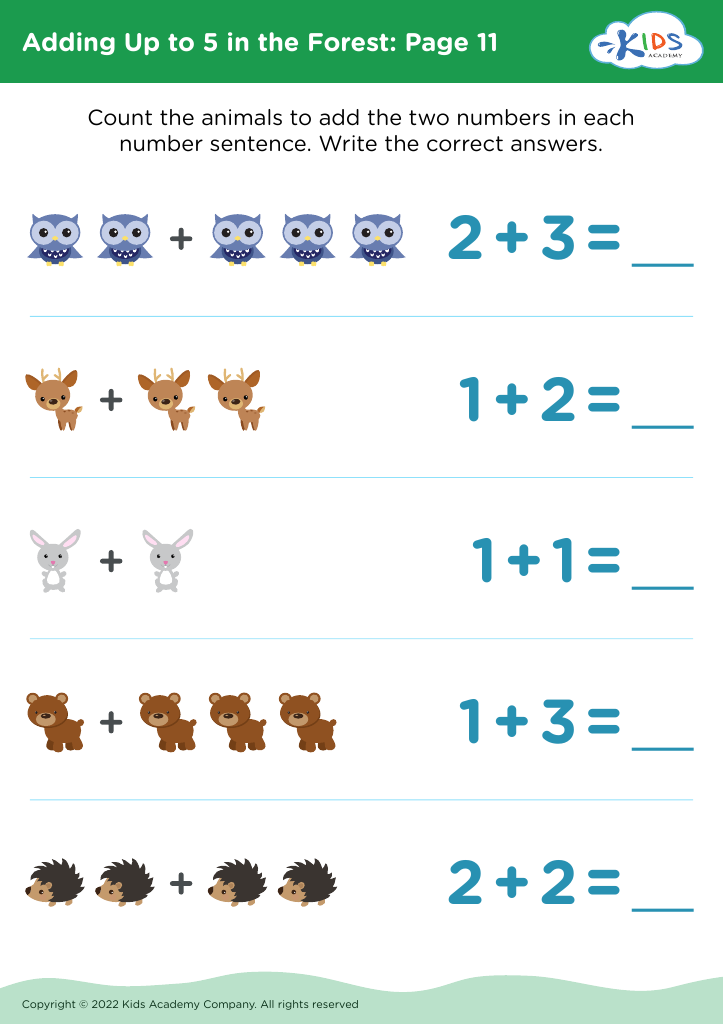
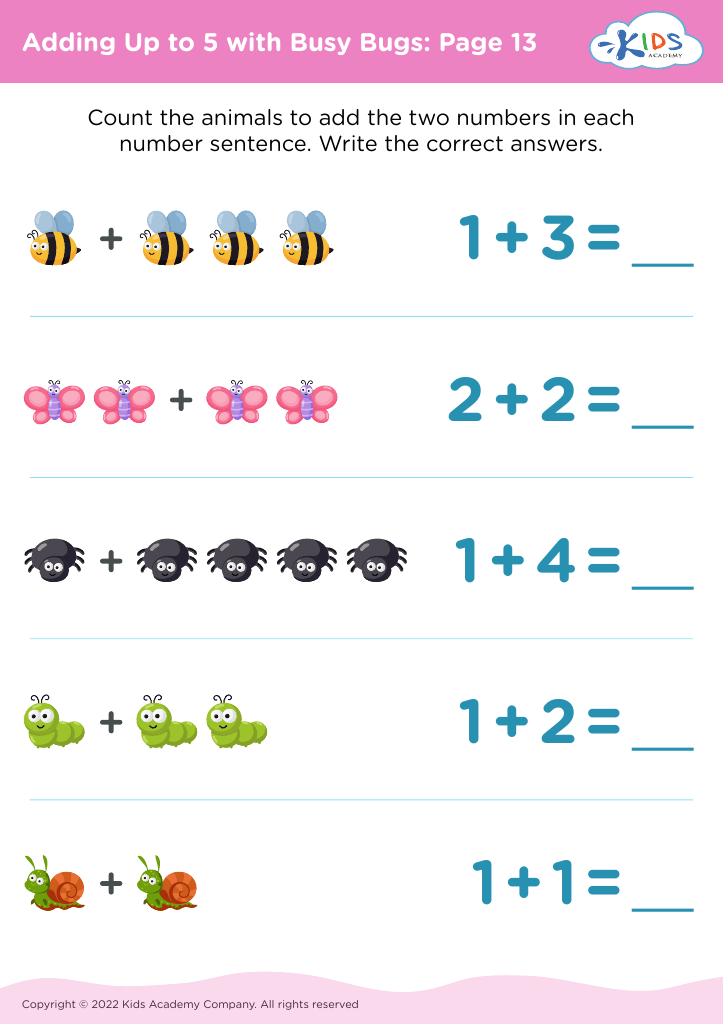
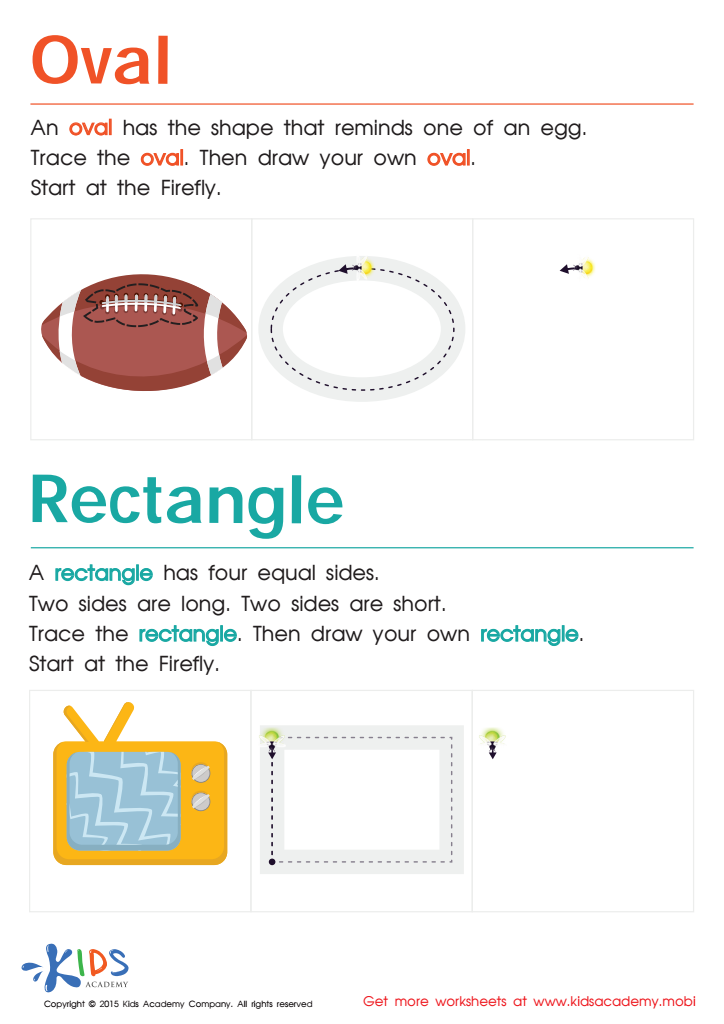
Easy Drawing of Ovals And Rectangles Worksheet
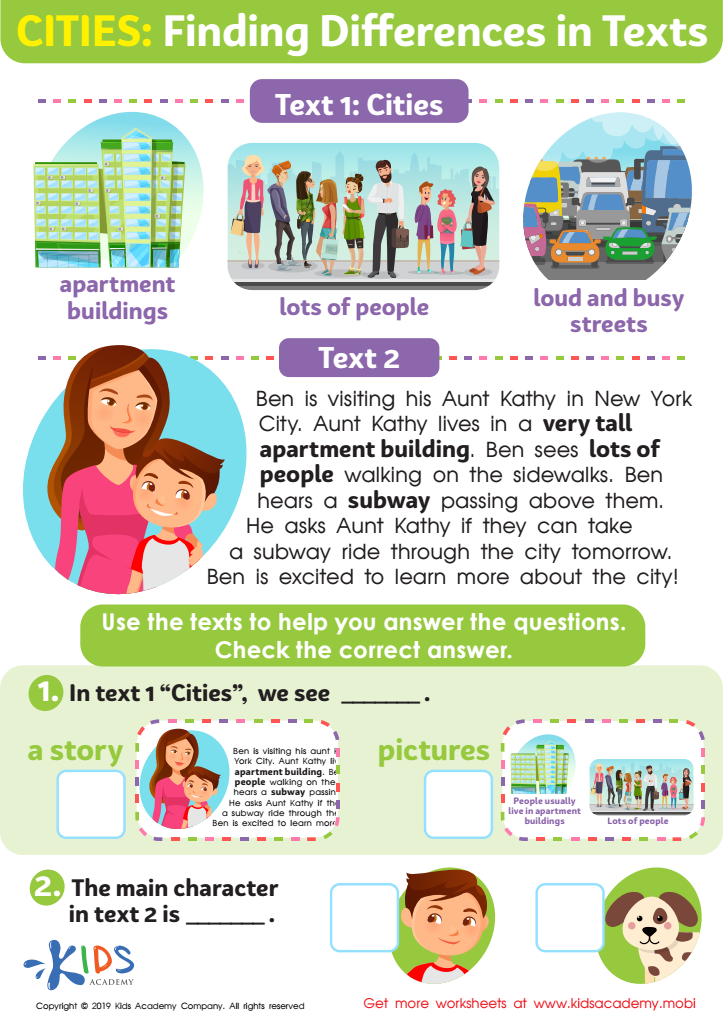
Cities: Finding Differences Worksheet
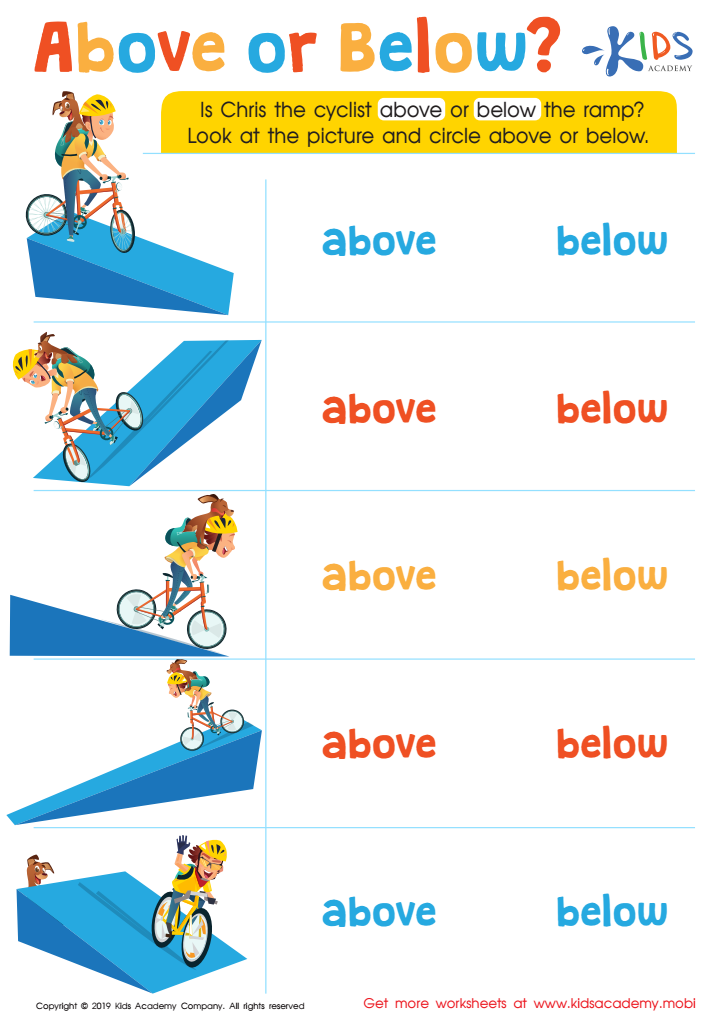
Above or Below? Worksheet
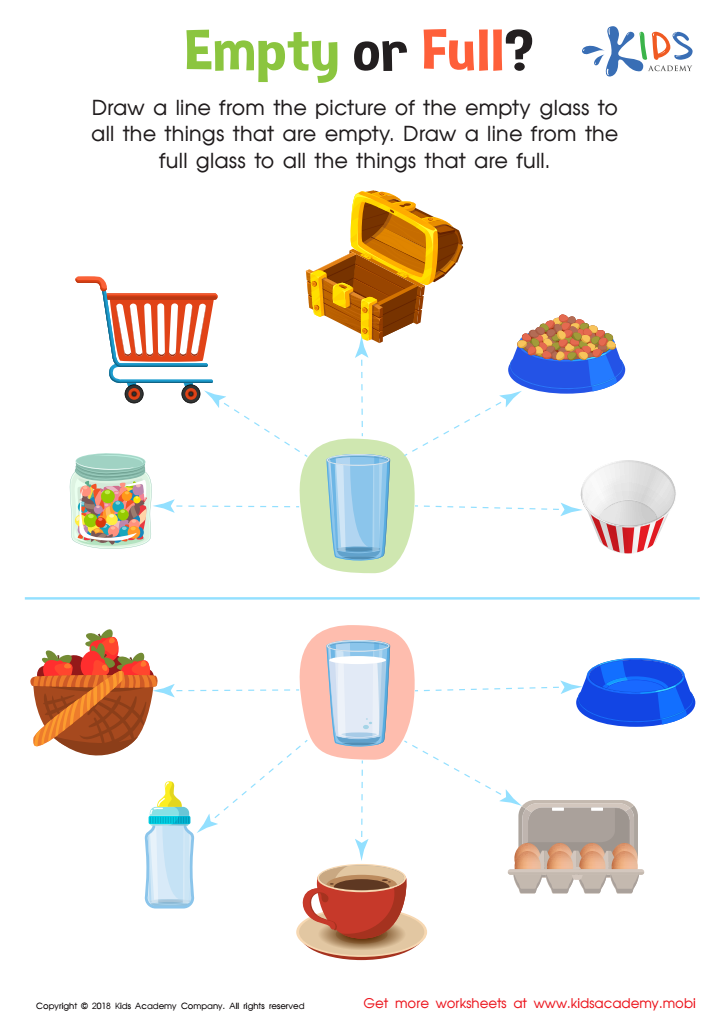
Empty or Full? Worksheet








Visual perception skills are crucial for 4-year-olds as they serve as the foundation for learning and development. These skills enable children to interpret and understand visual information, impacting their ability to recognize shapes, patterns, and letters. At this stage, children are naturally curious and eager to explore, making it an ideal time to foster these abilities.
Parents and teachers should care about visual perception because strong visual skills contribute to a child’s readiness for school. Children who struggle with visual perception may face challenges in activities like reading, writing, and math, leading to frustration and a lack of confidence. By emphasizing these skills through play and everyday interactions, caregivers can nurture a child’s cognitive and motor development.
Engaging with puzzles, matching games, and art can enhance visual perception while making learning fun. By focusing on this aspect of development, parents and teachers help children build the tools needed to succeed academically and socially. Furthermore, strong visual perception creates a pathway for critical thinking, problem-solving, and creativity, which are essential competencies in today’s world. Ultimately, supporting visual perception skills equips children to navigate their environment effectively and thrive in future educational settings.








