Word identification Worksheets for 4-Year-Olds
5 filtered results
-
From - To
Discover engaging Word Identification Worksheets designed specifically for 4-year-olds at Kids Academy. Our expertly crafted activities help young learners recognize, identify, and pronounce common words, fostering foundational reading skills. These vibrant, fun worksheets incorporate colorful images and playful themes to captivate young minds while promoting essential literacy development. Ideal for preschoolers, our printables offer a wide range of exercises to reinforce word recognition, phonics, and vocabulary. Give your child the head start they deserve with enjoyable and educational word identification resources. Visit Kids Academy to download and print today for free!
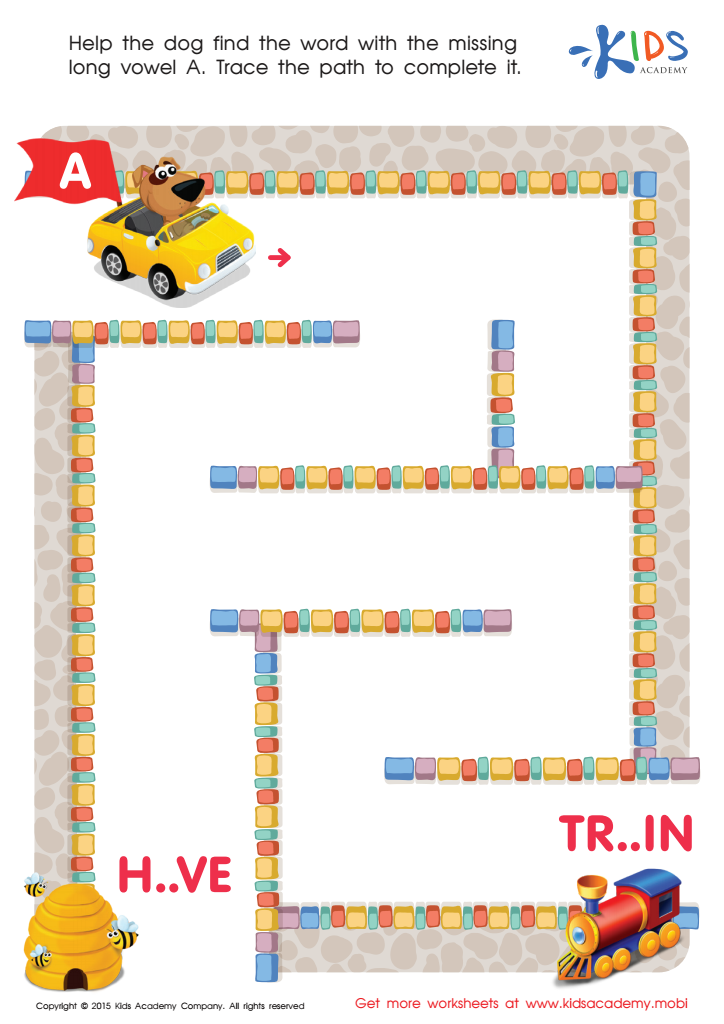
Long Vowel Sound A Worksheet
 Assign to My Students
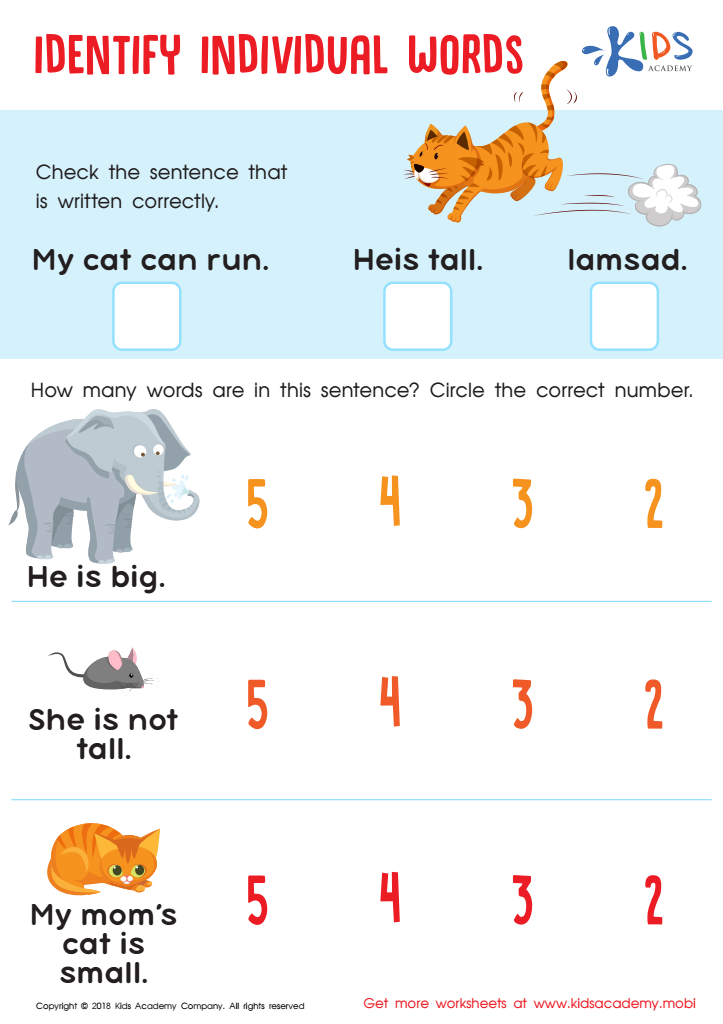
Identify Individual Words Worksheet
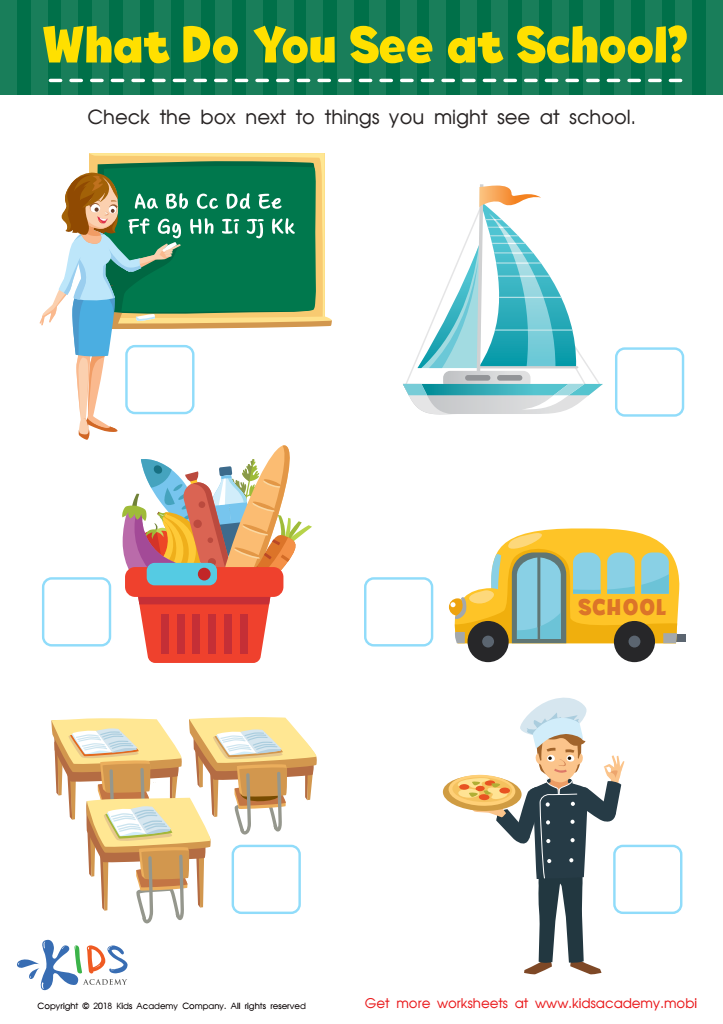
What Do you See at School? Worksheet
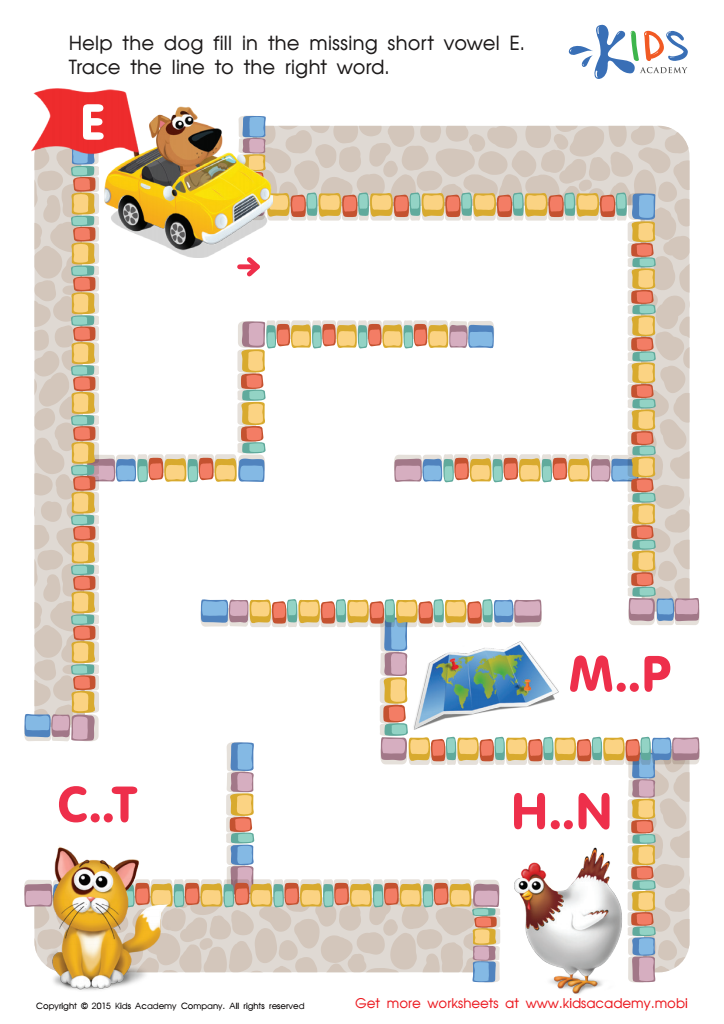
Short Vowel Sound E Worksheet
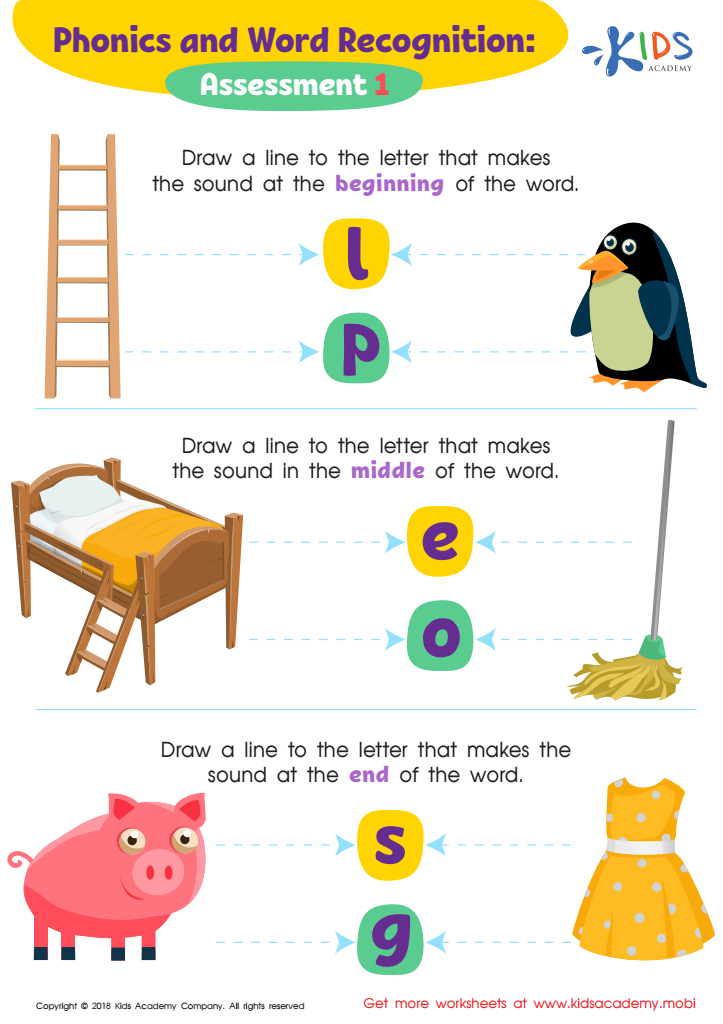
Phonics and Word Recognition: Assessment 1 ELA Worksheet







Word identification is a cornerstone of early literacy that sets the foundation for future academic success. When parents and teachers invest in developing word identification skills for 4-year-olds, they are fostering an essential skill that will benefit children throughout their educational journey. At this age, children are developing their phonemic awareness—the ability to hear, identify, and manipulate sounds in words—which is critical for reading proficiency.
Early word identification helps children to decode words more smoothly and to recognize words by sight, which improves reading fluency and comprehension. It enables them to make sense of sentences and texts, leading to more effective learning in all subjects. Additionally, it enhances their vocabulary, articulation, and overall communication skills, allowing them to express themselves more clearly and confidently.
Moreover, early success in reading boosts a child’s confidence and motivation, encouraging a love for learning and reducing the likelihood of future reading difficulties. When educators and parents focus on these skills through engaging, age-appropriate activities like reading aloud, playing word games, and interactive storytelling, they create a positive and supportive learning environment. This helps 4-year-olds develop not just academically, but socially and emotionally as well.
In essence, prioritizing word identification at an early age equips children with crucial tools for lifelong learning, setting them up for both academic and personal success.








