Number Recognition Addition & Subtraction Worksheets for 4-Year-Olds
419 filtered results
-
From - To
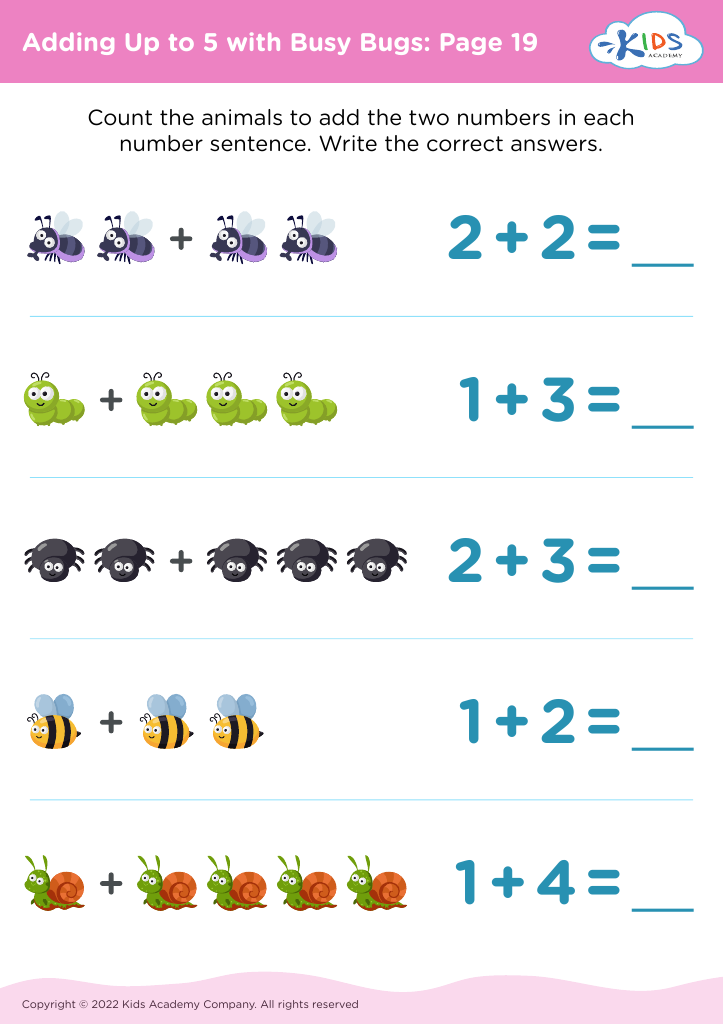
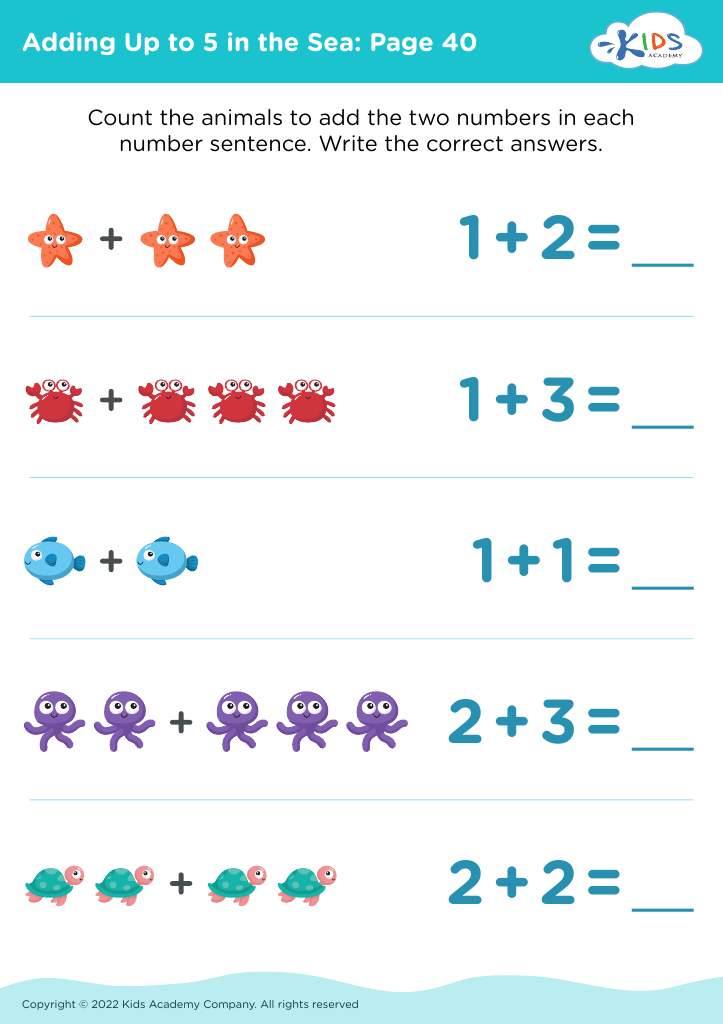
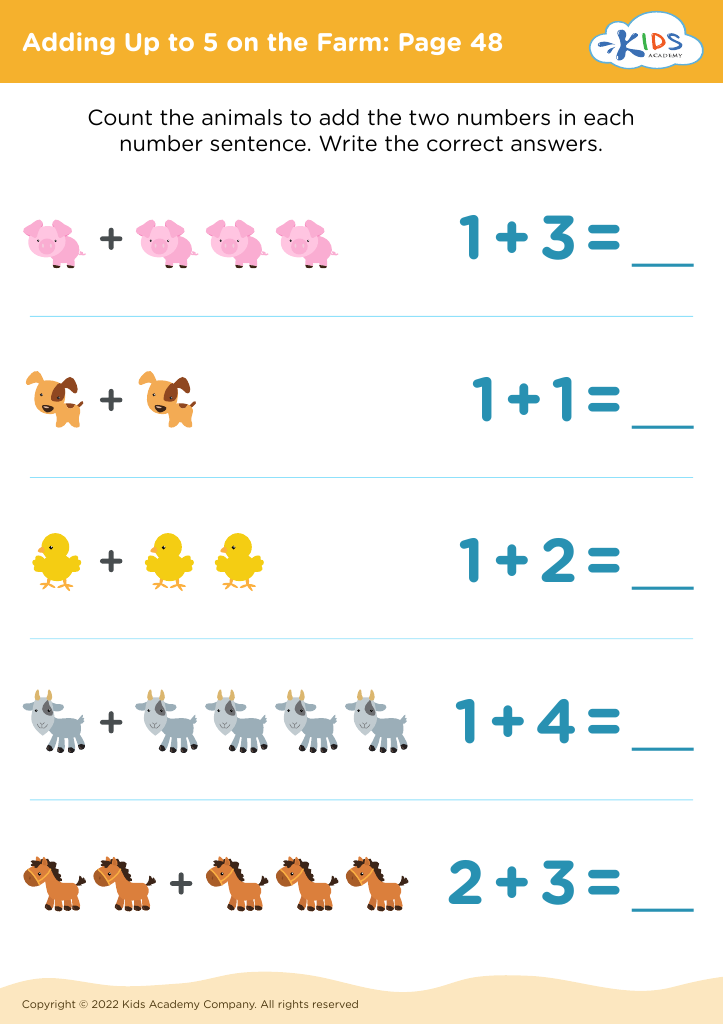
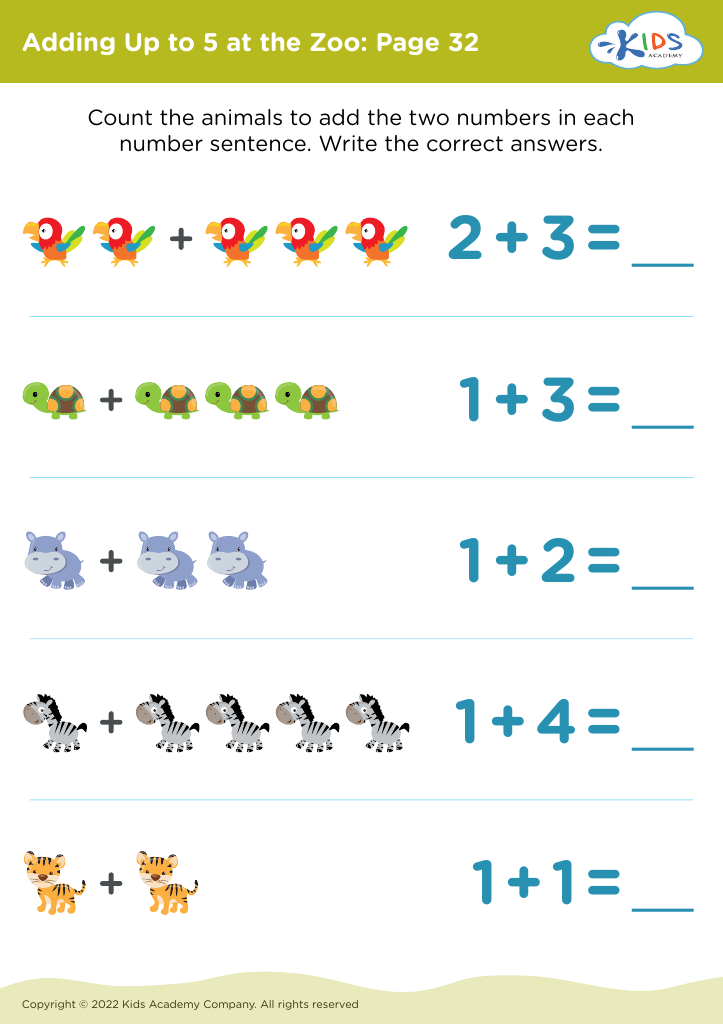
Enhance your child's early math skills with our Number Recognition Addition & Subtraction Worksheets, specially designed for 4-year-olds. These engaging and colorful worksheets help young learners recognize numbers while introducing basic addition and subtraction concepts. Tailored to spark curiosity and build confidence, our activities reinforce essential skills through fun exercises. Perfect for homeschooling or classroom settings, each worksheet supports developmental milestones in math and literacy. Watch your child thrive as they learn to identify numbers and solve simple math problems. Download our worksheets today and embark on an exciting educational journey that will lay the foundation for a lifelong love of learning!
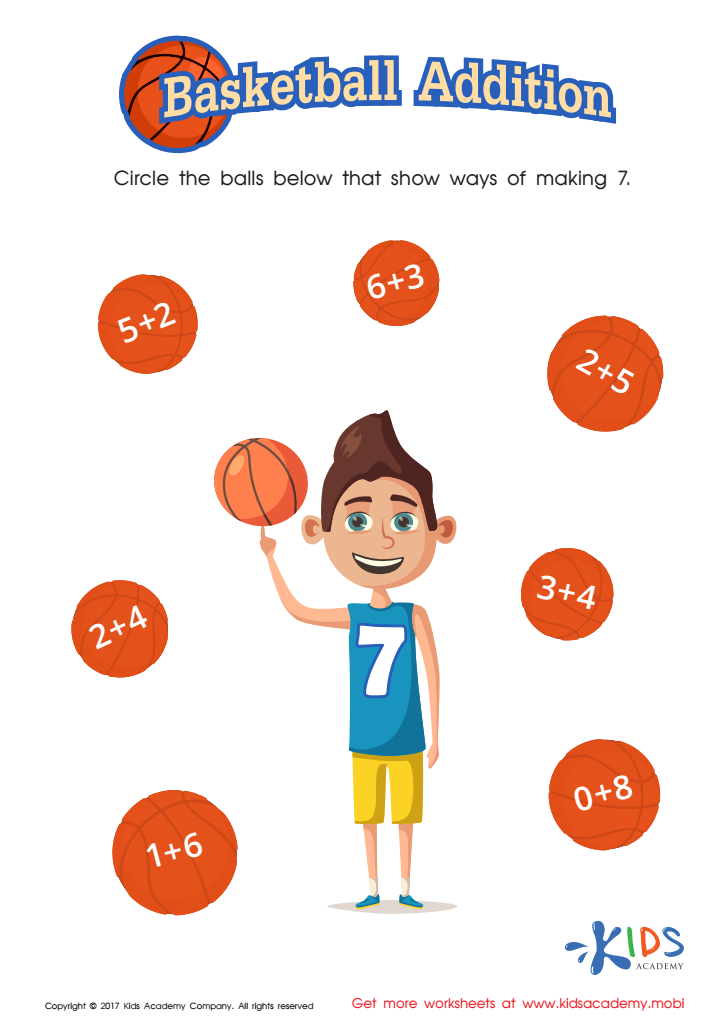
 Assign to My Students
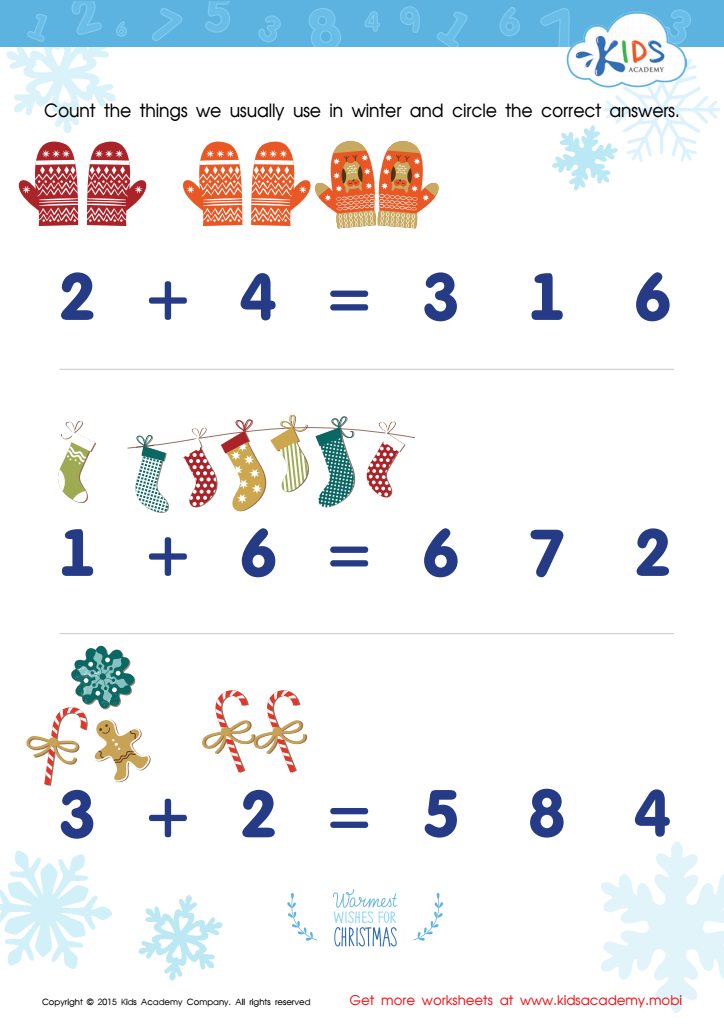
Count Winter Things Worksheet
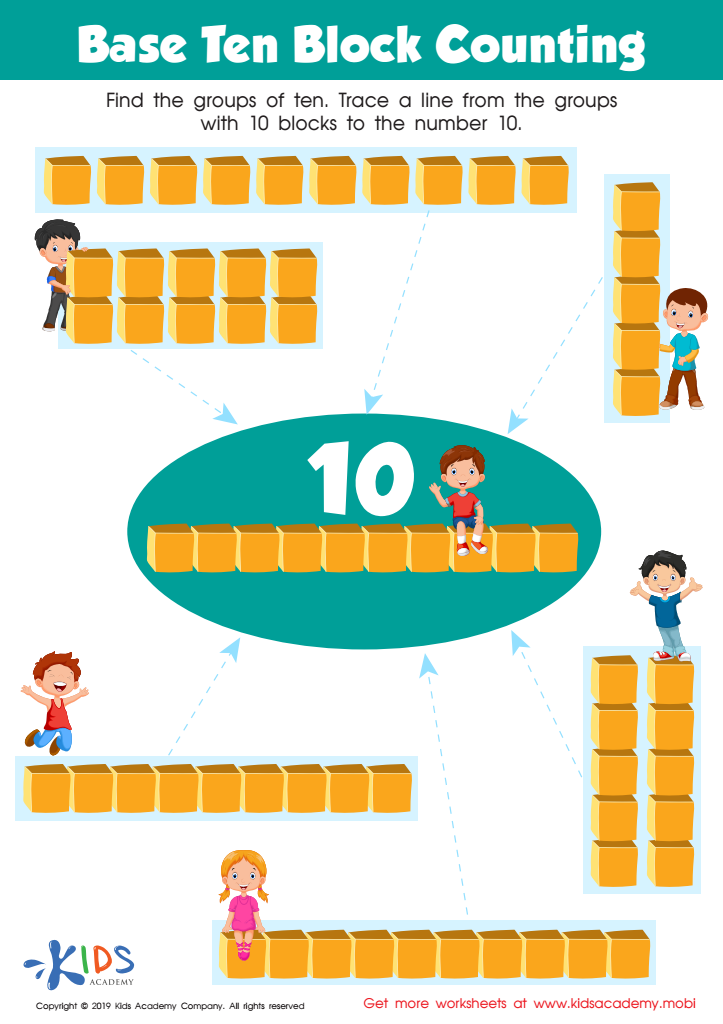
Base Ten Block Counting Worksheet
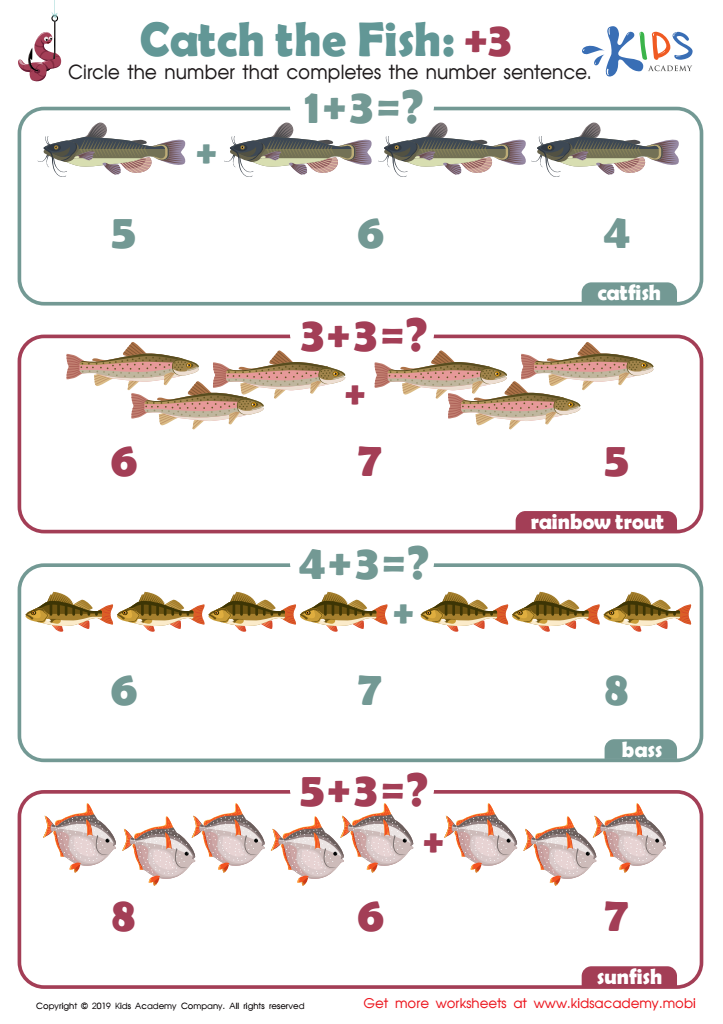
Catch the Fish: +3 Worksheet
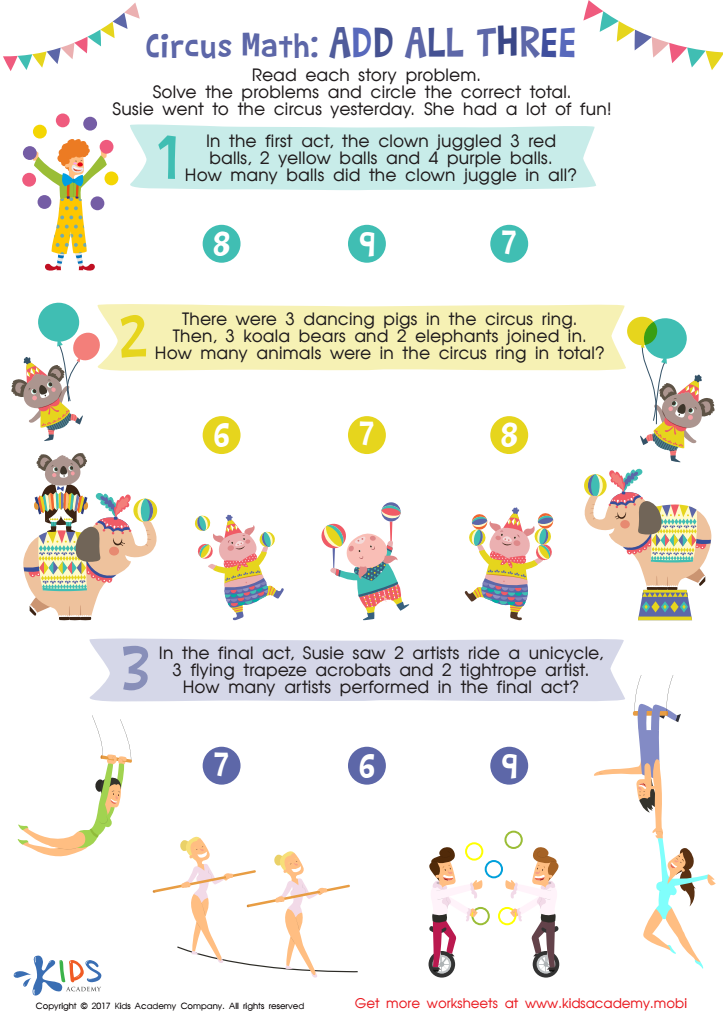
Circus Math Printable
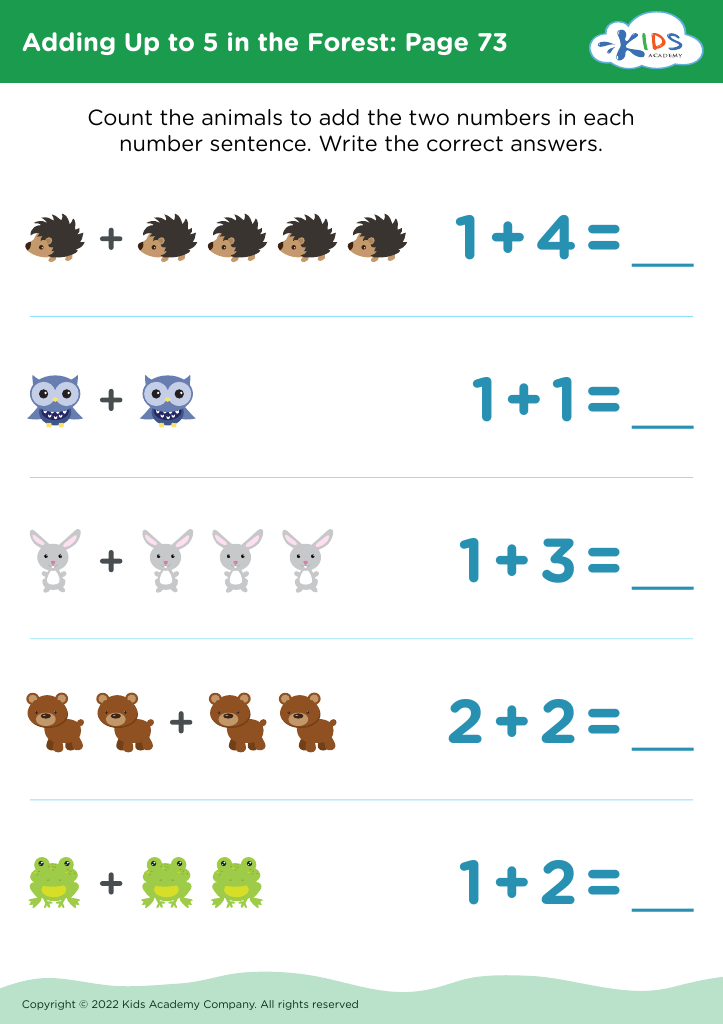
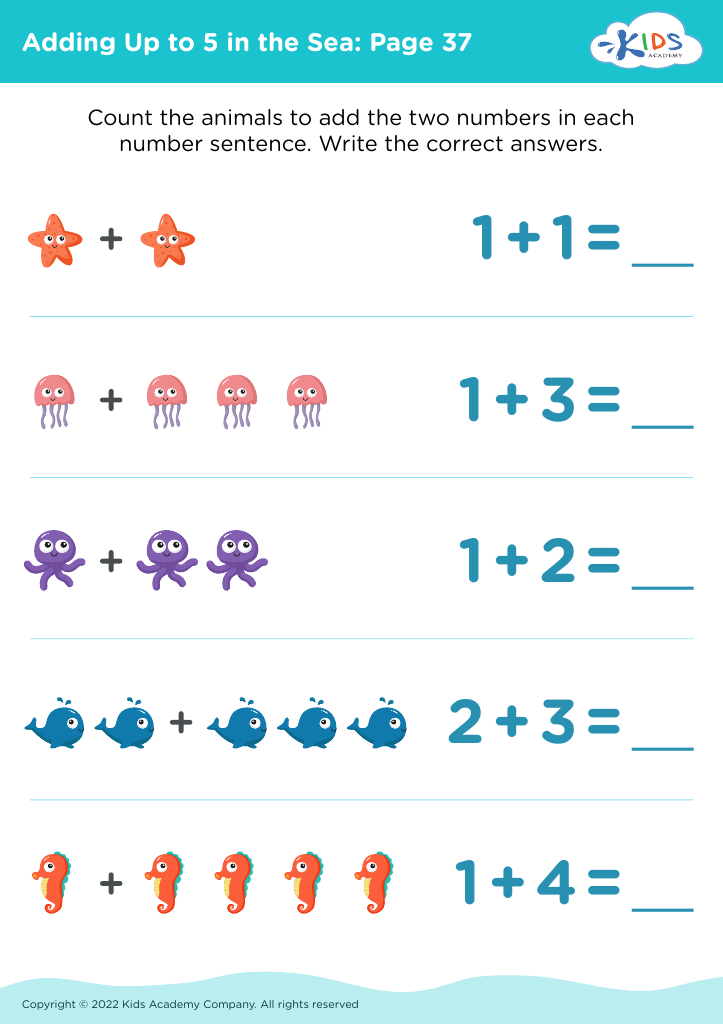
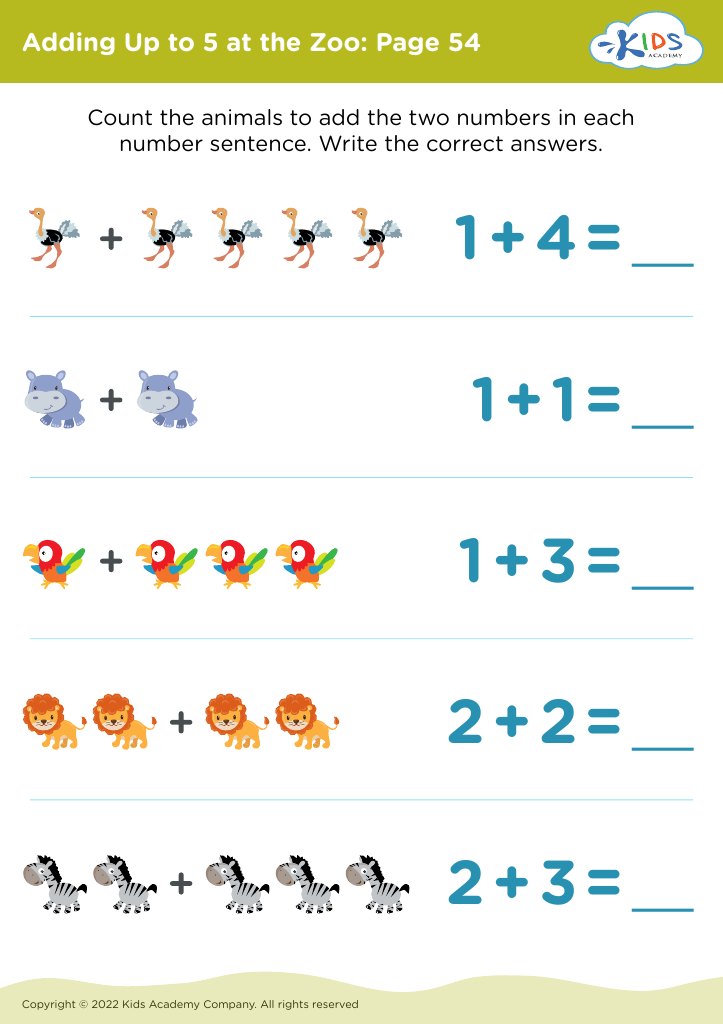
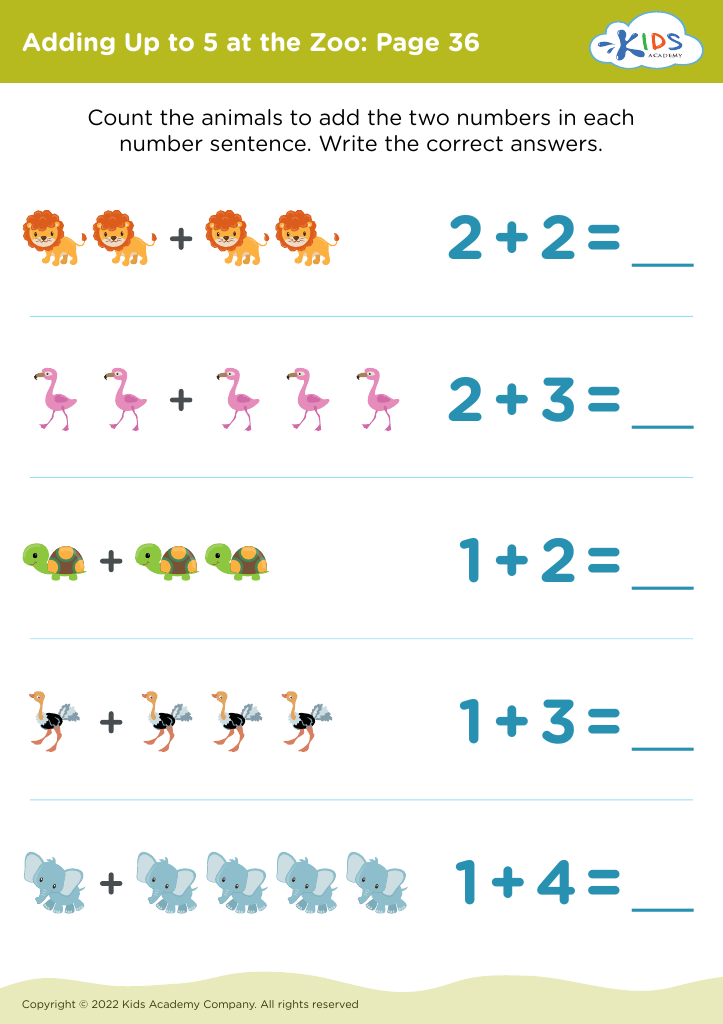
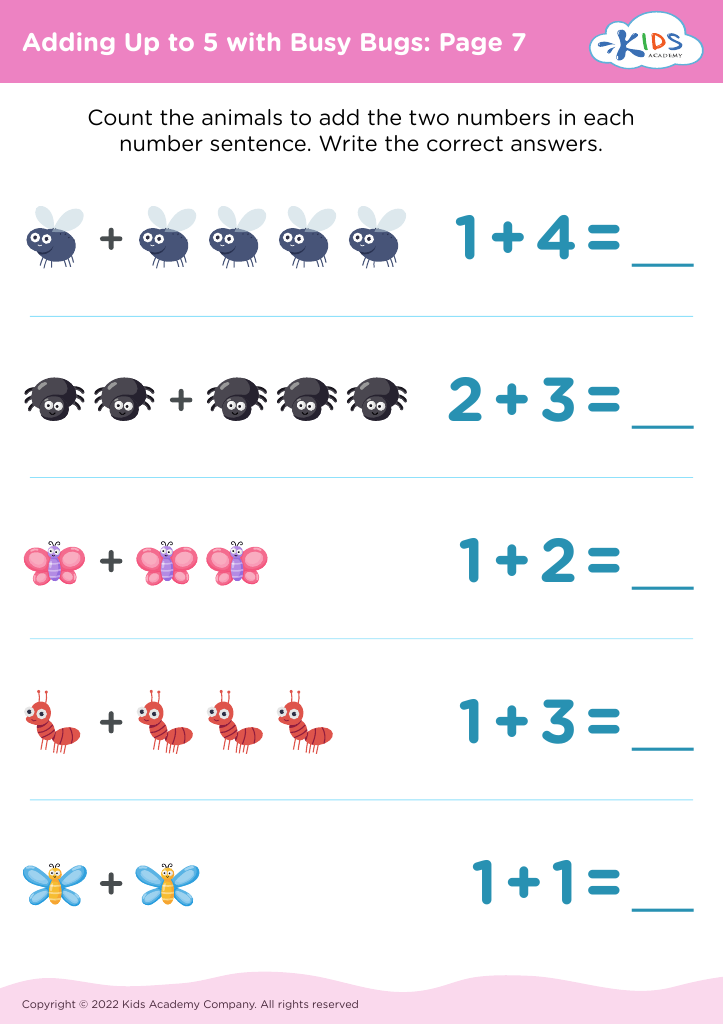
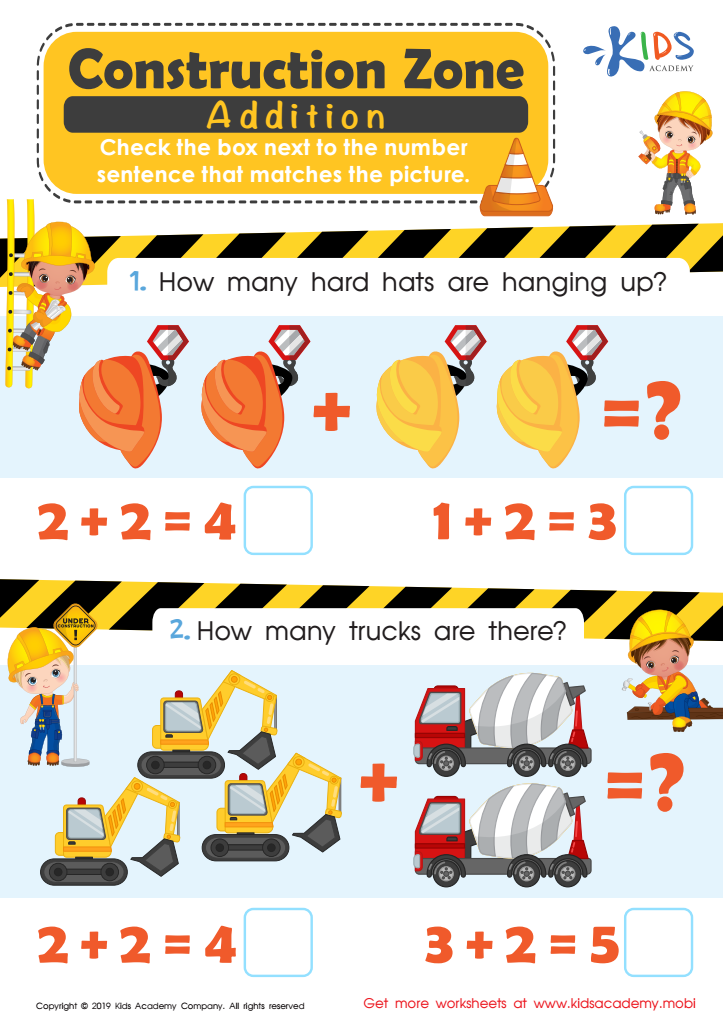
Construction Zone Addition Worksheet
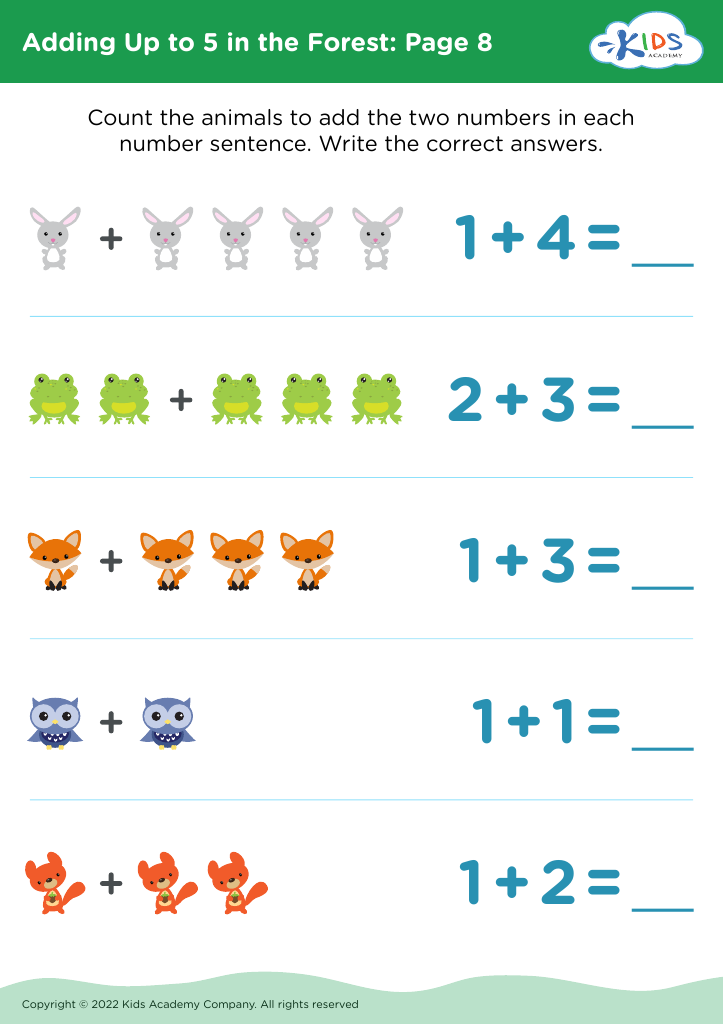
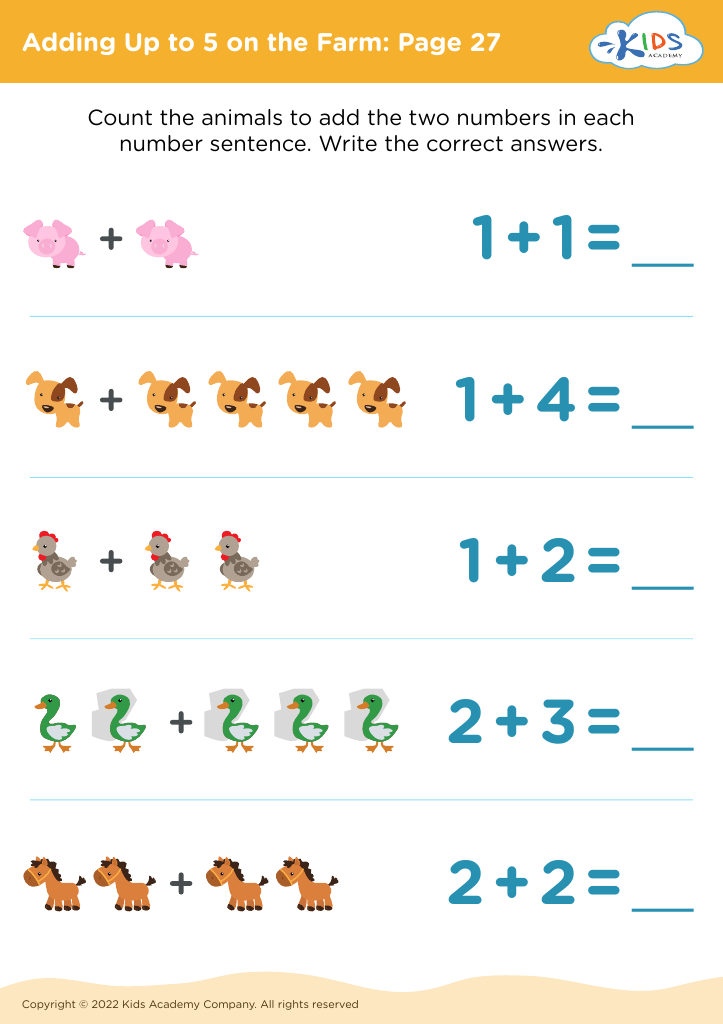
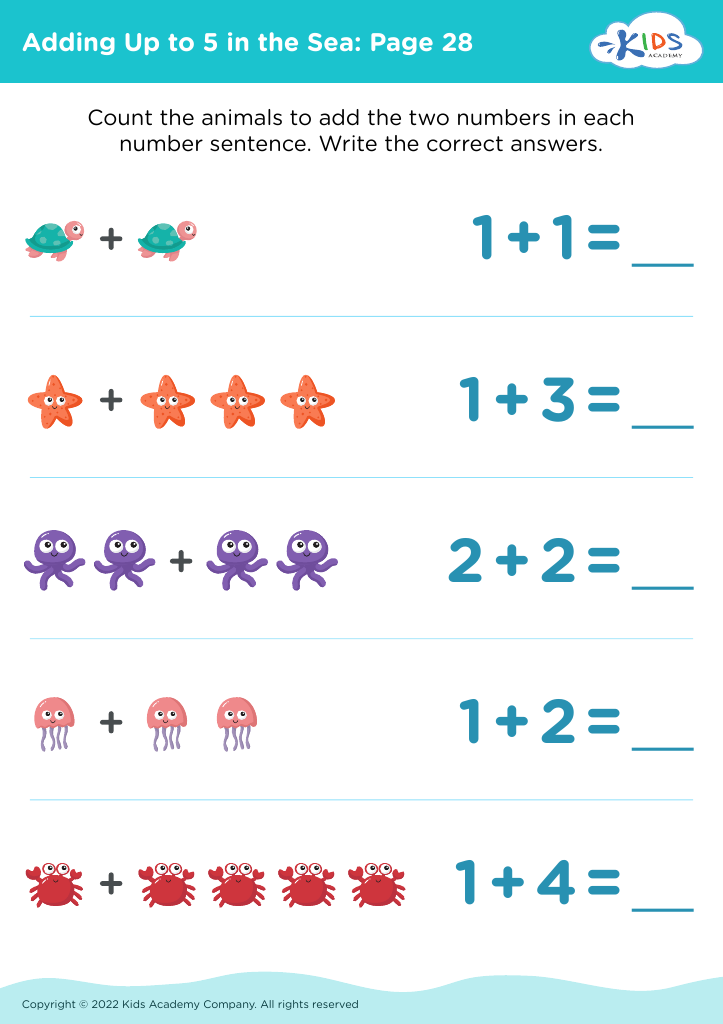
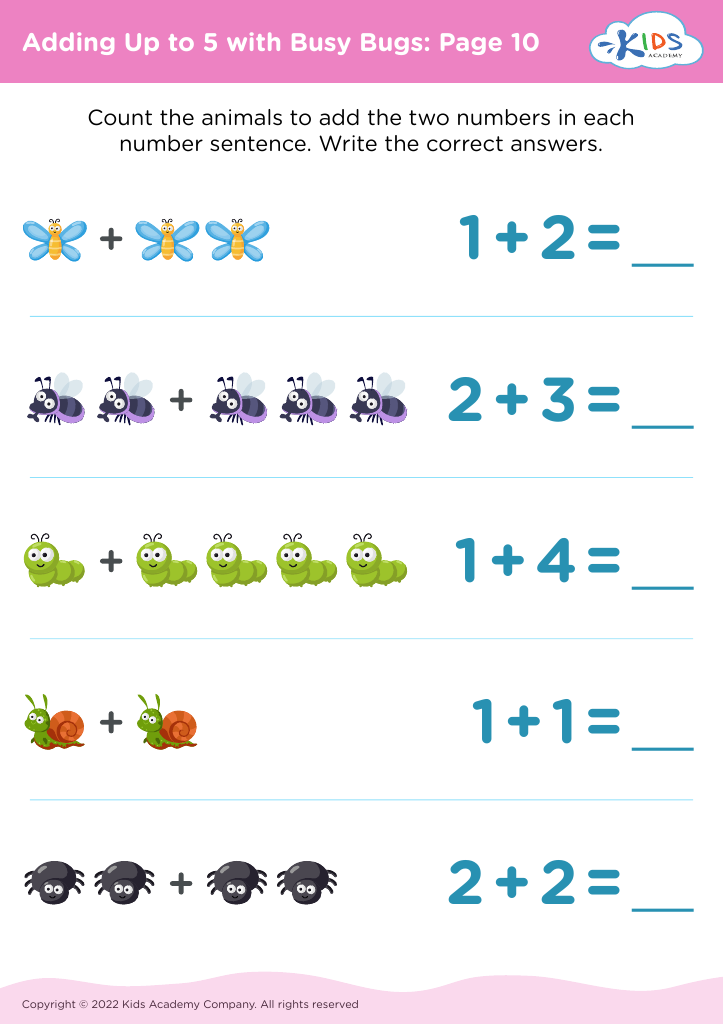
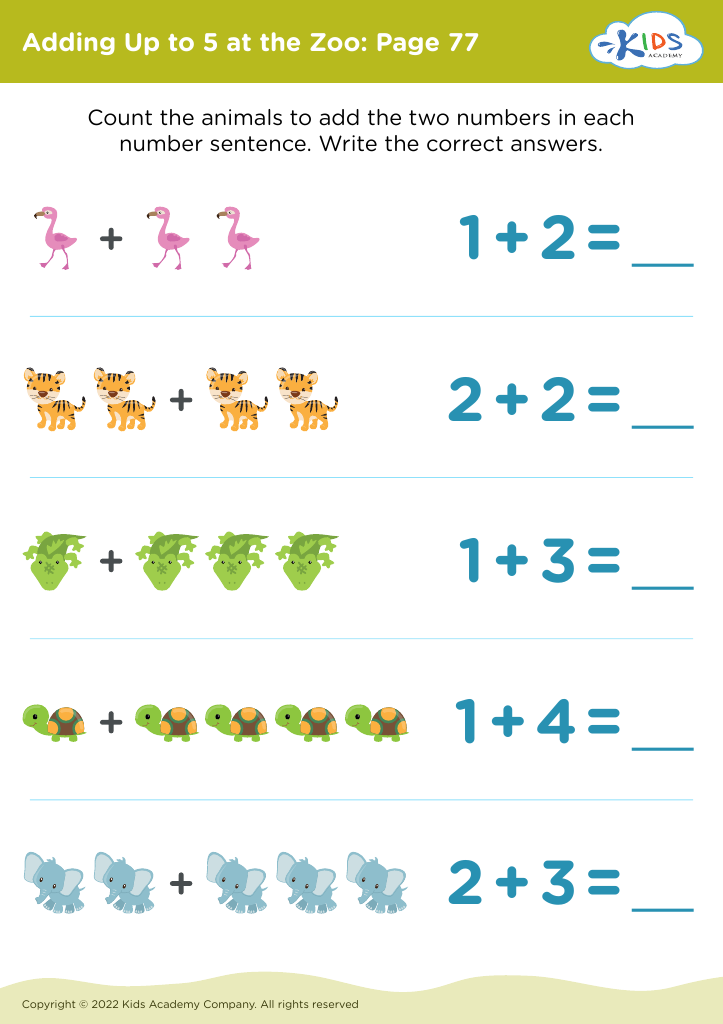
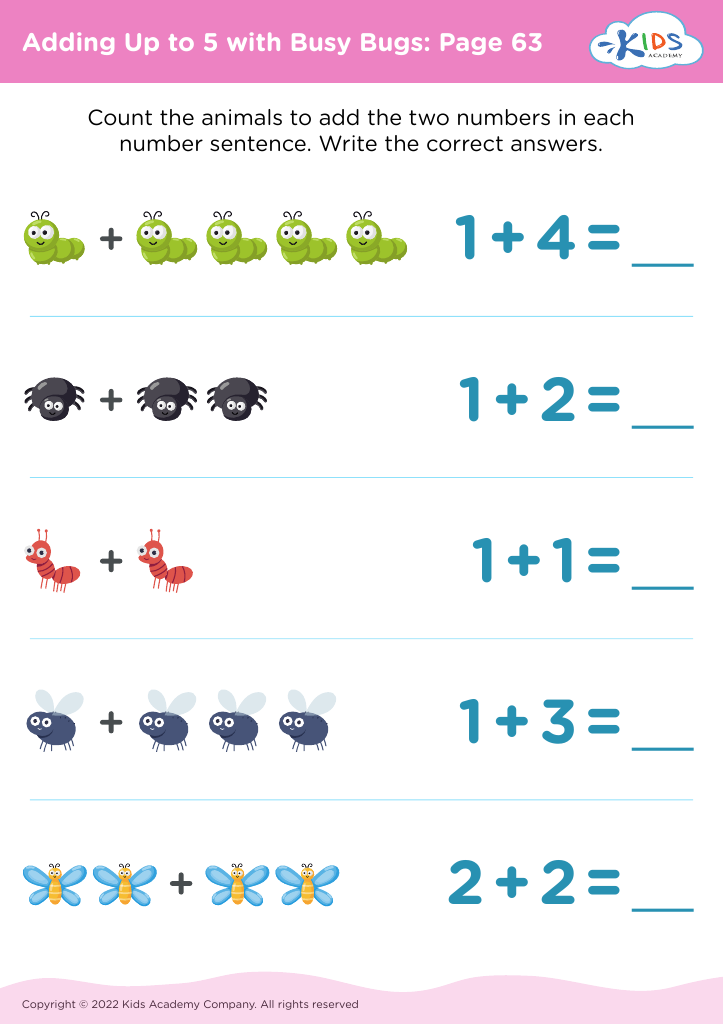
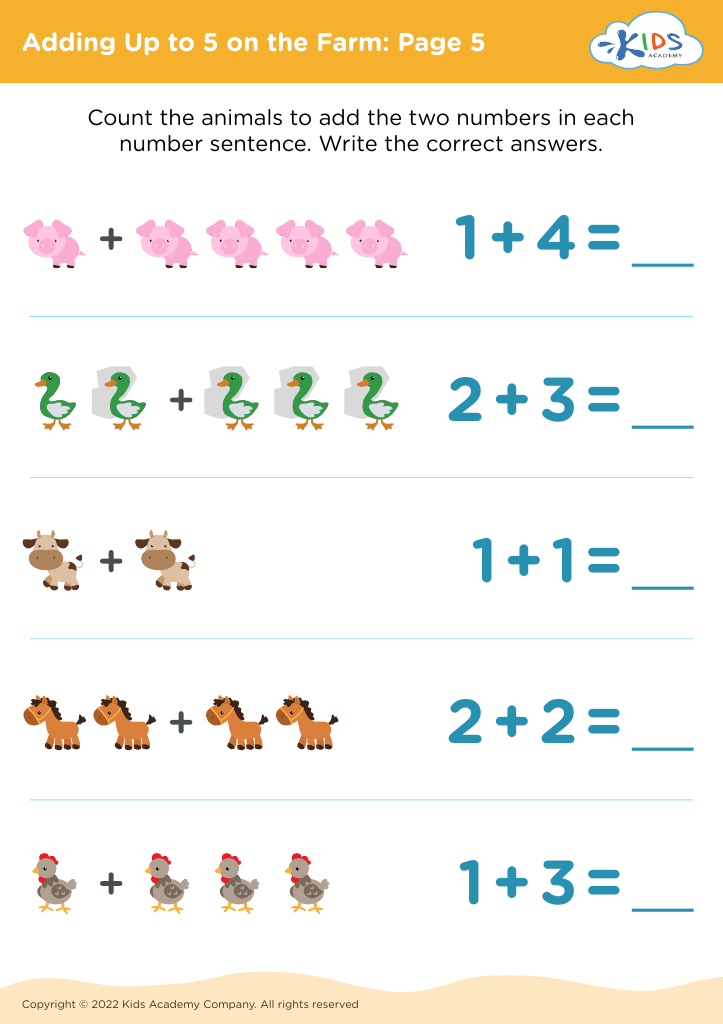
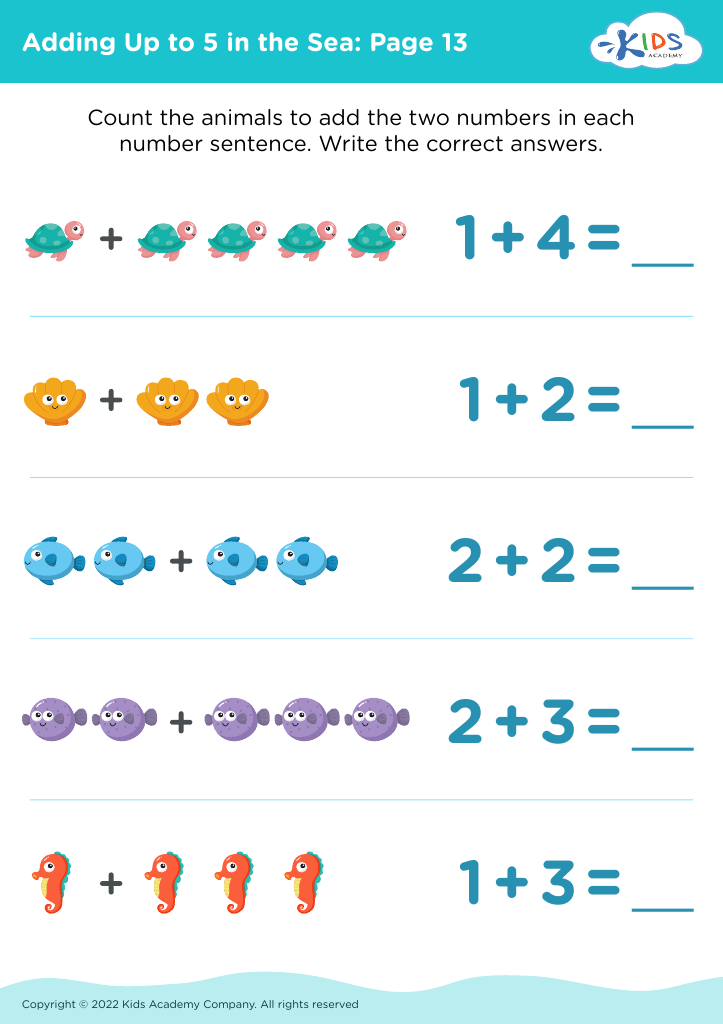
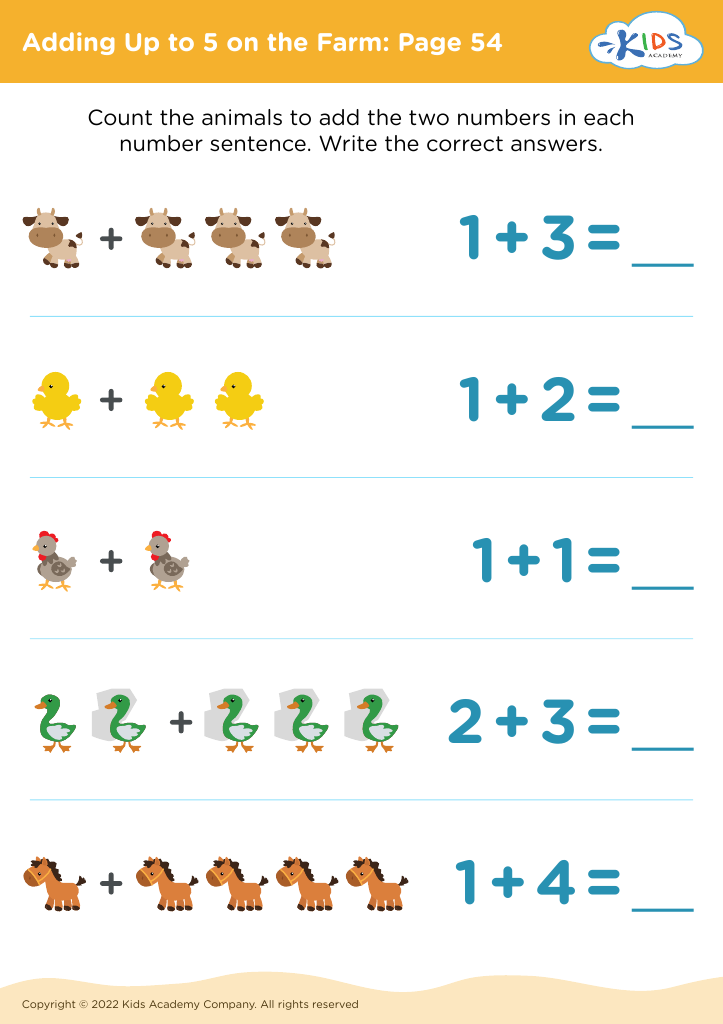








Number recognition, addition, and subtraction are foundational skills that play a crucial role in a child's early mathematical development. For 4-year-olds, this is a vital stage where they begin to understand and interact with numbers. Parents and teachers should care about these skills for several reasons.
Firstly, number recognition helps children identify and understand symbols, paving the way for future literacy and numeracy. This skill enhances their ability to count, compare quantities, and develop quantitative reasoning.
Secondly, introducing simple addition and subtraction fosters critical thinking and problem-solving skills. It encourages logical reasoning as children learn to manipulate numbers and recognize patterns. Engaging in these operations provides a practical context for kids to apply mathematical concepts in everyday situations, making learning more relatable and enjoyable.
Furthermore, early exposure to math concepts builds confidence. Children who grasp these skills early are more likely to view mathematics positively and be willing to tackle more complex problems later on. Ultimately, nurturing these abilities at a young age contributes to a strong foundation for lifelong learning, ensuring that children are well-equipped to succeed in school and beyond. Engaging parents and teachers in this process can set children on a path to academic achievement and a positive attitude towards mathematics.








