Animal recognition Numbers Worksheets for 4-Year-Olds
8 filtered results
-
From - To
Introduce your little learners to numbers with our delightful Animal Recognition Numbers Worksheets for 4-Year-Olds. These engaging printables combine colorful animal illustrations with foundational math skills, making learning numbers fun and effective. Perfectly designed for young minds, each worksheet captures attention and simplifies number recognition, counting, and sequencing. Help your preschooler develop essential math skills while exploring the exciting animal kingdom. Download our Animal Recognition Numbers Worksheets today and watch your child’s confidence and abilities grow as they embark on their numerical adventure!
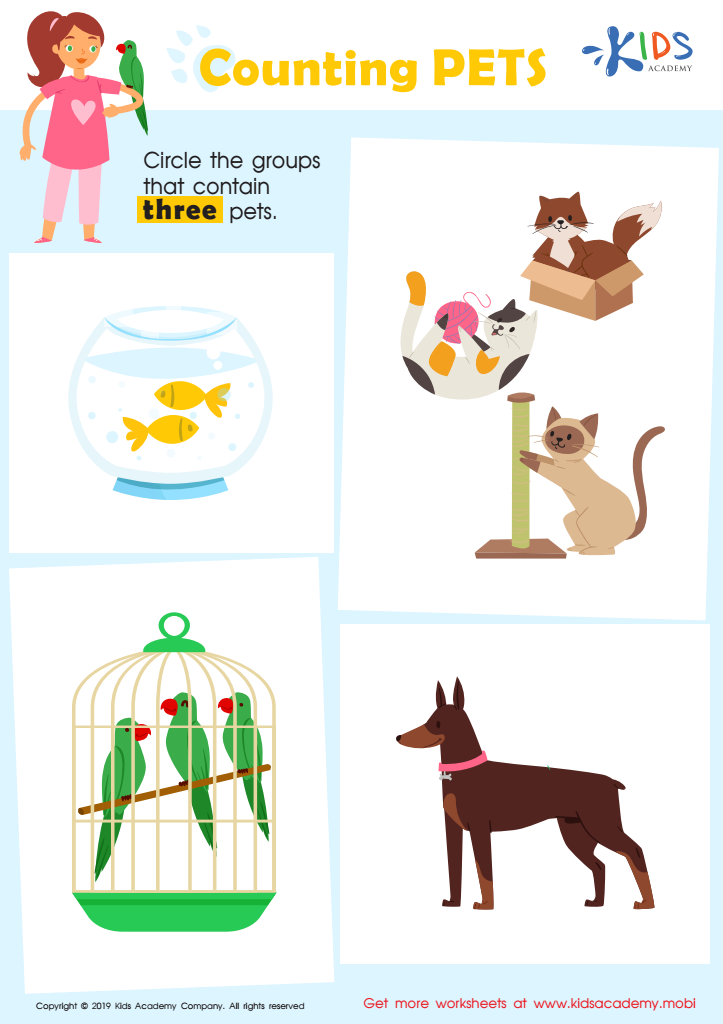
Counting Pets Worksheet
 Assign to My Students
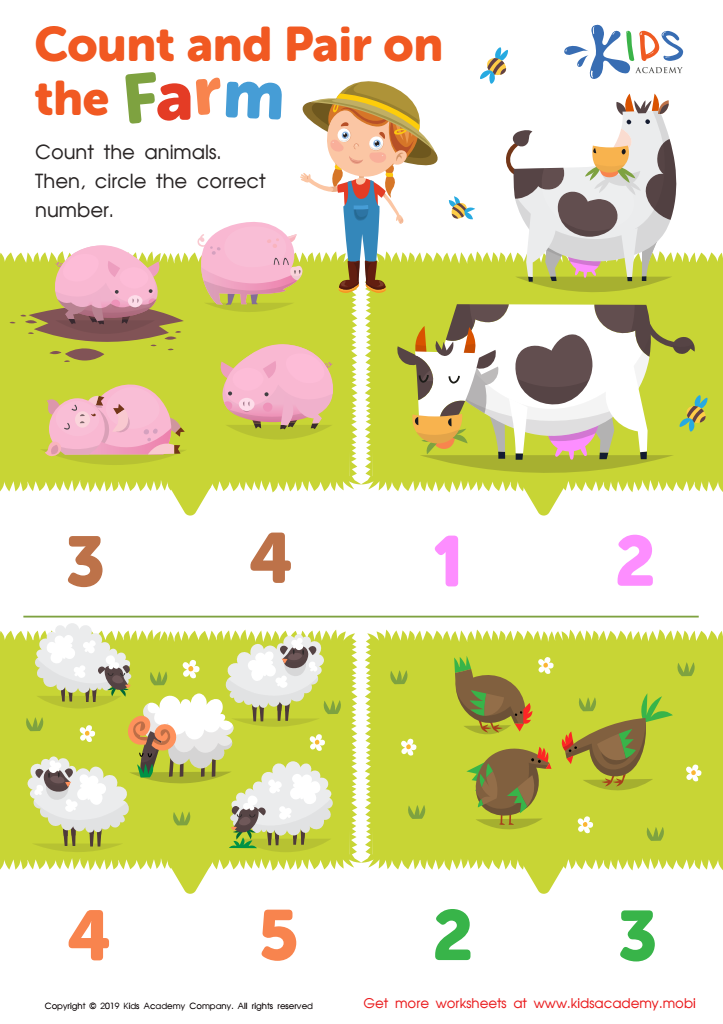
Count and Pair on the Farm Worksheet
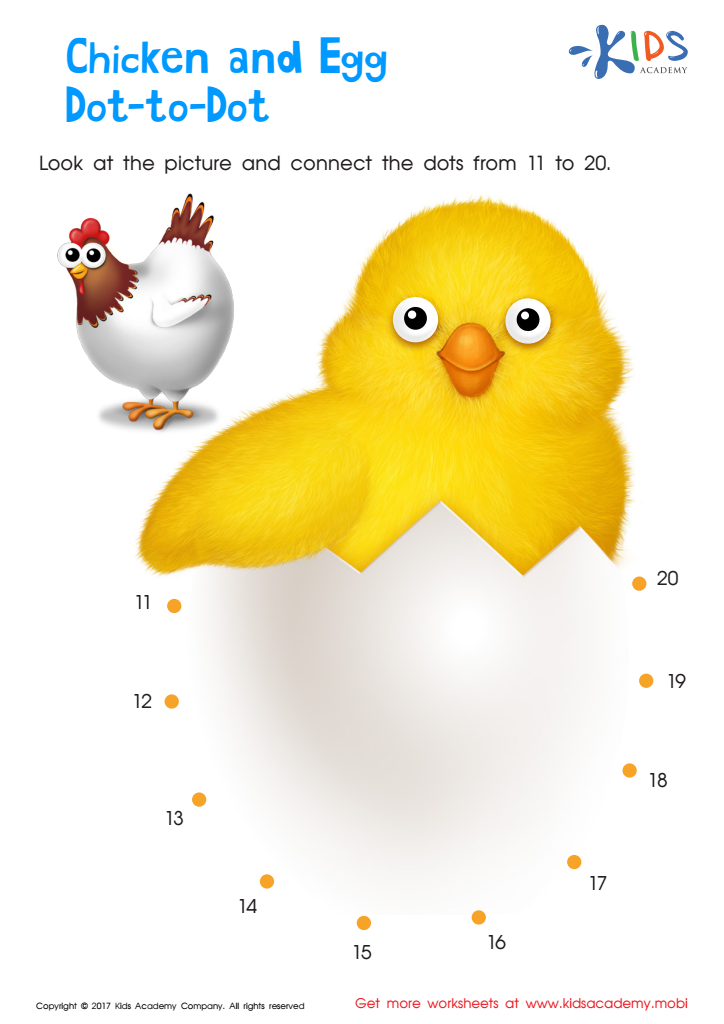
Ordering 11–20: Chicken & Egg Dot–to–dot Worksheet
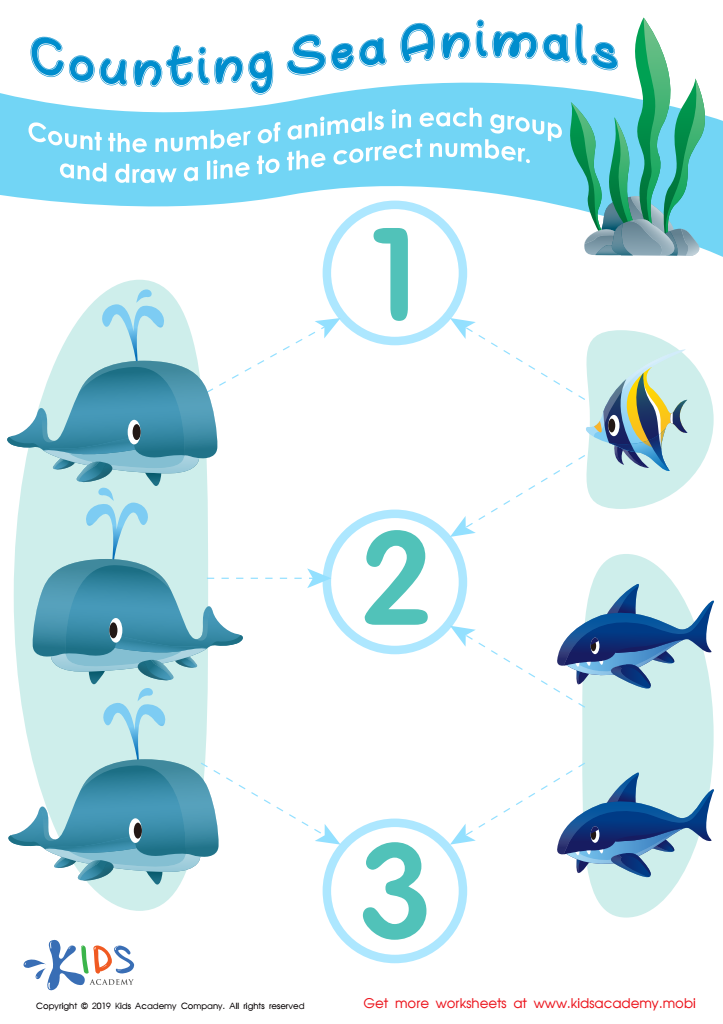
Counting Sea Animals Worksheet
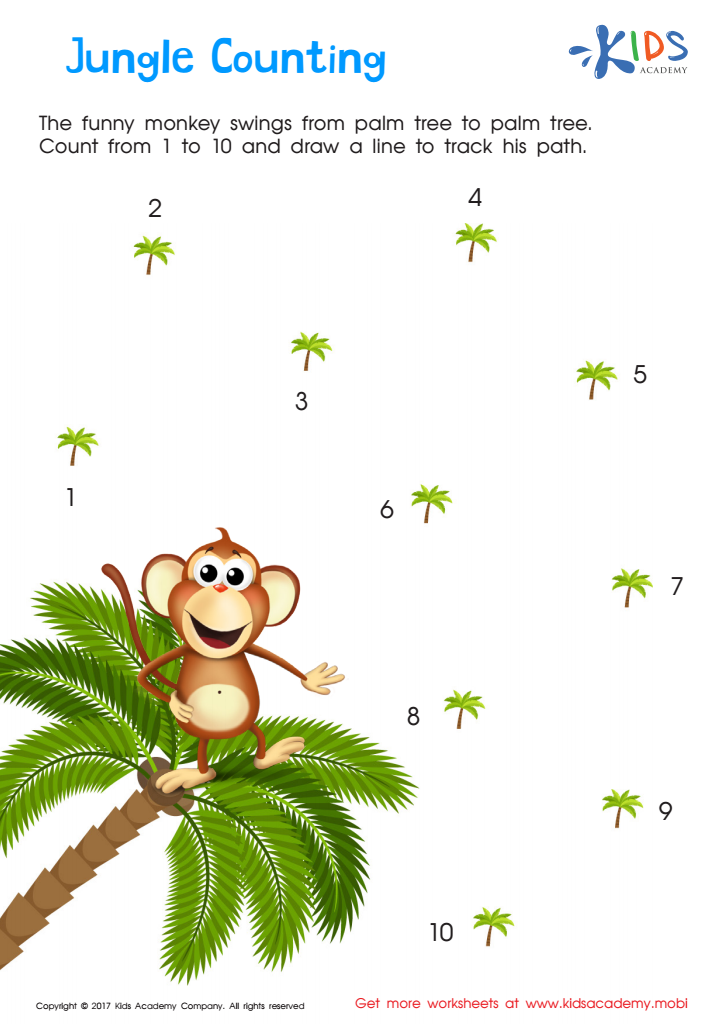
Jungle Counting Connect Dots Worksheet
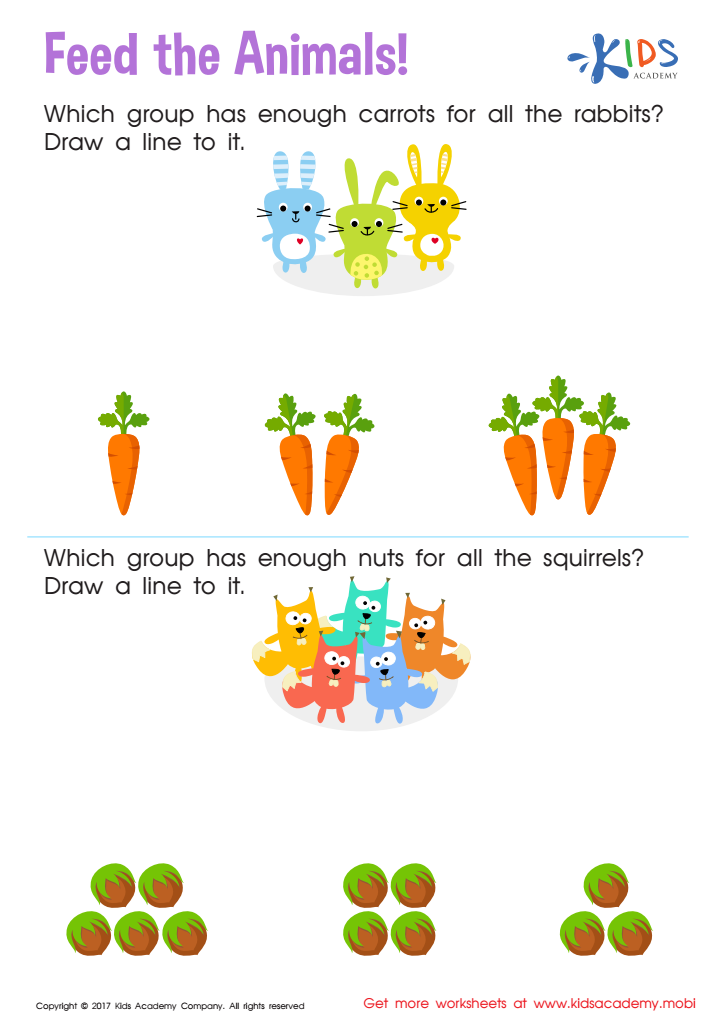
Count and Match: Feed the Animals Worksheet
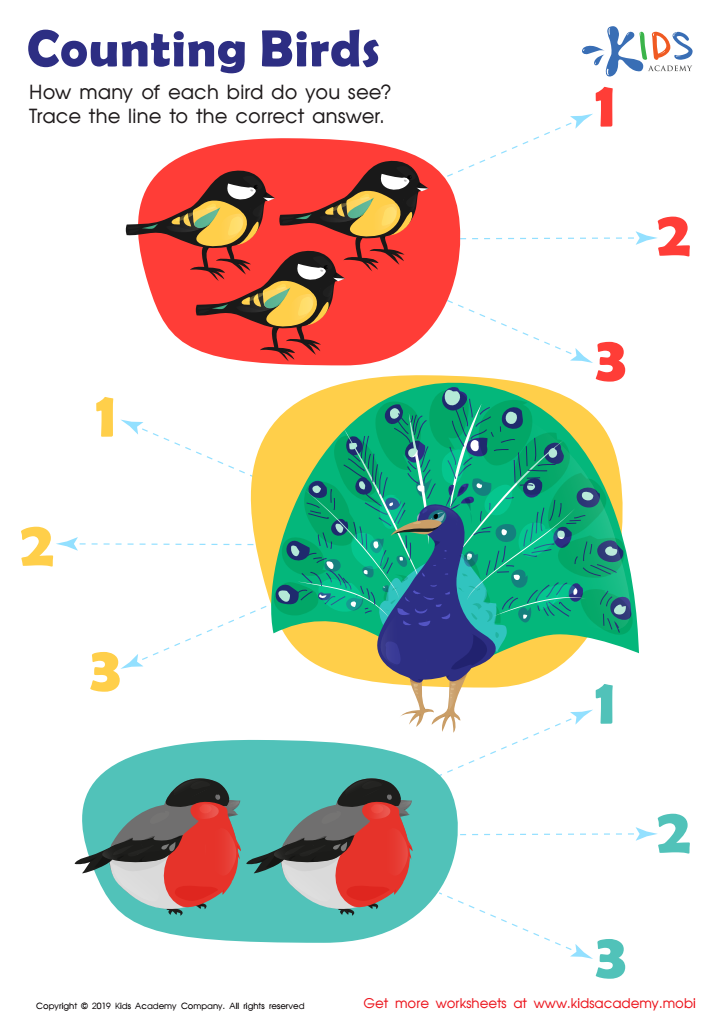
Counting Birds Worksheet
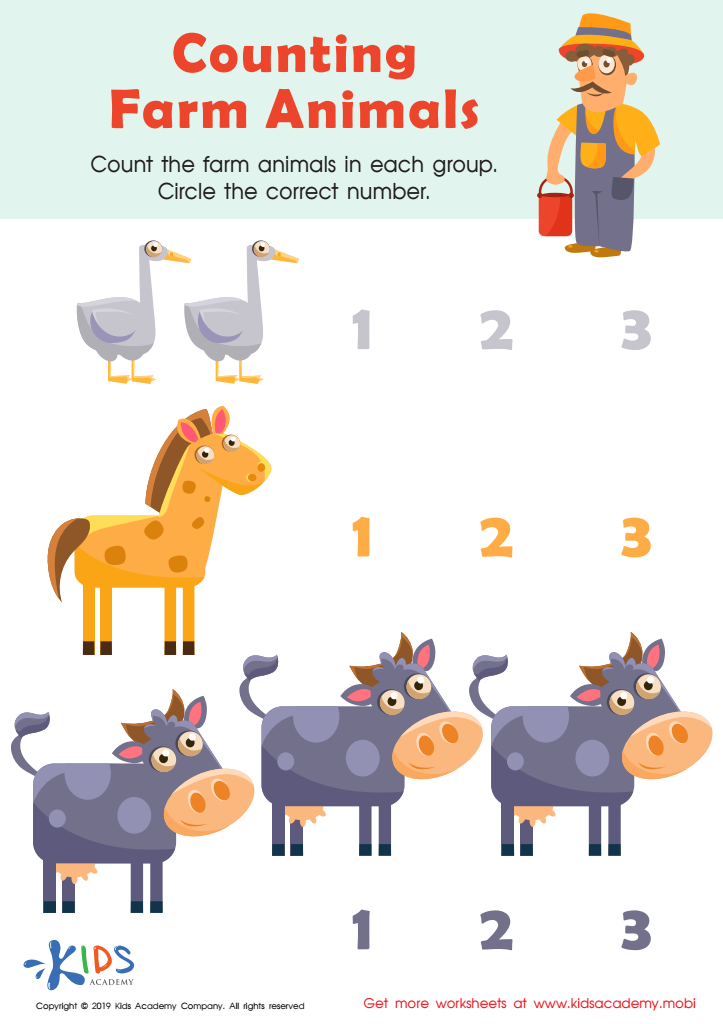
Counting Farm Animals Worksheet








Animal recognition and number skills are pivotal in the development of 4-year-olds, serving as foundational elements for cognitive and educational growth. Parents and teachers should prioritize these skills as they facilitate critical early learning milestones.
Recognizing animals enriches a child's vocabulary and enhances their observational skills. Through this activity, children learn to categorize and identify similarities and differences among various species, fostering their understanding of the natural world. This kind of early education fosters curiosity, empathy, and a sense of connectedness to the environment. For instance, recognizing a lion and a cat as distinct yet related animals broadens a child's comprehension of animal life.
On the other hand, understanding numbers prepares young learners for math skills that are crucial throughout their education. Counting animals or associating quantities with pictures can make abstract numerical concepts more concrete. This can also lay the groundwork for basic arithmetic skills, like addition and subtraction, in a playful, engaging manner. For example, counting five sheep on a farm picture allows children to grasp the idea of "five" as a quantity.
Blending animal recognition with number skills creates a holistic learning experience. It nurtures cognitive development, linguistic abilities, and quantitative understanding, setting a robust foundation for future academic success and life-long learning. Parents and teachers who engage in these activities are providing children with tools to thrive in numerous educational domains.








