Logical thinking Math Worksheets for 4-Year-Olds
9 filtered results
-
From - To
Discover our engaging Logical Thinking Math Worksheets designed specifically for 4-year-olds at Kids Academy. These interactive and age-appropriate worksheets foster early mathematical skills and critical thinking in a fun way. Your little ones will develop problem-solving abilities using puzzles, patterns, and sorting activities that build a solid foundation for future learning. The worksheets capture their interest with colorful illustrations and relatable themes. Ideal for both classroom and home learning, they provide a rewarding experience that keeps young minds active and nurtures a love for math from an early age. Try our worksheets and see your child’s confidence soar!
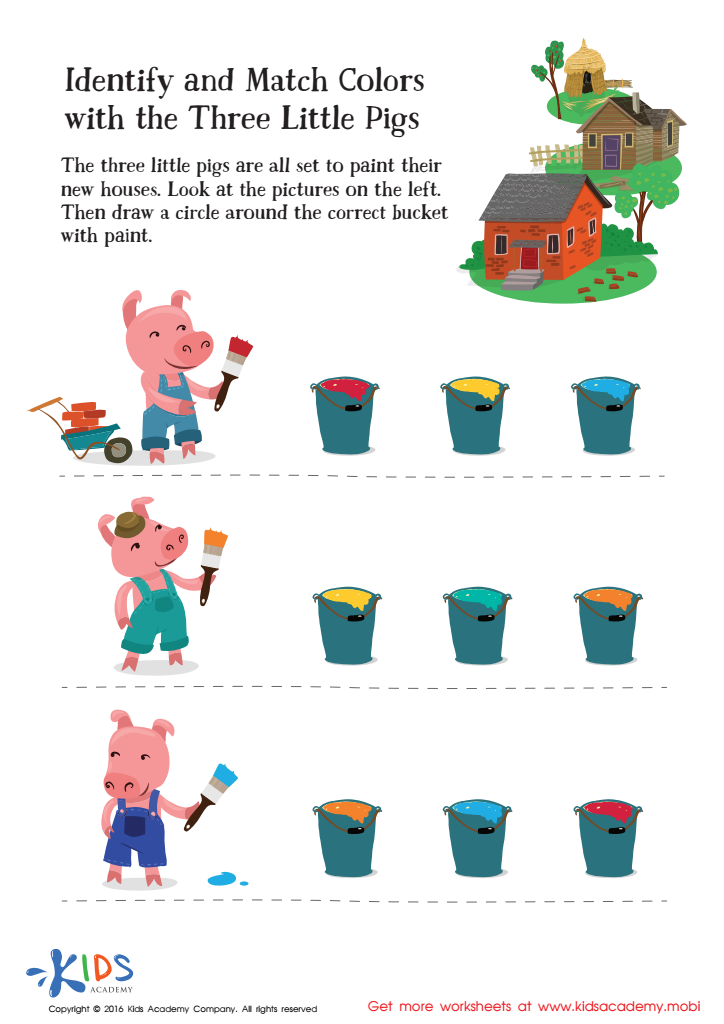
Fairy Tale Worksheet: Identify and Match Colors with Three Little Pigs
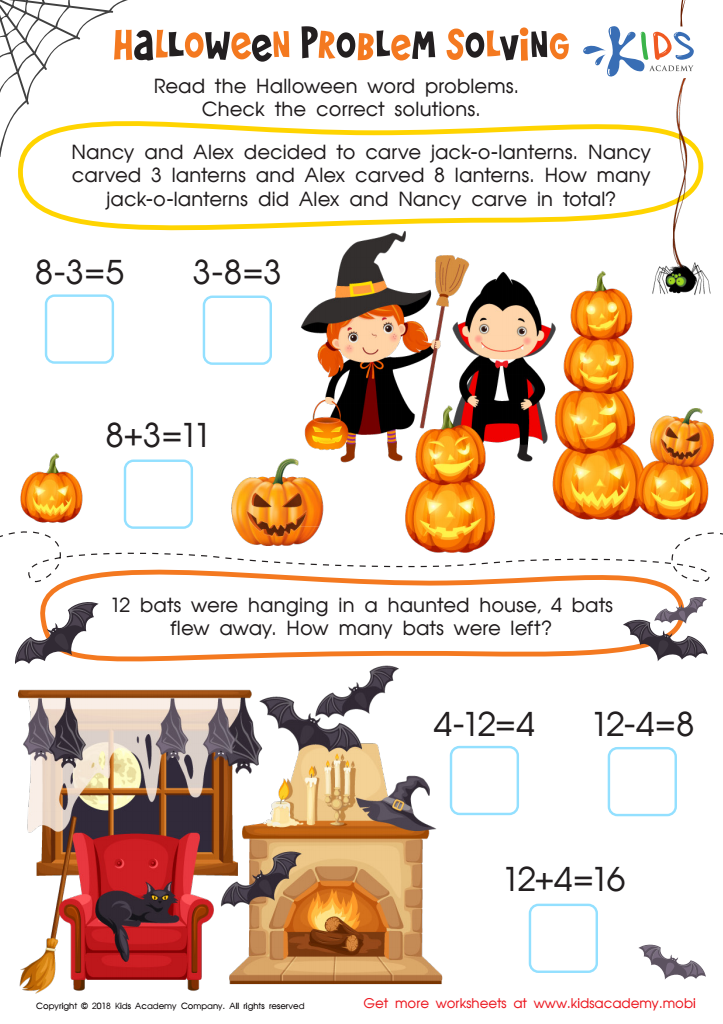
Halloween Problem Solving Worksheet
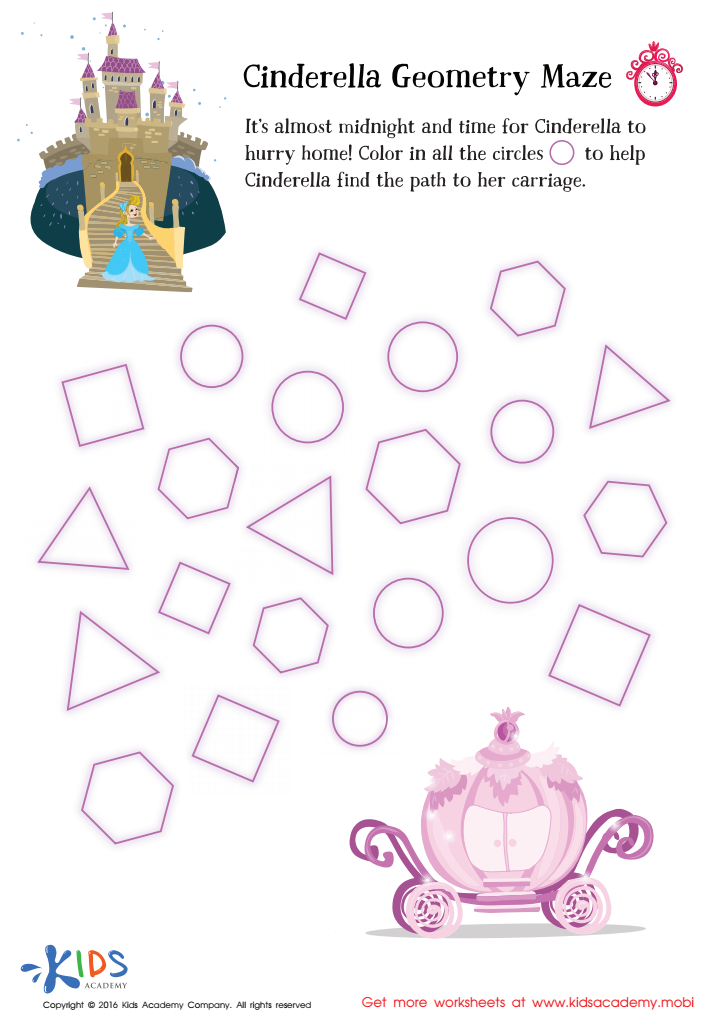
Cinderella Geometry Maze Worksheet
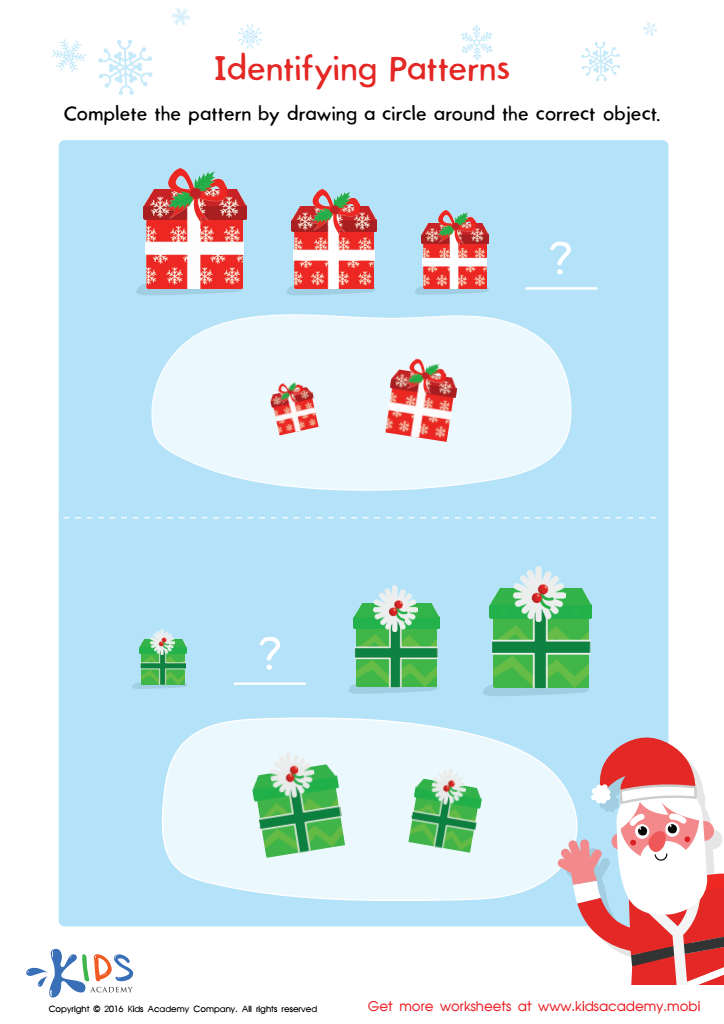
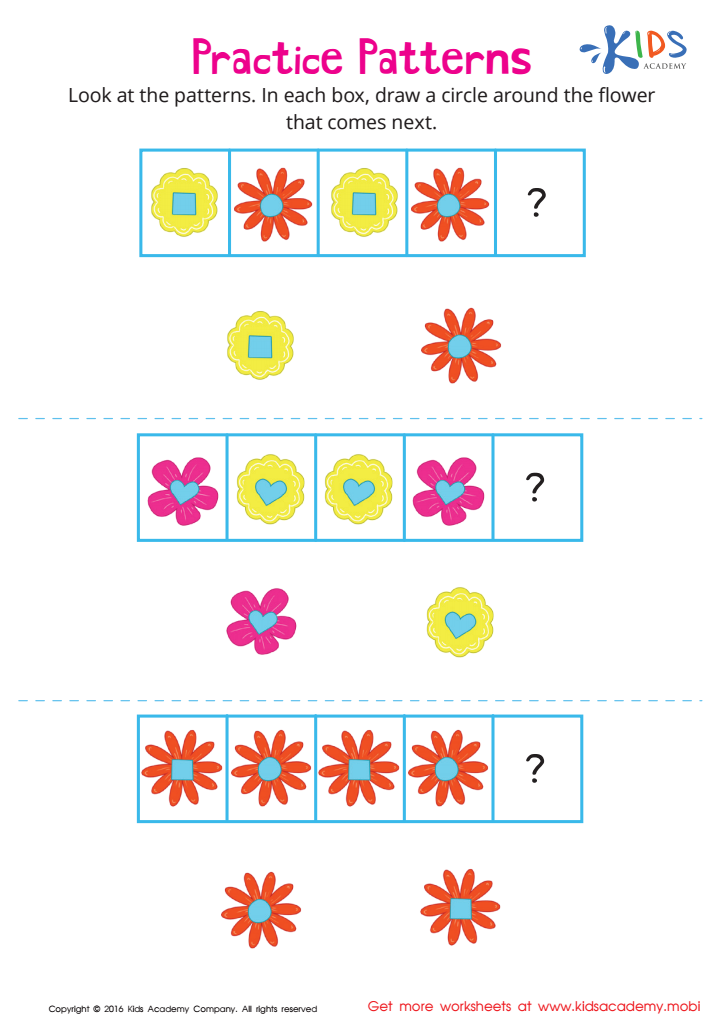
Identifying Patterns Worksheet
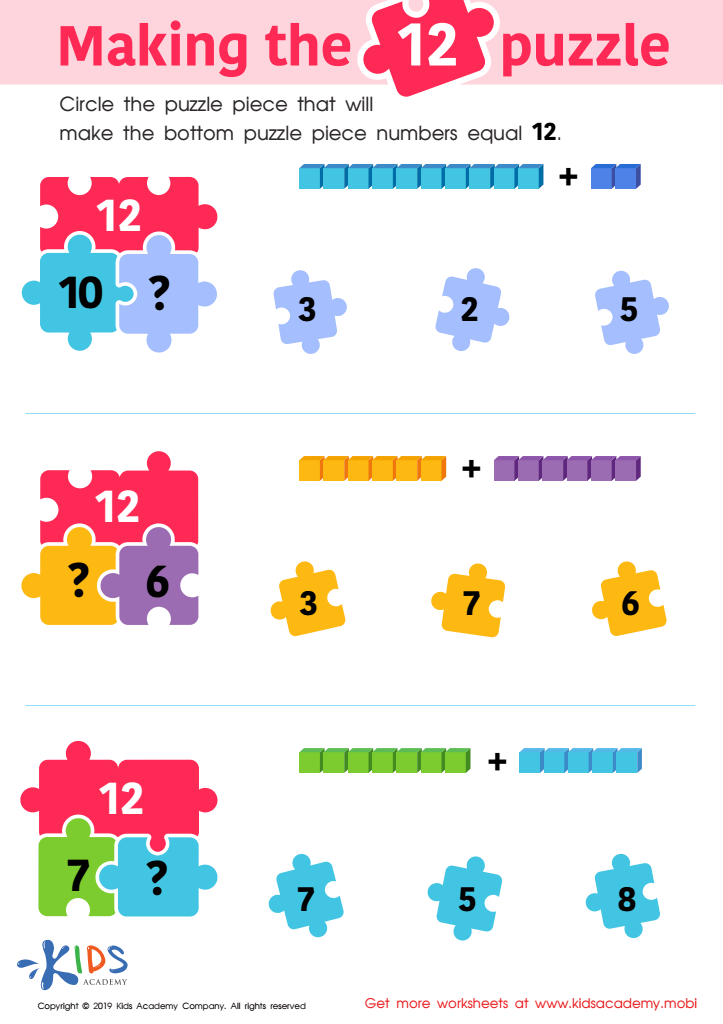
Making the 12 Puzzle Worksheet
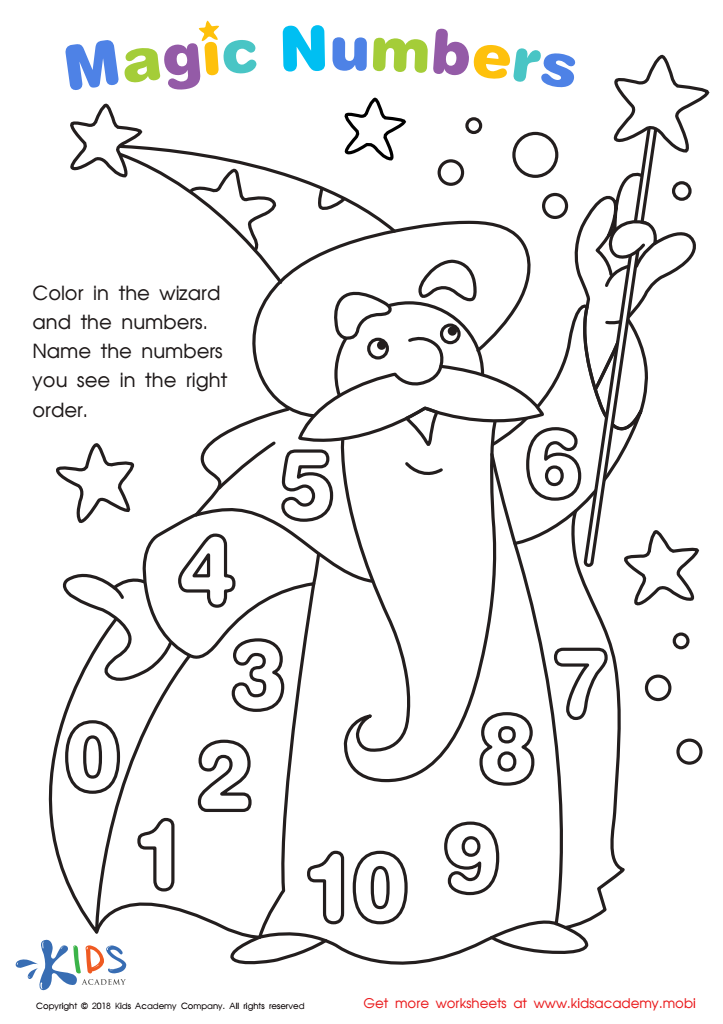
Magic Numbers Worksheet
 Assign to My Students
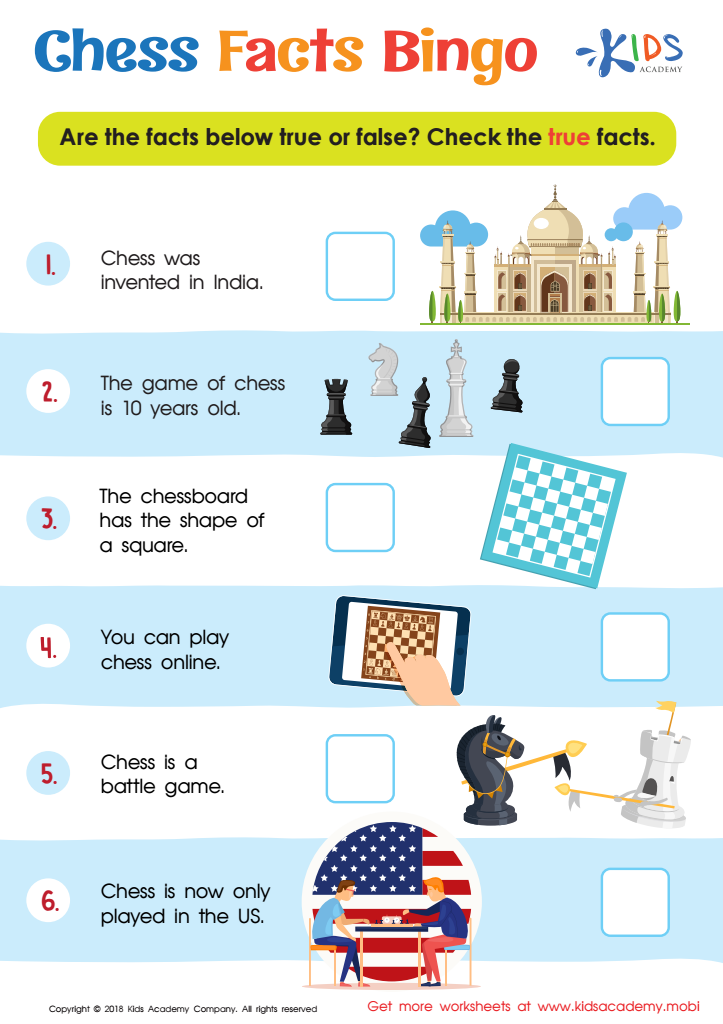
Chess Facts Bingo Worksheet

Transportation: Steps Worksheet








Parents and teachers should care about fostering logical thinking and math skills in 4-year-olds as these early cognitive abilities lay the groundwork for future academic success and everyday problem-solving. At this critical age, children's brains are exceptionally receptive to learning and forming connections. Introducing logical thinking through basic math concepts, like counting, sorting, and recognizing patterns, helps young minds develop crucial reasoning skills. These skills, in turn, enhance their ability to understand and interact with the world logically.
Logical thinking in early math also supports language development. As children learn to count, compare sizes, and recognize shapes, they acquire the vocabulary and cognitive structure needed to articulate their thoughts clearly and understand complex instructions. Moreover, early exposure to math promotes confidence, reduces math anxiety, and fosters a positive attitude toward learning.
Additionally, understanding basic logical patterns is foundational for STEM (Science, Technology, Engineering, and Mathematics) education. As technology becomes increasingly integrated into daily life, fluency in foundational math concepts equips children with the critical thinking skills required for future careers.
Therefore, nurturing logical thinking in early childhood not only boosts academic performance but also equips children with practical life skills, setting them up for lifelong success and adaptability.








