Word Recognition Math Worksheets for 4-Year-Olds
5 filtered results
-
From - To
Enhance your child's learning journey with our engaging Word Recognition Math Worksheets designed specifically for 4-year-olds! These interactive worksheets combine basic math concepts with essential word recognition skills, fostering early literacy and numeracy. Each activity encourages young learners to identify and connect words with numbers, promoting both cognitive development and language skills. Fun, colorful designs capture children's attention, making learning enjoyable and effective. Parents and educators can easily integrate these worksheets into daily activities, supporting personalized learning experiences. Give your child the foundation they need as they explore the world of numbers and words through creative and playful exercises. Start their adventure today!
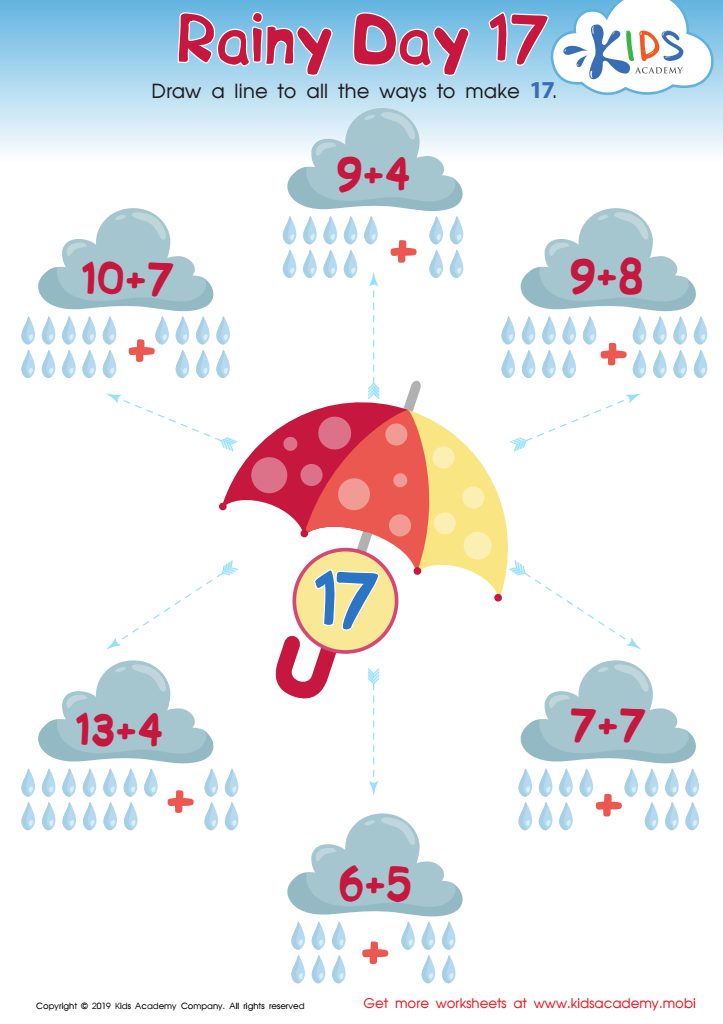
Rainy Day 17 Worksheet
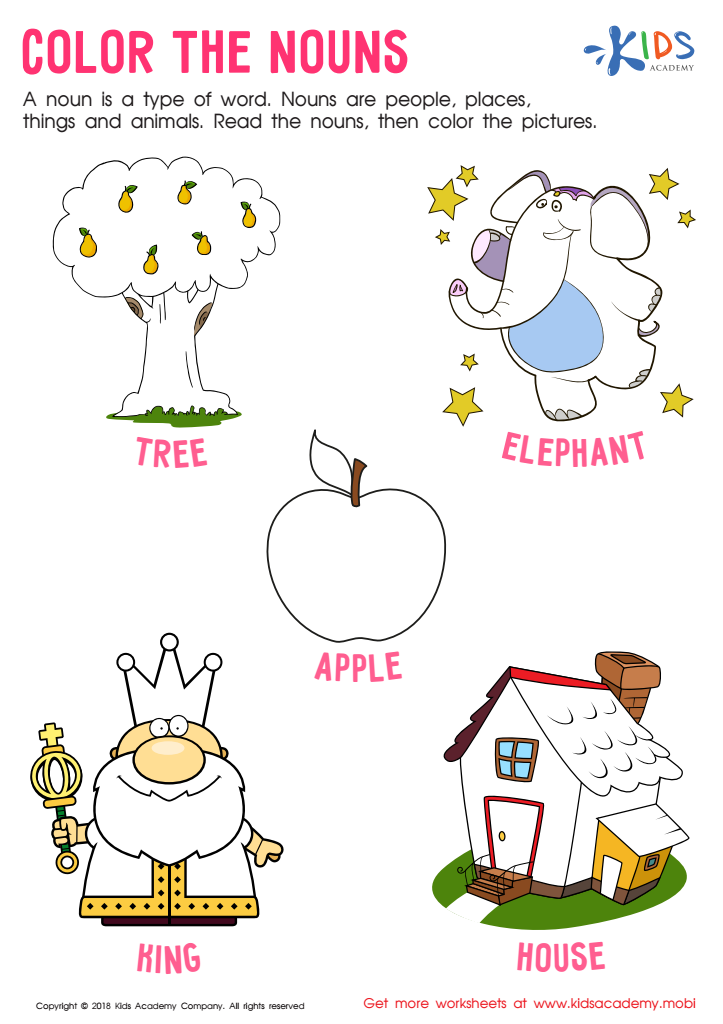
Color the Nouns Worksheet
 Assign to My Students
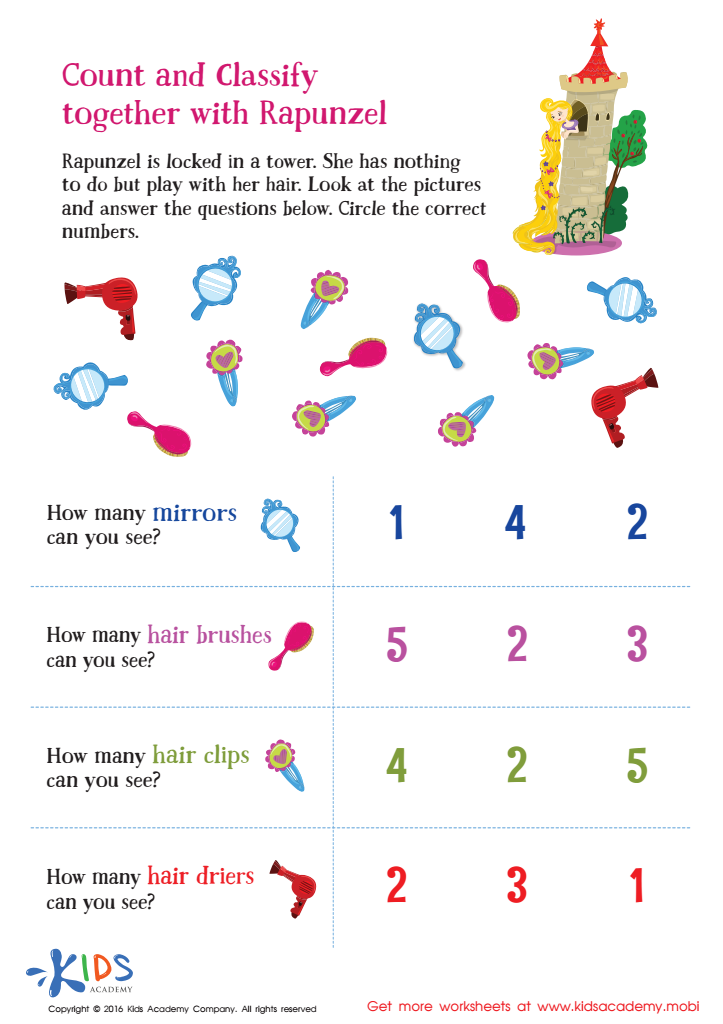
Fairy Tale Worksheet: Count and Classify with Rapunzel
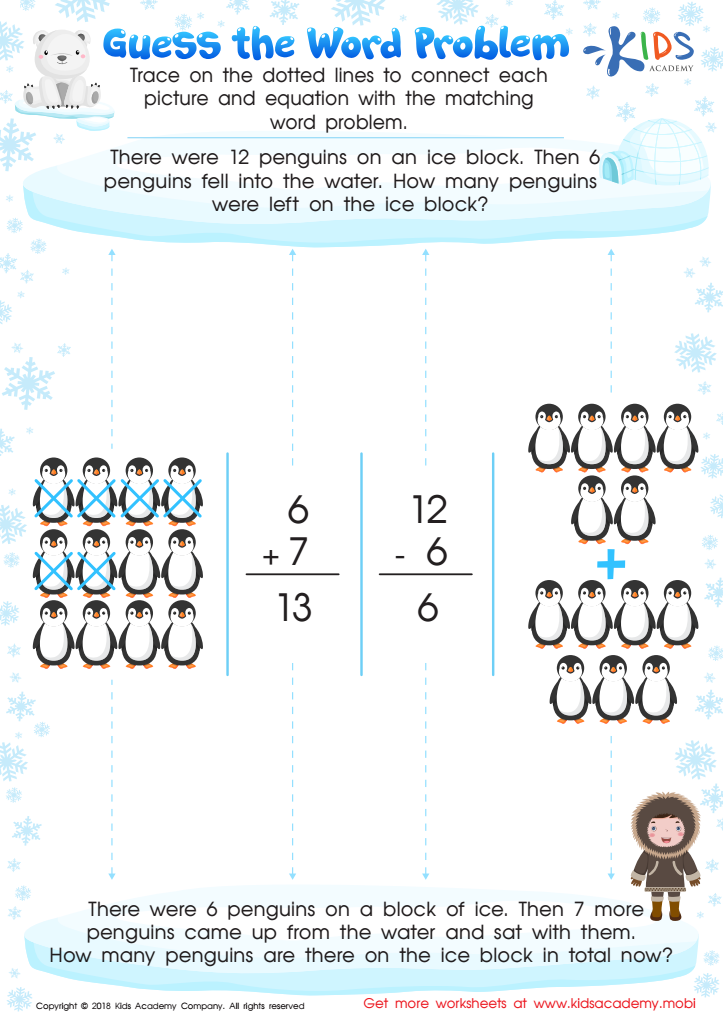
Guess the Word Problem Worksheet
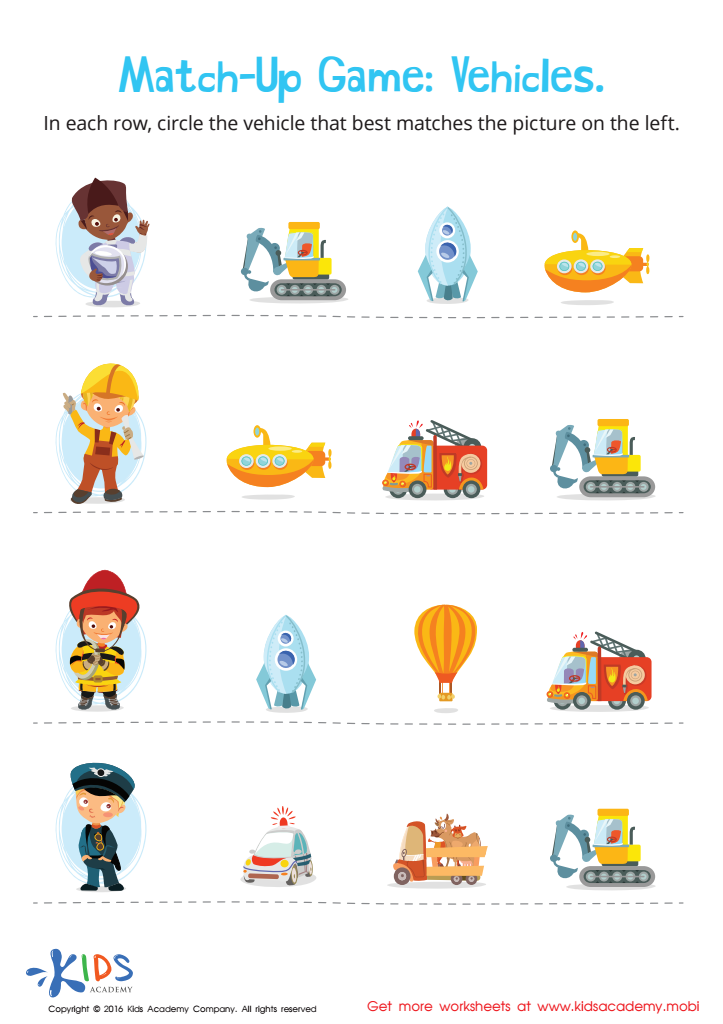
Vehicles Worksheet








Word Recognition Math is a crucial aspect of early childhood education, particularly for 4-year-olds. At this age, children begin to develop fundamental cognitive skills, including their ability to recognize and understand words related to mathematical concepts. Engaging in Word Recognition Math helps toddlers build a vocabulary related to numbers, shapes, and basic operations. This sets a strong foundation for mathematical understanding as they progress through their education.
Parents and teachers should care about this because early math skills are strongly linked to later academic success. By cultivating word recognition in a mathematical context, adults can foster critical thinking, problem-solving abilities, and a positive attitude towards math, reducing anxiety in later years.
Furthermore, activities involving Word Recognition Math also enhance language skills, allowing children to express their thoughts and ideas effectively. It promotes cognitive development through play and exploration, offering engaging ways to learn. As language and math skills intertwine, children develop better literacy and numeracy skills that are essential for their academic journey.
Encouraging Word Recognition Math can support not only intellectual growth but also emotional development, as it empowers children with the confidence to engage in learning. Investing in these early skills is vital for setting lifelong learning habits and a love for both literacy and mathematics.








