Reading comprehension Word Problems Worksheets for 4-Year-Olds
16 filtered results
-
From - To
Enhance your 4-year-old's reading comprehension and critical thinking skills with our engaging Word Problems Worksheets. Designed specifically for young learners, these worksheets simplify complex concepts into fun, relatable scenarios. Each problem encourages children to connect reading with problem-solving, fostering their ability to understand and interpret information. With colorful illustrations and age-appropriate language, these activities captivate young minds while strengthening their literacy. Parents and teachers will appreciate the structured approach to reinforcing essential skills in a playful way, allowing children to build confidence in reading and mathematics. Start your child’s learning adventure today with our interactive reading comprehension resources!
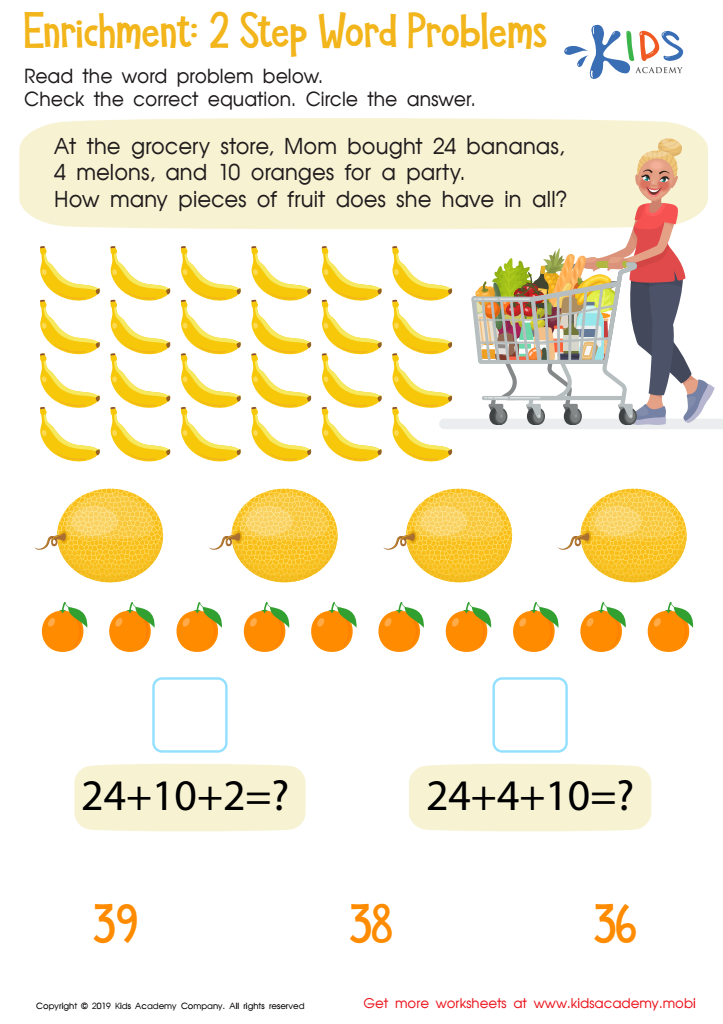
Enrichment -2 Step Word Problems Worksheet
 Assign to My Students
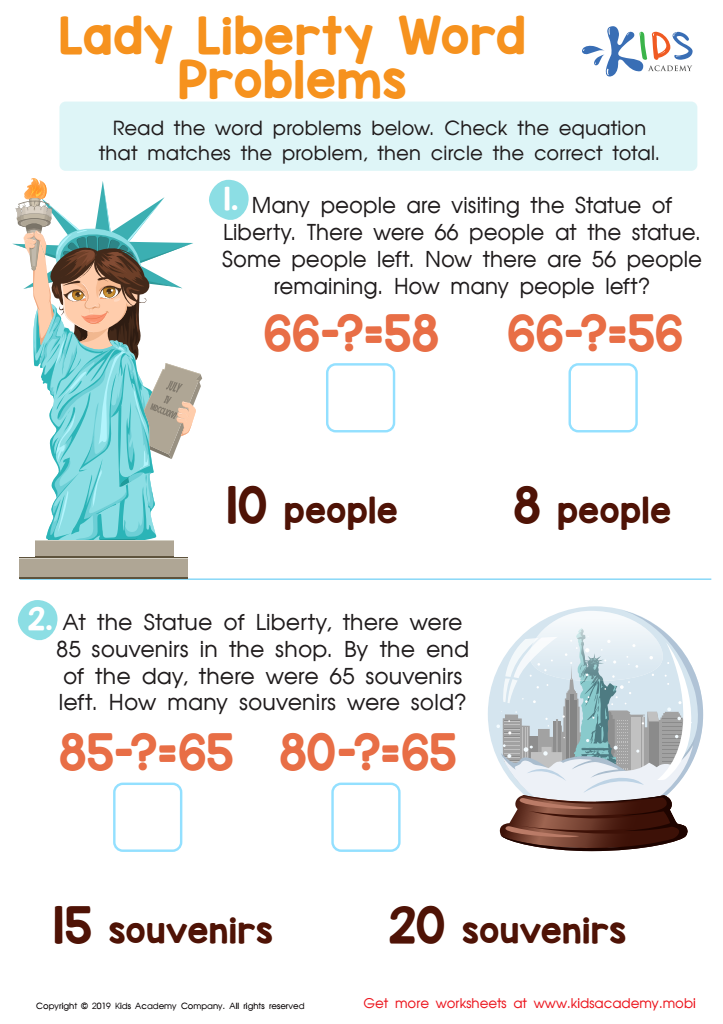
Lady Liberty Worksheet
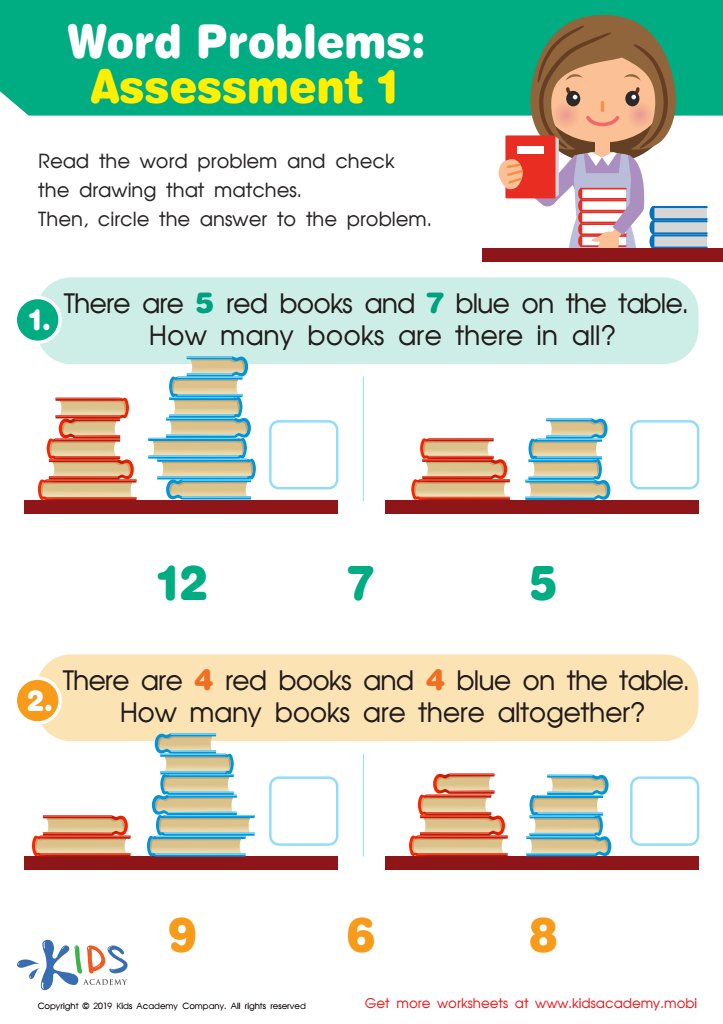
Word Problems: Assessment 1 Worksheet
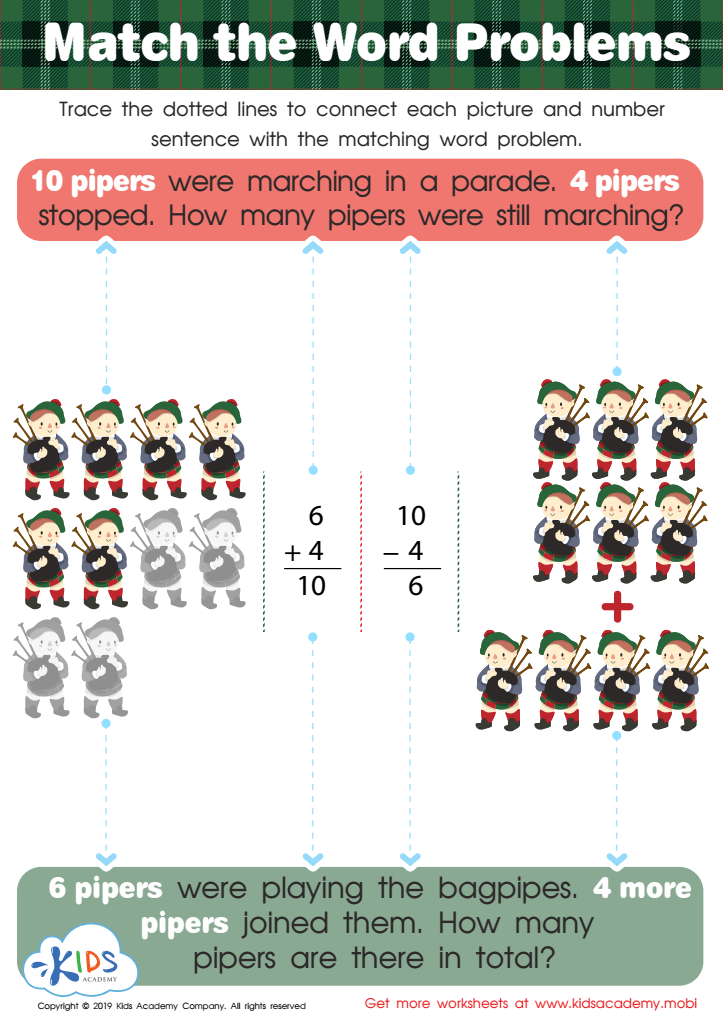
Match the Word Problems Worksheet
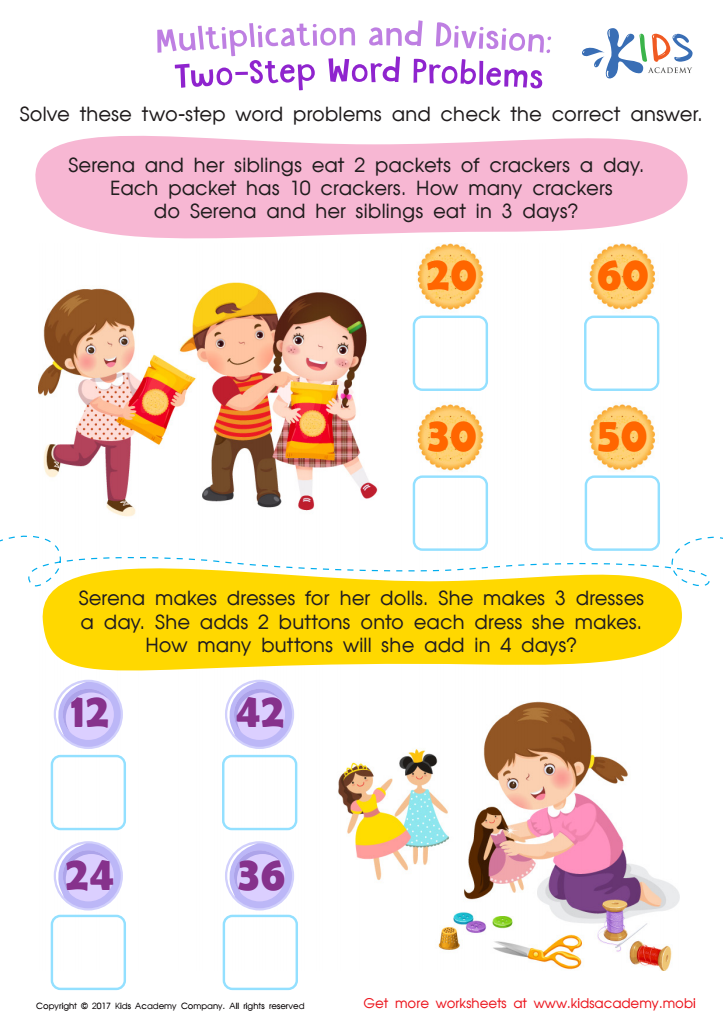
Two Step Word Problems Worksheet
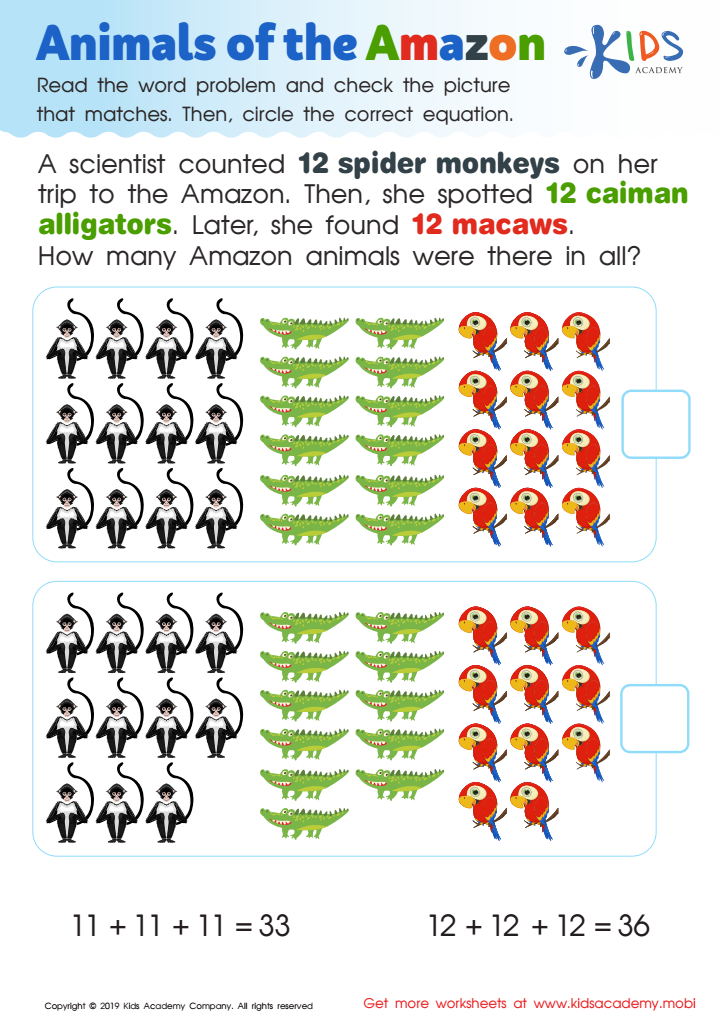
Animals of Amazon Worksheet
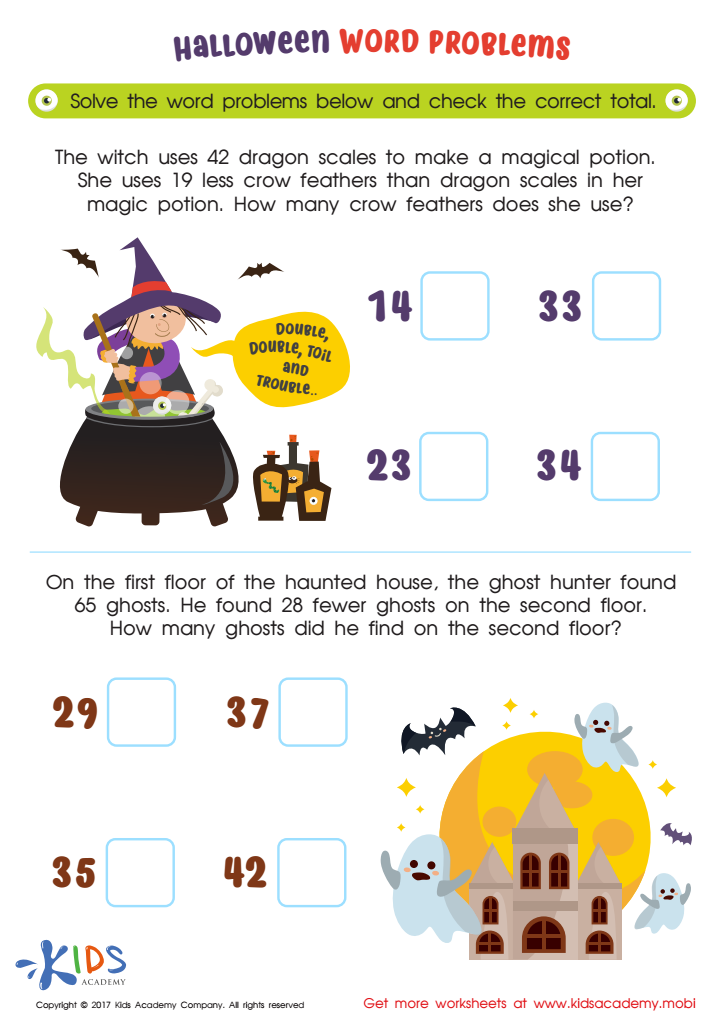
Halloween Word Problems Printable
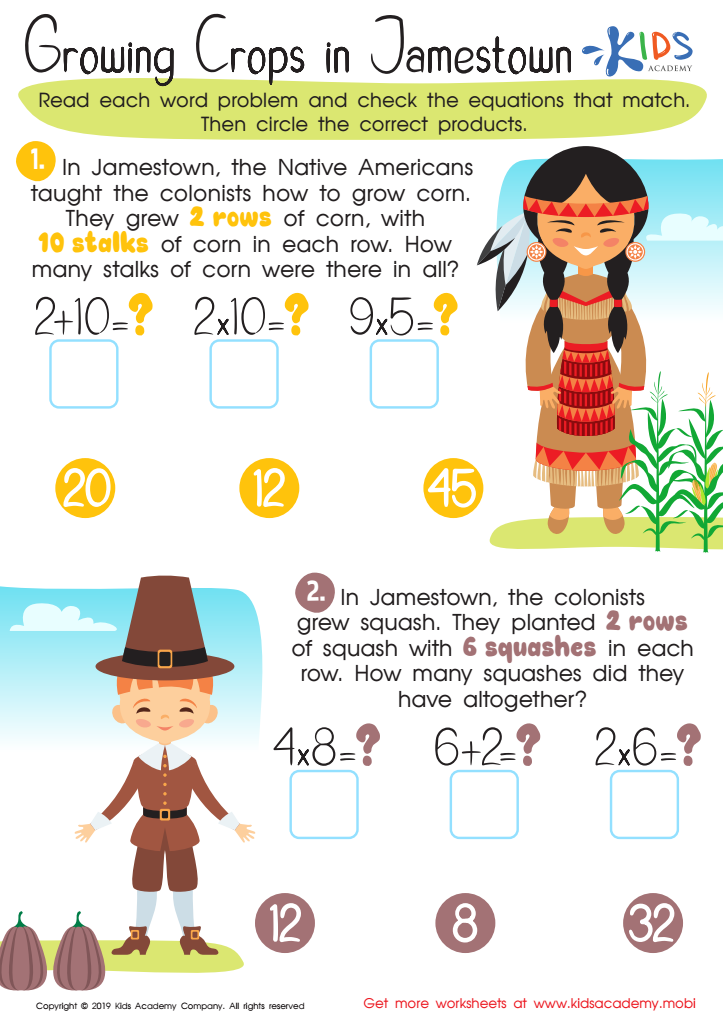
Growing Jamestown Worksheet
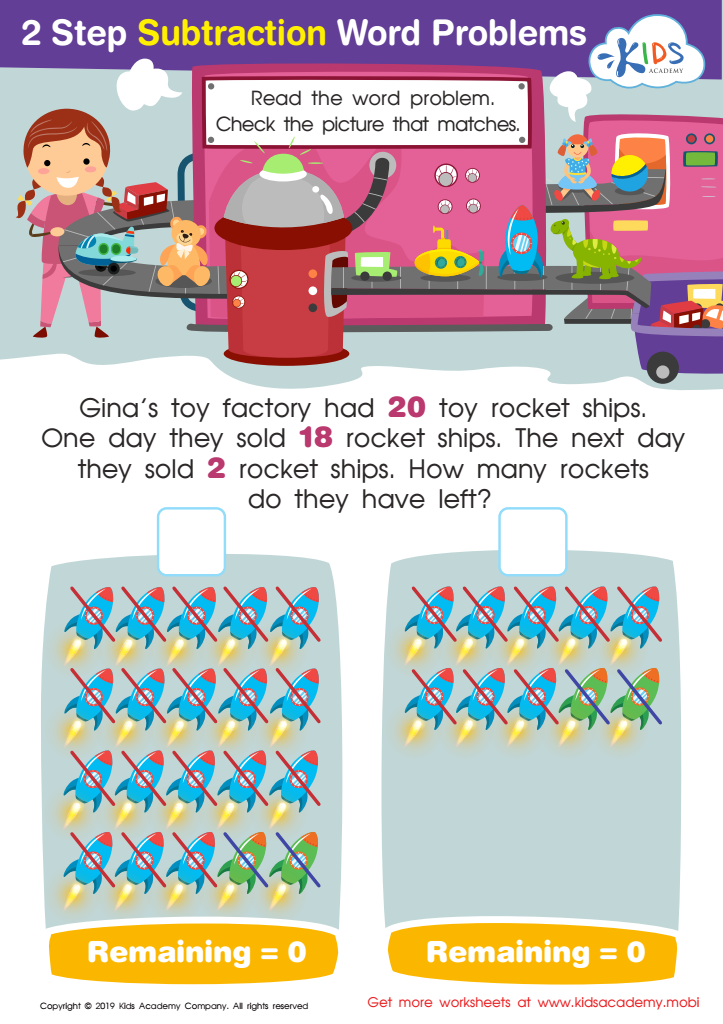
Step Subtraction Word Problems Worksheet
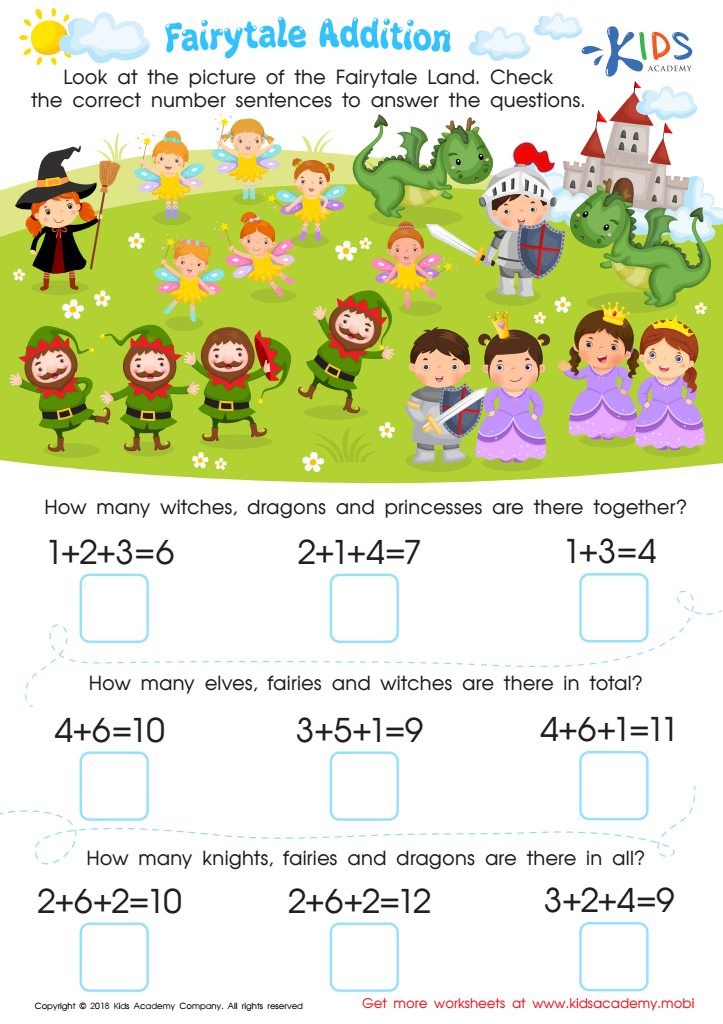
Fairytale Addition Worksheet
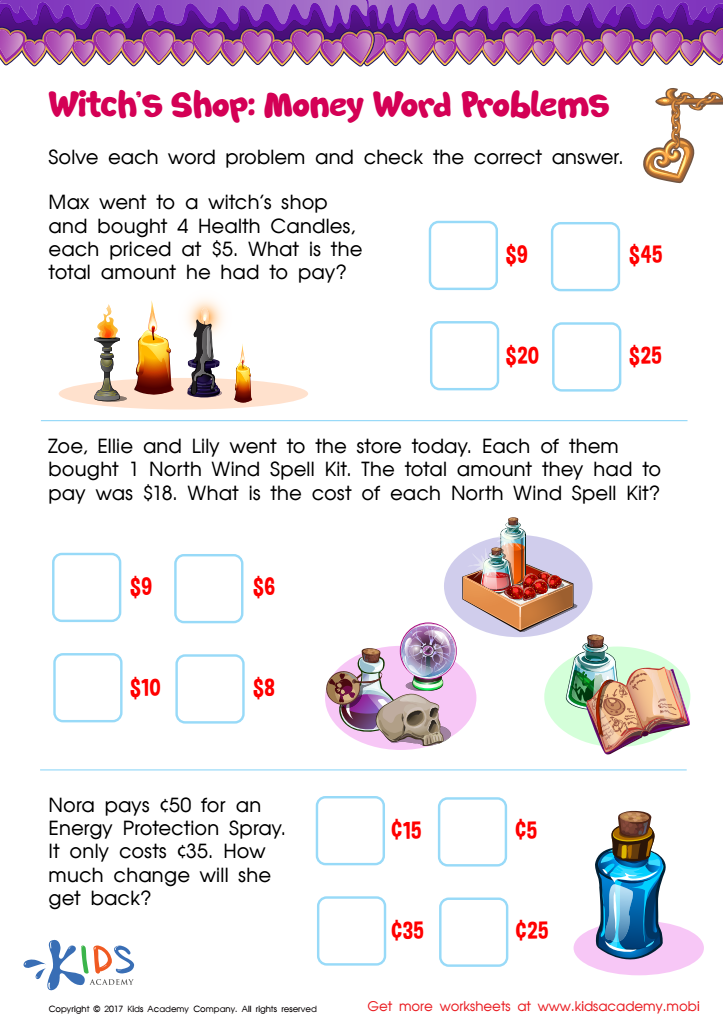
Money Word Problems Printable
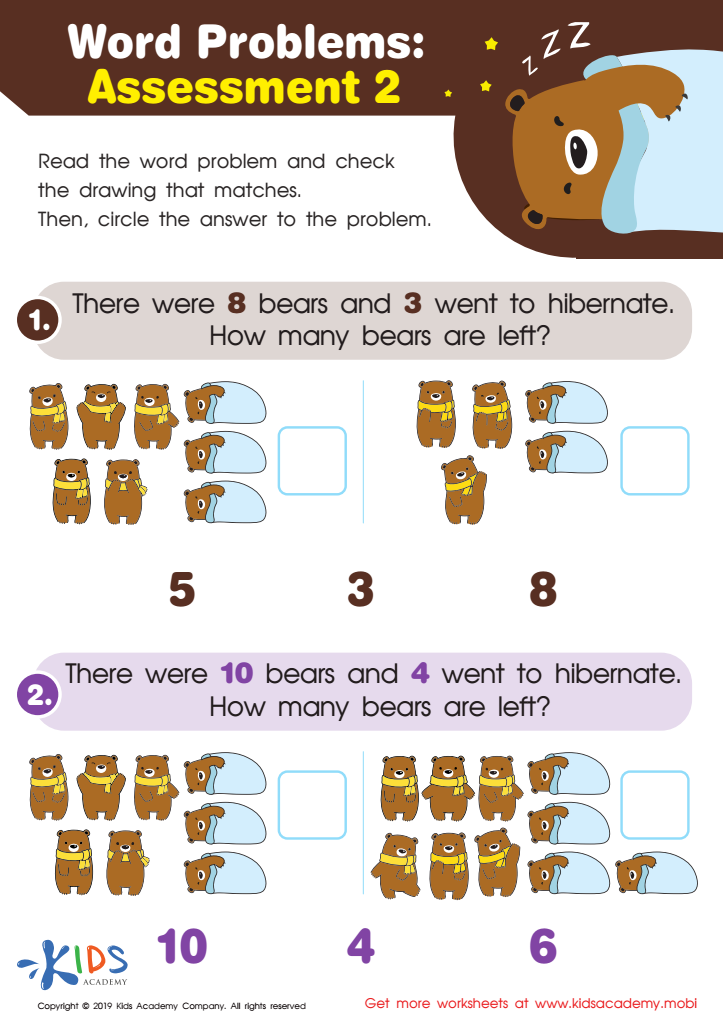
Word Problems: Assessment 2 Worksheet
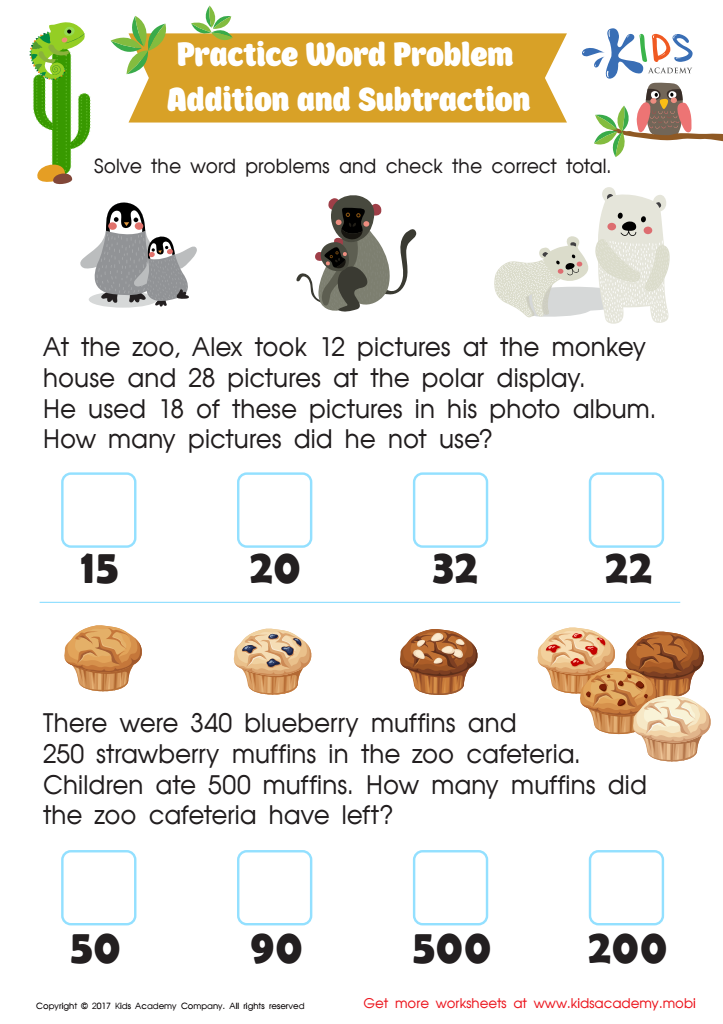
Addition and Subtraction: Word Problems Worksheet
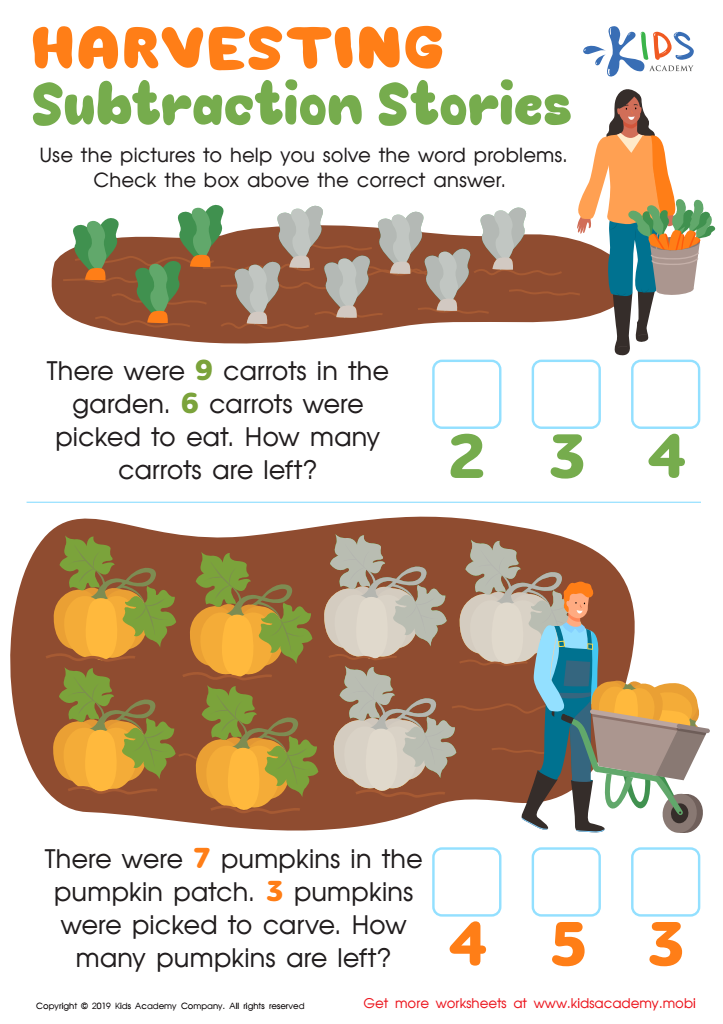
Harvesting Subtraction Stories Worksheet
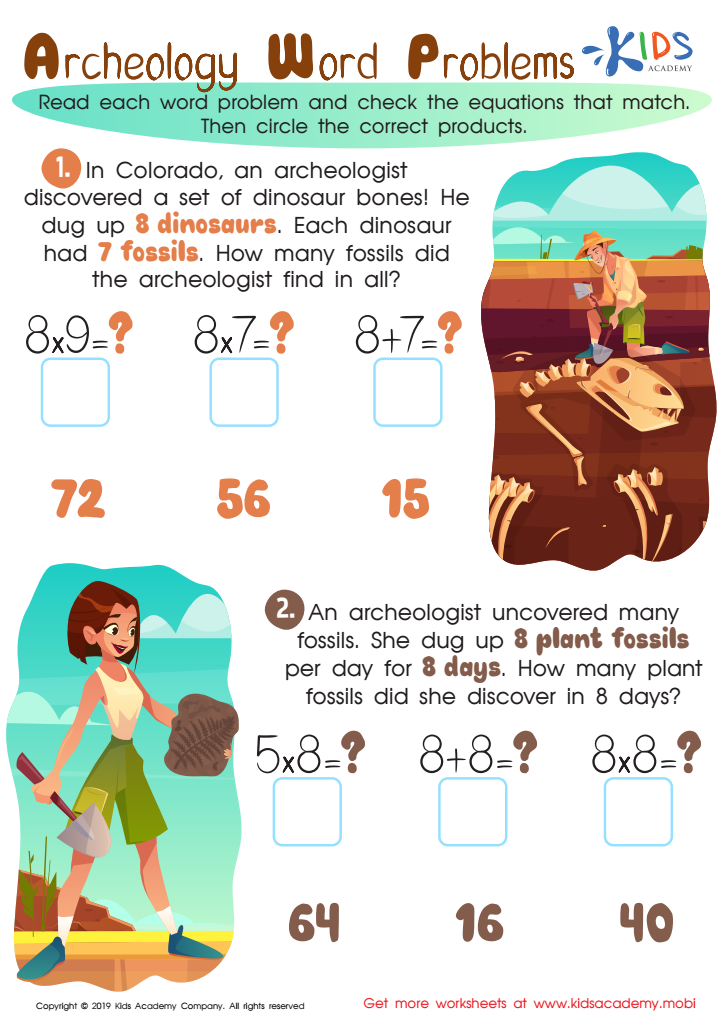
Archeology Word Problems Worksheet
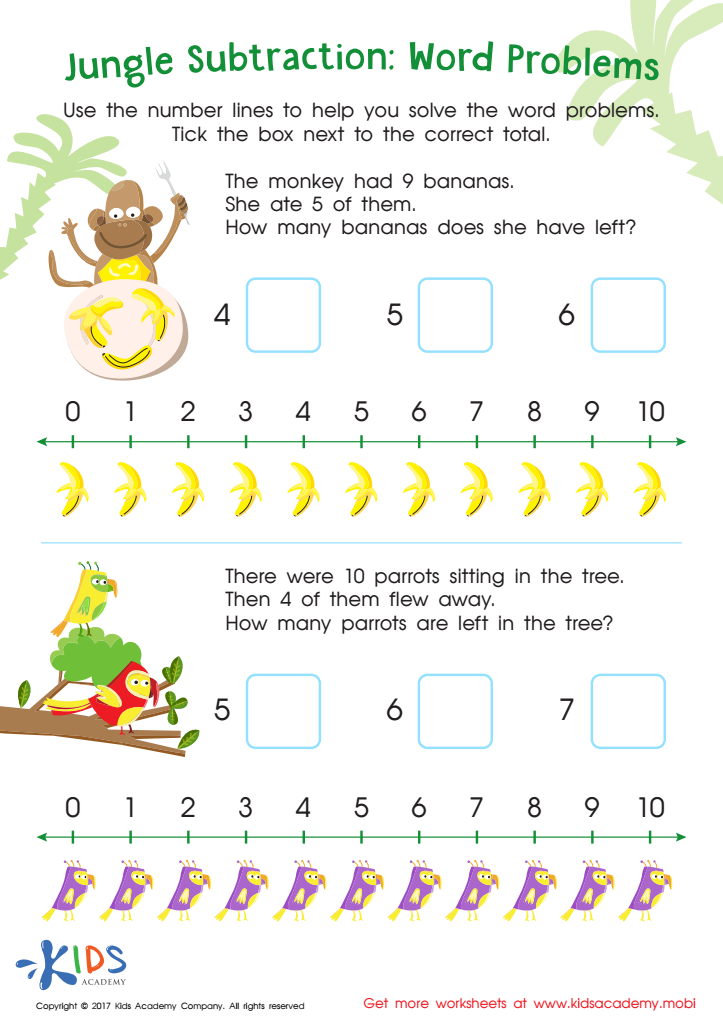
Jungle Subtraction Word Problems Substraction Worksheet




.jpg)



Reading comprehension and word problems are crucial for 4-year-olds as they lay the foundation for critical thinking and literacy skills. At this age, children are developing their understanding of language and context, which is vital for effective communication. Engaging with reading comprehension exercises helps young learners make connections between stories and their own experiences, enhancing their ability to express thoughts and ideas clearly.
Word problems, often found in early math curricula, encourage children to think critically about situations. They learn to analyze language, identify key information, and apply that information to solve problems. This not only supports math skills but also reinforces comprehension abilities as they decipher what's being asked.
For parents and teachers, fostering reading comprehension and problem-solving skills in young children promotes a lifelong love of learning. It empowers them to think logically, improves their attention spans, and encourages persistence when faced with challenges. By prioritizing these foundational skills, caregivers provide support through fun, interactive activities and reading sessions, creating a nurturing environment rich in exploration and understanding. Ultimately, these skills serve as building blocks for future academic success, equipping children to tackle more complex concepts as they progress through their education.








