Fraction simplification Reading Worksheets for 4-Year-Olds
5 filtered results
-
From - To
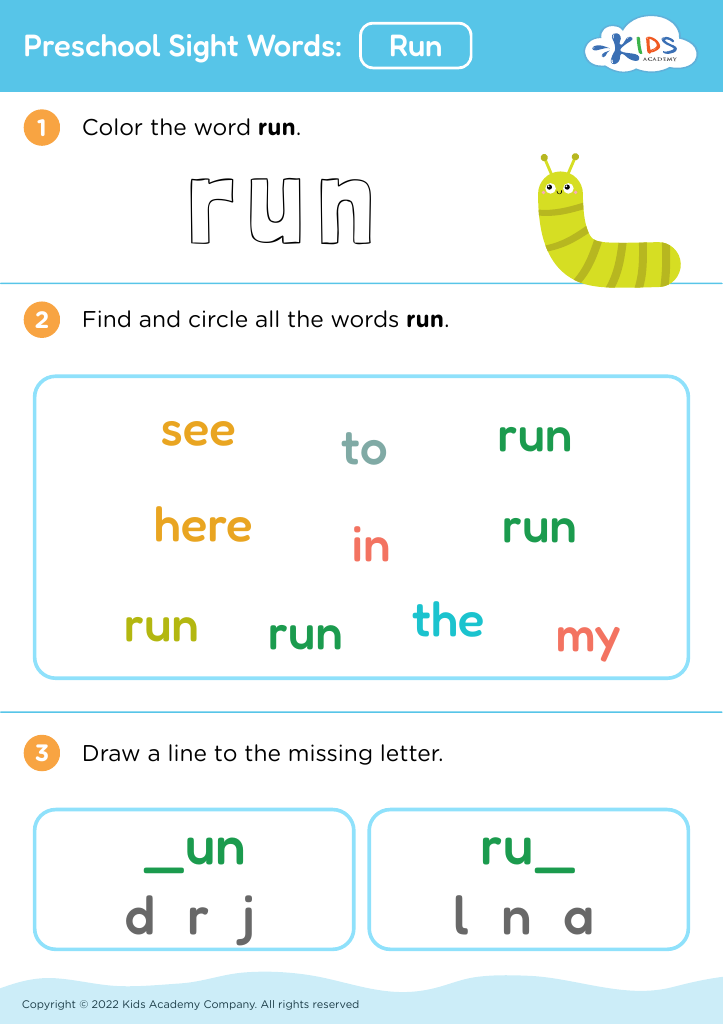
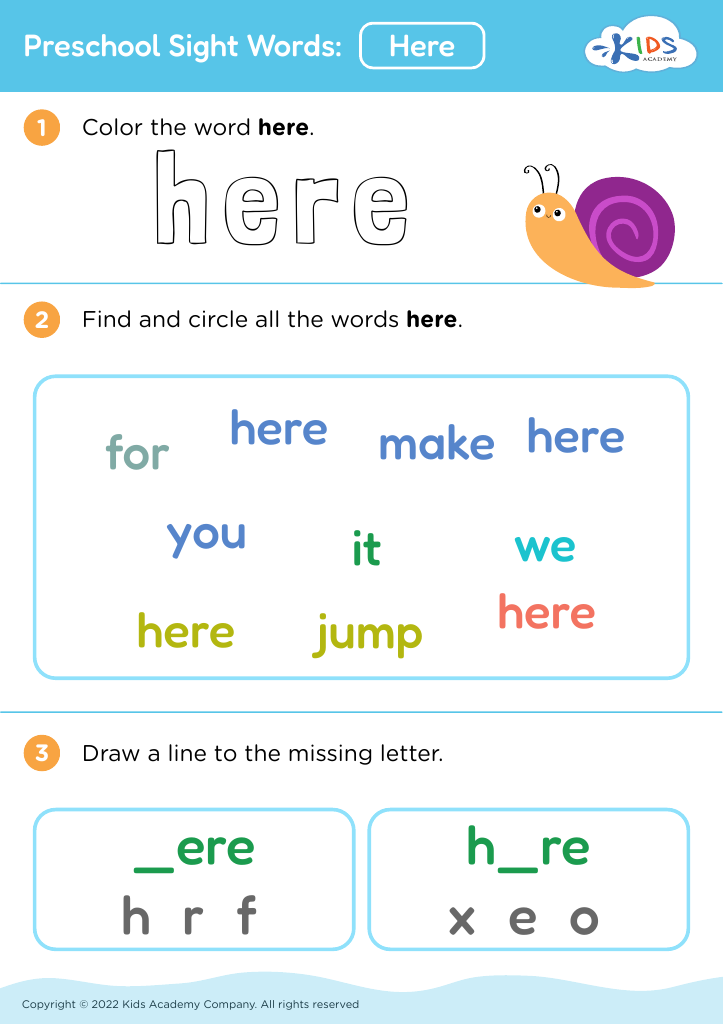
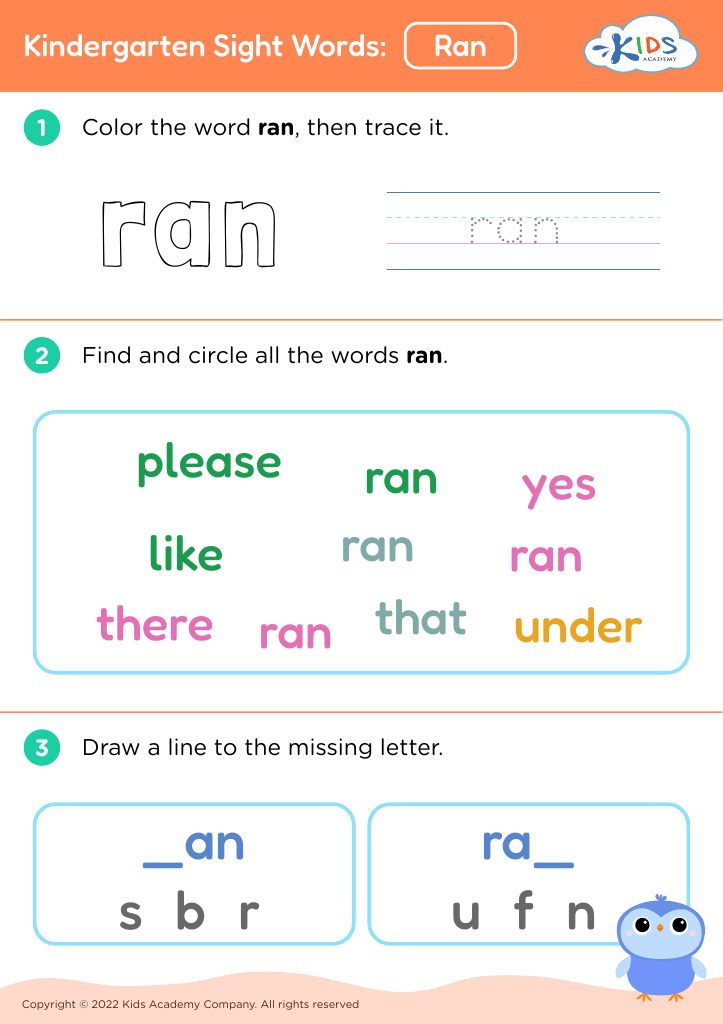
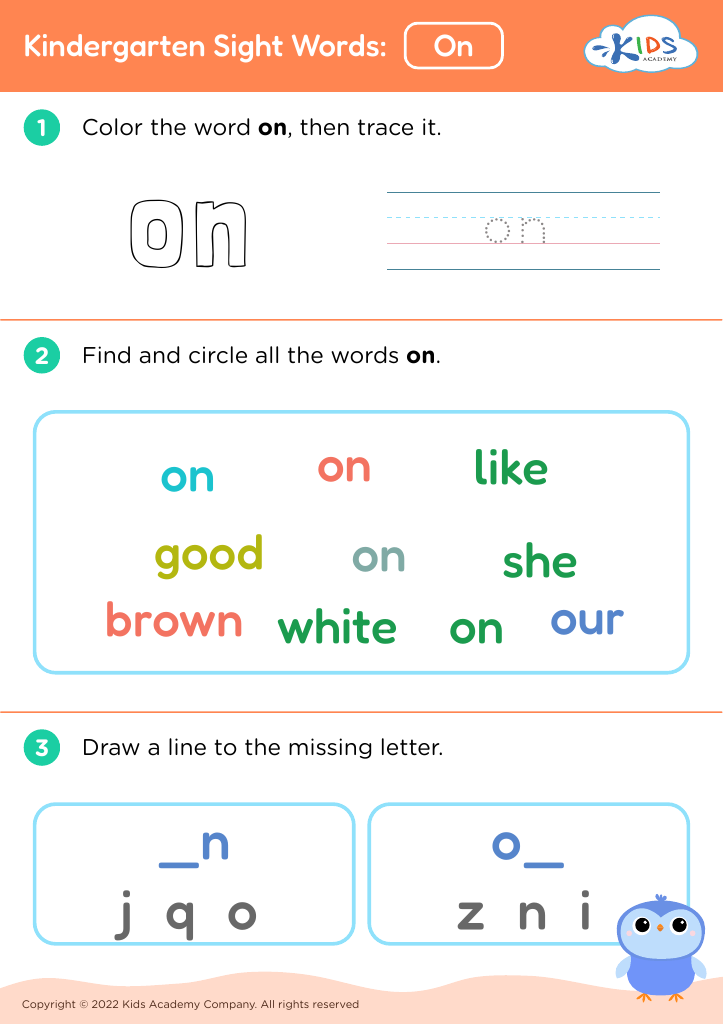
Introducing our engaging "Fraction Simplification Reading Worksheets" designed specifically for 4-year-olds! Our worksheets combine fun reading activities with foundational math concepts, making learning enjoyable and effective. Each worksheet features colorful illustrations and age-appropriate content that helps children understand fractions through relatable contexts. By engaging in these activities, young learners will enhance their reading skills while grasping the basics of fraction simplification. Perfect for classroom use or at-home learning, these worksheets foster a love for math and reading. Encourage your child's educational journey and build essential skills with our thoughtfully crafted resources today! Printable and ready for instant enjoyment!
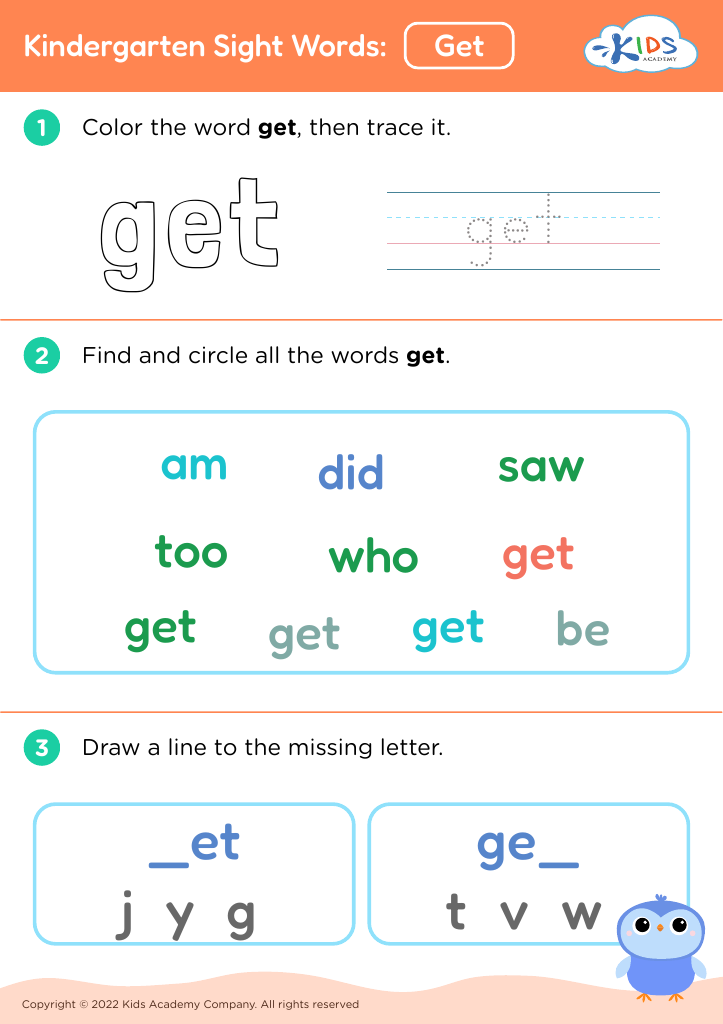







Parents and teachers play a crucial role in laying the foundation for early math skills, and introducing concept simplification, particularly fractions, can be important even for very young learners. At four years old, children are naturally curious and eager to explore the world around them. Engaging them in basic concepts related to fractions not only cultivates an early understanding of mathematical ideas but also enhances their comprehension of everyday situations.
Simplifying fractions allows children to grasp the concept of parts of a whole, which is fundamental to various disciplines beyond math, including science and art. By using visual aids such as pie charts or group activities with tangible items like fruits or toys, educators can create a fun and interactive environment.
Moreover, introducing fraction simplification at an early age fosters critical thinking and problem-solving skills, encouraging children to recognize patterns and relationships more easily as they grow. It also boosts their confidence in handling mathematical concepts, paving the way for more complex topics in the future. Ultimately, when parents and teachers actively incorporate fraction simplification into learning, they support children’s overall cognitive development and help them build a solid mathematical foundation for lifelong learning.








