Identifying shapes Reading Worksheets for 4-Year-Olds
5 filtered results
-
From - To
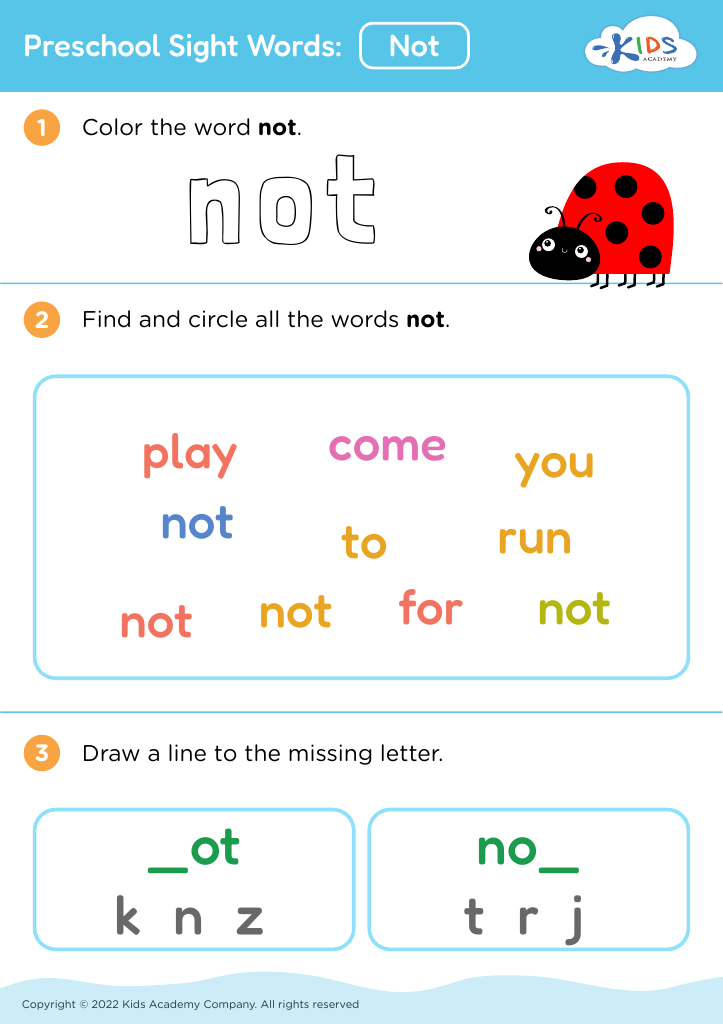
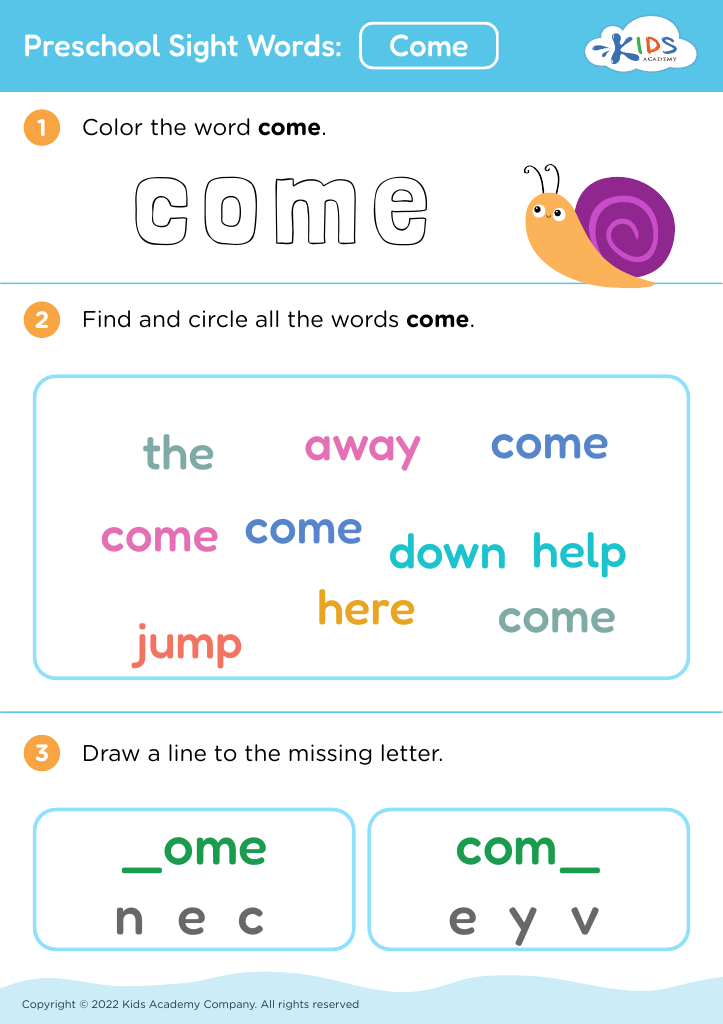
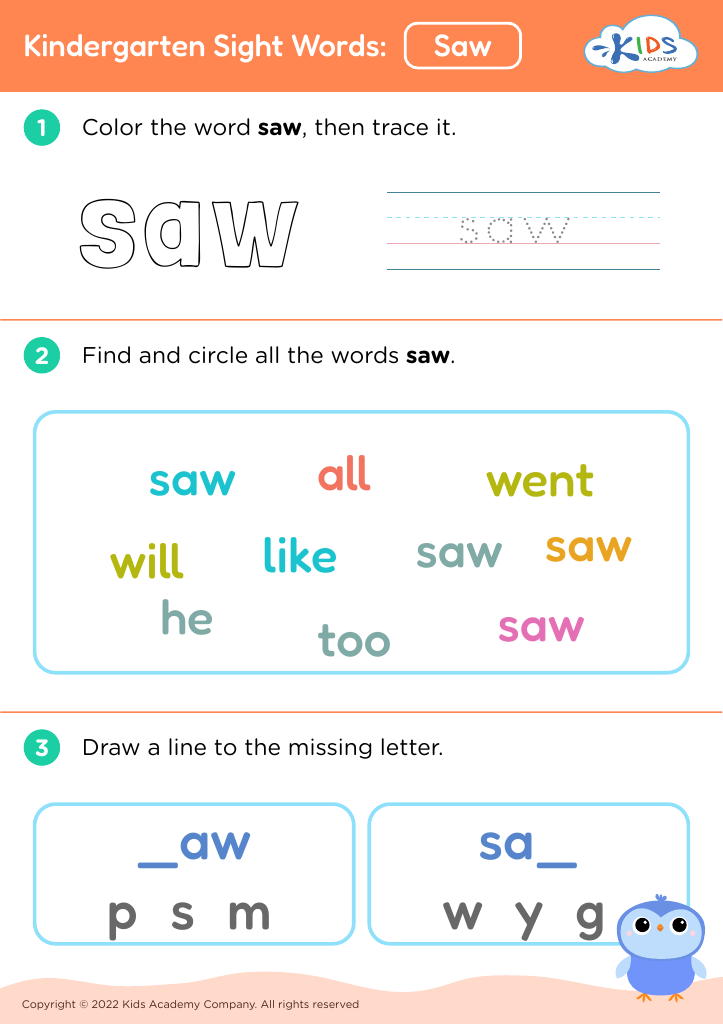
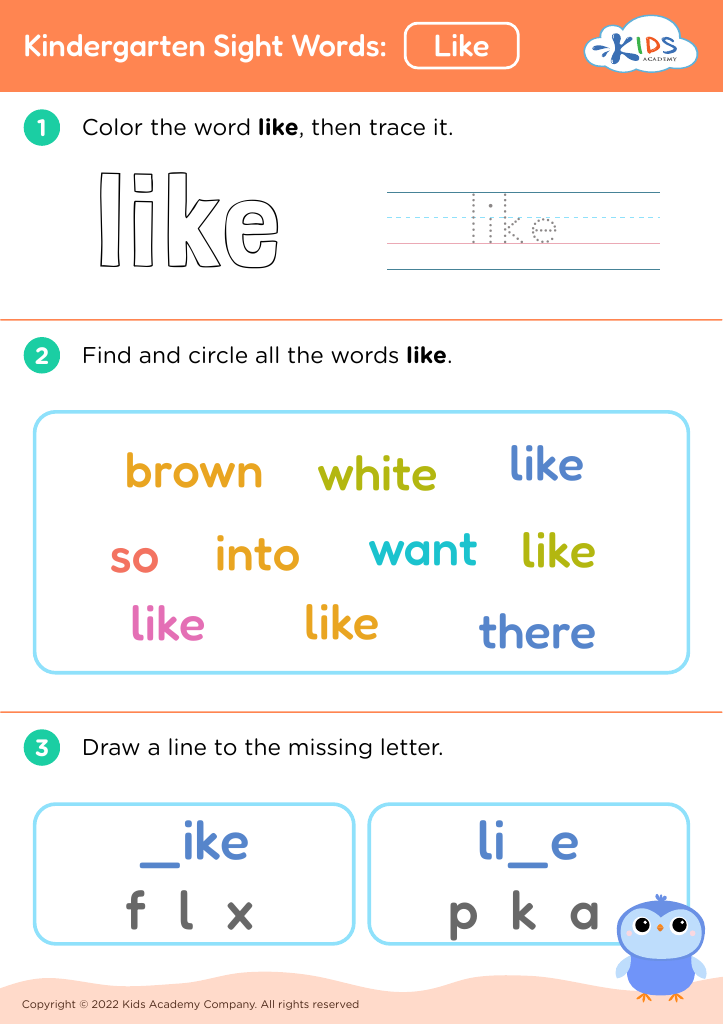
Welcome to our "Identifying Shapes Reading Worksheets" for 4-year-olds! These engaging and colorful worksheets are designed to enhance your child's shape recognition skills while integrating foundational reading concepts. Each activity seamlessly combines fun with learning, as children explore various shapes through interactive exercises, such as matching, tracing, and drawing. With lively illustrations and simple instructions, your little ones will develop their vocabulary and comprehension skills while identifying circles, squares, triangles, and more. Our resources encourage early literacy and critical thinking, making learning enjoyable. Start your child's educational journey today with our specially crafted worksheets that foster confidence and curiosity!






Identifying shapes is a foundational skill that plays a crucial role in early childhood education. For 4-year-olds, the ability to recognize and name shapes not only enhances their cognitive development but also forms the basis for later mathematical understanding. It helps children develop spatial awareness and the ability to categorize objects according to their characteristics.
When parents or teachers prioritize shape identification, they actively contribute to a child's problem-solving skills and critical thinking. Shapes serve as building blocks for geometry, enabling children to comprehend more complex concepts as they progress in their education. Furthermore, recognizing shapes aids in literacy by helping kids understand symbols and patterns in letters and words.
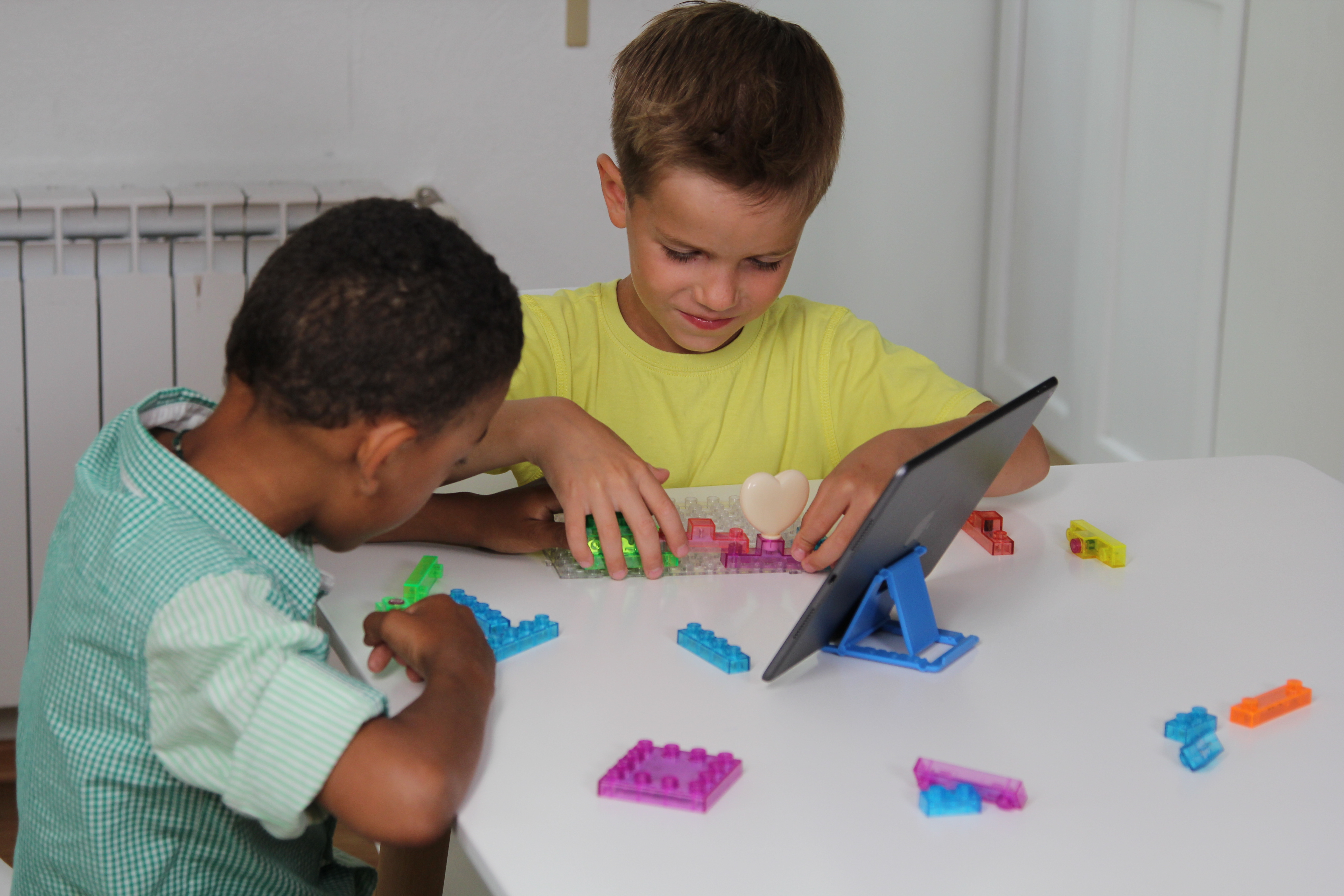
Engaging activities, such as shape sorting, drawing, or playing shape-based games, promote collaborative learning and foster social interactions among peers, building communication skills. Parents and teachers can easily integrate shape conversations in everyday life, enhancing learning in a fun and enjoyable manner.
Moreover, gaining these skills early prepares children for a seamless transition to kindergarten, where confidence in math and literacy significantly boosts overall academic performance. By investing time in shape identification, caregivers lay the groundwork for a child's future educational success.








