
Phonics Skills Reading Worksheets for 4-Year-Olds
5 filtered results
Difficulty Level
Grade
Age
-
From - To
Subject
Activity
Standards
Discover our engaging Phonics Skills Reading Worksheets designed specifically for 4-year-olds! These worksheets provide a fun and effective way to introduce young learners to essential phonetic concepts, including letter sounds and word recognition. Tailored to enhance early literacy, our activities incorporate colorful visuals and interactive exercises, making learning enjoyable. Kids will strengthen their phonics knowledge through tracing, matching, and identifying words, building a strong foundation for reading success. Ideal for use at home or in the classroom, our worksheets encourage exploration and creativity while ensuring that essential skills are developed. Start your child’s reading journey today with our exciting phonics resources!
Favorites
With answer key
Interactive
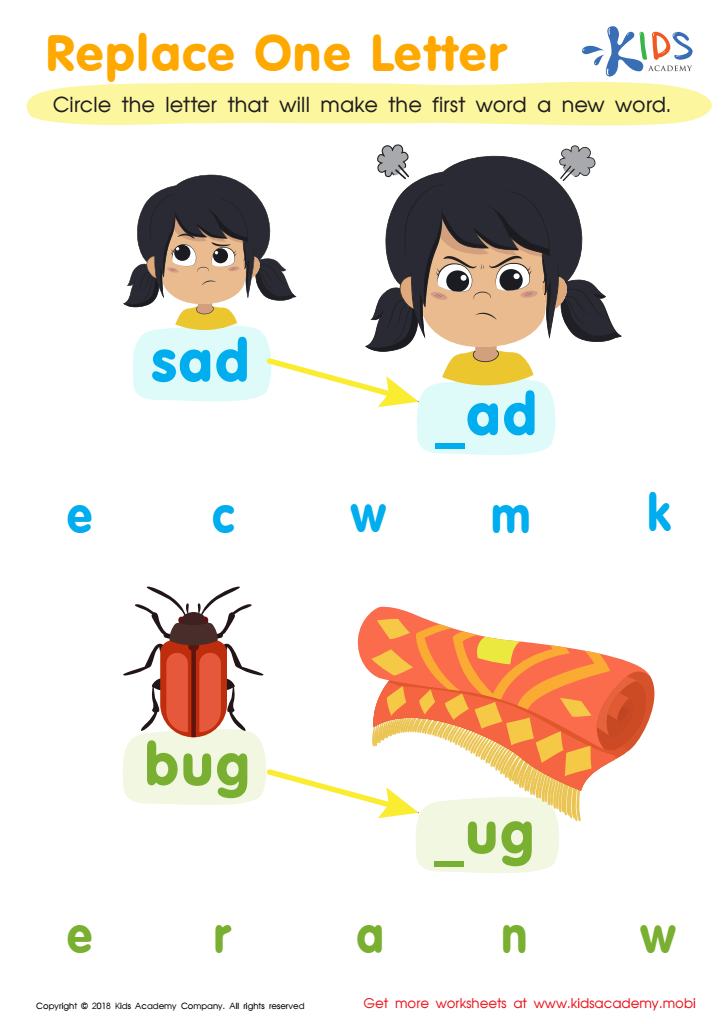
Replace One Letter Worksheet
Emerging readers will practice switching initial consonants to create new words with this fun PDF worksheet. They'll use picture clues, learn about onset letters and work on their fine motor skills as they circle the right letter for each "ad" and "ug" word family.
Replace One Letter Worksheet
Worksheet
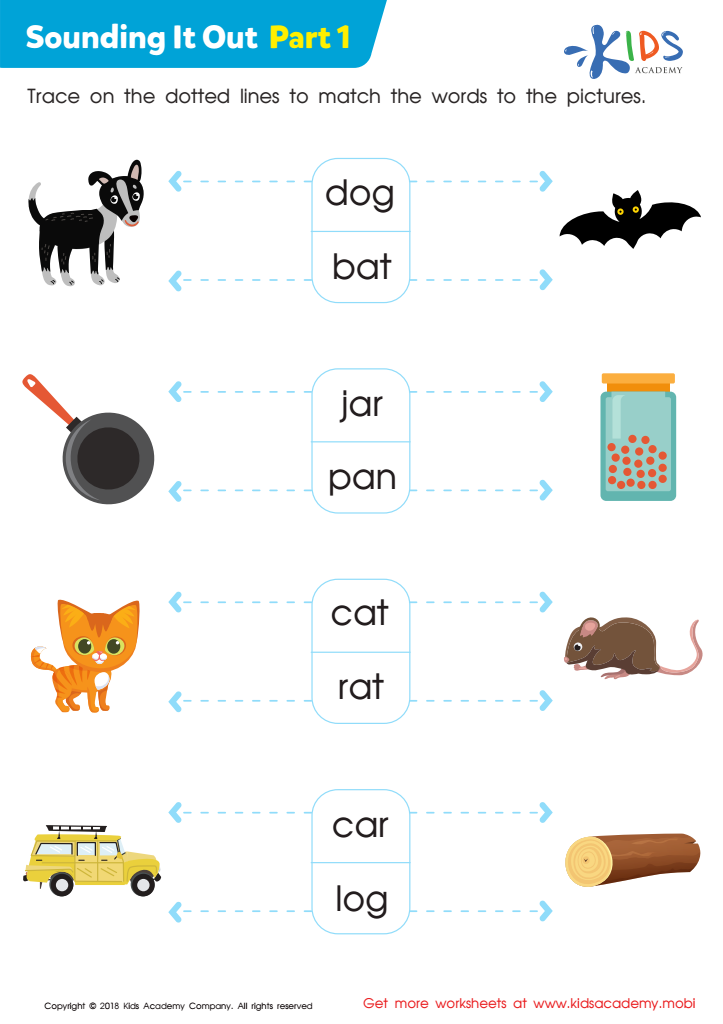
Sounding it Out: Part 1 Worksheet
Help kids learn to read with this fun worksheet! Kids use picture clues to sound out words and trace the dotted lines to match each word to its corresponding image. Stimulating and interactive, this printable is a great way for little learners to practice phonics.
Sounding it Out: Part 1 Worksheet
Worksheet
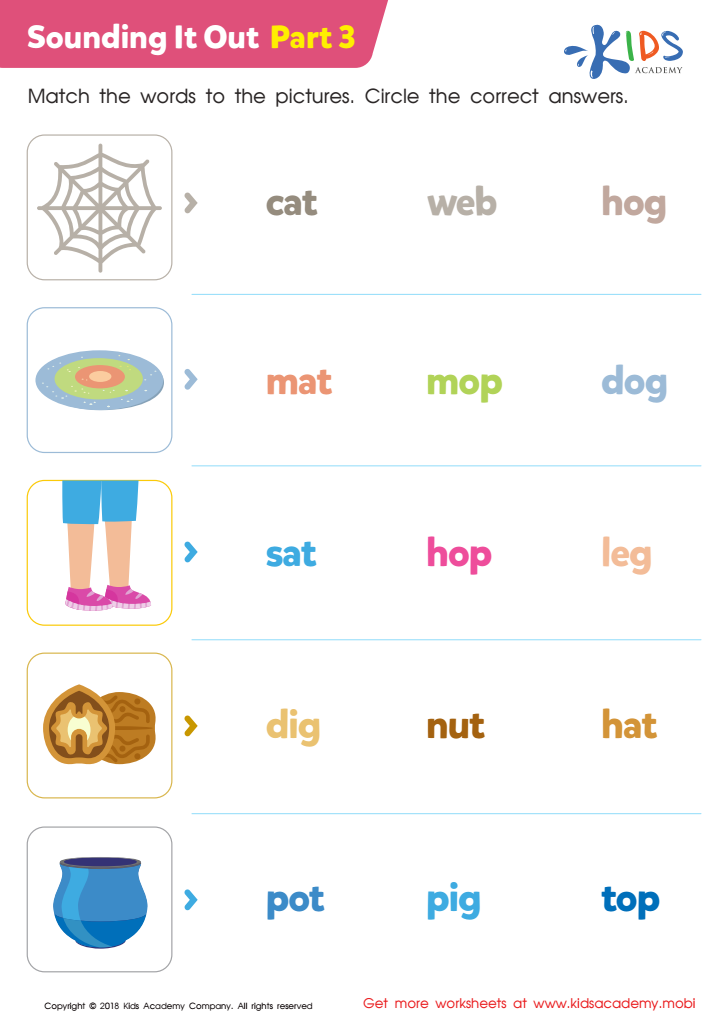
Sounding it Out: Part 3 Worksheet
Once Parts 1 and 2 are complete, this printable phonics worksheet will help kids take their reading skills to the next level! As they gain confidence, give them hints less often and direct their attention to three words in a row. Ask them to read and circle the correct word to complete!
Sounding it Out: Part 3 Worksheet
Worksheet
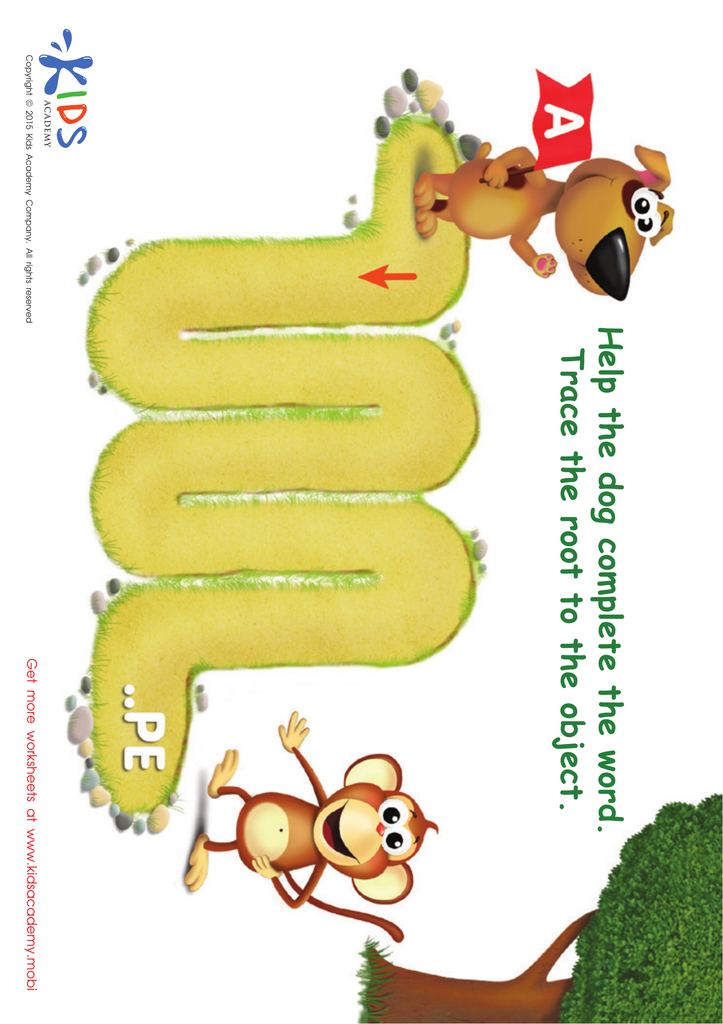
Long Vowel Sound A Worksheet Worksheet
Help our adorable dog by completing the word he's holding a flag for! Use the picture as a clue to read the word. This PDF worksheet will help early learners with pre-reading and phonics skills. For an added challenge, have your child write the word on the page near the path they drew. Be sure to talk about what the long vowel A sounds like for the best results.
Long Vowel Sound A Worksheet Worksheet
Worksheet
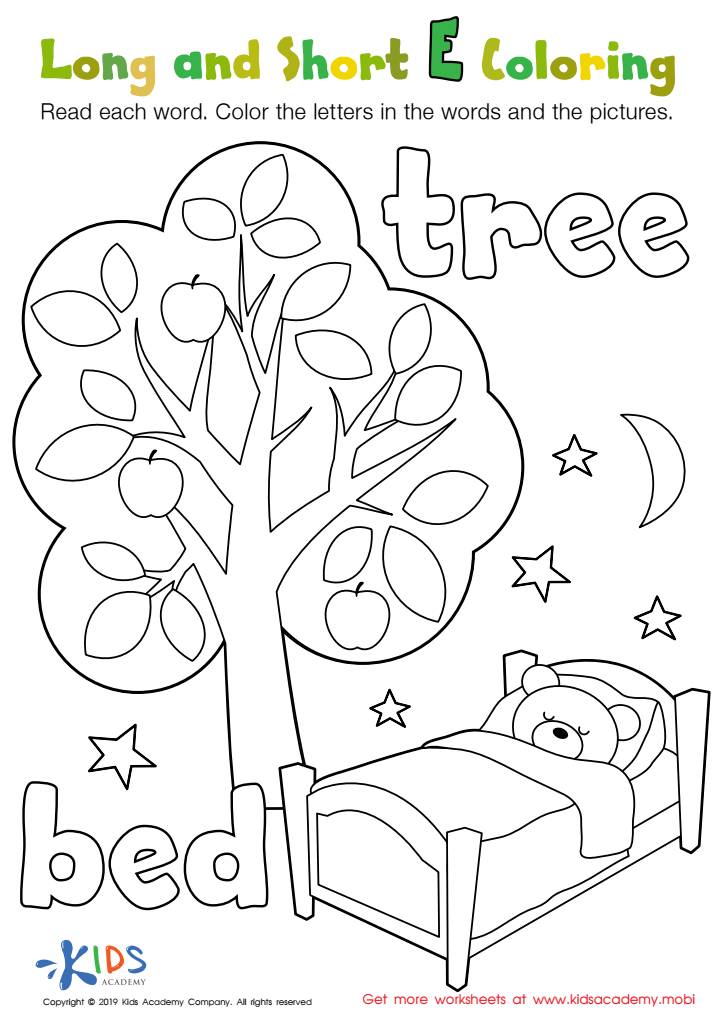
Long and Short E Worksheet
This fun printout makes learning phonics enjoyable for Grade 3 students. Get them to read the words “tree” and “bed” to recognize the different sounds of the letter “E”. After hearing the words they can color the words and the pictures to understand differences between long and short vowels.
Download (PDF)
 Assign to My Students
Assign to My Students
Long and Short E Worksheet
Worksheet
Join Kids Academy for Free
Who is primarily going to use this learning content?





.jpg)
Phonics skills are crucial for early literacy development, especially in 4-year-olds, as they form the foundation for effective reading and language comprehension. Understanding the relationship between letters and their corresponding sounds helps children decode words, making reading a more accessible and enjoyable experience. When parents and teachers prioritize phonics, they empower children to recognize and blend sounds, facilitating word recognition and fluency.
Fostering phonics skills at a young age can boost a child's confidence and motivation to read. As children learn to sound out words independently, they experience the joy of reading simple texts, which in turn encourages a lifelong love for literacy. Additionally, strong phonics skills enhance vocabulary development, enhancing children’s ability to express themselves clearly and understand more complex texts as they grow.
Moreover, phonics instruction has been linked to better academic outcomes in later grades. By investing time and resources into phonics at an early age, parents and teachers are laying the groundwork for future success in reading and, consequently, across all subject areas. Therefore, recognizing the importance of phonics in early education is vital—it's not just about learning to read; it's about fostering a holistic love for learning.








