Understanding directions Reading Worksheets for 4-Year-Olds
3 filtered results
-
From - To
Welcome to our "Understanding Directions Reading Worksheets for 4-Year-Olds" page! Here, young learners will find engaging activities designed to enhance their comprehension of simple instructions. Our worksheets encourage children to practice essential reading skills by following directional prompts in fun and interactive ways. Each activity promotes fine motor development and cognitive growth, while also fostering a love for learning. Perfect for preschool classrooms or at-home education, these worksheets are tailored to guide little ones in mastering essential direction-following skills. Help your child build confidence in their reading abilities as they enjoy exciting challenges that ignite their imagination!
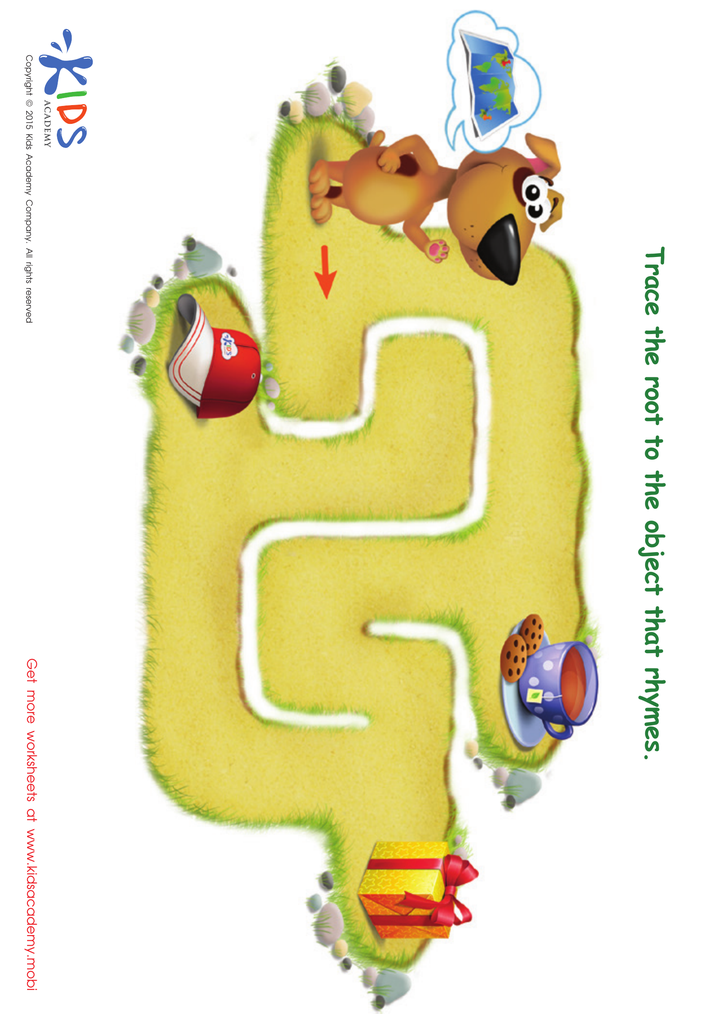
Map Rhyming Words Worksheet
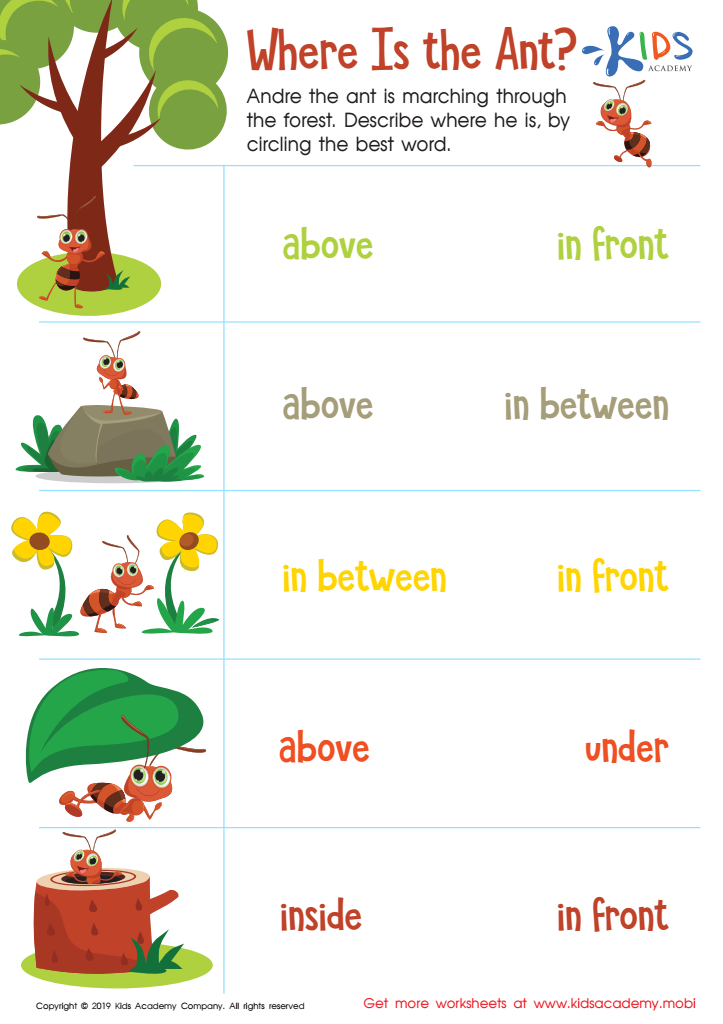
Where Is the Ant? Worksheet
 Assign to My Students
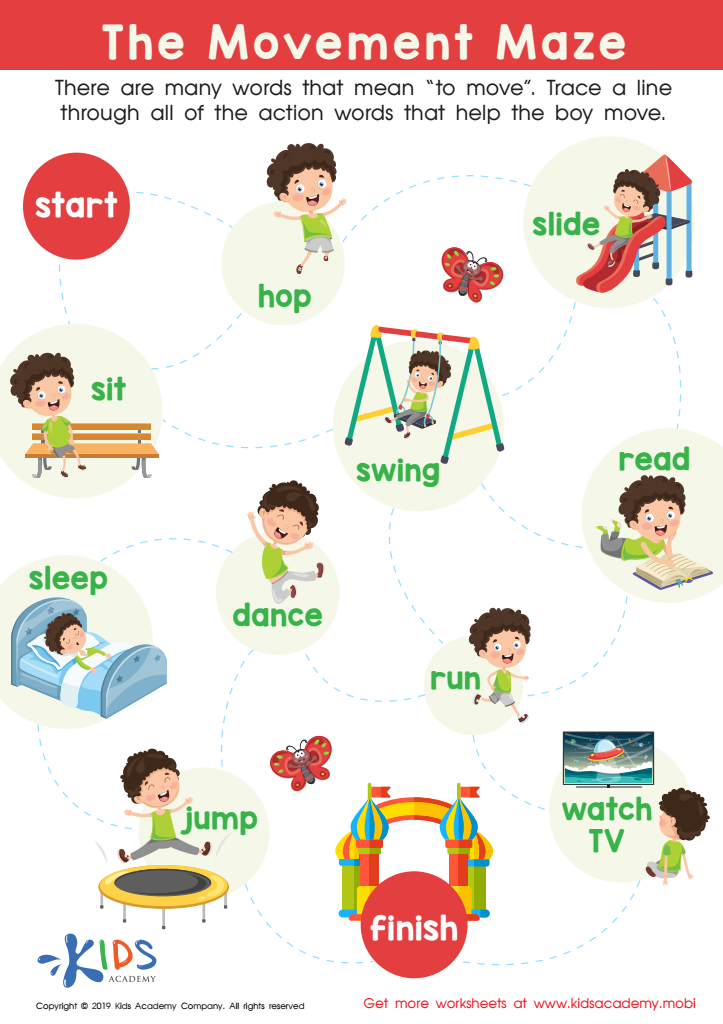
The Movement Maze Worksheet







Understanding directions reading is crucial for four-year-olds as it lays the foundation for effective learning and comprehension. At this age, children are developing essential listening and cognitive skills, making it the perfect time to foster their ability to follow verbal and written instructions. When children can comprehend directions, they gain independence, allowing them to engage more confidently in activities at home and in school.
Parents and teachers should care because understanding directions directly impacts a child’s ability to succeed academically and socially. It empowers children to participate actively in group activities, enhancing their ability to collaborate with peers, while also building their problem-solving skills. Additionally, strong direction-following capabilities can reduce frustration, leading to a more positive learning environment where children feel secure and motivated.
Promoting these skills also leads to improved language development. By regularly practicing understanding directions, children expand their vocabulary and improve their listening skills. Ultimately, fostering direction comprehension can significantly impact a child's readiness for more advanced learning, laying a strong groundwork for their educational journey. Investing time and resources into this aspect of early education will yield benefits that extend far beyond the preschool years.








