
Critical thinking skills Plants and Animals Worksheets for 4-Year-Olds
3 filtered results
Difficulty Level
Grade
Age
-
From - To
Subject
Activity
Standards
Enhance your child's cognitive development with our "Critical Thinking Skills Plants and Animals Worksheets for 4-Year-Olds." These engaging worksheets will introduce young learners to the fascinating world of plants and animals while sharpening vital critical thinking skills. Perfectly designed for preschoolers, each activity encourages observation, analysis, and reasoning through interactive puzzles and creative tasks. From identifying diverse living organisms to comparing their features, these worksheets offer a fun, educational experience that will inspire curiosity and a deeper understanding of nature. Give your child a head start in learning with our scientifically enriching resources.
Favorites
With answer key
Interactive
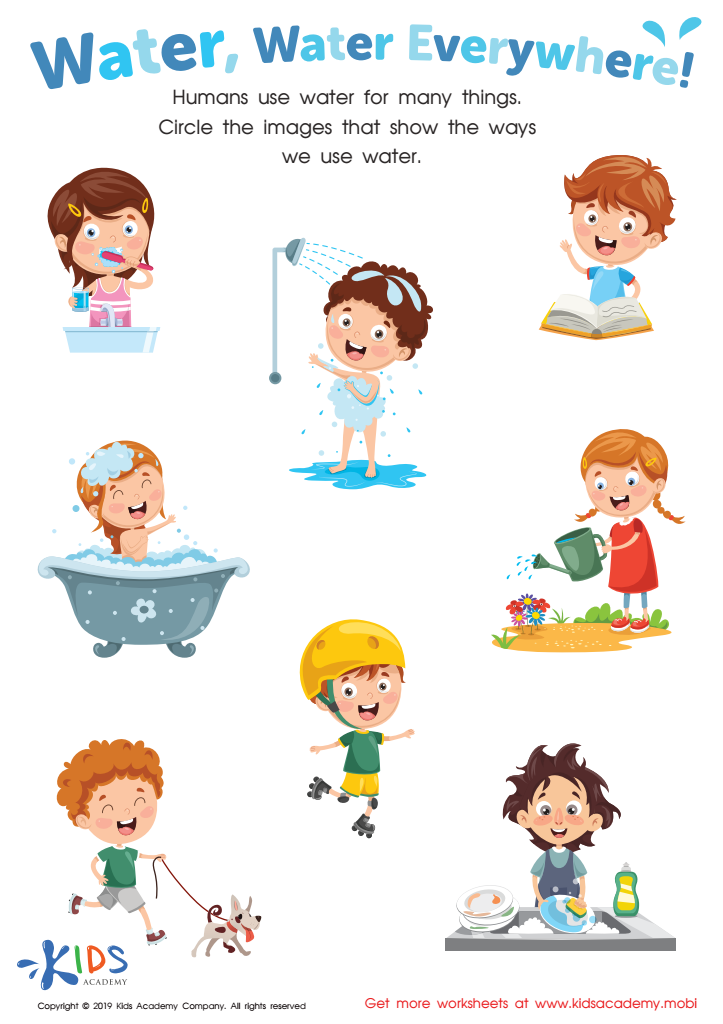
Water, Water Everywhere! Worksheet
Ask your kids how we use water daily. Point out how vital it is to the environment, as many living things couldn't exist without it. Show them this worksheet with kids doing different things that involve water. Ask them to identify what each one is doing, then help them circle the images which show the ways we use the water.
 Assign to My Students
Water, Water Everywhere! Worksheet
Worksheet











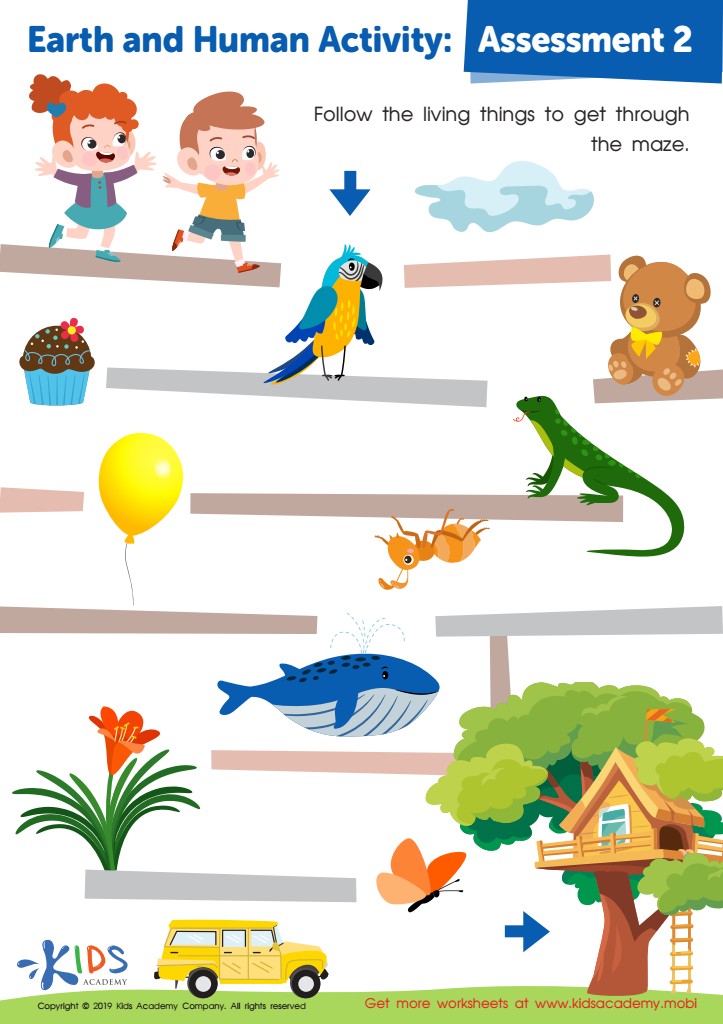
Earth and Human Activity: Assessment 2 Worksheet
Earth is alive with birds, trees, insects, and animals. Explain to your kids that the environment on Earth supports life. Ask for examples, then use the worksheet pictures to help them identify living things and complete the maze.
Earth and Human Activity: Assessment 2 Worksheet
Worksheet
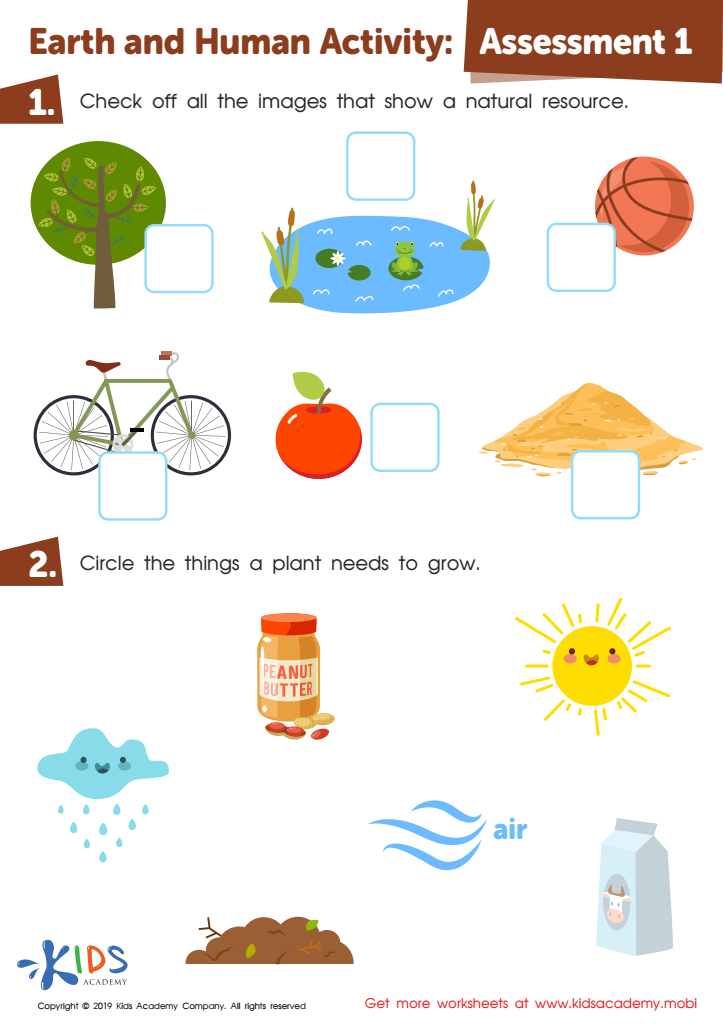
Earth and Human Activity: Assessment 1 Worksheet
Natural resources are gifts from Mother Nature that exist without man-made intervention. We use them to make essential items we use daily. Ask your kids for examples and have them check off images of natural resources on this worksheet.
Earth and Human Activity: Assessment 1 Worksheet
Worksheet
Join Kids Academy for Free
Who is primarily going to use this learning content?





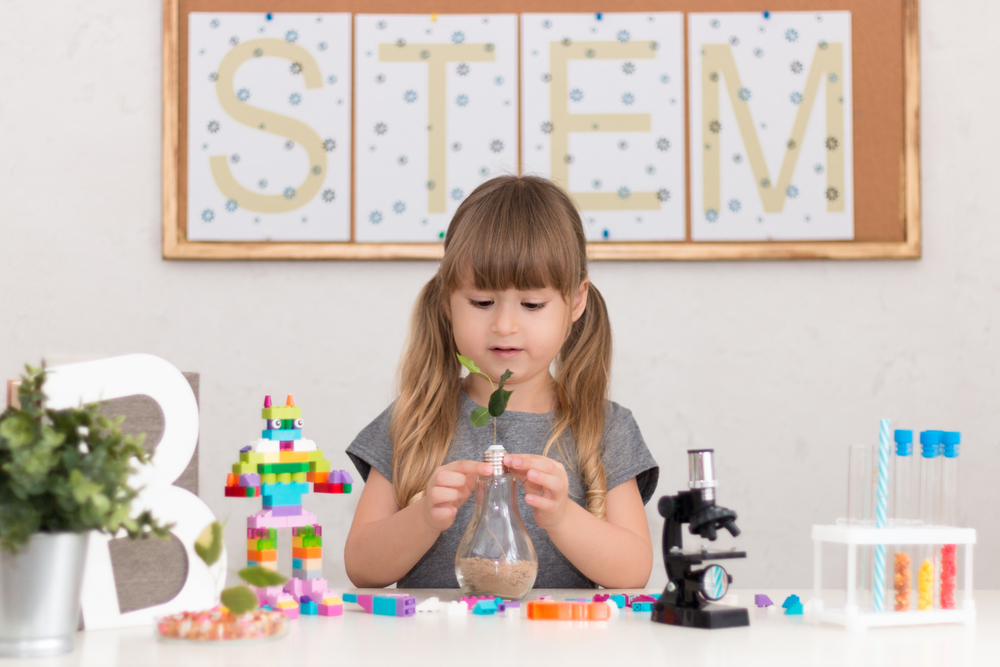


Fostering critical thinking skills in 4-year-olds is a vital aspect of their cognitive development, as it lays foundational stones for problem-solving, decision-making, and independent thought. For young children, an engaging context to develop these skills is through exploration and understanding of plants and animals. When children observe and question the natural world, they engage in a learning process that nurtures curiosity and wonder.
By investigating plants and animals, children learn to compare, contrast, and categorize living things. These activities require them to draw connections and make observations, which are key components of critical thinking. For instance, noticing how plants need sunlight and water to grow or understanding that different animals have varying habitats and diets—all encourage deductive reasoning and evidence-based conclusions.
Moreover, critical thinking about plants and animals helps children become more environmentally conscious and appreciative of nature, fostering a lifelong respect for biodiversity. This is essential not only for their academic growth but also for cultivating environmentally responsible behavior and empathy for living beings.
Such skills are mirrored in future academic pursuits and everyday situations. Engaged, critical thinkers are better prepared for success in school and in navigating complex life decisions. Thus, parents and teachers should be keenly invested in developing these abilities early on, using the familiar and fascinating worlds of plants and animals as effective teaching tools.








