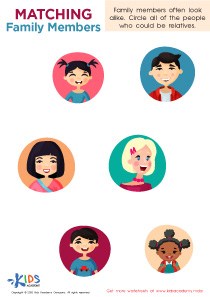
Color recognition Social Studies Worksheets for 4-Year-Olds
4 filtered results
-
From - To
Introduce your 4-year-old to the exciting world of social studies with our fun and interactive Color Recognition Social Studies Worksheets. Designed to capture young minds through engaging visuals, these worksheets teach children to identify and differentiate colors while exploring key social studies concepts. Perfect for preschoolers, these activities develop cognitive skills, boost memory, and foster fine motor development. Easy to download and print, they provide an enjoyable and educational experience that supports early childhood learning standards. Let your child discover the joy of learning about the world around them through the vibrant and colorful lens of our unique worksheets!

Happy Diwali Printable
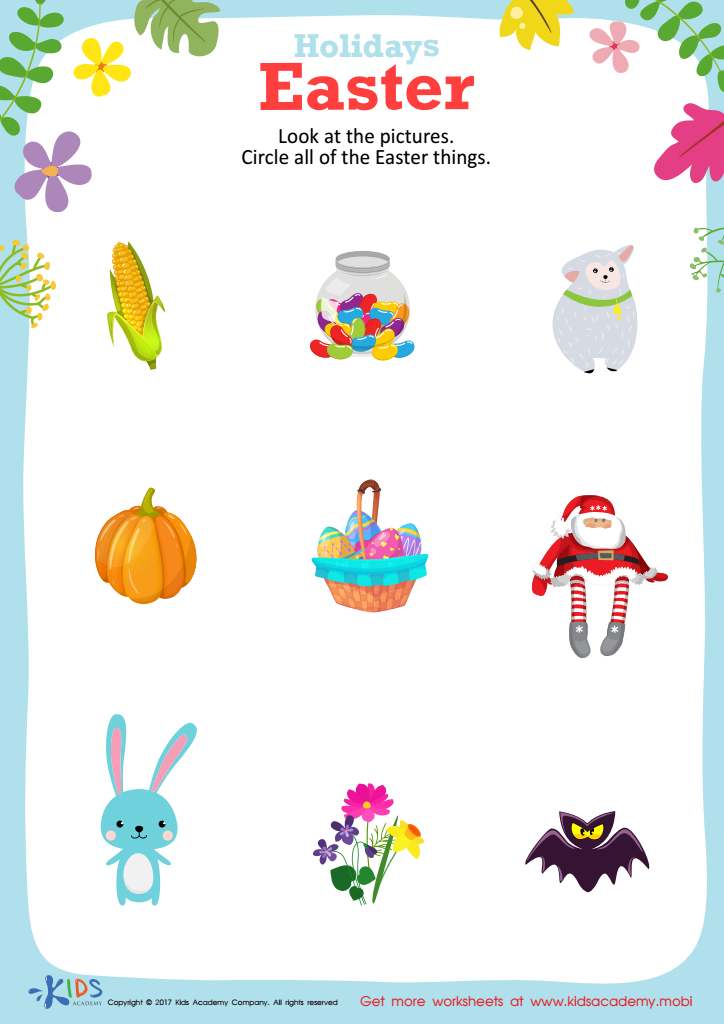
Easter Holiday Printable


Globe Coloring Page Worksheet
 Assign to My Students








Parents and teachers should prioritize color recognition in the context of social studies for 4-year-olds because it combines cognitive development with essential life skills. Recognizing colors helps young learners distinguish and categorize objects around them, enhancing their observational skills. This foundational skill is crucial for understanding and interpreting maps, flags, and various cultural artifacts, which often rely on color coding.
Moreover, teaching color recognition within social studies fosters multicultural awareness and appreciation. When children learn about different cultures, festivals, or historical events, colors play a vital symbolic role — from the red, white, and blue of the American flag to the vibrant hues of traditional clothing from around the world. This enriches their cultural knowledge and promotes diversity and inclusion.
Additionally, involving colors in social studies can make learning more engaging and fun. Interactive activities like coloring maps, drawing flags, or using colorful props captivate young minds and enhance memory retention. Developing these skills early on sets a strong educational foundation, aiding future academic subjects like reading and mathematics, which may also utilize color differentiation.
Thus, embedding color recognition in social studies instruction not only develops cognitive and fine motor skills but also broadens young learners' understanding of the diverse world they live in.