Shape Recognition Social Studies Worksheets for 4-Year-Olds
3 filtered results
-
From - To
Discover our engaging Shape Recognition Social Studies Worksheets designed specifically for 4-year-olds! These interactive worksheets help young learners identify and understand the importance of shapes in their everyday lives. Through fun activities, kids will explore how shapes are present in their environment, promoting both shape recognition and social awareness. Ideal for preschool and early childhood education, these worksheets encourage creativity and critical thinking. Perfect for parents and educators looking to enhance children's learning experience, our resources support early development and foster a love for learning. Download today to spark curiosity and build foundational skills in young learners!
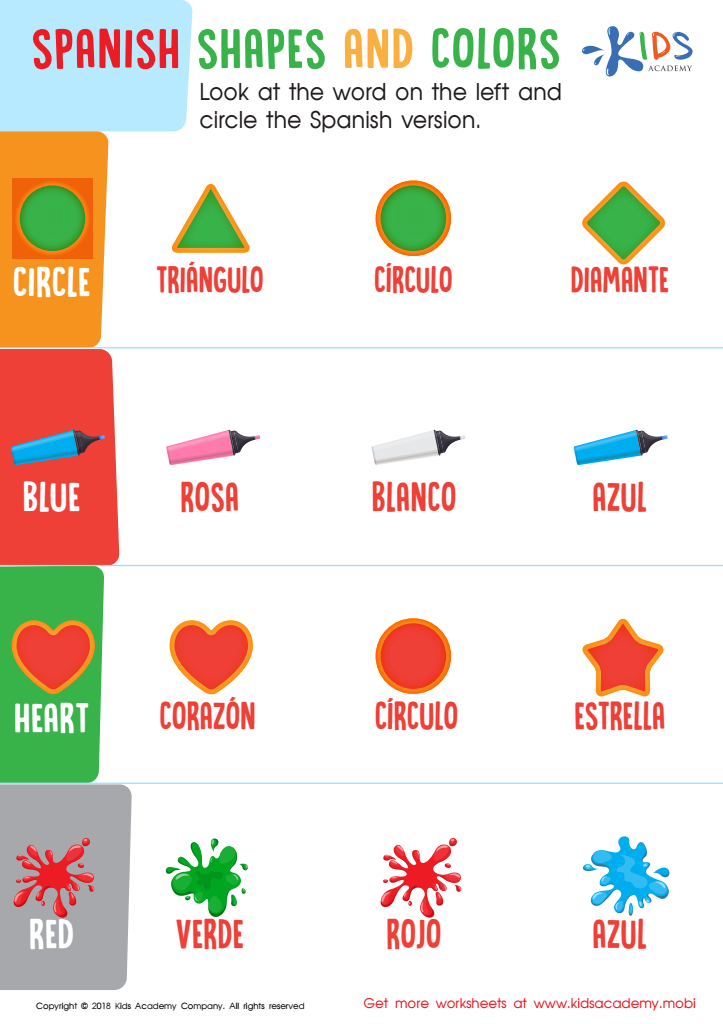
Spanish Shapes and Colors Worksheet
 Assign to My Students
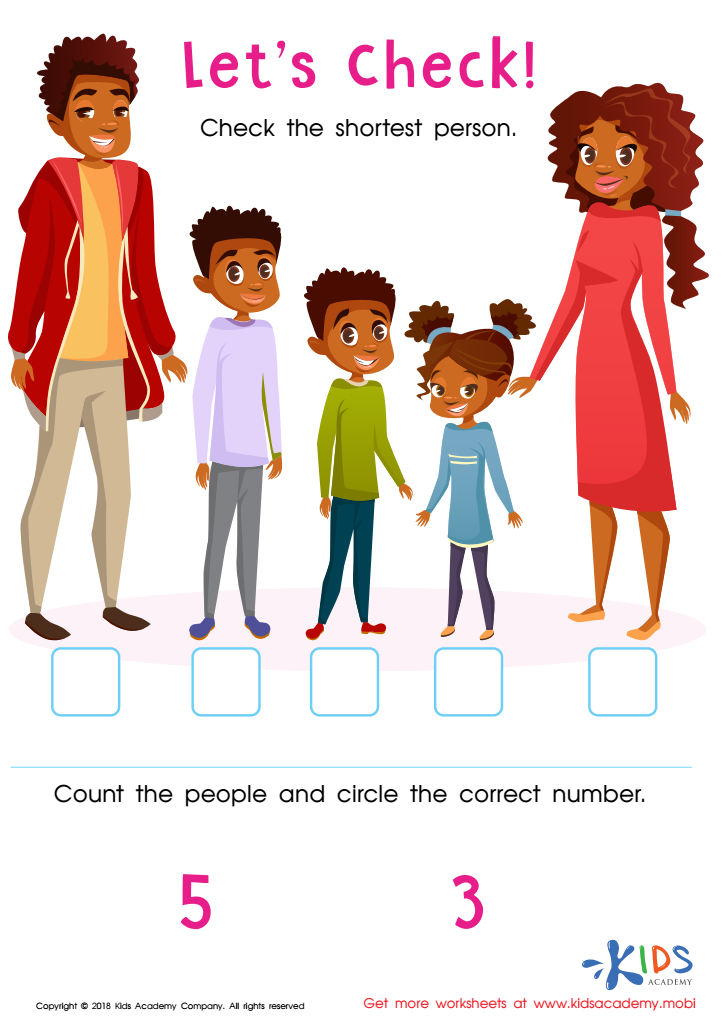
Let's Check! Assessment Worksheet
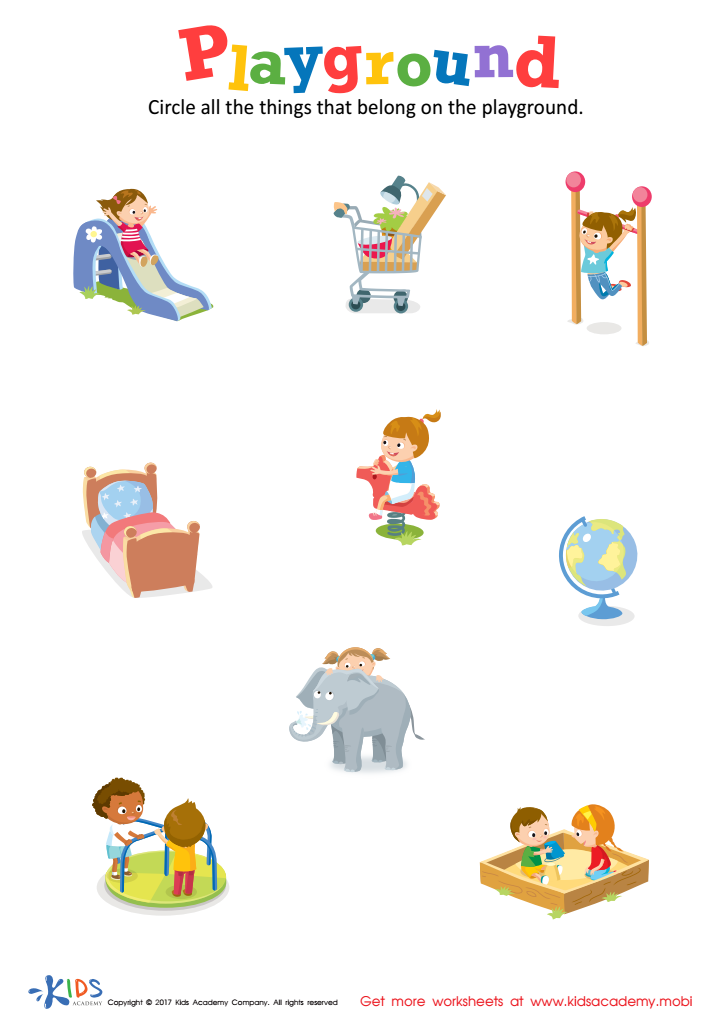
Playground Worksheet







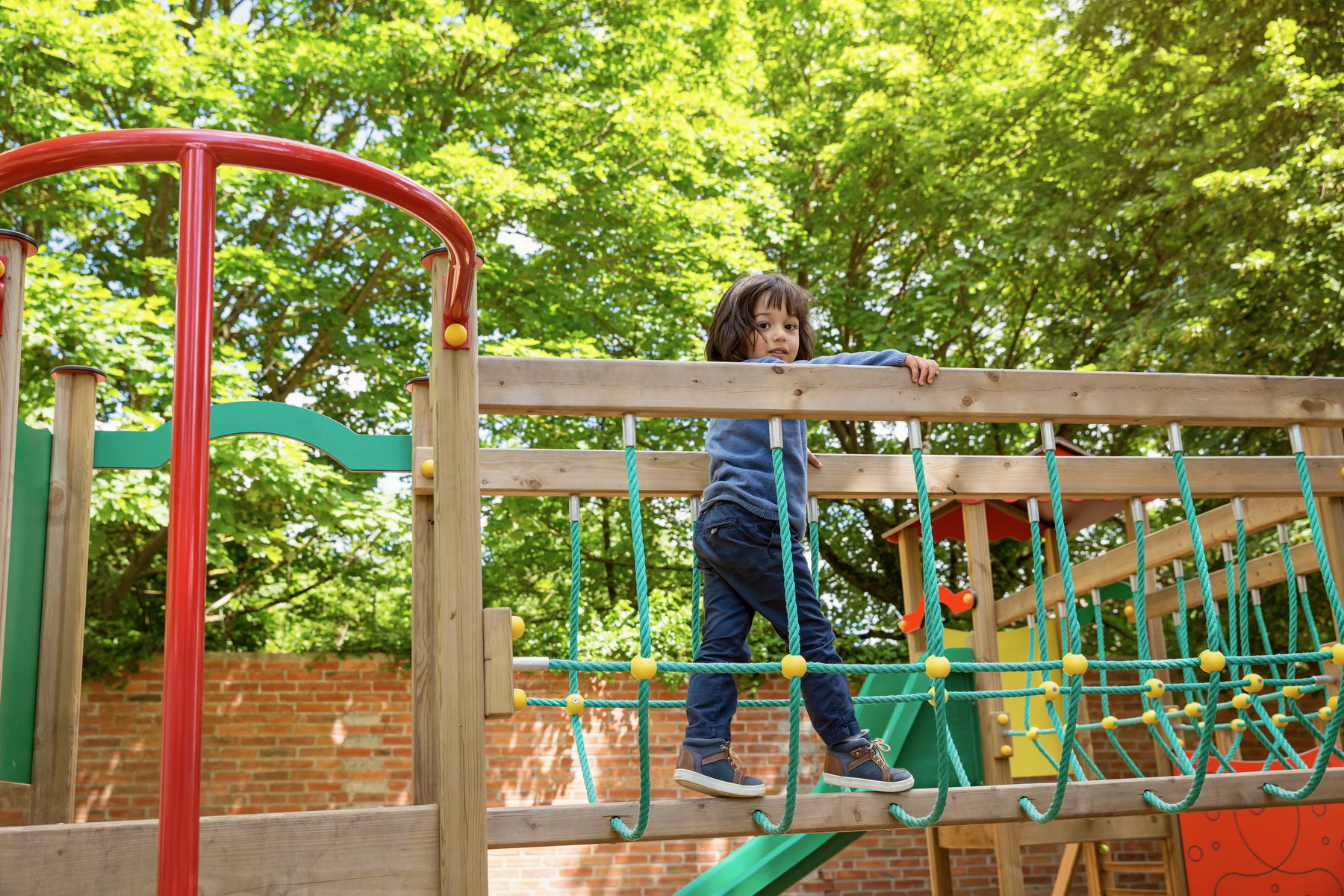
Shape recognition in social studies for 4-year-olds is crucial for several reasons. First, shapes are foundational elements of understanding the world around us. When children can identify and name shapes, they are better equipped to explore their environment, recognize patterns, and describe objects. This recognition enhances their observational skills, allowing them to understand more complex concepts as they grow.
Secondly, teaching shape recognition encourages spatial awareness, which is essential for various academic subjects, including math and science. When children can distinguish one shape from another, they also learn to categorize and organize their thoughts, fostering critical thinking skills early on.
Additionally, social studies concepts often involve understanding community structures, maps, and various physical objects within their environment. Recognizing shapes helps children grasp these concepts, allowing them to relate newfound knowledge to the world around them, engage in discussions, and ask questions about their surroundings.
Finally, collaborative activities that focus on shapes—like sorting, building, or drawing—promote social skills, helping children learn to work together, share ideas, and develop empathy. By investing time in shape recognition within social studies, parents and teachers are equipping children with the foundational skills they need for lifelong learning and social interaction.








