Vocabulary enhancement Writing Worksheets for 4-Year-Olds - Page 2
27 filtered results
-
From - To
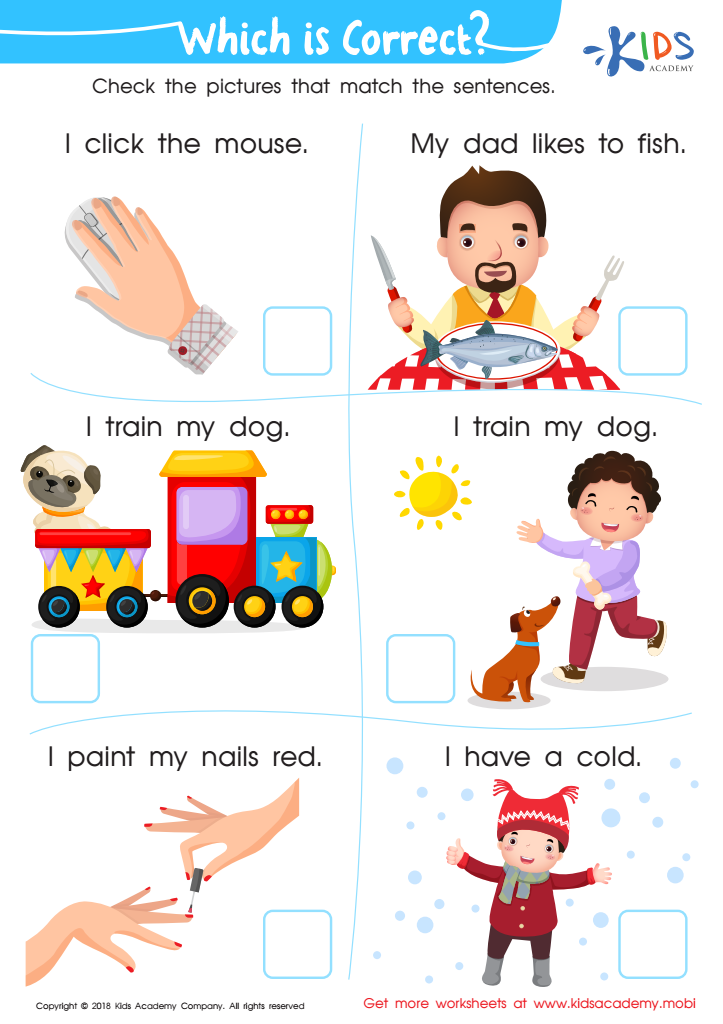
Which Is Correct? Worksheet
 Assign to My Students
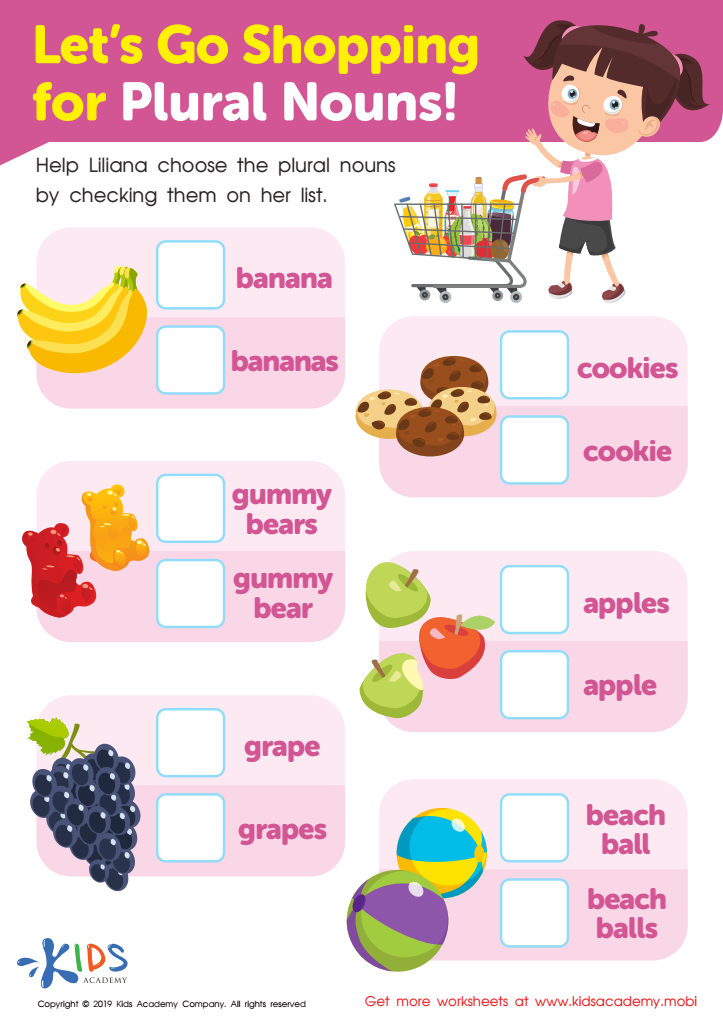
Let's Go Shopping for Plural Nouns! Worksheet
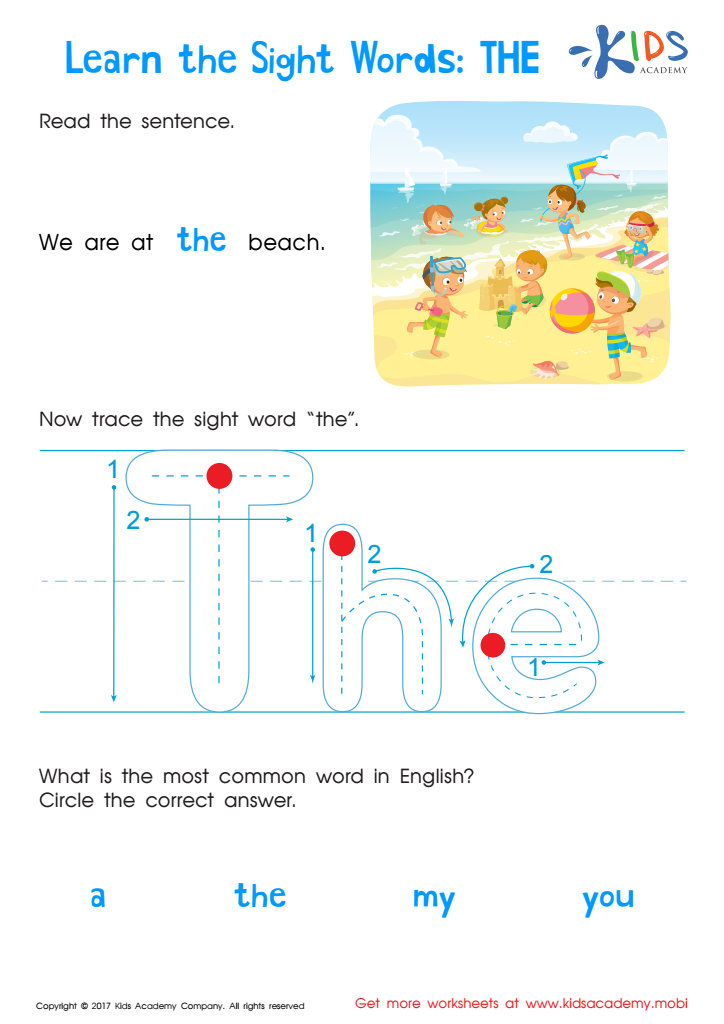
Sight Words: The Worksheet






Vocabulary enhancement writing for 4-year-olds plays a crucial role in early literacy development, making it essential for both parents and teachers to prioritize. In the early years, children are like sponges, eagerly absorbing new words and concepts. A rich vocabulary enhances their ability to express themselves, communicate their needs, and share ideas. It also lays the foundation for reading and writing skills necessary for academic success later in life.
By engaging in vocabulary-enhancing writing activities, young learners can explore the sounds and structures of language, increasing their understanding and appreciation of words. Activities like storytelling, picture dictation, or guided writing help expand their vocabulary while sparking creativity. These interactions not only foster a love for language but also encourage critical thinking and comprehension skills.
Moreover, a well-developed vocabulary boosts children's confidence in social settings, enabling them to engage in conversations with peers and adults effectively. This social interaction is vital for developing emotional intelligence and building relationships. Ultimately, investing time in vocabulary enhancement at this tender age equips children with the linguistic tools they need to thrive in an increasingly complex world and sets the stage for lifelong learning. Therefore, understanding the value of this early writing practice is vital for parents and educators alike.








